Address
304 North Cardinal St.
Dorchester Center, MA 02124
Work Hours
Monday to Friday: 7AM - 7PM
Weekend: 10AM - 5PM
Address
304 North Cardinal St.
Dorchester Center, MA 02124
Work Hours
Monday to Friday: 7AM - 7PM
Weekend: 10AM - 5PM


Sourcing from China PVC film manufacturers has become a mainstream choice for furniture factories, interior decoration brands, flooring contractors, and industrial converters worldwide. China’s supply chain is mature, lead times are competitive, and the variety of textures and functional coatings keeps expanding—especially for decorative and calendered PVC films. At the same time, choosing the wrong supplier can lead to color mismatch, unstable embossing, poor adhesion, odor issues, or inconsistent roll quality—problems that directly affect your customer experience and after-sales costs.
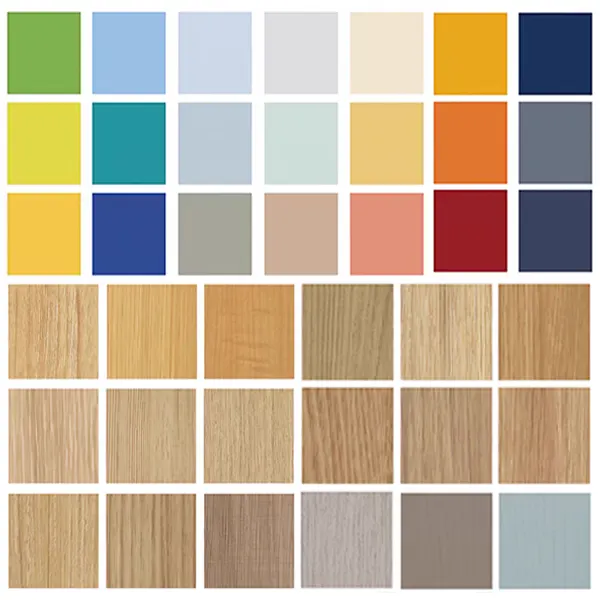
This guide explains PVC film types, common applications, the specifications you should confirm before ordering, and a practical method to select a reliable supplier in China—especially if you care about stable batches, OEM/ODM flexibility, and export-ready quality documentation.
China business culture tip (useful for procurement):
Many Chinese manufacturers operate with fast internal decision cycles, but detailed requirements are best provided in writing. Sending a clear “spec sheet + reference sample photos + usage scenario” helps you get accurate quotes and reduces back-and-forth—especially around color, embossing, and packaging.
PVC film is a thin sheet made from polyvinyl chloride. Depending on formulation and process, it can be made rigid or flexible, with surfaces ranging from high gloss to matte, from soft-touch to deep embossing. Compared with many decorative alternatives, PVC film is valued for:
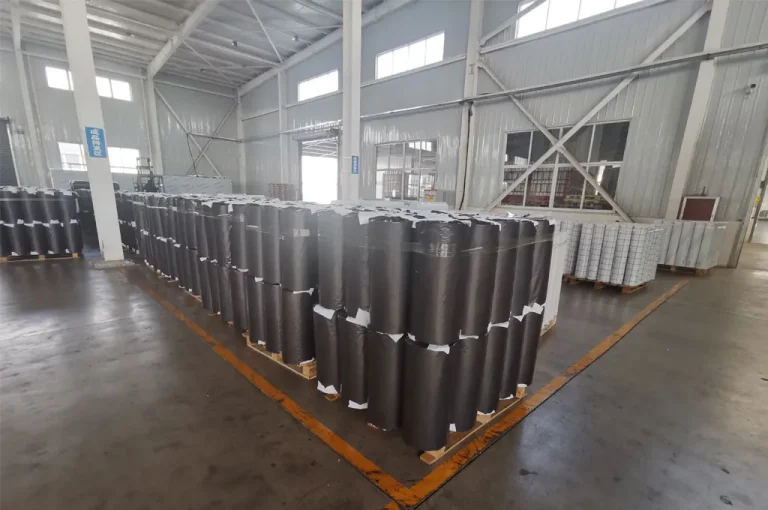
In China, many established factories integrate calendering, printing, embossing, slitting, and packaging in-house. This “full-process control” is often what separates a reliable supplier from a trading-style source that cannot guarantee batch stability.
Calendered film is produced by passing PVC compound through a series of rollers to achieve stable thickness and surface quality. It is widely used as a base for printing, lamination, protective layers, and functional films (anti-static, anti-fog, etc.). If you need stable thickness tolerance and consistent roll quality, start from a reputable calendered film source.
✔ Typical advantages: stable thickness, scalable production, good downstream processing performance
⚠ Watch-outs: confirm plasticizer system, odor level, and compliance (REACH/RoHS) for indoor applications
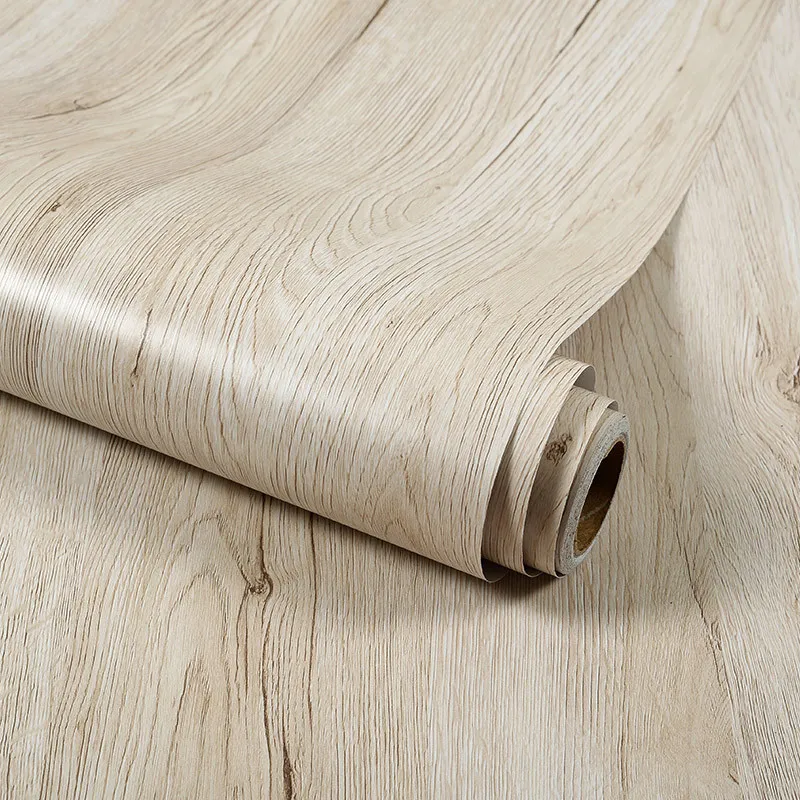
Decorative films are designed for visual impact and touch experience—wood grain, marble, metallic, matte, glossy, brushed, fabric textures, and artistic patterns. They are commonly laminated to MDF/PVC boards, used on cabinet doors, wall panels, and skirting. Popular product directions include:
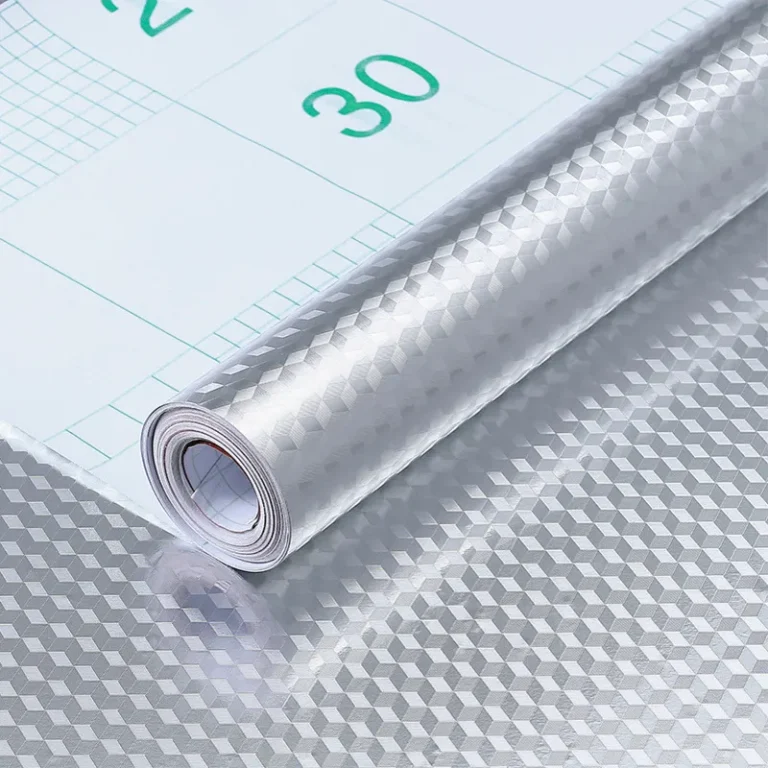
China suppliers have strong capability in embossing and pattern development. If you target higher perceived value—especially in wardrobes, wall panels, and premium cabinetry—consider special textures such as 3D silk texture film. These films differentiate your product in showrooms and can help justify higher retail pricing.
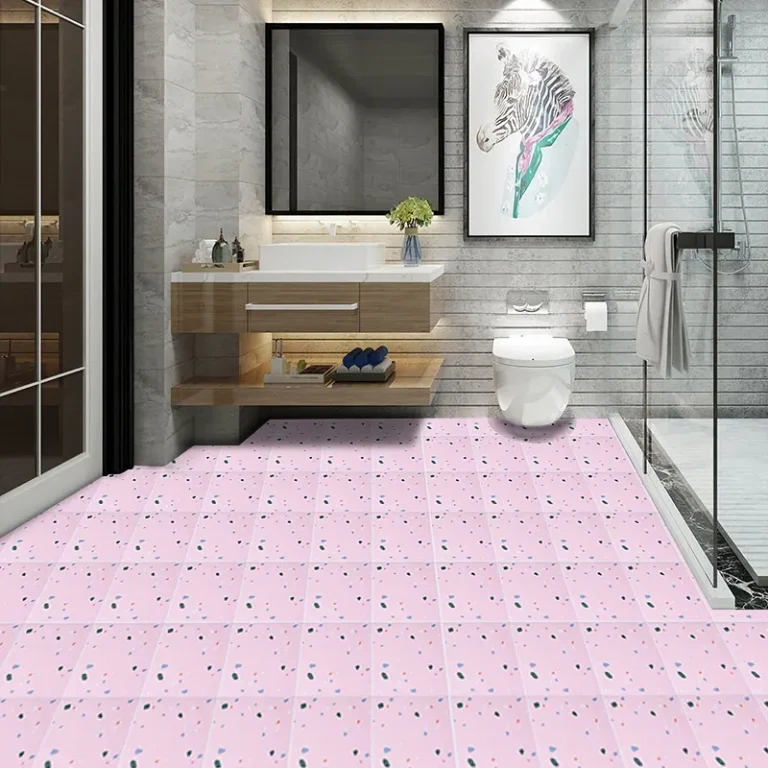
Flooring-related PVC films often require stronger performance in wear resistance, dimensional stability, and compatibility with adhesives and substrates. If your project involves renovation, rental properties, or quick commercial upgrades, look at dedicated floor film solutions designed for consistent performance under daily foot traffic.
Beyond decoration, PVC films can be engineered for specific environments: anti-static for electronics, anti-fog for humid zones, food-grade coatings for certain packaging scenarios, and self-adhesive structures for quick installation. When evaluating functional films, always request test methods and data ranges—not only “pass/fail” statements.
Cabinet doors, wardrobes, office partitions, tabletops, and decorative panels commonly use wood grain, cloth grain, matte, glossy, and soft-touch films. For export markets, stable color matching and low odor are often as important as surface hardness.
Wall panels, ceilings, door frames, and partitions benefit from waterproof surfaces and easy maintenance. Skirting areas are frequently upgraded with dedicated PVC skirting film that balances appearance and scuff resistance.
Anti-static and protective films help reduce dust attraction and surface scratches during assembly and logistics. Confirm surface resistivity requirements and whether the anti-static effect is permanent or migratory.
Printable and visually consistent films are used for displays, panels, and promotional surfaces. Ask for ink compatibility and whether surface energy treatment is required for your printing line.
Applications may need controlled additives, clean packaging, and traceability. If your end market requires compliance (e.g., REACH/RoHS/FDA), ensure your supplier can provide test reports and stable formulations.
“PVC film” is not a single standard product. To prevent misunderstandings, align on a complete specification list. Below is a procurement-friendly checklist you can copy into your RFQ.
Many importers require documentation not only for customs, but also for retail channels and project approvals. Typical requirements include:
A reliable manufacturer should clearly explain what they produce in-house: calendering, printing, embossing, slitting, and packaging. Full-process production usually leads to better consistency and faster lead times. Ask for:
For decorative PVC film, sampling is not only “does it look good.” You should test it in your real process: lamination temperature window, wrapping behavior, adhesive compatibility, and post-processing. A strong supplier will support:
Many China suppliers say they support customization, but capability varies. A reliable manufacturer should be able to customize thickness, width, roll size, surface finish, functional coatings, and packaging—with controlled QC standards to keep batches consistent.
The biggest long-term risk in PVC film sourcing is not a single bad roll—it’s batch variation. You can reduce this risk by asking the supplier how they test:
🔎 Practical request: ask for “one batch retained sample policy.” Reliable factories often keep retained samples and production records, which makes complaints and improvements faster and more objective.
For international buyers, the best film quality can still fail if packaging is weak or lead time is unstable. Ask for export packaging details: individual roll wrapping (e.g., dust-proof PE film or kraft paper), spec labels, moisture protection, pallet standard, and container loading method. A manufacturer with global shipping experience usually provides clearer documentation and more predictable ETD planning.
When working with China PVC film manufacturers, clear requirements and respectful efficiency go a long way. Many procurement teams get better outcomes by:
Product: PVC decorative film / calendered film / flooring film
Pattern & finish: (wood grain / marble / solid color) + (glossy / matte / soft-touch) + emboss code if any
Thickness: ___ mm (tolerance: ___)
Width: ___ mm
Roll length / core ID: ___ / ___
Application process: lamination / wrapping / self-adhesive / thermoforming
Compliance needed: REACH / RoHS / ISO / others
Order quantity: trial ___ rolls, mass production ___ rolls
Calendered film is often the stable base film made by roller calendering, while decorative film emphasizes printed patterns, embossing, and surface feel. Decorative film may still be calendered, but its value is in appearance and finish control.
Yes. Many factories support OEM/ODM for thickness, width, patterns, embossing, and packaging. For best results, provide a physical reference sample and define acceptance tolerances for color and gloss.
Common requests include ISO 9001/14001, REACH, RoHS, and relevant third-party test reports. If your product is used indoors or in sensitive environments, also confirm heavy metal/phthalate controls and odor/VOC expectations.
MOQ and lead time depend on type, width, thickness, and customization depth. Many manufacturers support small trial orders, then scale to mass production with scheduled capacity for stable delivery.
Lock a control sample, confirm measurement methods (thickness/gloss/emboss), require batch labeling and traceability, and start with a trial order tested in your real production process before committing to large volumes.