Address
304 North Cardinal St.
Dorchester Center, MA 02124
Work Hours
Monday to Friday: 7AM - 7PM
Weekend: 10AM - 5PM
Address
304 North Cardinal St.
Dorchester Center, MA 02124
Work Hours
Monday to Friday: 7AM - 7PM
Weekend: 10AM - 5PM


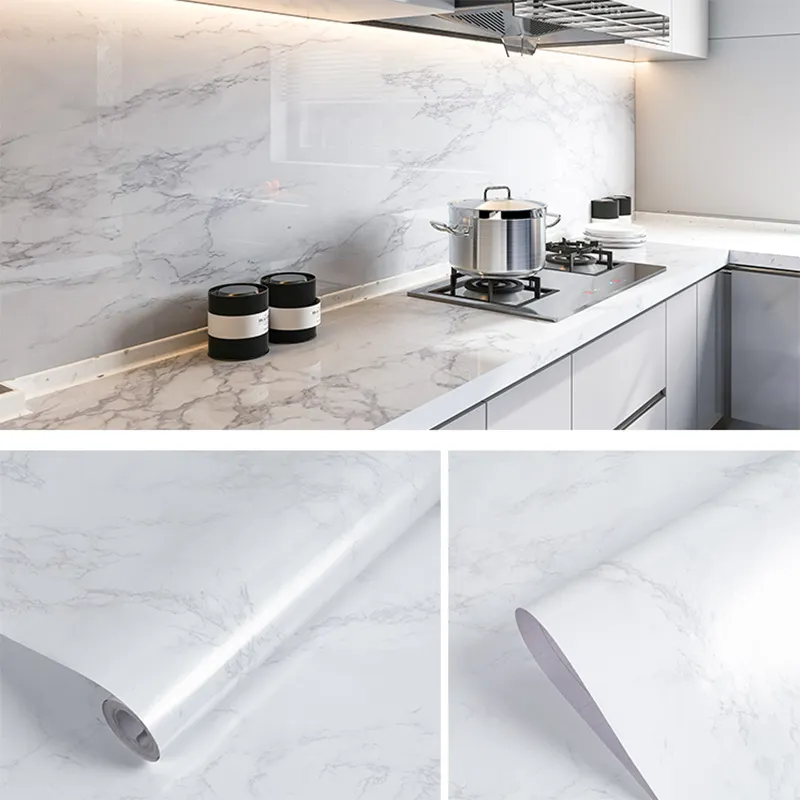
Clear PVC film is a versatile plastic sheet known for its transparency, durability, and cost-efficiency across decoration, protection, packaging, and industrial uses. Whether you need a high-clarity overlay for furniture surfaces, a protective layer for electronics, or an easy-to-clean barrier for hygienic spaces, choosing the right clear PVC film depends on thickness, softness, surface finish, compliance standards, and how the film will be processed (lamination, printing, cutting, thermoforming, or self-adhesive application).
Key takeaway:
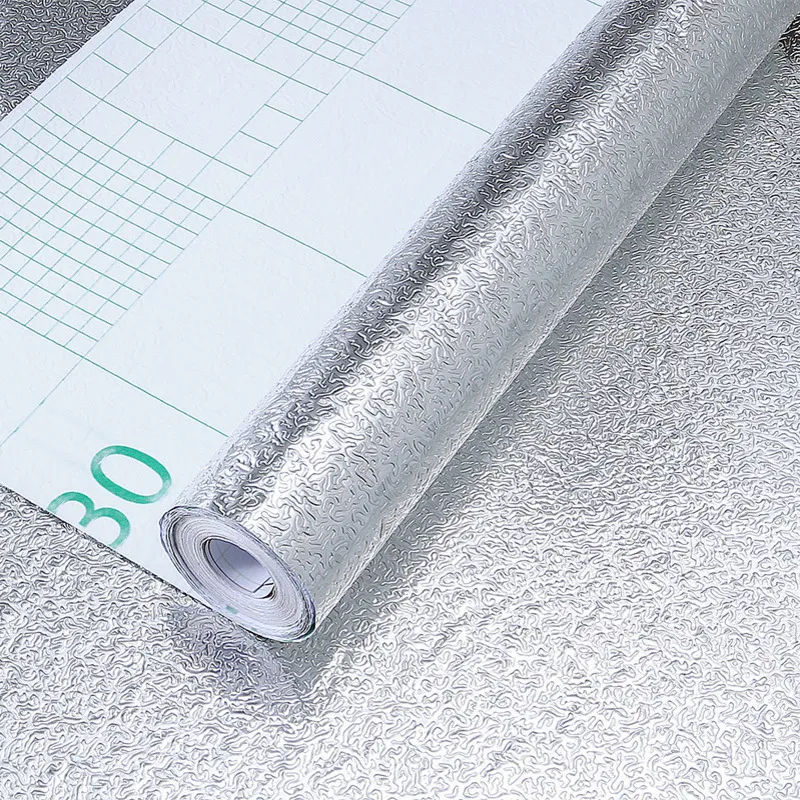
Clear PVC film is not “one product.” It is a family of films with different formulations and structures (rigid vs. flexible, single-layer vs. laminated, treated vs. untreated) designed to balance optical clarity, processing performance, and end-use durability.
Clear PVC film is a thin sheet made from polyvinyl chloride (PVC). By adjusting plasticizers, stabilizers, and processing methods, manufacturers can produce films ranging from semi-rigid, high-clarity sheets to soft, flexible rolls. Clear PVC film can be engineered for low haze, anti-static behavior, scratch resistance, chemical resistance, or improved printability.
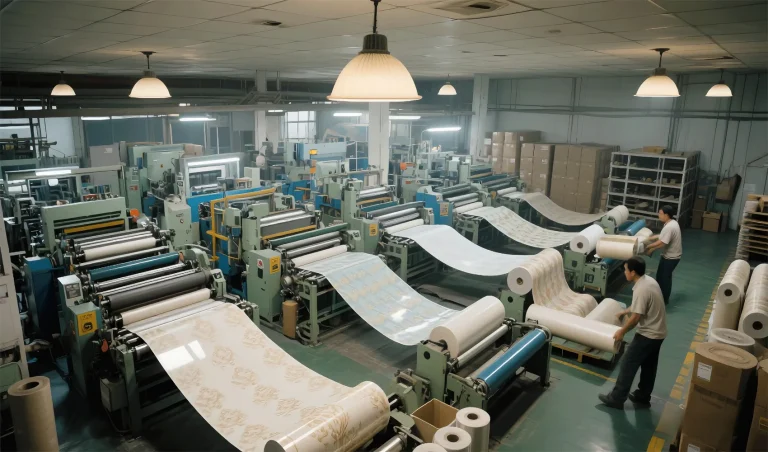
In many production setups, calendering is a common method to achieve stable thickness control and smooth surfaces at scale. If you’re comparing manufacturing routes, calendered products are often selected for consistent gauge, good flatness, and strong process repeatability in continuous production environments.
🔎 Quick definition:
Clear PVC film = PVC-based film with transparency as the primary optical requirement, often combined with functional options like anti-fog, anti-static, or self-adhesive.
Clear PVC film is used wherever you need a surface that is easy to wipe, visually clean, and protective—while still allowing the underlying material, graphics, or texture to remain visible.
Clear PVC film can be applied as a protective overlay on furniture panels, cabinet faces, tabletops, and decorative boards. It helps reduce scratches, stains, and everyday wear while keeping the original look intact. For aesthetic upgrades, clear film is often paired with textured decorative layers (e.g., wood, stone, fabric-like patterns) in multi-layer structures.
When the design calls for a more “premium touch,” textured solutions can also be considered; for example, 3D Silk Texture Film is used to add tactile depth while maintaining a refined surface appearance.
In architectural interiors, clear PVC film can work as a protective surface layer for panels, partitions, and decorative boards. It is also used as a functional barrier in areas where cleaning frequency is high. Depending on design goals, clear film may be combined with skirting and wall solutions; for instance, PVC skirting film is used on trim elements to improve durability and visual consistency.
Clear PVC film can serve as a protective layer against abrasion, dust, and handling marks during manufacturing, transport, and installation. For electronics, anti-static options are often considered to reduce the risk of electrostatic discharge and to minimize dust attraction on the surface.
Clear PVC film can be used as a transparent overlay, protective laminate, or a base film for certain printed products. Printability depends heavily on surface energy and treatment selection, so confirming ink and process compatibility (UV, solvent, eco-solvent, or water-based) is critical.
In medical and clean environments, clear PVC film may be used for protective covers, packaging barriers, and surfaces that need frequent sanitizing. Here, performance requirements often emphasize low odor, compliance documentation, and consistent quality control. If the film will contact skin or be used indoors long-term, confirm non-toxic ink systems and restricted-substance compliance with your supplier.
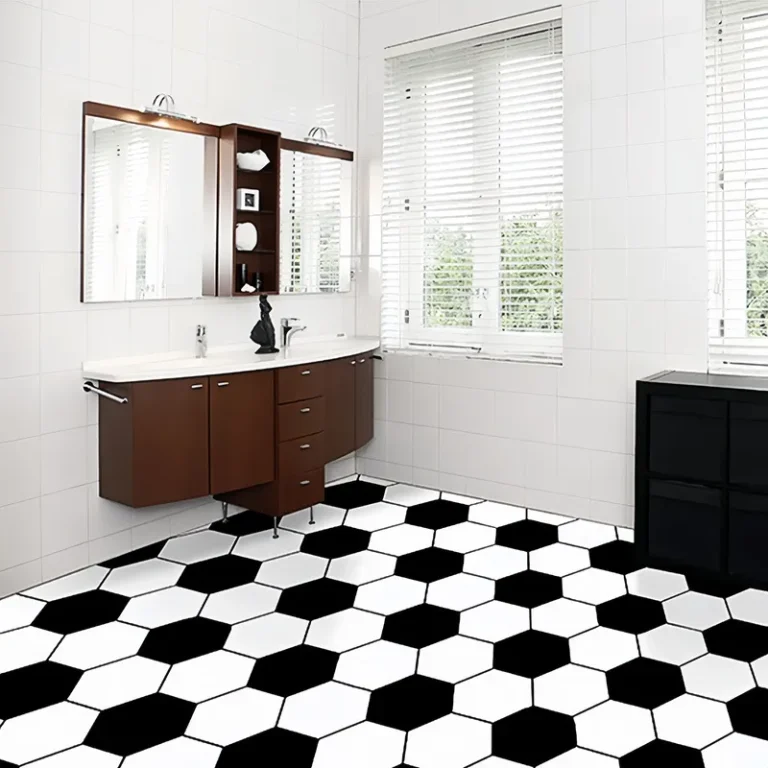
Clear PVC table covers, desk protectors, and surface overlays are popular due to easy cleaning and spill resistance. In wet areas or high-traffic zones, you may also evaluate related flooring-protection solutions such as Floor Film, where slip, wear, and cleaning performance become primary decision factors.
Specifications are where “clear” becomes measurable. To avoid mismatches between expectation and reality, confirm performance targets using real test methods and tolerances—especially for optical clarity, thickness uniformity, and adhesion behavior (if laminated or self-adhesive).
Thickness influences stiffness, drape, cuttability, and durability. Thinner films are lighter and easier to conform; thicker films provide stronger protection and better dimensional stability. Ask for thickness tolerance across the roll because uniform gauge directly affects lamination quality, wrinkle risk, and final appearance.
Clear PVC can be produced as rigid or flexible by adjusting formulation. Flexible films are preferred for wrapping and conforming surfaces; more rigid films suit flat overlays and products that require shape retention. If the film must lie flat on tables or boards, specify flatness and curl control requirements.
“Clear” can still vary widely. Two films can look transparent but differ in haze (milky look), surface gloss (mirror-like vs. soft), and distortion (wavy reflections). For display or premium furniture, request haze targets and surface gloss data.
✔ Practical tip:
Evaluate samples under your real lighting (showroom LEDs, daylight, warehouse lights). Minor haze can become very noticeable on dark substrates or high-gloss boards.
Clear PVC film can be glossy, matte, frosted, or lightly embossed. Matte or frosted surfaces reduce glare and fingerprints; glossy surfaces maximize clarity and depth. Texture also affects anti-slip behavior, print results, and how scratches appear over time.
Treatments are selected based on end-use challenges:
Tensile strength, elongation, tear resistance, and puncture resistance determine how the film behaves during cutting, forming, and real-world use. If the film must withstand frequent cleaning or repeated contact, confirm abrasion resistance and chemical compatibility with detergents, alcohols, and disinfectants used onsite.
If you supply regulated markets or safety-sensitive projects, clarify compliance requirements early. Many buyers request documentation aligned with ISO management systems and restricted substances requirements such as REACH and RoHS. For special uses, confirm whether the formulation is free of heavy metals and restricted plasticizers, and request third-party test reports when needed.
Calendered film is commonly chosen for stable thickness, consistent roll quality, and scalable supply. It is widely used in decoration, lamination, and industrial overlays. If your application needs repeatable thickness and a smooth surface across large batches, review Calendered Film specifications and compare them against your optical and mechanical targets.
Self-adhesive versions simplify installation for overlays, signage, and surface protection. Adhesive type matters: initial tack, peel strength, residue risk, and temperature resistance must match the substrate (metal, glass, painted boards, plastic laminates). Always validate with a small-scale trial on your real material.
Functional films target specific problems: static-related dust attraction or fogging under humidity and temperature changes. These are popular in electronics handling, clean packaging, and environments where visibility must remain stable.
Multi-layer designs are used to combine properties that are hard to achieve in a single layer—such as a hard, scratch-resistant top layer with a flexible support layer, or a print-optimized layer bonded to a protective clear layer.
Prioritize surface appearance and scratch behavior. Glossy clear film can look premium but may show micro-scratches more readily; matte finishes reduce glare and fingerprints. If you laminate onto decorative patterns (e.g., wood or marble), check whether the film changes the perceived color depth or contrast. Decorative product families like Wood Grain Film are often paired with clear protective layers or coating systems depending on the target finish.
Focus on puncture resistance, sealing or bonding behavior (if relevant), and odor control. If transparency is critical for product visibility, set haze limits and inspect for gel points, black specks, or roll-to-roll variation.
Confirm chemical resistance with the actual cleaners used (alcohol wipes, disinfectants, mild solvents). Ask for test guidance and consider specifying a protective top layer or coating when aggressive cleaning is expected.
Blade sharpness and tension settings strongly affect edge quality. Excessive tension can create stretching and later shrink-back; insufficient tension can lead to wrinkles and poor winding. For premium clear films, ask your supplier about recommended winding hardness and tension windows.
If clear PVC film is used in lamination, bonding performance depends on surface chemistry, adhesive selection, and process conditions. Confirm whether the film is supplied with a primer or treatment designed for lamination. Conduct peel tests after full curing time, not only immediately after lamination.
⚠ Production reminder:
When a clear film shows “waves” or visual distortion, the root cause is often a mix of uneven gauge, incorrect tension, or excess heat during lamination—not just the film itself.
A good clear PVC film supplier should provide consistent roll-to-roll performance and traceability. Before confirming bulk production, validate:
If your product competes on appearance, feel, or installation speed, customization can create a measurable advantage. Common OEM/ODM directions include thickness and width customization, roll length optimization for automatic lines, gloss/matte tuning, anti-static or anti-fog treatments, printing compatibility, and private-label packaging. A supplier with integrated calendering, printing, and slitting/packaging lines can often shorten lead times and improve consistency by keeping key steps under one quality system.
Many clear PVC films are designed for indoor applications; confirm restricted-substance compliance (e.g., REACH/RoHS) and request test reports if the film will be used in sensitive environments or contact scenarios.
Glossy maximizes clarity and depth but can show glare and fine scratches; matte reduces glare and fingerprints but may slightly reduce visual sharpness. Sample testing on your real substrate is the safest approach.
It depends on the abuse level and whether the film must conform around edges. Thicker films generally protect better and lie flatter, while thinner films conform more easily and reduce weight/cost.
Dark substrates magnify haze, micro-texture, and minor optical distortion. Specify haze targets, check surface finish, and test under the same lighting used in the final environment.
Yes. Many suppliers offer functional treatments such as anti-static, anti-fog, and print/adhesion primers, and can tailor thickness, width, and packaging based on your process and end-use requirements.