Address
304 North Cardinal St.
Dorchester Center, MA 02124
Work Hours
Monday to Friday: 7AM - 7PM
Weekend: 10AM - 5PM
Address
304 North Cardinal St.
Dorchester Center, MA 02124
Work Hours
Monday to Friday: 7AM - 7PM
Weekend: 10AM - 5PM


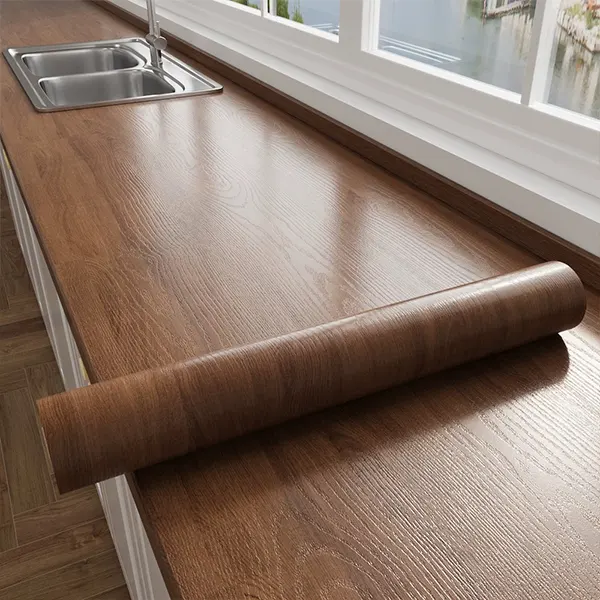
Commercial PVC decorative film is a practical surface-finishing solution used to upgrade walls, doors, cabinets, partitions, shop fixtures, and many other high-traffic interiors. It delivers the “look” (wood grain, marble, textile, metal, matte, glossy, 3D texture) while improving daily durability, cleaning convenience, and cost control—especially important for retail chains, offices, hotels, hospitals, schools, and public venues where surfaces face frequent contact.

This guide explains how commercial PVC decorative film works, where it performs best, how to choose specifications, and what to check before buying—so you can match performance, appearance, and budget with fewer risks and faster project timelines.
PVC decorative film is a thin, engineered polyvinyl chloride layer designed to laminate or wrap onto substrates such as MDF, plywood, particle board, metal sheets, PVC boards, and sometimes glass (with suitable adhesive systems). In commercial settings, it is selected not only for aesthetics but also for wear resistance, easy maintenance, and consistent appearance across multiple sites.
Key idea:
Decorative film is not “just a print.” Commercial-grade options are built with surface layers and finishes engineered for abrasion, stain resistance, and stable color/texture in demanding environments.
Compared with solid wood veneer, stone slabs, or metal panels, PVC decorative film offers a similar visual effect with better cost predictability. For multi-store rollouts, consistent color and pattern control helps keep brand aesthetics uniform.
Films are suitable for lamination lines or on-site wrapping (depending on substrate and adhesive). In renovations, they can help reduce downtime—an important factor for hotels, retail, and office refits.
Many finishes are designed for routine wipe-down and frequent touch points such as reception counters, cabinet fronts, partitions, and corridors. With the right topcoat and texture, fingerprints and smudges are easier to manage.
Depending on the project, you may select films with functional coatings, including:
✔ Commercial advantage:
PVC decorative film supports repeatable production—ideal for standardized furniture panels, chain-store fixture programs, and modular construction components.
Wood grain remains a top choice for offices, hospitality, and retail because it feels warm and premium while staying easy to maintain. For consistent sourcing, you can evaluate options like
Wood Grain Film
for cabinetry, doors, wall panels, and workstation surfaces.
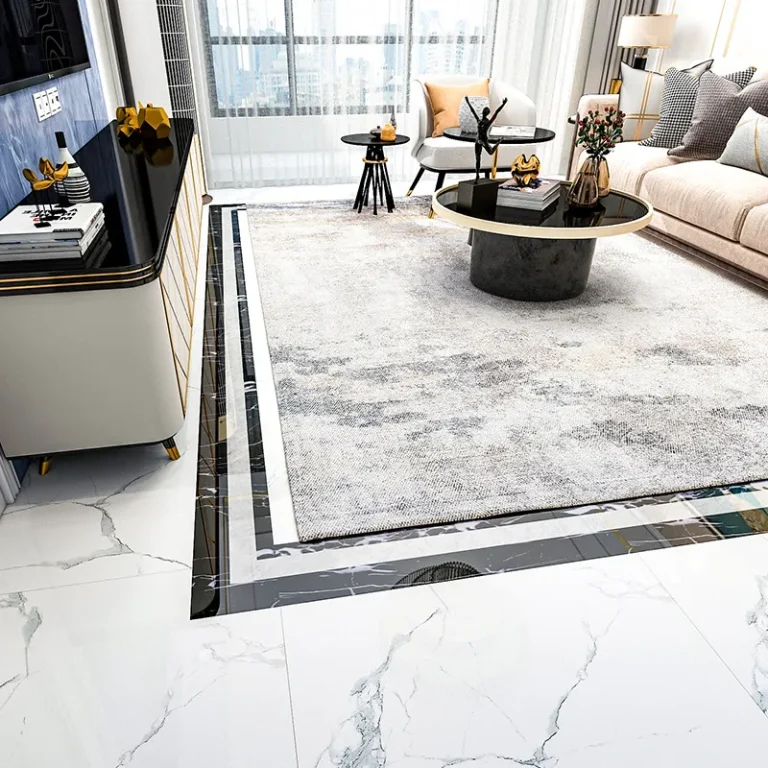
Marble visuals are popular for reception desks, feature walls, elevator lobbies, and washroom vanities. A well-made
Marble Film
can deliver clean, high-end aesthetics without the weight, cost, or installation complexity of real stone.
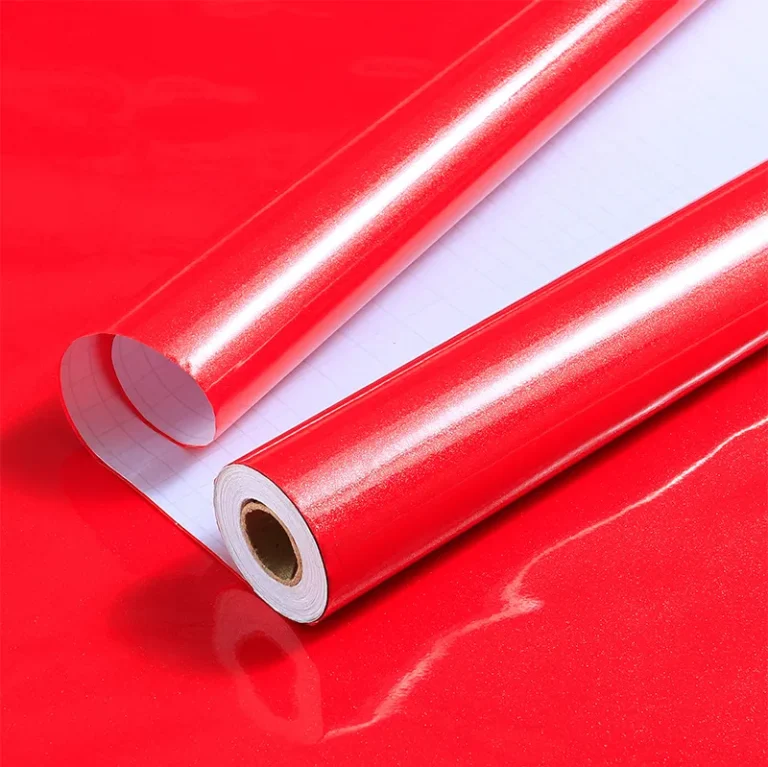
Solid colors work well for modern brand standards—especially in retail and corporate interiors where color codes matter. For wall-facing decorative needs, explore
Solid Color Wallpaper
styles that support consistent tones across large areas.
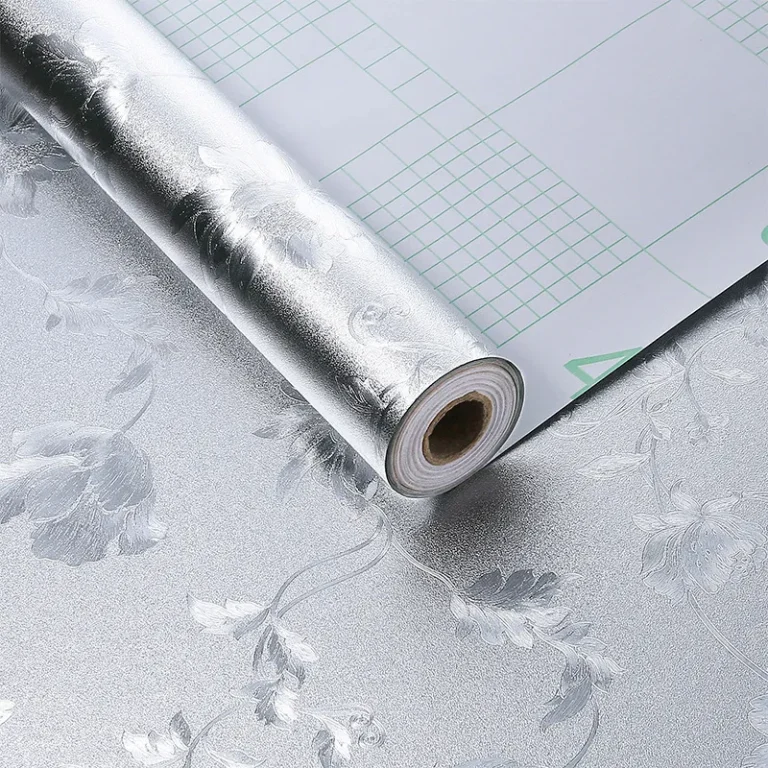
Embossed or 3D textures help reduce visible scratches and fingerprints while enhancing perceived quality. A product like
3D Silk Texture Film
can be used on cabinet doors, decorative panels, and branded fixtures where touch experience matters.
🏢 Offices & coworking:
Workstations, meeting room walls, storage cabinets, door skins, reception counters—often using wood grain, matte solid colors, or soft-touch finishes for a calm, professional feel.
🏨 Hospitality:
Headboards, wardrobe fronts, minibar panels, decorative trims, corridor wall panels—selected for scratch resistance and quick replacement cycles during renovations.
🛍 Retail & exhibitions:
Gondolas, display cabinets, POP fixtures, backdrops—where consistent visuals and fast rollout across locations are critical.
🏥 Medical & clean environments:
Certain films and packaging/protection films can support controlled cleanliness requirements when paired with suitable substrates and cleaning protocols.
In building and interior decoration, PVC films also work on skirting lines, trims, and partition systems. For example,
PVC Skirting Film
can help unify wall and floor transitions while protecting edges from scuffs in corridors and public areas.
Commercial performance depends on more than appearance. Film consistency, print stability, emboss depth, and surface topcoat all influence how the surface behaves over time. In manufacturing, calendering is a common process for producing stable film sheets with controlled thickness and smoothness. If you want to understand the base material category, see
Calendered Film
specifications as a reference point.
Start with how the surface will be used: public corridor wall panels (high scuff), cabinet doors (frequent touch), retail counters (impact + cleaning chemicals), or office partitions (moderate wear). Higher traffic usually benefits from tougher topcoats and textures that hide micro-scratches.
Glossy surfaces look premium but show fingerprints more easily under strong downlights. Matte and embossed textures often read more “architectural” and are forgiving in busy areas. If you must match a brand palette, request color matching and confirm batch control procedures.
Films can be applied through factory lamination (preferred for standardized output), membrane pressing for 3D profiles, or wrapping on edges and frames. The method affects film flexibility requirements, adhesive selection, and the best thickness range.
Before committing, evaluate samples under real site conditions. Typical checks include:
🧩 Practical tip:
For multi-site projects, lock down one approved master sample and require each production batch to be checked against it before shipment.
Commercial buyers often need tailored specifications for thickness, width, roll length, emboss pattern, gloss level, and packaging for export logistics. OEM/ODM programs can also support custom printing, color matching, and functional surface treatments (such as anti-static or anti-fog) based on the application.
For interior projects—especially in public spaces—buyers may need documentation that supports safety and regulatory requirements. Many suppliers can provide third-party test reports and management system certifications upon request. If your project requires low odor, indoor suitability, or restricted substance compliance, confirm this early and include it in the purchase specification.
With proper cleaning habits, commercial PVC decorative films can maintain a fresh appearance for years. Use these practices to reduce premature wear:
Q1: Is PVC decorative film suitable for high-traffic commercial interiors?
Yes—when you choose commercial-grade surface finishes and verify abrasion, stain resistance, and adhesion with real samples under your site conditions.
Q2: What’s the difference between glossy and matte films for commercial use?
Glossy looks vibrant but shows fingerprints and surface marks more easily; matte/embossed options often hide wear better and read more “architectural” under strong lighting.
Q3: Can I customize thickness, width, and patterns for my project?
In most OEM/ODM programs, yes. Provide your substrate, lamination method, target finish, and quantity to confirm feasibility and lead time.
Q4: What should I check before placing a bulk order?
Confirm batch color consistency, thickness tolerance, surface finish, packaging standards, and compliance documents required in your market.
Q5: How do I request a sample or quotation efficiently?
Share the application, target pattern/color, specifications (thickness/width/roll length), quantity, and required performance (e.g., anti-static, scratch resistance) so sampling and pricing can be accurate.