Address
304 North Cardinal St.
Dorchester Center, MA 02124
Work Hours
Monday to Friday: 7AM - 7PM
Weekend: 10AM - 5PM
Address
304 North Cardinal St.
Dorchester Center, MA 02124
Work Hours
Monday to Friday: 7AM - 7PM
Weekend: 10AM - 5PM


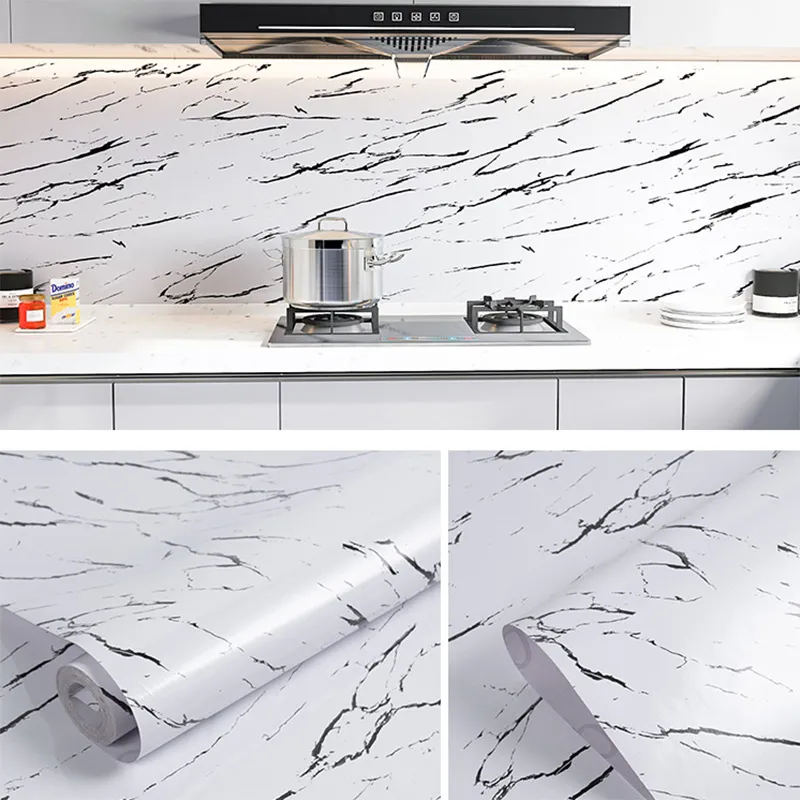
PVC film is a versatile material used across flooring, furniture, packaging and decorative surfaces. When buyers report quality complaints—such as peeling, bubbles, or discoloration—quickly identifying the root cause saves time and cost. This guide explains the most common PVC film quality complaints, how to identify them on arrival, and practical steps for inspection and prevention.
1. Surface Scuffing or Abrasion — Visible lines, dull patches, or micro-scratches that appear after light handling or shipping.
2. Delamination / Edge Lifting — Layers separating at edges or spots where the film does not adhere to the substrate.
3. Bubbles and Blisters — Raised pockets like air pockets under the film after application or during storage.
4. Color Shade Variation — Batch-to-batch or roll-to-roll color mismatch, uneven printing or streaky patterns.
5. Wrinkling or Creasing — Permanent folds or wrinkles from poor roll winding, transport stress or low film elasticity.
6. Sticky or Tacky Surface — Film surface remains sticky to touch due to formulation or contamination.
7. Odor Issues — Strong chemical smells indicating residual solvents or plasticizers beyond acceptable levels.
8. Printing Defects — Misregistration, ink smudging, fading or missing patterns on printed PVC film.
9. Poor Adhesion of Pressure-Sensitive Adhesives — Self-adhesive films that fail peel tests or lose bond after short time.
Visual inspection: Unroll a representative section in good light. Look for streaks, color shifts and surface damage.
Touch test: Run a fingertip across the surface to detect tackiness or scuffing. A clean film should feel smooth and non-tacky.
Adhesion test: For laminated or self-adhesive products, perform a 90° or 180° peel test on a sample area to measure bond strength.
Heat and moisture sensitivity: Place a sample under warm conditions (40–50°C for 30–60 minutes) to simulate accelerated aging and reveal bubbles or delamination tendencies.
| Defect | How to Spot It | Likely Cause | Quick Response |
|---|---|---|---|
| Bubbles / Blisters | Raised pockets under film after application | Trapped moisture, poor adhesive cure, or heat during packing | Dry samples, re-roll under tension, check adhesive cure and humidity controls. |
| Delamination | Edges peeling or layer separation | Incomplete lamination, contamination, old adhesive | Perform small peel tests; quarantine batch and check lamination temperature/pressure. |
| Color Variation | Noticeable shade differences between rolls | Pigment lot change, wrong mixing ratio, print calibration | Compare against master batch sample; request batch certificates and spectral data. |
| Stickiness | Tacky feel or film sticking to protective layers | Plasticizer migration, contamination, leftover solvents | Allow off-gassing, test for surface contamination, consult supplier for alternative formulations. |
1. Roll and label verification: Check product code, width, thickness, and batch number against the purchase order.
2. Visual & tactile sample: Inspect three points per roll—start, middle, end—for surface, print, and edge quality.
3. Dimensional checks: Measure thickness with a micrometer and width at multiple points to confirm tolerances.
4. Adhesion & peel tests: Use 90° peel tests on laminated or self-adhesive samples. Record force values if your lab supports it.
5. Environment simulation: Expose samples to elevated temperature and humidity for short periods to preview storage or installation issues.
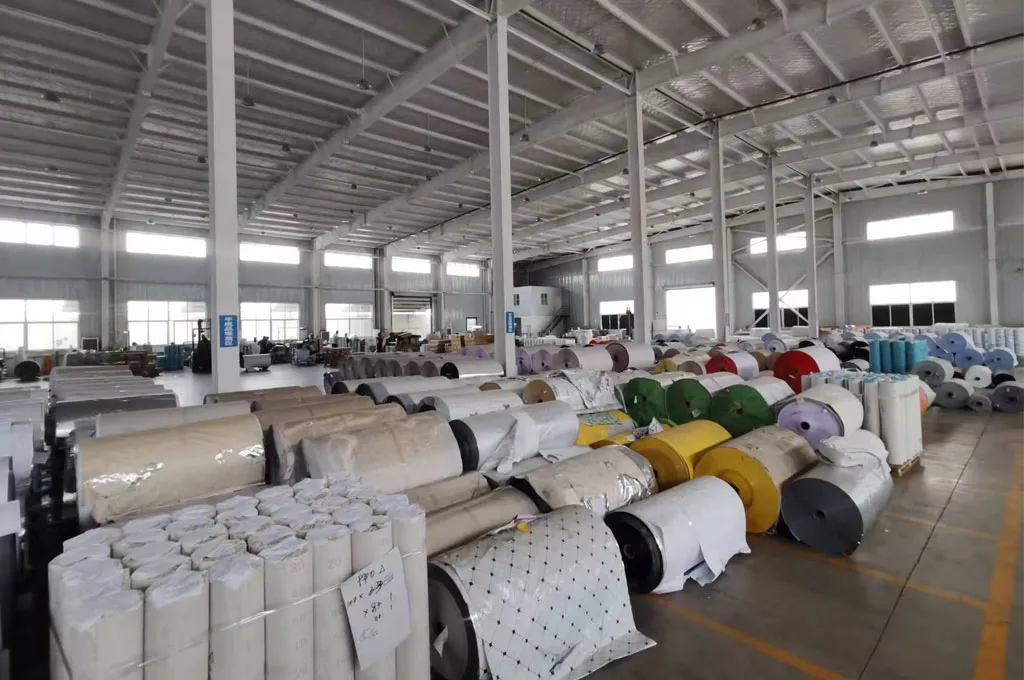
Quality complaints typically stem from either production process parameters or handling and logistics. Production issues include incorrect formulation, poor lamination, or print setup errors. Logistics problems arise from compression, temperature swings, and moisture during transit. Use root-cause sampling—compare a failed sample to an original production master to isolate where the fault originated.
– Include strict acceptance criteria in purchase orders (color tolerances, peel strength, thickness range).
– Request production photos and QC checklists before shipment.
– Ask suppliers to perform pre-shipment tests (peel, tensile, color measurement) and include certificates.
– Store rolls upright in a dry, temperature-controlled space and avoid heavy stacking that deforms edges.
Reject when defects exceed agreed acceptance criteria or if samples show progressive failure in accelerated tests. Document defects with high-resolution photos and measurement records, then open a non-conformance report with the supplier.
Supplier note: Henan Pulivk New Materials Co., Ltd. (Pulivk) operates full in-house production—including calendering, printing and split-packaging—so they can provide pre-shipment QC data and tailored OEM solutions if you require tighter control.
If you need a concise inspection checklist PDF or a defect photo reference sheet for your quality team, prepare a short list of your acceptance limits and request the supplier’s batch QC report before shipment. Fast identification on arrival prevents costly rework and keeps installation schedules on track.