Address
304 North Cardinal St.
Dorchester Center, MA 02124
Work Hours
Monday to Friday: 7AM - 7PM
Weekend: 10AM - 5PM
Address
304 North Cardinal St.
Dorchester Center, MA 02124
Work Hours
Monday to Friday: 7AM - 7PM
Weekend: 10AM - 5PM



Crystal clear PVC film is a transparent polyvinyl chloride sheet designed to protect, decorate, and improve surface performance while keeping the original look visible. Because it balances clarity, durability, flexibility, and cost-efficiency, it is widely used across furniture, building decoration, electronics, advertising displays, medical packaging, and everyday home applications. In this guide, you’ll learn where crystal clear PVC film is used, why it performs so well, how to compare thickness options, and how to choose the right type for your process and end-use requirements.

“Crystal clear” typically refers to PVC film engineered for high transparency and clean optics—so the substrate underneath (wood grain, printed graphics, product labels, or packaging contents) remains easy to see. In real projects, clarity is not only about “seeing through” the film; it’s also about controlling haze, distortion, and surface defects.
Clear PVC film is versatile because it can be supplied in multiple thicknesses, hardness levels, and surface treatments. Below are the most common application categories and what to prioritize in each.
Clear film is often used as a protective layer on cabinet doors, tabletops, decorative boards, and wall panels. It helps resist scratches, stains, and moisture while letting the original color or pattern show through.
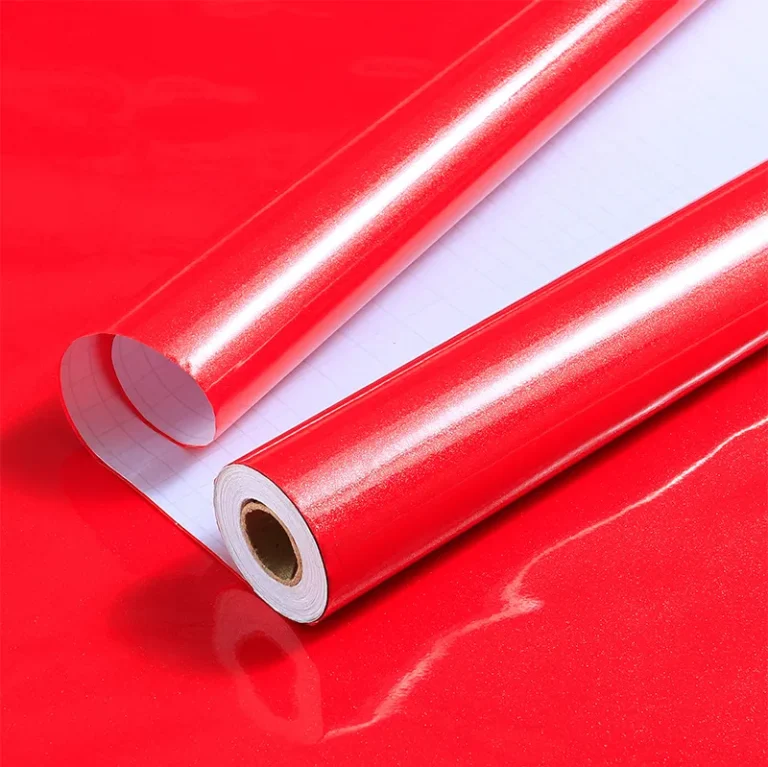
If you also need texture or decorative effects, you can combine clear protective layers with decorative bases such as Wood Grain Film or high-gloss surfaces like Glossy Wardrobe Film.
For commercial fit-outs and residential upgrades, clear PVC film can serve as a protective overlay on decorative films, partitions, and panels—especially in high-touch areas (hallways, elevators, retail fixtures).
For coordinated interior finishes, clear protection can be paired with products like Solid Color Wallpaper to maintain a consistent look while improving cleanability.
Clear PVC film is frequently used where visibility matters: product windows, protective wraps, stationery covers, and consumer-goods packaging. It can be engineered for stiffness or softness depending on folding, sealing, or wrapping needs.
Tip: For packaging lines, confirm whether you need heat-sealing behavior, anti-block, or anti-static to keep sheets from sticking during high-speed conversion.
Clear PVC film can be used as a lamination layer for printed graphics to improve abrasion resistance and weatherability for short- to mid-term display. For better results, match surface gloss to your viewing environment: glossy for indoor retail brightness, matte for glare control under strong lighting.
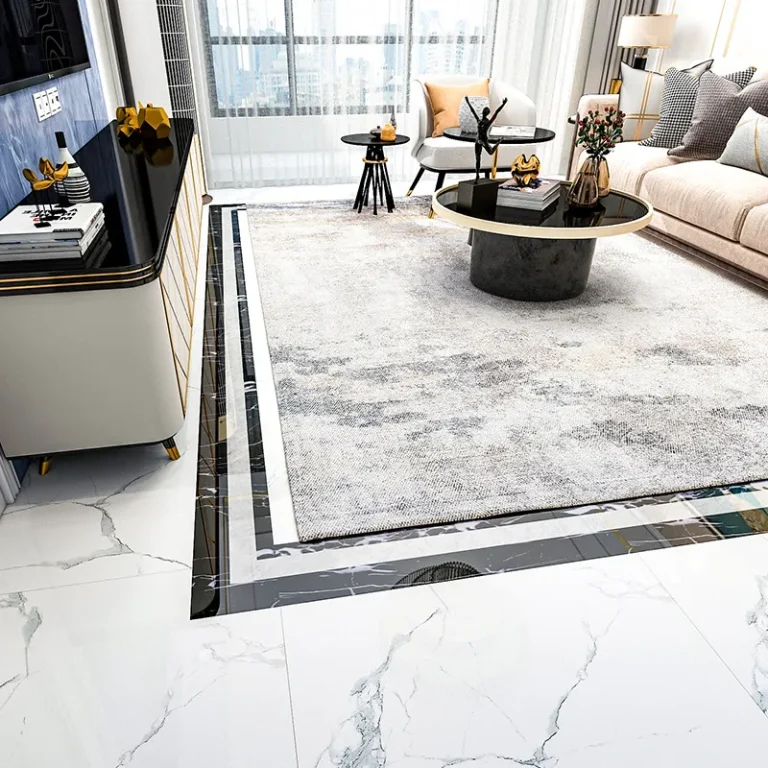
Transparent PVC layers are common in flooring systems and temporary protection during construction. In these scenarios, prioritize abrasion resistance, thickness stability, and slip-related surface design. If you’re building a coordinated flooring solution, see Floor Film for related options.
Compared with many transparent plastics, PVC film offers a flexible performance “tuning range”—meaning it can be formulated and processed for multiple industries without becoming prohibitively expensive.
Thickness is one of the fastest ways to narrow down the right crystal clear PVC film, but it should never be chosen alone. The “best” thickness depends on how the film will be handled, whether it must hold shape, and what level of protection is expected.
| Thickness Range | Typical Feel | Best-Fit Uses | Selection Notes |
|---|---|---|---|
| 0.05–0.12 mm | Very flexible | Light protection, wraps, liners, display lamination | Easy to crease; confirm anti-block if stacked |
| 0.15–0.30 mm | Balanced | Furniture protection, covers, general-purpose lamination | Good “default” range for many projects |
| 0.35–0.60 mm | Semi-rigid | High-wear protection, partitions, durable surface overlays | Better impact resistance; check forming requirements |
| 0.70–1.00 mm+ | Rigid-like | Heavy-duty covers, industrial protection, special panels | Cost and weight increase; confirm roll handling & cutting |
Key takeaway: thickness affects stiffness and protection, but optics, surface finish, and functional coatings often decide whether the film performs well in real production.
Use the checklist below to avoid common mismatches (good film, wrong specs). When possible, confirm by samples and small pilot runs before mass production.
Glossy clear film delivers “showroom” transparency and highlights textures and colors. Matte clear film reduces reflections, hides minor handling marks, and provides a softer visual tone.
Functional coatings or formulations can solve real production and use-phase issues. Ask for these options only when your scenario benefits—otherwise you may pay for performance you don’t need.
Clear PVC film is used in multiple converting methods, so confirm the film is designed for your process:
For many industrial uses, Calendered Film is a common base choice thanks to consistent thickness control and stable roll supply for high-volume conversion.
If your project depends on clean visuals (packaging windows, glossy surfaces, display lamination), pay attention to quality metrics beyond thickness.
To speed up sampling and reduce back-and-forth, prepare a clear spec sheet before contacting a supplier. The most helpful details are:
Production note: a full-process manufacturer with in-house calendering, printing, and slitting/packing can typically provide more stable roll consistency and faster lead times—especially when you need OEM sizing, labeling, and export-ready packaging.
For many furniture and interior protection tasks, 0.15–0.30 mm is a practical starting range, balancing clarity, handling, and durability.
Choose glossy for maximum transparency and a premium shine; choose matte to reduce glare and hide fingerprints or minor scuffs in high-touch areas.
Yes. Many suppliers can offer optional treatments such as anti-static, anti-fog, anti-block, and other functional coatings based on your application.
Check the film over printed text under bright light, look for haze and waviness at angles, and inspect for specks or gel dots across multiple areas of the roll.
Provide thickness, width, roll length, finish (gloss/matte), functional requirements, end-use environment, and your processing method (lamination/printing/forming).