Address
304 North Cardinal St.
Dorchester Center, MA 02124
Work Hours
Monday to Friday: 7AM - 7PM
Weekend: 10AM - 5PM
Address
304 North Cardinal St.
Dorchester Center, MA 02124
Work Hours
Monday to Friday: 7AM - 7PM
Weekend: 10AM - 5PM


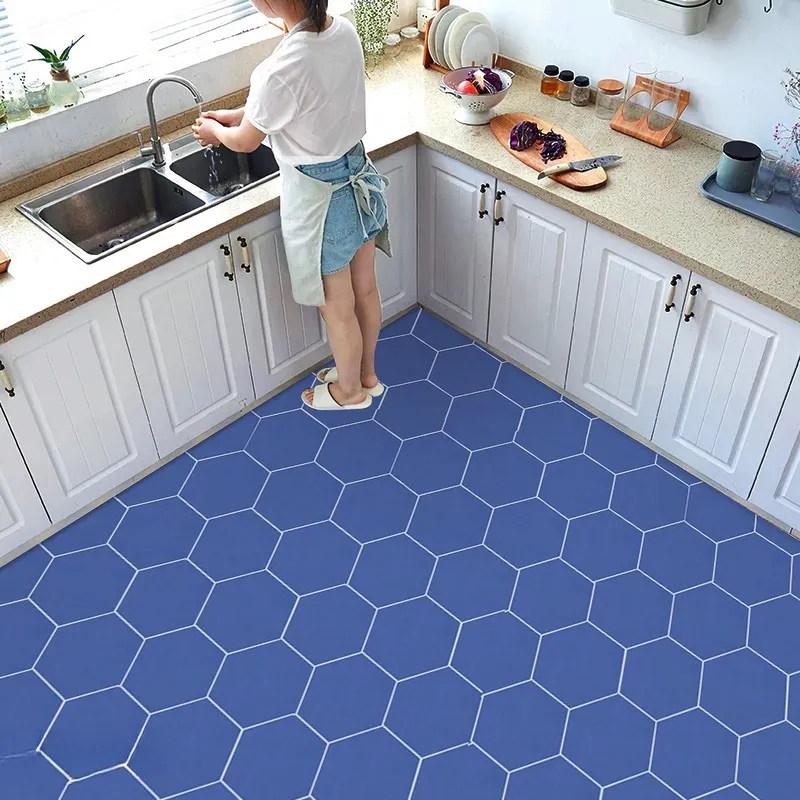
Custom laser PVC film is a practical, high-impact material for brands that want packaging and printed products to look premium, feel consistent, and perform reliably in real logistics. By combining laser effects (eye-catching light reflection) with PVC film stability (durability, lay-flat behavior, and process compatibility), you can create personalized roll widths, colors, and patterns that match your brand identity—while staying efficient for mass production and export.
◆ Quick takeaway:
Laser PVC film is often chosen when you need visual differentiation (sparkle, holographic depth, metallic shine) plus production flexibility (printing, slitting, lamination, protective packaging).
In competitive retail and e-commerce, packaging has to do two jobs at once: protect the product and communicate value instantly. Laser PVC film supports both. The film’s reflective finish can highlight logos, patterns, or brand colors under store lights and camera flash, while the PVC base can be engineered for thickness, softness, clarity, or texture depending on the end use.
For printers and converters, customization matters as much as appearance. You may need a specific roll width to fit existing equipment, a consistent surface for ink adhesion, or a controlled gloss level to avoid glare in product photos. With OEM customization, you can lock down those variables so every batch looks and performs the same.
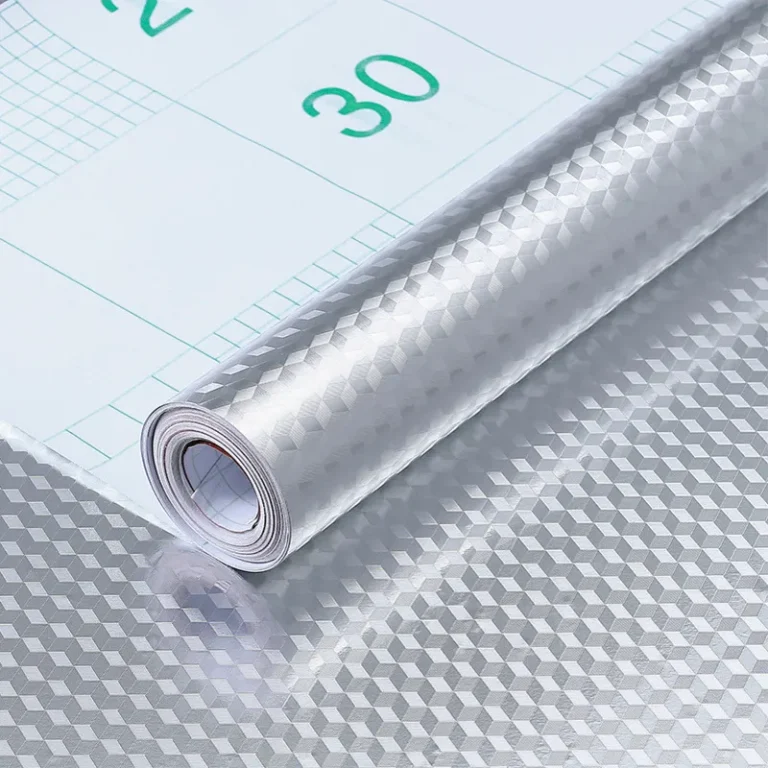
“Laser” typically refers to an optical effect film surface that creates shifting highlights as the viewing angle changes. Depending on the pattern and finishing method, the look can range from subtle shimmer to high-contrast holographic movement.
Packaging and printing workflows depend on stable dimensions. A “good-looking” film that doesn’t match your machine width, core requirement, or roll length will slow down production. Custom laser PVC film can be supplied in personalized specifications—so your operators don’t need workarounds, and your finished goods remain consistent.
◆ Production advantage:
When slitting and packing are controlled in-house, you reduce edge defects, mismatched widths, and rework—especially important for high-visibility laser surfaces.
Color consistency is one of the hardest problems in decorative packaging. Laser effects can amplify color shifts under different lighting, so it’s essential to define both the color target and the viewing conditions. Custom laser PVC film can be produced in a wide range of tones, from high-saturation retail colors to understated corporate palettes.
Pattern is where laser PVC film becomes a brand asset. Whether you want a repeating motif, a textile-like touch, or a 3D feel, pattern selection affects both aesthetics and downstream processing (printing readability, lamination bonding, and scuff resistance).
◆ High-contrast micro-patterns create a “luxury” read at a glance and help hide minor handling marks.
◆ Silk-like textures add tactile value—especially effective for gift boxes, cosmetics, and premium stationery.
You can explore texture ideas like 3D Silk Texture Film.
◆ Natural inspirations (wood, stone, fabric) support “home & lifestyle” packaging and coordinated interior product lines.
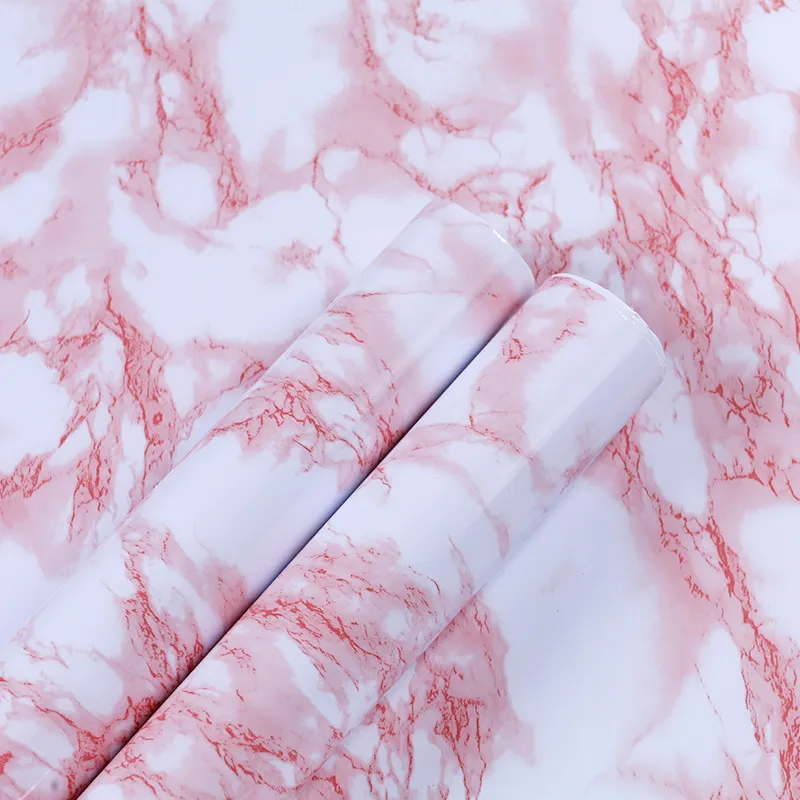
For reference styles, see Wood Grain Film and Marble Film.
Although the title focus is packaging and printing, many buyers prefer suppliers who can support multiple categories—because it reduces sourcing risk and keeps quality consistent across product lines. Pulivk Film manufactures a wide range of PVC film types, including calendered film, decorative film, transparent film, soft-touch film, and self-adhesive options used across furniture, construction, electronics, advertising, medical, and household applications.
◆ Need a reliable base film for laser finishing?
Many projects start with a stable Calendered Film specification and then add custom printing, patterning, and slitting to match the packaging line.
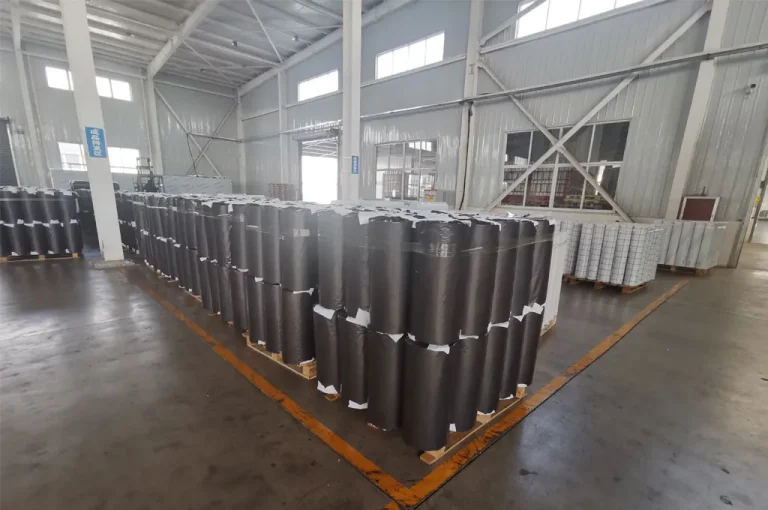
Consistent laser PVC film requires more than one process step. The biggest quality differences often come from how well a supplier controls the full chain—calendering, printing, and slitting/packing—because each stage can introduce variation in thickness, surface energy, or roll tension. Pulivk Film runs complete production lines that cover the path from raw materials to finished, labeled rolls, which helps shorten lead times and reduce total cost for buyers.
OEM customization works best when requirements are translated into clear production targets. If you are developing packaging for a new product launch, a structured sampling process reduces surprises later—especially with laser effects, where lighting can change the perceived color and contrast.
If you want to review more product categories or align film selection with your existing SKU portfolio, you can browse the full Product catalog. For technical guidance and practical selection tips, the Knowledge section can be useful during the early stage of packaging development.
Laser surfaces are visually unforgiving—small defects can be obvious under angled light. That’s why quality control must cover both mechanical performance and optical appearance. Pulivk Film implements multi-step QC from raw material to finished rolls, including thickness checks, strength testing, adhesion and optical evaluation, and batch traceability.
Many brands now require packaging materials that are safer for indoor handling and global compliance. Pulivk Film uses environmentally friendly, non-toxic inks and provides options aligned with widely referenced requirements, including ISO management systems and major material compliance expectations (such as REACH, RoHS, and FDA-related use cases where applicable). If you sell across markets, request the relevant test reports for your product category and destination regulations.
◆ Practical compliance tip:
Ask for documentation that matches your exact thickness, color, and coating—because additives and surface treatments can change test outcomes.
Laser finishes can show scuffs more easily than standard films, so shipping protection is part of the product—not an afterthought. Each roll can be slit and packed per order, individually wrapped with dust-proof PE film or kraft paper, and labeled with specifications. Export-ready packing can include moisture protection and damage prevention to reduce claims and production delays after arrival.
The “best” film depends on what you value most: maximum sparkle, premium touch, printing clarity, or durability under abrasion. Start by clarifying how the film will be processed (printing, laminating, die cutting, or wrapping), then select the effect level and surface finish that supports your brand visuals without creating production risk.
PVC film is a thin sheet made of polyvinyl chloride used for decorative, industrial, and packaging purposes. It’s chosen for its durability, stable roll form, and the ability to customize thickness, surface finish, color, and patterns for brand presentation.
Yes. Width, thickness, roll length, core size, and slitting plan can be tailored to match your printing/lamination equipment and reduce conversion waste.
Yes. OEM/ODM customization can include color matching, laser patterns, surface treatments (such as anti-static or anti-fog), printing coordination, and export-ready packaging with specification labels.
MOQ and lead time depend on the film type and customization level. Many suppliers support trial orders, then scale to mass production once the sample is approved and specs are confirmed.
Consistency is ensured through multi-step QC from raw material to finished rolls, including thickness control, surface inspection, optical checks, winding stability, batch traceability, and protective packing to prevent transit damage.