Address
304 North Cardinal St.
Dorchester Center, MA 02124
Work Hours
Monday to Friday: 7AM - 7PM
Weekend: 10AM - 5PM
Address
304 North Cardinal St.
Dorchester Center, MA 02124
Work Hours
Monday to Friday: 7AM - 7PM
Weekend: 10AM - 5PM


Custom printed PVC film is a practical, high-impact material for brands that need durability, clean graphics, and reliable converting across packaging, labels, and promotional wraps. Whether you are producing shelf-ready packaging, roll labels for fast-moving goods, or large-format graphics for retail campaigns, PVC film can be engineered to match your performance targets—gloss or matte appearance, texture, thickness, adhesion behavior, and printing compatibility—while keeping consistent quality from roll to roll.
Key takeaway:
Choose custom printed PVC film when you need strong visual branding plus mechanical stability (handling, die-cutting, wrapping) and surface resilience (scuff, moisture, cleaning).
PVC film (polyvinyl chloride film) becomes “custom printed” when the surface is designed for stable ink reception and the artwork is printed to your specifications—logos, patterns, safety icons, gradients, variable branding elements, or repeat designs. Compared with generic films, a custom printed solution typically includes tighter control over color consistency, surface energy, and roll-to-roll uniformity, which are critical for high-speed converting, consistent label application, and clean edges after die-cutting.
In practice, custom printed PVC film is not “one product” but a platform. You may need a glossy face for premium shelf presence, a matte finish to reduce glare under store lighting, or an embossed texture that makes graphics feel more tactile and upscale. For structural needs, you can choose single-layer or multi-layer constructions, transparent or colored bases, and optional self-adhesive builds depending on whether the film must wrap, laminate, or apply directly.
Packaging is where PVC film can deliver both performance and marketing impact. For many consumer goods, packaging must survive filling, sealing, shipping vibration, and shelf handling without losing its visual integrity. Printed PVC film can be tuned for tear resistance, puncture resistance, and surface durability, helping packaging stay presentable longer.
🔎 Packaging checklist:
confirm film thickness range, printing method compatibility, scuff resistance, and whether you need functional options such as anti-fog, food-grade coatings, or moisture barriers.
Many buyers start from a stable base material such as calendered film, then define surface finish and printing requirements. This approach supports consistent roll quality and predictable converting behavior, especially when the film must remain flat and dimensionally stable during printing, laminating, or wrapping.
Labels succeed when they stay readable, aligned, and visually consistent from factory to customer use. PVC film is often selected for labels that face frequent touch, moisture, and cleaning—such as home-care products, personal care, electronics, and certain industrial items. With the right construction, you can achieve reliable die-cutting, stable dispensing, and strong ink anchorage for barcodes, batch information, and brand graphics.
Promotional wraps, event graphics, and retail campaign materials demand strong color, fast installation, and reliable durability. Printed PVC film supports vibrant visuals and can be supplied with finishes that balance glare control, tactile feel, and scratch resistance. If you want premium touch and a more “fabric-like” appearance, textured options such as 3D silk texture film can elevate displays, brand walls, pop-up installations, and interior promotional panels.
A high-quality printed result depends on the full film system—not only the artwork. Your specification should clarify the base film type, surface finish, thickness, width, roll length, and any functional coatings. For projects that require tactile branding, lighting control, or easy cleaning, these details matter as much as the design itself.
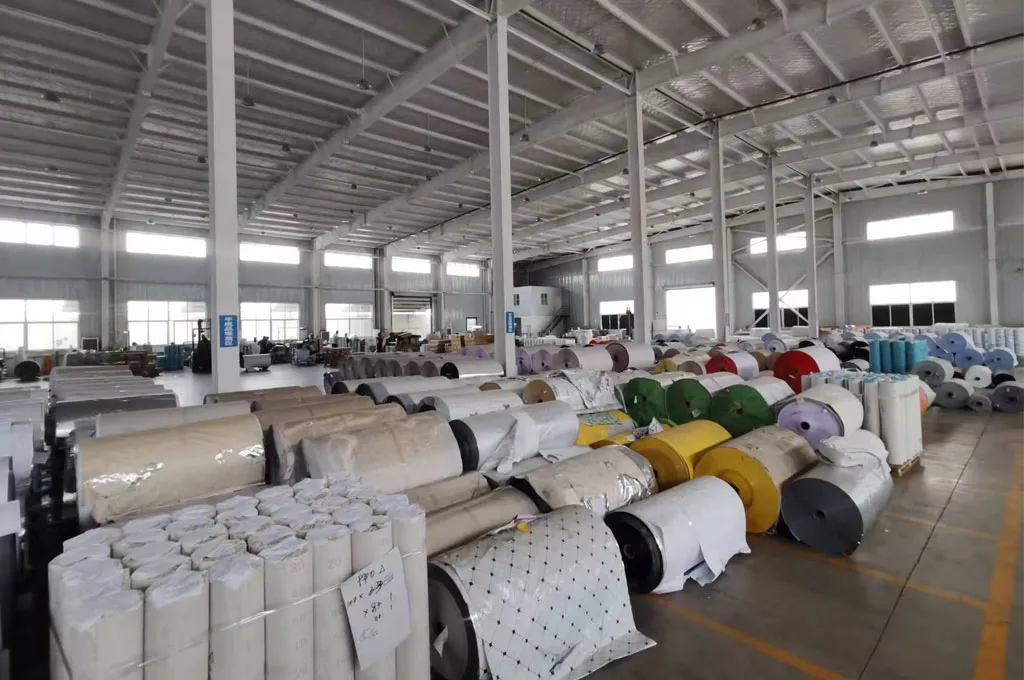
Consistency is the difference between a film that prints beautifully once and a film that performs reliably across every roll in production. A robust supplier manages quality from resin selection to calendering, printing, and slitting/packaging—reducing variation and improving delivery reliability. With full-process capability (calendering → printing → slitting → packing), the film’s thickness uniformity, surface condition, and winding quality can be controlled more tightly, which helps prevent issues like color drift, registration misalignment, tunneling, or edge damage during shipping.
Packaging and transport also matter. Each roll can be individually wrapped with dust-proof PE film or kraft paper and labeled with specifications for quick warehouse handling and traceability. For export shipments, moisture and impact protection reduce the risk of roll deformation and surface contamination—especially for films used in high-visibility packaging and promotional graphics.
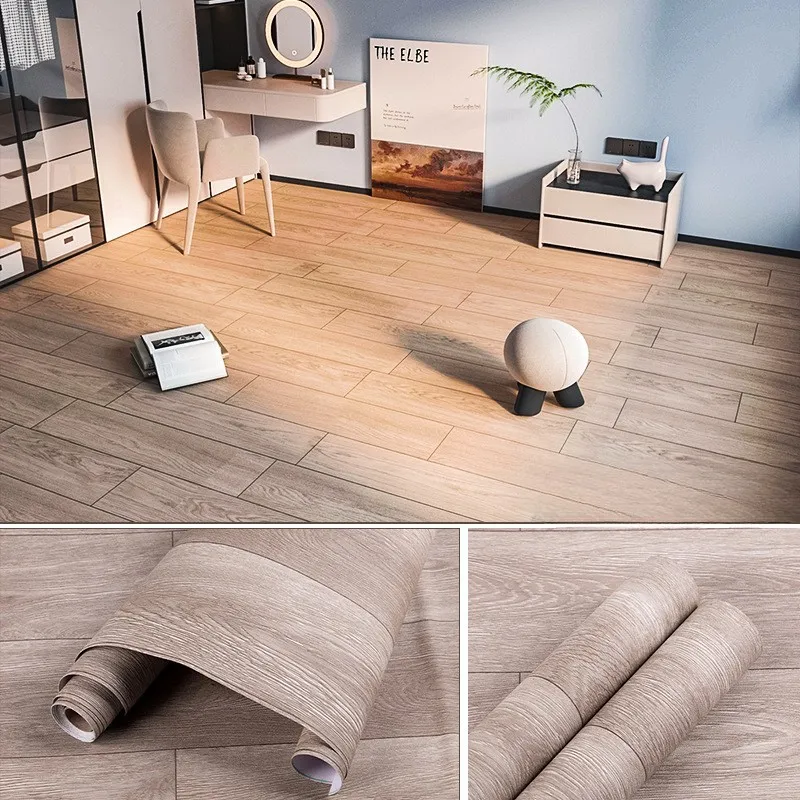
Many brands extend visuals beyond packaging into physical environments: shelves, counters, wall panels, pop-up corners, and display fixtures. Printed and decorative PVC films can unify brand identity across touchpoints while adding durability to surfaces that experience daily wear. For example, a retail shop may match the same wood tone and brand color across cabinetry, signage backdrops, and skirting panels. Materials such as wood grain film make it easier to achieve a consistent style without the cost and maintenance of real wood.
For high-traffic areas—stores, showrooms, offices—durability is as important as aesthetics. Decorative PVC films can be specified with suitable textures and protective surfaces that resist light scratches and simplify cleaning. This is especially useful for seasonal promotions, where brand visuals must look “new” for the entire campaign window.
If your film will be applied over corners, edges, or uneven substrates, confirm conformability and dimensional stability. If it will be cleaned often, request a surface designed for repeated wiping and mild chemicals.
For films used indoors or in frequent human contact scenarios, responsible material selection is essential. High-quality PVC film solutions can be produced with eco-friendly, non-toxic inks and controlled formulations that avoid heavy metals and certain restricted substances. If your product requires compliance documentation, it is common to request alignment with management systems and regulatory frameworks such as ISO 9001, ISO 14001, REACH, RoHS, and (where relevant) FDA requirements. Third-party test reports can be provided when needed for audits, tender submissions, or distributor onboarding.
The fastest way to get an accurate quotation and correct sampling is to define the end-use conditions and converting method first, then lock in material and print details. Below is a buyer-friendly spec outline you can copy into your request.
🧾 Recommended RFQ details:
If you are uncertain about the right starting point, you can browse a broader catalog and narrow down by surface and end-use. For example, use the main product directory at
https://pvcfilmtec.com/product/
and then request sampling based on your target finish and performance requirements.
For custom printed PVC film, delivery performance is closely tied to production control. When a manufacturer operates calendering, printing, and slitting/packing under one workflow, it becomes easier to maintain stable raw material supply, reduce handoffs, and respond quickly to design revisions or urgent replenishment. This “end-to-end” capability often results in more predictable lead times, tighter batch consistency, and better cost management—especially for projects requiring multiple SKUs, frequent repeat orders, or strict color matching over time.
OEM/ODM service also matters: you may need custom roll labels, unique packaging, special surface treatments, or color-matching support for brand standards. A supplier experienced in global exporting can also help optimize protective packaging for long-distance transport and provide documentation that simplifies customs and distributor requirements.
1) What is PVC film, and why is it used for printed applications?
PVC film is a thin polyvinyl chloride sheet. It is used for printed applications because it can deliver stable print surfaces, multiple finishes (gloss/matte/textured), and reliable durability for handling, wrapping, and labeling.
2) Can custom printed PVC film be tailored by thickness, width, and roll size?
Yes. Most projects specify thickness, width, roll length, and slitting requirements so the film runs smoothly on your printing and converting equipment.
3) What surface treatments are available for performance upgrades?
Common options include anti-static, anti-fog, food-grade coatings, and surface finishes such as glossy, matte, and embossed textures—selected based on the application environment.
4) Do you support small trials before mass production?
Often yes. Minimum order quantity depends on the film type and customization level, and many suppliers support sample rolls or small trial orders for validation.
5) How do I request samples or a quotation quickly?
Share the application, desired finish, thickness/width/roll size, artwork requirements, quantity, and any functional needs. With these details, sampling and pricing can be prepared more accurately and faster.