Address
304 North Cardinal St.
Dorchester Center, MA 02124
Work Hours
Monday to Friday: 7AM - 7PM
Weekend: 10AM - 5PM
Address
304 North Cardinal St.
Dorchester Center, MA 02124
Work Hours
Monday to Friday: 7AM - 7PM
Weekend: 10AM - 5PM



Custom solid soft touch PVC film has become a go-to surface material for brands and manufacturers that want a premium, “velvet-like” feel without sacrificing durability, process stability, or cost control. From modern furniture and interior panels to electronics packaging and retail fixtures, a solid-color soft-touch finish delivers a clean, minimal look that feels high-end in the hand.
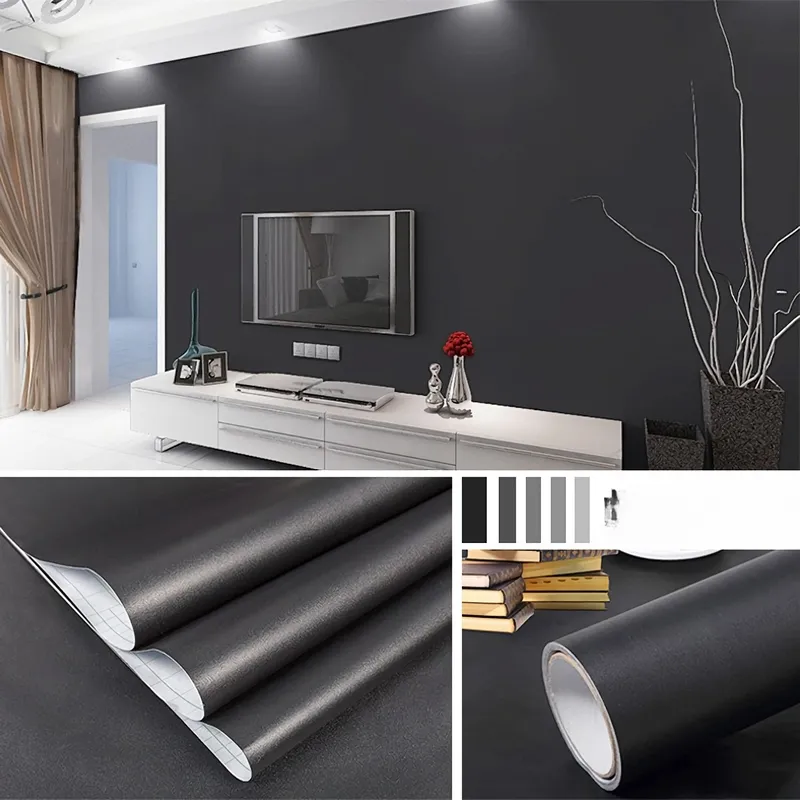
This guide explains what makes solid soft touch PVC film different, where it performs best, and how to select the right thickness—so your product looks consistent, installs smoothly, and lasts in real-world use.
Solid soft touch PVC film is a polyvinyl chloride film engineered with a soft-touch surface (typically a matte, low-gloss, tactile coating or embossed top layer) and a solid, uniform color throughout the decorative face. It is commonly produced as calendered film for stable thickness control and scalable output, then optionally printed, coated, embossed, or laminated depending on the target feel and performance.
Key idea:
Soft-touch is not only about matte appearance—it’s about tactile friction, warmth, and fingerprint resistance that changes how users perceive quality.
The “soft touch” sensation comes from the surface micro-structure and coating chemistry. Most designs target low gloss to reduce reflections and elevate solid colors (especially deep neutrals).
Soft-touch finishes are often chosen because they mask fingerprints better than high-gloss surfaces. Performance varies by formulation—dark solid colors need extra attention to anti-smudge behavior.
Soft-touch surfaces feel “warm” and grippy, but that can make them more sensitive to abrasion than hard gloss layers. The best films balance tactile softness with wear resistance using optimized coatings and top-layer hardness control.
Solid-color films demand stricter pigment and process control than patterned films because even slight shade drift is easy to notice. For OEM projects, batch-to-batch color consistency and controlled gloss are often top acceptance criteria.
For products used in interiors or human-contact environments, buyers commonly request documentation related to heavy metals, phthalates, and general chemical compliance. In professional supply chains, it’s normal to verify alignment with standards such as REACH, RoHS, and relevant management systems (e.g., ISO). Always confirm what certificates or test reports are needed for your market and end-use.
Solid soft touch PVC film is used anywhere a clean, modern aesthetic and premium feel can improve the user experience. Below are the most common categories, plus the performance traits that make soft-touch valuable.
In electronics and appliance-related applications, the film may be used for surface decoration, protection during production, or functional needs like anti-static (when specified). Selection focuses on clean removability (if temporary), surface durability, and visual uniformity under showroom lighting.
Soft-touch solids are popular for premium counters and displays because they photograph well and feel expensive. If your display is meant to be re-skinned seasonally, confirm the film’s compatibility with the intended substrate and adhesive system.
✔ Tip:
If your design needs both tactile softness and a distinctive pattern, consider combining a soft-touch solid palette with specialty textures such as
3D silk texture film
in the same product line for a cohesive but varied finish set.
Thickness is one of the most important specification levers because it affects conformability, hiding power, edge wrapping, dent resistance, and overall cost. The “right” thickness depends on your substrate, forming method, and wear expectations.
● Flat lamination (panel lamination):
Works well with a wide range of thicknesses; prioritize surface uniformity and scratch resistance.
● Wrapping (profiles, edges, post-forming):
Typically favors more conformable films; too thick can cause bridging on tight radii.
● Vacuum/press membrane processes:
Need stable elongation and heat response; thickness must match forming depth and corner geometry.
As geometry becomes more complex—tight corners, deep draws, sharp edges—film must stretch and recover without whitening, cracking, or texture distortion.
In general, thinner films conform more easily, while thicker films hide substrate imperfections better and feel more substantial.
If the substrate has minor imperfections (sanding marks, slight board fiber telegraphing, adhesive pattern risk), a thicker film can reduce “read-through.”
If your substrate is already smooth and stable, you can often use a thinner film to improve wrapping performance and reduce cost.
The soft-touch surface can be affected by thickness in indirect ways: thicker films may better protect the tactile layer from substrate telegraphing, while thinner films may show texture change if over-stretched during forming. For solid colors, it’s also important to confirm that gloss and shade stay consistent after processing (especially around corners and edges).
🏠 Home interior surfaces:
Choose thickness based on touch frequency (cabinet fronts vs. decorative panels) and cleaning habits.
🏢 Commercial spaces:
Higher abrasion risk suggests a more durable structure and robust coating; validate maintenance chemicals.
🧼 Healthcare/clean environments:
Prioritize cleanability and chemical resistance; request functional coatings if needed (anti-bacterial requirements depend on the project).
Thickness is only one variable. For OEM purchasing and consistent production results, confirm the full specification set below.
● Anti-static: useful for electronics-related uses and dust-sensitive environments.
● Anti-fog / easy-clean coatings: may be relevant for high-humidity or frequent-wipe applications.
● Food-contact requirements: if the film is used in food-adjacent areas, clarify compliance needs early.
A reliable QC routine protects both appearance and process yield. When evaluating samples or incoming rolls, focus on tests that correlate with your real production risks.
Soft-touch surfaces can be more sensitive to scuffing during handling. Export-ready packaging typically protects each roll with dust-resistant wrap and clear labeling, but your internal handling matters just as much.
Solid soft-touch is ideal when you want minimalist color plus a premium feel. If your design needs strong pattern realism (e.g., stone or marble), you may compare against decorative pattern films.
For example, a high-end interior concept may combine soft-touch solids with a statement panel in marble film for contrast.
Choose solid soft touch when tactile experience, low-gloss calmness, and premium perception are priorities.
Choose glossy or patterned décor films when maximum visual impact, high reflectivity, or natural material imitation is the main goal.
Most soft-touch films are designed for routine wiping, but cleaning performance depends on the coating. Confirm chemical resistance against the cleaners used in your market, especially for dark solid colors where “polishing marks” can show.
Many cabinet door applications use a mid-range thickness for balanced hiding power and process stability, but the best choice depends on whether you flat-laminate or wrap edges, plus your corner radius and expected wear.
Soft-touch can be more sensitive than hard gloss surfaces, but performance varies widely by topcoat design. Ask for abrasion/scratch test data and validate with production trials on your actual substrate and process.
Yes—OEM/ODM customization commonly includes thickness, width, roll length, color matching, surface texture, and optional treatments such as anti-static or easy-clean, depending on the project.
Evaluate under consistent lighting, perform a small lamination/forming trial, check gloss/color uniformity before and after processing, and test cleaning with the same products your end users will apply.