Address
304 North Cardinal St.
Dorchester Center, MA 02124
Work Hours
Monday to Friday: 7AM - 7PM
Weekend: 10AM - 5PM
Address
304 North Cardinal St.
Dorchester Center, MA 02124
Work Hours
Monday to Friday: 7AM - 7PM
Weekend: 10AM - 5PM


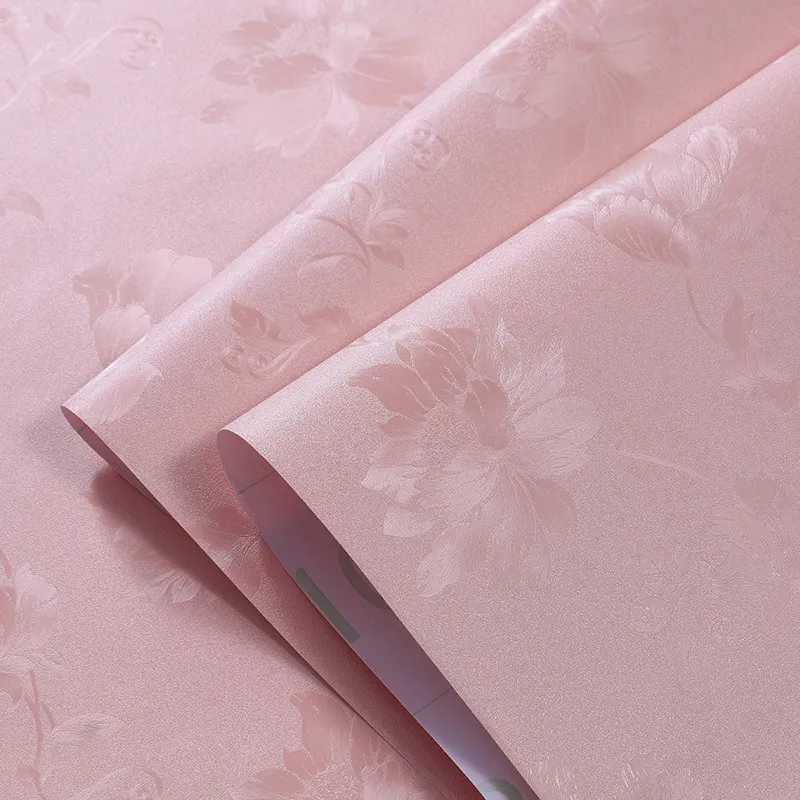
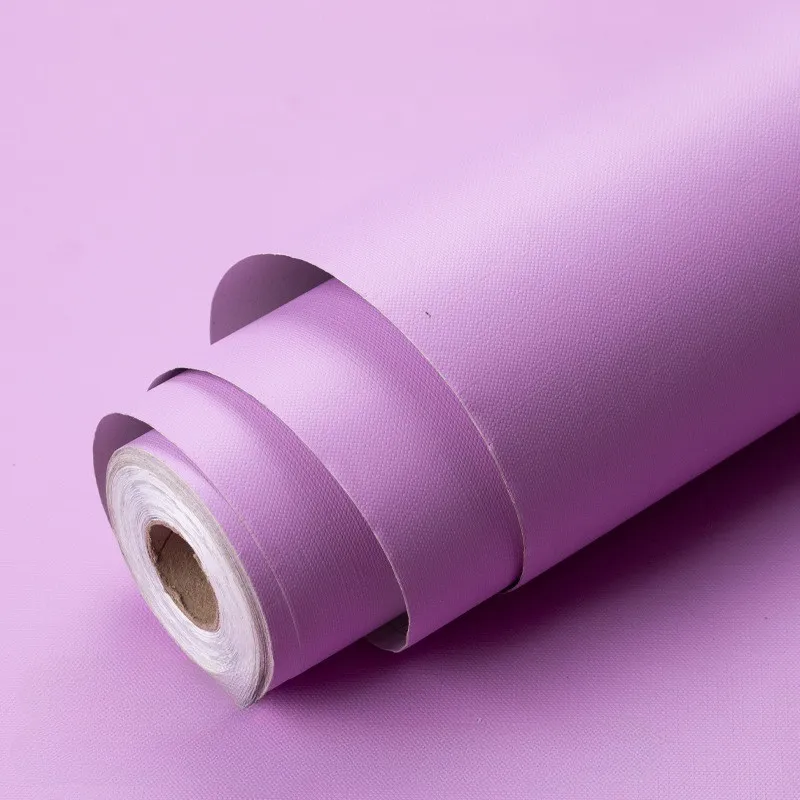
In modern packaging and lamination, materials are expected to do more than “cover and protect.” Brands want a premium hand-feel, converters need stable processing, and end users demand durability, safety, and consistent color. A custom solid soft touch PVC film answers these needs with tailored colors, controlled thickness, and selectable surface finishes—helping you achieve a refined look while keeping production efficient.
Key idea:
Soft-touch PVC film is engineered to feel smooth and “velvety” while maintaining the mechanical strength needed for lamination and packaging conversion.
By customizing color, thickness, and finish, you can align aesthetics, performance, and cost with your exact application.
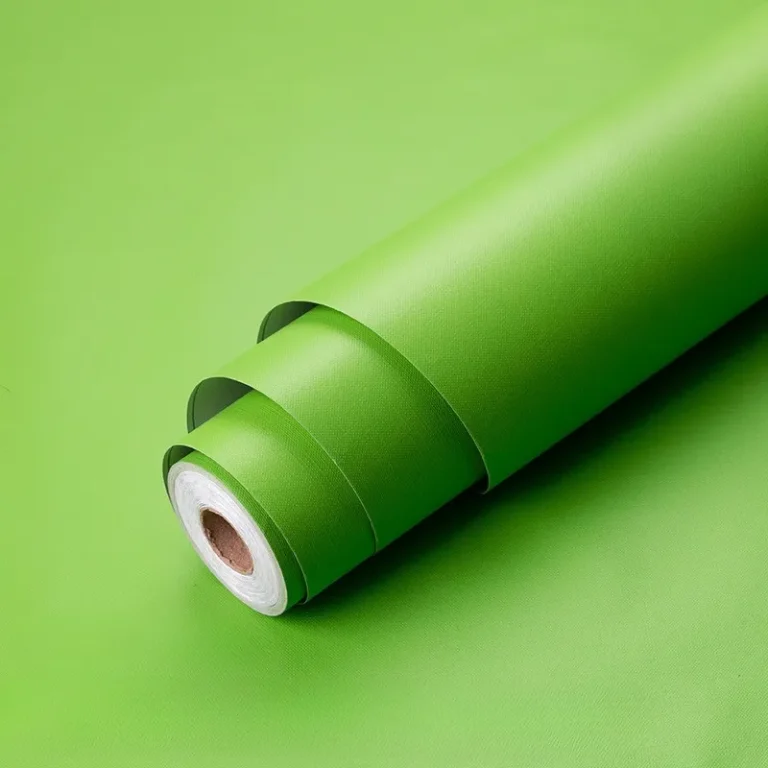
Solid soft touch PVC film is a polyvinyl chloride film designed with a tactile surface that feels soft and premium in the hand. “Solid” typically refers to a uniform color (rather than printed patterns), making it ideal for minimalist packaging, branded stationery covers, premium cartons, book covers, protective wraps, and laminated surfaces where color accuracy matters.
Depending on your product requirements, the film can be supplied as calendered film with consistent thickness control, and can be converted into rolls optimized for your laminator, coating line, or wrapping machine. If you’re comparing base film options, you can review our calendered structures here:
Calendered Film.
Soft-touch is not just a “nice to have.” It can influence perceived value, shelf appeal, and repeat purchase behavior. In retail packaging, a soft, matte surface often signals premium quality. In lamination, soft-touch finishes can reduce glare and fingerprints while supporting sharper design contrast.
✔ Brand perception:
Soft-touch packaging is commonly associated with high-end cosmetics, electronics accessories, gift boxes, and limited editions.
✔ Visual comfort:
Matte/soft-touch surfaces lower reflections, helping colors and typography stay readable under strong retail lighting.
✔ Handling benefits:
The surface can be tuned to reduce visible fingerprints and minor scuffs during distribution and display.
Customization isn’t only about looks. The right combination of color, thickness, and surface finish determines how the film behaves during lamination, die cutting, wrapping, and long-term use. At Pulivk Film, we support OEM/ODM requirements with in-house calendering, printing, and slitting/packaging lines, enabling tighter process control and consistent batch-to-batch quality.
Solid color films are often used as a direct brand identifier—especially on packaging sleeves, rigid box wraps, book covers, and premium laminated boards. We can support custom color matching so you can maintain consistency across product lines and seasons. You can also explore solid-color decorative applications here:
Solid Color Wallpaper.
For packaging, color consistency is influenced by the resin system, pigment dispersion, calendering stability, and surface finish. If you need a specific look (for example, deep black with low haze or a “warm” neutral), we’ll recommend a finish that protects your color intent under store lighting.
Tip for buyers:
When requesting a sample, share your target use (wrapping vs. flat lamination), the substrate (paperboard, MDF, aluminum composite, etc.), and the lighting environment (retail shelf, office, showroom). This helps us recommend a surface that keeps your solid color stable and attractive.
Thickness affects stiffness, conformability, and how the film runs on equipment. Too thin, and you may see telegraphing from the substrate or reduced coverage; too thick, and you may lose flexibility around edges or increase cost unnecessarily. With calendered production, we can maintain stable thickness for smoother lamination and predictable yield.
Typical selection logic:
The “surface finish” is where aesthetics and usability meet. We can supply soft-touch surfaces with controlled gloss levels and optional texture effects—ranging from clean matte to micro-embossed styles that elevate the tactile experience and help hide handling marks.
Soft-touch matte:
Premium feel, reduced glare, excellent for upscale packaging and laminated boards.
Embossed / textured:
Adds depth and improves scratch masking; can imitate fabric-like tactility for high-end designs.
For an example of texture-forward styling, see:
3D Silk Texture Film.
Functional coatings:
Options such as anti-static, anti-fog, and food-grade coatings can be integrated based on your application and compliance requirements.
Solid soft-touch PVC film can be configured for many converting workflows. Below are common scenarios where customers choose this material for both visual value and practical performance.
Used for rigid boxes, gift sets, and presentation packaging where the first touch matters. Soft-touch surfaces can enhance a minimalist design without adding complex print layers. When paired with proper adhesives and lamination parameters, the film can maintain a clean, uniform look over corners and edges.
For display panels, branded fixtures, and protective covers, thickness stability supports flatness and reduces defects like waviness or uneven bonding. If you also source films for interior finishing components, you may find complementary solutions like:
PVC Skirting Film.
Depending on the formulation, PVC film can provide durability, abrasion resistance, and process stability. For workflows needing controlled static performance (electronics packaging zones, clean packaging rooms), we can recommend anti-static surface treatments.
Soft-touch films are also selected for household-facing laminated surfaces where comfort matters—like protective wraps, decorative laminations, and lifestyle goods. If your product line extends into flooring-related surfaces, explore:
Floor Film.
Packaging and lamination buyers typically evaluate films by the number of issues they don’t cause: fewer thickness variations, fewer surface defects, fewer color shifts, and fewer bonding surprises on the line. Pulivk Film focuses on process completeness—calendering, printing, and slitting/packaging—so each stage is aligned with quality targets.
For packaging and lamination—especially for consumer-facing goods—compliance and material safety are part of the purchasing decision. Our PVC films are designed to meet demanding environments and can be supplied with supporting documentation for quality systems and regulatory needs. We use environmentally friendly, non-toxic inks where printing is involved, and our material options can be aligned with standards such as ISO systems and relevant chemical compliance requirements.
If you are building an internal approval checklist, focus on:
A good specification prevents delays and ensures the sample you receive reflects the final production intent. When contacting us, consider providing the details below. If you need a faster path, you can also use our contact channel here:
Contact.
① Appearance
Solid color target (Pantone/RAL/sample), gloss level, texture preference (smooth vs. micro-embossed), and tactile “softness” expectation.
② Dimensions
Thickness, width, roll length, core size, and winding direction requirements for your laminator or wrapping machine.
③ Process & performance
Lamination method, substrate type, target adhesion level, and optional treatments (anti-static, anti-fog, food-grade coating).
We support both trial orders and scaled production. MOQ depends on the film type and customization complexity, but our system is designed to help new projects move quickly from concept to stable supply. Samples can be arranged for evaluation on your line, and we can adjust details after you validate lamination temperature, pressure, speed, and cutting performance.
For export shipments, rolls are packaged to reduce moisture and handling damage. Each roll can be individually wrapped and labeled to speed up receiving inspection and warehouse management.
Reminder for converters:
If your lamination line is sensitive to surface energy or bonding windows, share your adhesive type and process temperature range. We’ll recommend a surface/structure that improves stability and reduces rework.
Q1: Can I customize both the soft-touch feel and the gloss level?
Yes. We can tune the surface finish (soft-touch matte, low-gloss, or textured) to match your desired tactile feel and visual appearance.
Q2: What thickness should I choose for packaging lamination?
It depends on your substrate, corner-wrapping needs, and durability targets. Share your application details, and we’ll recommend a thickness range suitable for your converting process.
Q3: Do you offer functional coatings like anti-static or food-grade options?
Yes. Optional treatments include anti-static, anti-fog, food-grade coatings, and other functional surface solutions based on your end-use requirements.
Q4: How do you ensure consistent quality across batches?
We apply multi-step QC from raw materials to finished rolls, including thickness and surface checks, batch traceability, and packaging/labeling control for shipment readiness.
Q5: Can you ship internationally and support export packaging?
Yes. We export to multiple regions worldwide and provide export-ready packaging with moisture and damage protection, plus air/sea freight options.