Address
304 North Cardinal St.
Dorchester Center, MA 02124
Work Hours
Monday to Friday: 7AM - 7PM
Weekend: 10AM - 5PM
Address
304 North Cardinal St.
Dorchester Center, MA 02124
Work Hours
Monday to Friday: 7AM - 7PM
Weekend: 10AM - 5PM


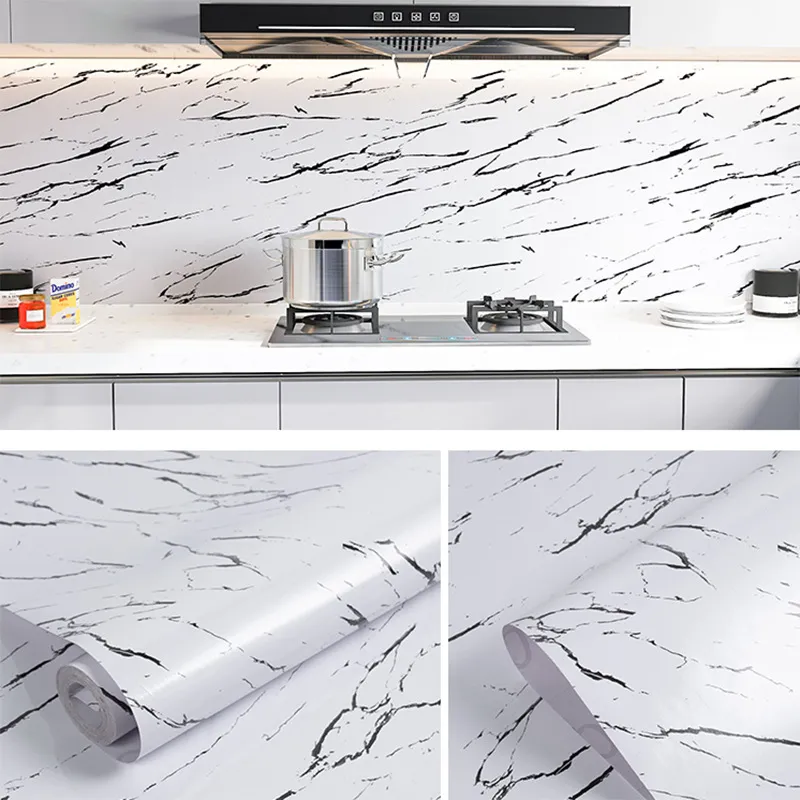
Customized fabric PVC film is a practical way to combine the tactile comfort of textiles with the rugged protection of vinyl lamination. For manufacturers and converters producing upholstery, bags, and outdoor covers, the right PVC-film-to-fabric structure can deliver waterproofing, abrasion resistance, easy cleaning, and stable appearance across daily wear, transport, and weather changes.
This guide explains how fabric-backed or fabric-laminated PVC film works, what to customize, and how to select a specification that fits your product line—whether you need soft-touch seating, durable tote bags, marine-grade covers, or heavy-duty protective tarps.
Fabric PVC film typically refers to PVC film laminated or bonded to a fabric layer (polyester, cotton, TC blend, nonwoven, or specialty fabrics). The PVC side provides a sealed barrier and surface performance; the fabric side adds tear strength, dimensional stability, and a sewable/processable backing.
Key idea: The best results come from matching PVC formulation + surface finish + lamination method to the fabric type and end use.
Compared with many coated textiles or basic films, PVC film offers an adjustable performance window: hardness can be tuned from flexible to semi-rigid; surface can be made glossy, matte, embossed, or soft-touch; and functional additives can improve real-world durability.
✔ Practical benefits buyers notice immediately
Many upholstery and cover materials start with calendered PVC film, valued for stable thickness control, smooth running, and consistent surface appearance. After calendering, the film is bonded to fabric using suitable adhesive systems or thermal lamination—selected according to flexibility, bonding strength, and end-use exposure.
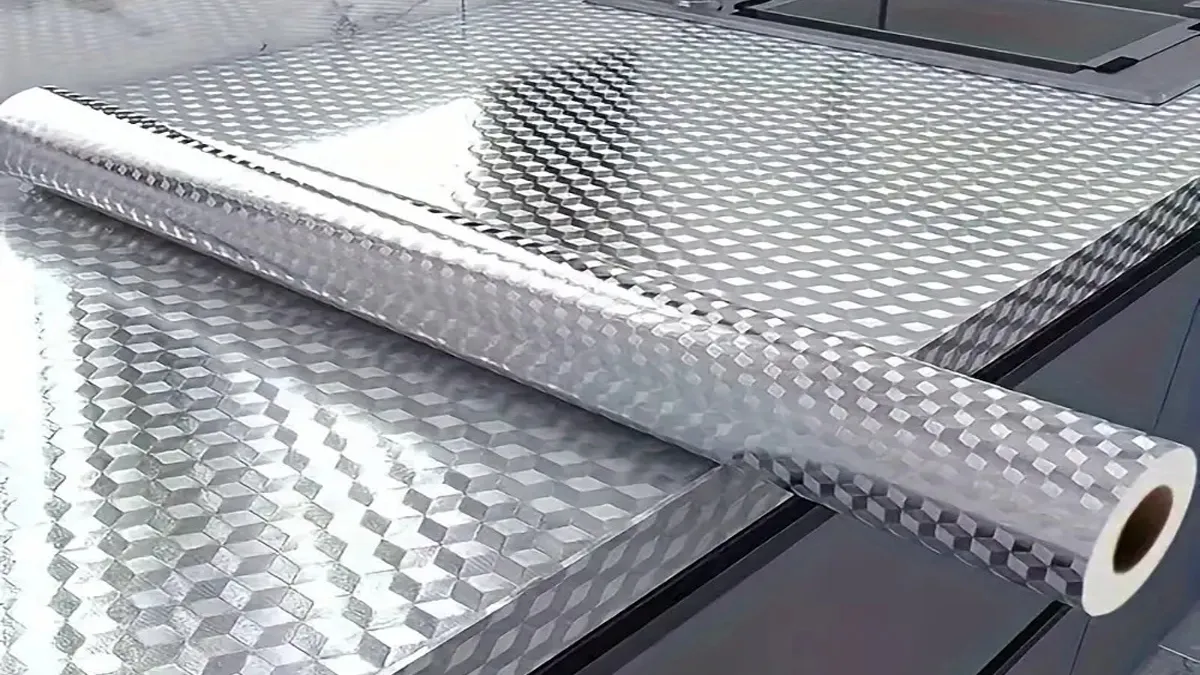
Textures can significantly improve both aesthetics and performance. An embossed surface can hide scratches, reduce glare, and provide better grip for bags and outdoor covers. For premium interiors, textile-like patterns such as 3D silk texture film can mimic woven depth while keeping a wipe-clean vinyl surface.
Depending on requirements, constructions may include multiple PVC layers (for print protection, barrier, or enhanced tear performance) or a topcoat that improves stain resistance and reduces tackiness. For outdoor applications, UV stabilizers and anti-fungal considerations become more important.
“Customized” should mean more than choosing a color. For reliable mass production, define the performance targets, test methods, and processing needs—then lock in the specification.
Upholstery is where “feel” and “cleanability” must coexist. A well-designed fabric PVC film can support daily wiping, resist common stains, and keep its appearance under repeated friction—while still remaining comfortable to the touch.
For projects that coordinate wall panels, cabinet skins, or trims with seating, using consistent decorative film families can simplify color matching and improve the overall interior style. For example, neutral palettes and low-glare finishes work well for hospitality and office environments, while bold solids may suit retail seating and themed venues.
Bags require a different balance: scuff resistance, crease recovery, and edge durability can matter more than soft seating feel. Depending on the design, you may need a surface that keeps its look after folding, rubbing against clothing, or exposure to rain during commuting.
✔ Bag-focused performance points
If your bag line includes interior reinforcement panels or decorative trims, you can also consider complementary films (wood grain, marble, metallic) to create a premium look with manageable cost and consistent production.
Outdoor covers face the harshest conditions: UV exposure, rain, temperature swings, and dirt. A good cover material must remain waterproof, keep flexibility, and resist cracking—especially at folds and stitched corners.
For outdoor environments that include frequent cleaning (dust, pollen, salt air), embossed or lightly textured surfaces can help reduce visible scratches while maintaining a professional appearance over multiple seasons.
The surface is what your customer touches and sees. Beyond performance, the right style can increase perceived value and help your products stand out in crowded categories.
For upholstery and consumer-facing goods, material safety and consistency are not optional. If you sell across multiple markets, clarify the compliance targets early—especially for indoor applications and products in frequent skin contact.
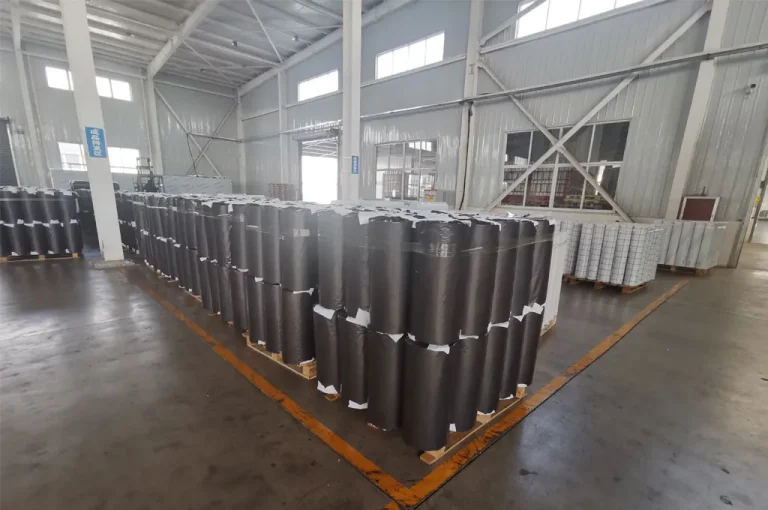
Fabric PVC film quality depends not only on formulation, but also on process control. A supplier with integrated calendering, printing, and slitting/packaging can reduce variation, shorten lead times, and keep pricing competitive—especially when you need multiple SKUs or frequent color updates.
Pulivk Film focuses on PVC film R&D and manufacturing, supplying calendered and decorative film series for furniture, construction & decoration, electronics, advertising, medical/cleanroom, and home products. With full-process production (from raw materials to finished rolls), OEM/ODM customization can be aligned to your thickness, width, color, printing, and packaging requirements.
What this means for buyers: better control over adhesion consistency, pattern alignment, roll-to-roll color stability, and delivery schedule.
If you want to understand PVC film categories and selection logic in more depth, you can also browse the knowledge resources at
https://pvcfilmtec.com/knowledge/.
Sampling is where many projects succeed or fail. To avoid delays, specify your target use case and test the sample the same way your factory will process the final goods.
For quotations, samples, OEM/ODM discussions, and MOQ/lead time details, use the official contact channel:
https://pvcfilmtec.com/contact/.
Q1: Is fabric PVC film the same as coated fabric?
Not exactly. Many products are “coated,” but fabric PVC film often refers to a PVC film layer that is laminated/bonded onto fabric. The structure and bonding method affect flexibility, durability, and seam behavior.
Q2: How do I choose between glossy and matte finishes?
Matte/embossed generally hides scratches and fingerprints better (great for bags and public seating). Glossy can look premium and vivid but may show wear more quickly in high-abrasion areas.
Q3: What thickness should I use for upholstery vs. outdoor covers?
Upholstery often prioritizes comfort and fold performance, while outdoor covers prioritize barrier strength and puncture resistance. The best thickness depends on fabric reinforcement, exposure, and seam design—sampling and targeted tests are recommended.
Q4: Can I request OEM/ODM customization for color, texture, and packaging?
Yes. Common OEM/ODM options include width, roll length, color matching, printing, surface texture, and export-ready packaging with labeled specifications.
Q5: Do you support small trial orders before mass production?
MOQ depends on the product type and customization level. Many suppliers support trial sampling and smaller pilot runs before scaling; share your target spec and quantity to confirm feasibility.