Address
304 North Cardinal St.
Dorchester Center, MA 02124
Work Hours
Monday to Friday: 7AM - 7PM
Weekend: 10AM - 5PM
Address
304 North Cardinal St.
Dorchester Center, MA 02124
Work Hours
Monday to Friday: 7AM - 7PM
Weekend: 10AM - 5PM


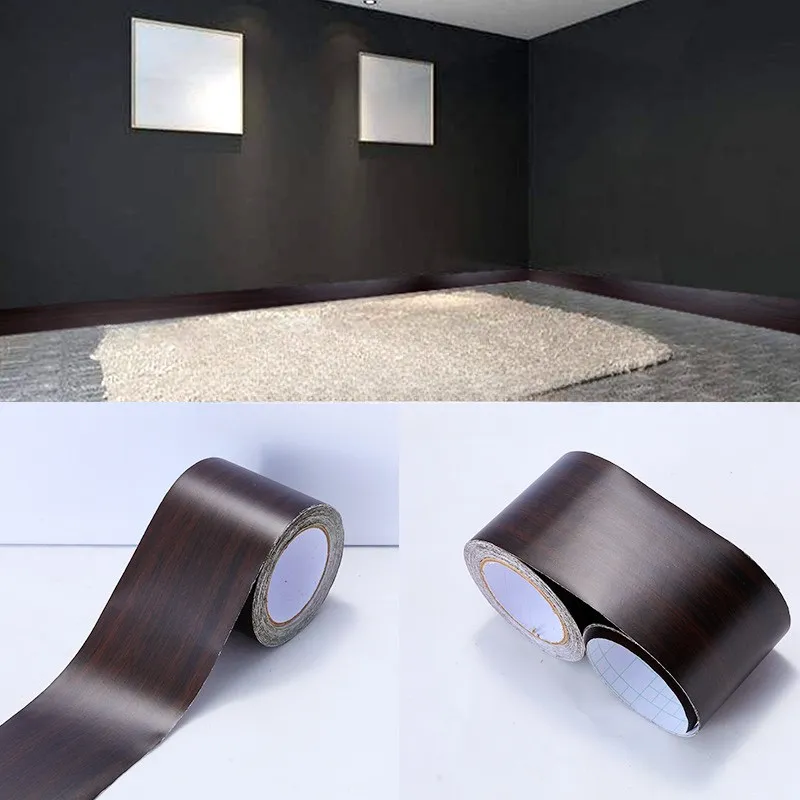
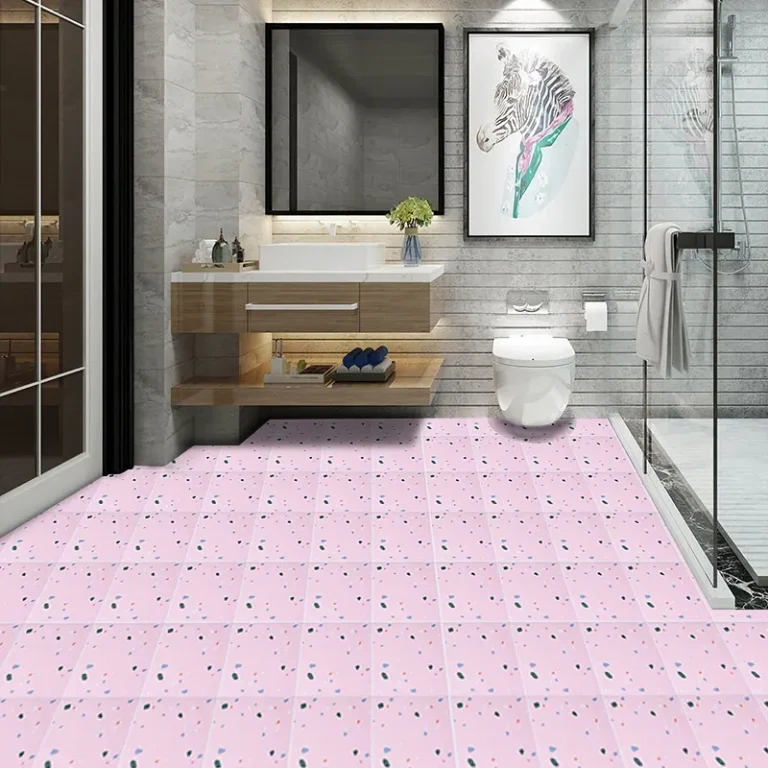
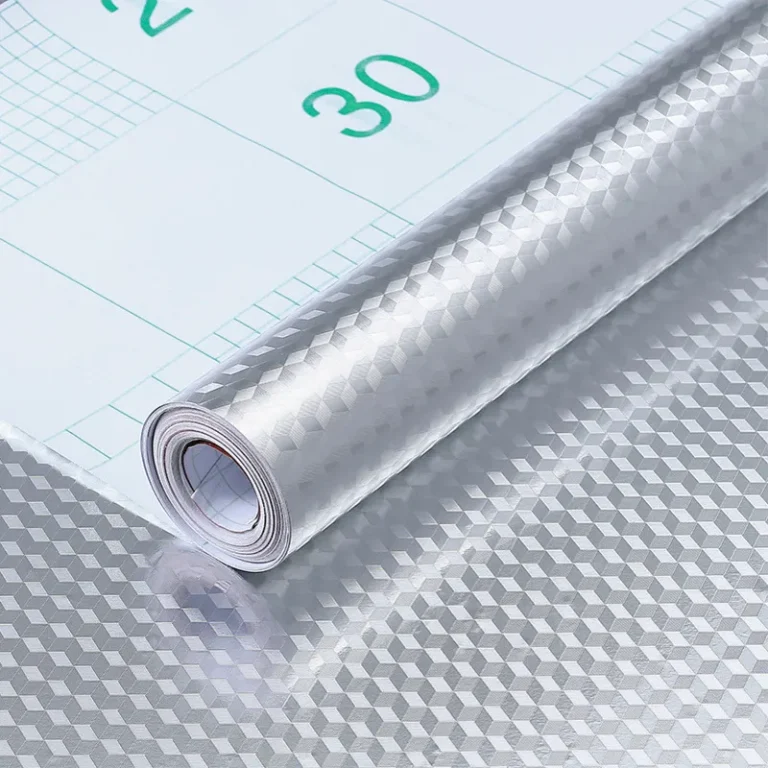
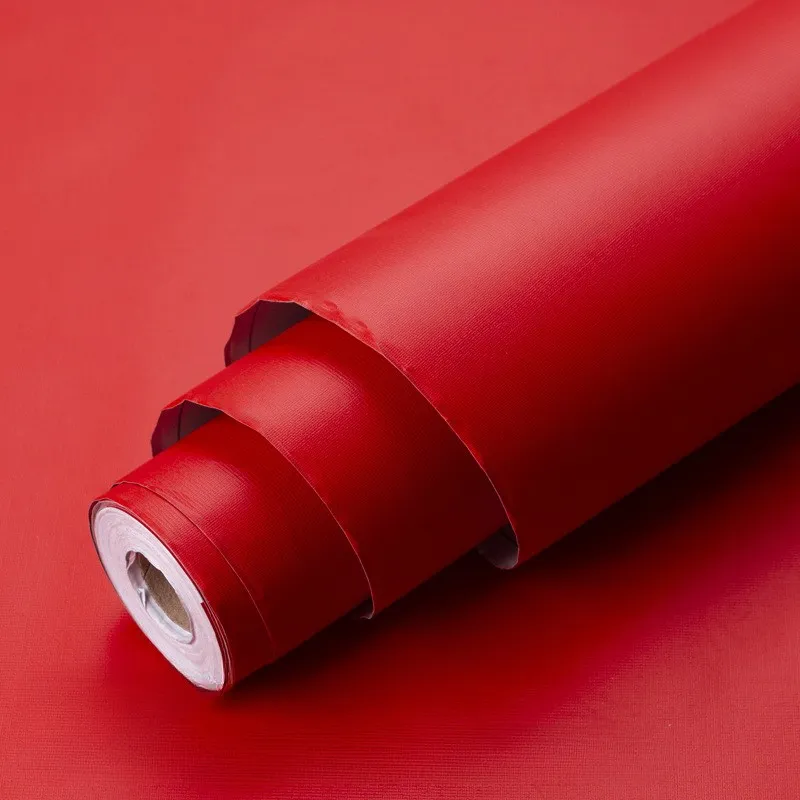
Solid soft-touch PVC film is a premium surface material designed to deliver a smooth, velvety hand-feel while maintaining the durability needed for packaging, lamination, and decorative applications. When you customize it—by size, color, and finish—you gain tighter control over brand consistency, converting speed, and end-use performance. This is especially important for fast-moving consumer packaging, furniture panels, and protective lamination where the surface must look refined and feel comfortable in daily contact.
✔ Key idea:
Soft-touch is not only a “nice feel.” It is a functional surface that can be engineered for scuff resistance, gloss control, and stable lamination—so your product stays attractive from production to end-user handling.
“Customized” goes beyond choosing a color. In manufacturing, it typically includes a coordinated set of specifications:
thickness range, roll width, roll length, core size, surface finish, and functional coatings (such as anti-static or easy-clean, if required). For converters, printers, and laminators, this alignment reduces waste, improves run stability, and helps maintain repeatable appearance across different batches.
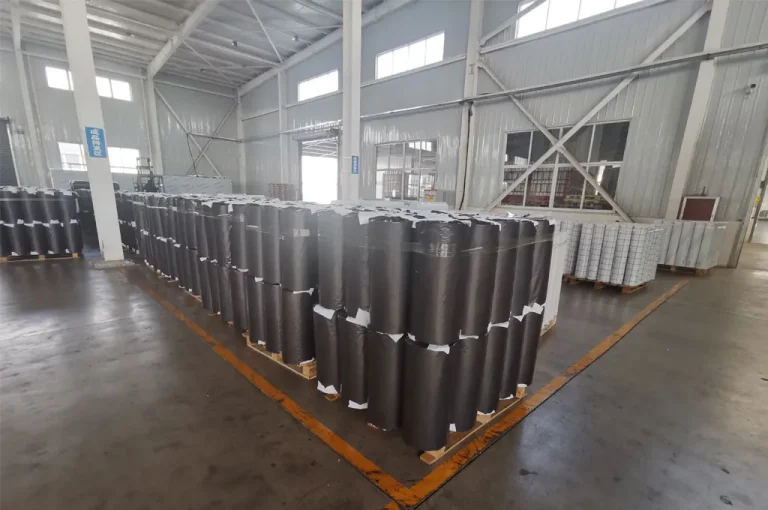
At Pulivk Film, a full in-house workflow—calendering, printing, and slitting/packaging—makes it easier to keep these variables under control and shorten lead times. If you are comparing base film options, you can also review the related Calendered Film category to understand the foundation material that many soft-touch solutions build on.
Sizing is one of the fastest ways to improve efficiency. When film width and roll build match your laminator or wrapping system, you reduce edge trim, roll changes, and tension issues. In soft-touch applications, good tension control is particularly important because overly tight winding can create pressure marks, while inconsistent thickness can cause uneven gloss or “feel” across the web.
⚙ Production tip:
If your lamination line runs high speed, request consistent roll hardness and edge quality. These details often matter as much as thickness for avoiding wrinkles, telescoping, and tracking problems.
Solid colors look simple, but they are demanding. A “plain” black, navy, or beige will expose batch-to-batch shifts immediately under store lighting or in a showroom. Soft-touch surfaces also alter perception: the same pigment can look different when the finish is matte, velvet, or satin due to light scattering and micro-texture.
Most packaging and lamination programs focus on a tight palette: neutrals (white/black/gray), warm tones (cream, taupe), and brand colors (deep blue, red, green). Custom matching can be performed against:
Pantone references, physical swatches, or a previously approved roll sample.
If you need a wall-covering style solid color surface rather than a lamination web, you may also compare with
Solid Color Wallpaper
to understand differences in texture, backing, and installation use-cases.
Finish selection is where soft-touch PVC film becomes a strategic material choice. A finish is not only visual; it influences
fingerprint visibility, scratch perception, cleanability, and lamination bonding behavior.
For packaging and decorative lamination, the most commonly requested finish direction is low gloss to ultra-matte, paired with a stable, pleasant tactile feel.
For projects where a more tactile decorative look is desired (beyond plain solid color), see
3D Silk Texture Film
for texture-driven options that can complement soft-touch programs.
Solid soft-touch PVC film is widely used where appearance must stay consistent and where people frequently touch the surface. Depending on your structure (single-layer, multi-layer composite, or laminated), it can serve as an exterior layer for protection and aesthetics, or as a decorative layer over boards and panels.
📦 Packaging lamination
Used for premium wraps, protective outer layers, and special packaging where the unboxing experience and hand-feel influence perceived value.
🧱 Decorative surface lamination
Applied to MDF, plywood, PVC boards, and other substrates for furniture, partitions, panels, and display fixtures requiring a refined matte look.
🛡 Protective films & liners
Used as surface protection during transport/installation when you need a consistent finish plus mechanical resistance.
If your project is related to interior trims and edges, you can also explore
PVC Skirting Film
for coordination ideas in the same color family (useful when designers want matching walls, panels, and baseboards).
Soft-touch surfaces can be engineered to meet specific operational environments. Electronics packaging may require
anti-static characteristics; medical/cleanroom use may prioritize low-odor materials and cleaner handling; retail packaging may focus on
fingerprint resistance and scuff reduction.
Pulivk Film also supports optional surface treatments such as anti-fog, food-grade coatings, and other functional coatings as needed.
🔍 Quality & compliance focus:
Materials can be provided to meet common expectations such as REACH, RoHS, and management systems like ISO 9001 / ISO 14001. For regulated projects, confirm the target market and required test reports during quotation.
A clear development workflow reduces risk, especially for soft-touch films where tactile expectation is subjective and must be confirmed by hand. Pulivk Film supports OEM/ODM customization covering
specifications, color matching, printing, and packaging方案 (roll wrapping, labels, and export readiness).
Consistency is a major purchasing driver because solid colors and matte tactile finishes show variation more easily than patterned films. Pulivk Film’s advantage is full-process production control—calendering, printing, and slitting/packaging—so key variables can be stabilized without relying on multiple outside vendors.
Share application, thickness, width, roll length, color reference, and finish target.
For quicker processing, you can reach the team through the official
Contact
page and attach photos/videos of the surface you want to match.
Before you approve bulk production, confirm the film not only “looks right,” but also converts well on your equipment and remains stable through shipping and handling. Use this checklist to reduce surprises.
PVC film is a thin sheet made from polyvinyl chloride used for decorative, industrial, and packaging purposes. Soft-touch versions add a premium tactile surface and help control glare and fingerprints, improving perceived quality in packaging and laminated products.
Yes. Customization commonly includes thickness, width, roll length, slitting, and finishes (matte/velvet/satin) plus optional treatments such as anti-static, anti-fog, or food-grade coatings depending on your application.
MOQ depends on the product type, specification complexity, and color/finish requirements. Many projects can start with trial orders; confirm details during quotation.
Consistency is supported through full-process production control, defined color references, strict QC checks (including thickness and surface evaluation), and batch traceability. For best results, approve a master sample and keep lighting conditions consistent during evaluation.
Yes. Rolls are typically wrapped individually with dust-proof PE film or kraft paper and labeled with specifications, then packed with moisture and damage protection suitable for international shipping.