Address
304 North Cardinal St.
Dorchester Center, MA 02124
Work Hours
Monday to Friday: 7AM - 7PM
Weekend: 10AM - 5PM
Address
304 North Cardinal St.
Dorchester Center, MA 02124
Work Hours
Monday to Friday: 7AM - 7PM
Weekend: 10AM - 5PM


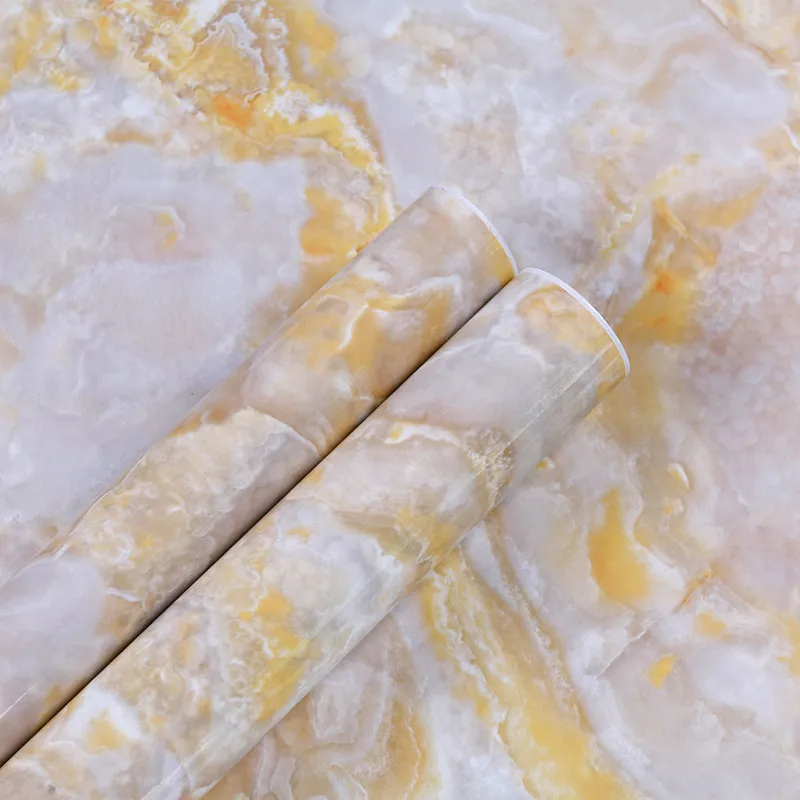
Decorative PVC film is a versatile surface material used to upgrade the look, feel, and durability of everyday products—without the cost and maintenance of natural wood, stone, or metal. From furniture panels and doors to wall cladding and retail fixtures, it delivers consistent patterns, reliable protection, and fast installation across residential and commercial spaces.
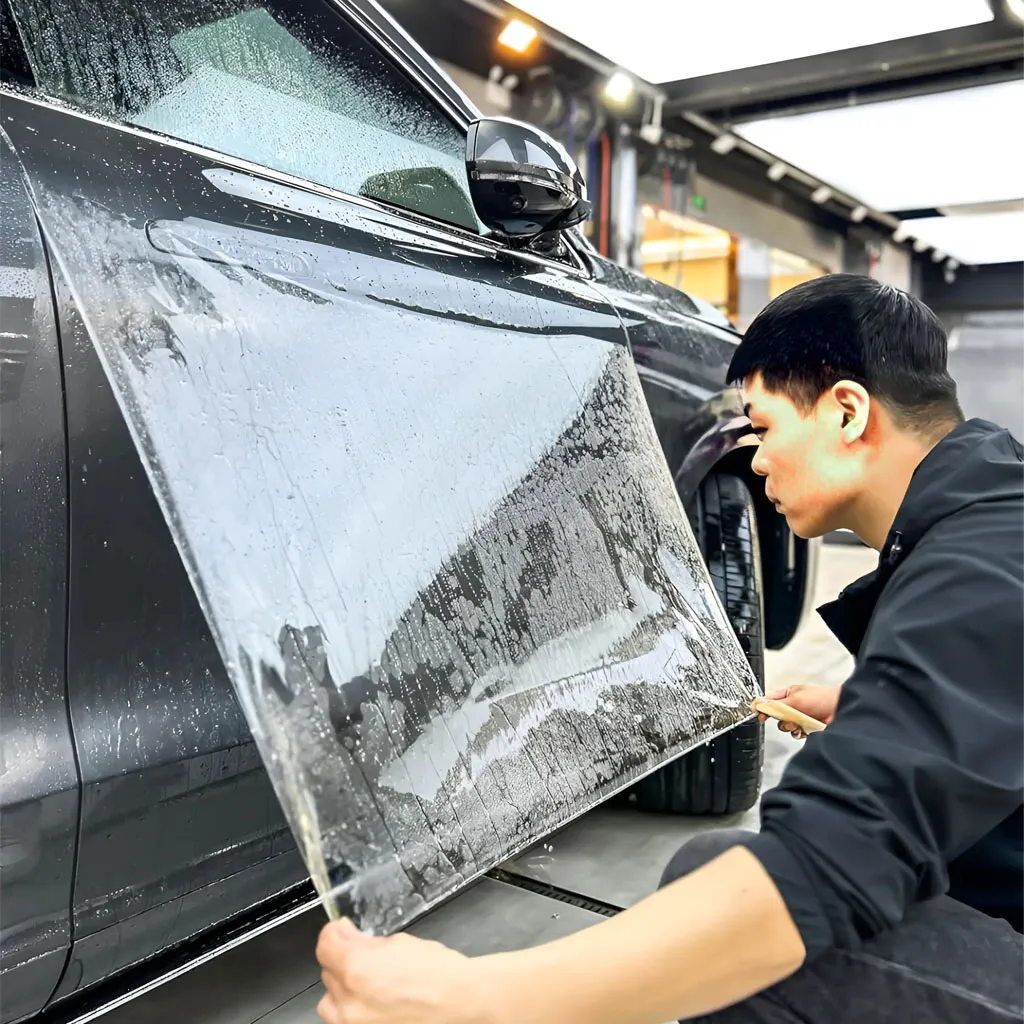
Key idea:
Decorative PVC film is not “just decoration.” It can also add scratch resistance, moisture protection, stain resistance, easy cleaning, and functional coatings (e.g., anti-static, anti-fog) depending on the specification.
Decorative PVC film is a thin sheet made from polyvinyl chloride that is designed to cover or laminate onto a substrate such as MDF, particleboard, plywood, metal, glass, acrylic, or composite panels. The film can be produced in many surface appearances—wood grain, marble, solid colors, textile textures, metallic effects, and 3D embossed patterns—then applied using lamination, wrapping, hot pressing, vacuum pressing, or self-adhesive methods.
In modern manufacturing, many decorative PVC films are produced via calendering and printing for stable thickness and consistent visuals. If you’re comparing base materials, explore calendered film as a common foundation for decorative and industrial-grade solutions.
Used on cabinet doors, wardrobe panels, desk tops, and shelving to create wood, matte, or glossy finishes with better day-to-day practicality.
Popular options include wood grain film for natural aesthetics and
glossy wardrobe film for high-shine contemporary interiors.
Ideal for hotels, offices, retail stores, and residential renovations where consistent color and texture matter. Solid-color solutions can be used for
clean, minimalist walls—see solid color wallpaper as a related option for uniform interior coverage.
Decorative film can wrap skirting, trims, and molded profiles, helping match floors and walls while improving resistance to scuffs in high-traffic areas.
For this niche, PVC skirting film is commonly selected for its balance of appearance and abrasion performance.
In commercial and residential projects, PVC films can be engineered for flooring layers, protective overlays, or surface protection needs.
When exploring film designed for this category, start with floor film to understand typical structures and use cases.
Common decorative series: wood grain, marble/stone grain, solid color, cloth grain, metallic, brushed texture, pearlescent, artistic textures, and 3D embossed designs.
For statement interiors (boutiques, hotel lobbies, feature walls), textured options such as 3D silk texture film can add tactile depth while remaining easier to maintain than real fabric panels.
Choosing decorative PVC film is easiest when you treat it like a performance specification—not only a color decision. The best finish depends on where it’s used, how it’s cleaned, what it touches, and what your production line requires.
Substrate flatness and cleanliness directly affect the final appearance—especially with glossy surfaces.
If your board has minor imperfections, a matte or embossed finish typically hides them better than high gloss.
Tip: for high-gloss wardrobe panels, specify tighter substrate tolerances and consistent adhesive coating to avoid “orange peel” texture.
To prevent production issues, align your film specification with your lamination or wrapping process:
Decorative PVC film succeeds when it supports the way people use a room. For example, in busy family kitchens, a mid-to-deep matte wood grain often feels warmer and hides fingerprints better than a mirror gloss. In commercial interiors, a stone or marble look can create a premium impression, but the best results come when the lighting plan and panel seams are considered early—because reflective finishes amplify joins and surface waviness.
Not all PVC films are made to the same standard. For interior decoration and human-contact scenarios, many buyers require materials free of heavy metals and phthalates, plus documentation aligned with ISO management systems and regulations such as REACH and RoHS. If your project touches food areas or healthcare environments, confirm the needed test reports and clarify cleaning chemicals, sterilization routines, and expected service life.
If you’re sourcing decorative PVC film at scale, OEM/ODM customization helps align the film with your product identity and your manufacturing conditions. Common custom options include thickness, width, roll size, emboss type, gloss level, color matching, pattern development, and packaging. For global supply chains, export-ready packaging and consistent batch control are equally important to reduce complaints and speed up repeat orders.
Decorative PVC film is designed for surface finishing: it focuses on appearance (printed/embossed textures) plus protective performance. “Regular” PVC sheets are often thicker and used more as structural or industrial sheets rather than decorative surfacing layers.
Yes, when the right specification is chosen. Prioritize moisture resistance, stain resistance, and proper edge sealing around sinks, showers, and wet corners.
Matte is typically better for hiding fingerprints and small substrate imperfections. Glossy creates a stronger “premium shine” but requires higher substrate flatness and cleaner installation to avoid visible defects.
Yes. Typical OEM/ODM customization includes thickness, width, emboss, gloss level, color/pattern matching, and packaging—so the film fits both your design and production process.
Test adhesion on your real substrate, forming/wrapping behavior, color under your lighting, and chemical resistance for your cleaning routine. Trial rolls reduce risk before mass production.