Address
304 North Cardinal St.
Dorchester Center, MA 02124
Work Hours
Monday to Friday: 7AM - 7PM
Weekend: 10AM - 5PM
Address
304 North Cardinal St.
Dorchester Center, MA 02124
Work Hours
Monday to Friday: 7AM - 7PM
Weekend: 10AM - 5PM


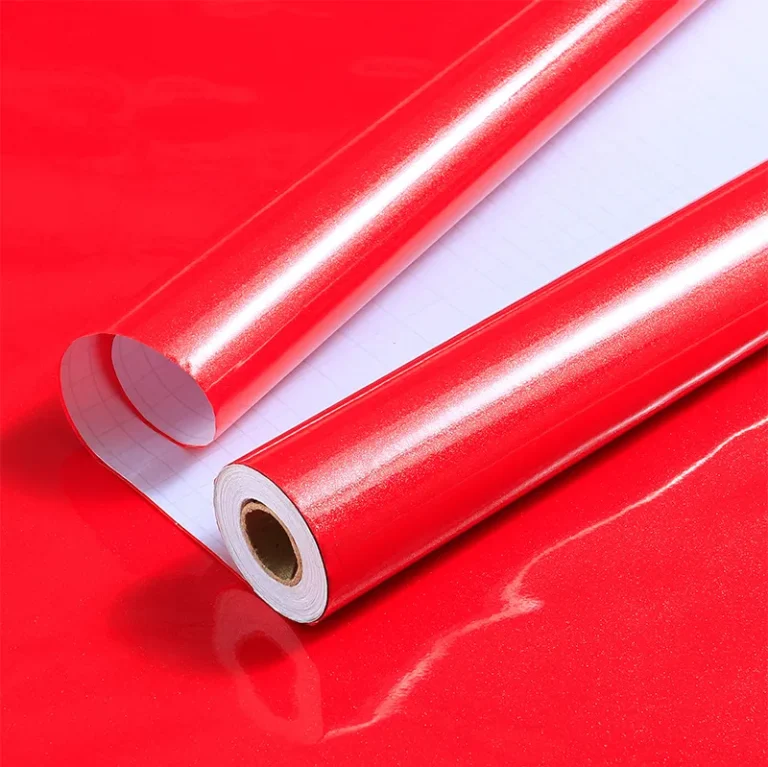
Discount laser PVC film is one of the smartest ways to upgrade packaging and labeling without upgrading your cost. When you choose the right laser-grade PVC film—matched to your printing method, cutting process, and end-use—you get sharp graphics, clean edges, and durable performance across retail packaging, promotional labels, protective wraps, and product identification.
Key takeaway:
“Discount” should never mean “unreliable.” The best deals come from stable calendering, consistent thickness, tight QC, and practical OEM options (sizes, printing, and packaging) that reduce waste and rework.
In packaging and label workflows, “laser PVC film” commonly refers to PVC film that performs well in laser-related processes such as laser cutting, laser marking (in specific constructions), or laser-assisted converting where precise edges and dimensional stability matter. The film’s surface and body must stay consistent under fast production speeds, maintain flatness for feeding/lamination, and deliver predictable results during cutting and finishing.
For custom packaging and labels, PVC film is often selected for its balance of clarity, toughness, chemical resistance, and formability. With the right spec, it can be printed, laminated, die-cut, slit, and packaged efficiently—especially when supplied in stable rolls with consistent thickness.
Many high-value “discount” offers are built on calendered production—ideal for controlling thickness, surface quality, and output volume. A supplier with integrated calendering, printing, and slitting can reduce middle costs and keep lead times stable, which is often where your real savings come from.
Recommended starting point:
If you need reliable base film for converting, review calendered options like
Calendered Film
to align thickness range, surface finish, and roll build with your equipment.
“Best size” depends on your converting line, label width, and how you nest shapes for minimal scrap. Discount pricing is often tied to standard widths and optimized roll lengths—so the sweet spot is selecting a size that reduces trimming and changeovers.
✔ For premium labels:
Choose a smooth, stable surface for crisp printing and cleaner die-cut edges.
✔ For packaging overlays:
Consider tougher constructions that resist scuffing and handling damage.
✔ For visual impact:
Embossed/texture options can elevate shelf appeal while hiding minor scratches.
Discount laser PVC film is widely used when you need strong visual branding plus real-world durability. Below are high-value applications where the right film spec improves both performance and production efficiency.
PVC films can deliver strong ink holdout and resistance to moisture and abrasion—useful for cosmetics, household goods, personal care, and electronics accessories. If you need consistent barcode readability, choose a film with stable thickness and a print-friendly surface so contrast stays uniform across batches.
For packaging that sees frequent handling (shipping, retail stacking, or in-store displays), PVC film helps protect graphics and surfaces. Consider finishes that balance glare control and clarity—matte can reduce reflections under store lighting while glossy can maximize color pop.
If you’re creating premium gift boxes, promotional sets, or boutique packaging, textured PVC films offer tactile differentiation. A popular option is fabric-like texture for a “soft premium” feel:
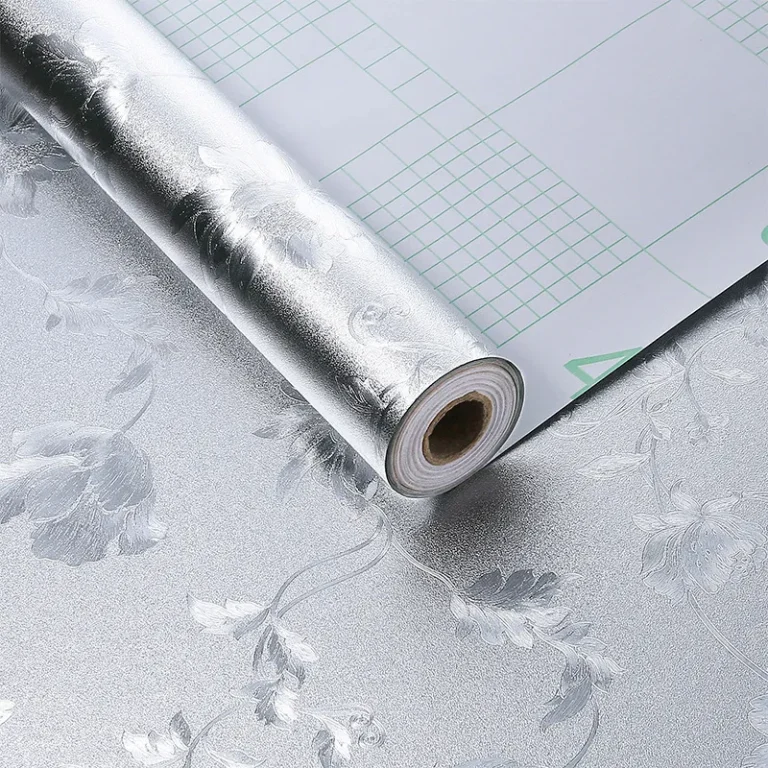
3D Silk Texture Film.
This type of surface can also hide fingerprints and light scuffs better than ultra-gloss finishes.
In electronics, appliance parts, and general industrial packaging, PVC films can be specified for anti-static needs, protection during transport, and clean handling. If your workflow includes automated feeding and high-speed slitting, consistency in roll hardness and edge quality becomes a major cost saver.
The lowest price per roll can become the highest cost per finished label if you face curling, uneven thickness, print defects, or inconsistent adhesion/lamination results. Strong suppliers build discounts through process control, bulk planning, and smart packaging—not by cutting critical QC.
➤ Thickness tolerance: Ask how it’s measured and tracked by batch.
➤ Surface consistency: Confirm gloss/matte level and printability for your inks.
➤ Slitting & roll build: Clean edges, correct core size, stable winding tension.
➤ Packaging protection: Dust-proof wrapping and labeled specs to avoid mix-ups.
➤ Lead time: Reliable scheduling matters more than a small unit discount.
Customization should reduce your total manufacturing cost—by improving run stability, minimizing waste, and simplifying downstream converting. A capable OEM/ODM partner can tailor PVC film by thickness, width, roll length, surface finish, color/pattern, printing, and packaging method.
Note:
If you also source decorative companion materials for bundled projects, you can explore related surfaces such as
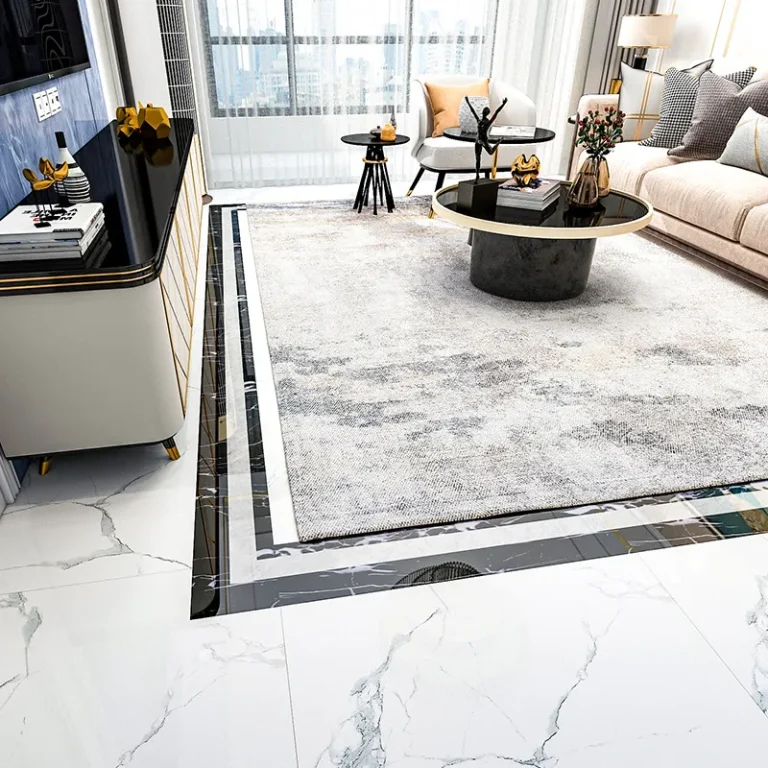
Marble Film
or
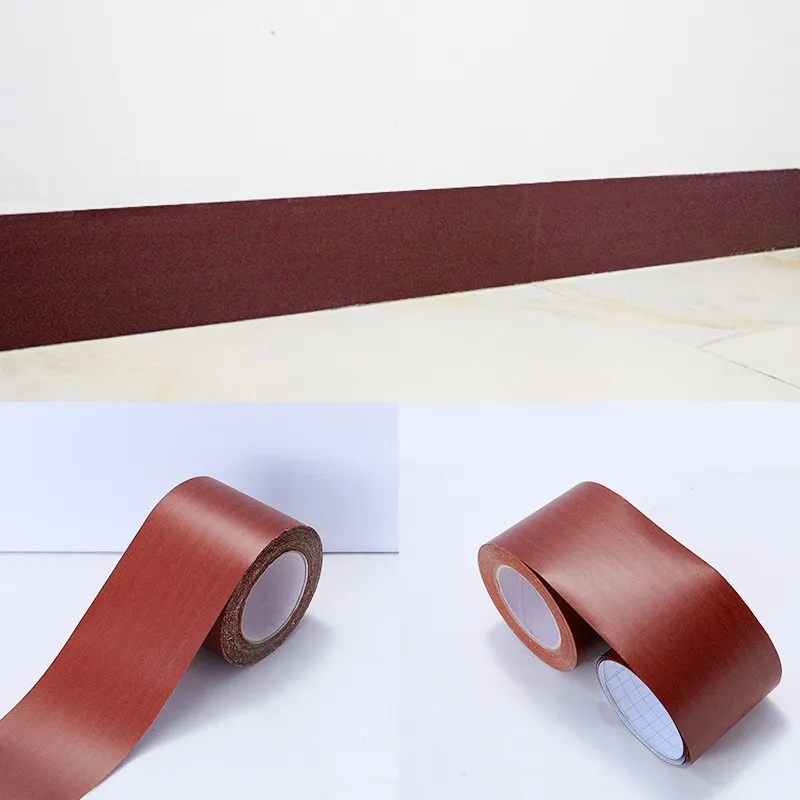
Wood Grain Film
to keep visual themes consistent across packaging, displays, and retail fixtures.
For packaging and labels—especially when used indoors, near consumers, or in regulated channels—material safety and documented compliance can be as important as print performance. Ask your supplier about testing and standards alignment, and request reports when required by your market.
• Batch traceability: helps you re-order the same performance level.
• Physical checks: thickness, tensile strength, dimensional stability, and surface uniformity.
• Converting checks: cutting behavior, winding stability, and roll edge quality.
• Optional third-party verification: useful for large retail or brand audits.
The fastest way to secure a strong discount is to provide a quote request that reduces back-and-forth. Include your converting details, target use, and any non-negotiables (finish, thickness tolerance, packaging method). When your supplier can plan production accurately, you benefit from more efficient scheduling and better unit pricing.
For product browsing, specs, and categories, you can also start at
Product
and then confirm the exact roll build and finishing details in your RFQ.
Discount purchasing works best when you’re preventing hidden costs. Most issues come from mismatched film specs—so prevention is mainly about clear requirements and small validation steps before scaling.
⚠ Buying by price only: You may pay more in downtime, reprints, and scrap.
⚠ Ignoring roll packaging: Dust contamination and edge damage can destroy print quality.
⚠ Skipping sample validation: Always test printing, cutting, and lamination on your own line.
⚠ Not confirming lead time: A low quote is useless if stockouts delay your shipments.
PVC film is a thin sheet made from polyvinyl chloride. It’s popular because it balances durability, print performance, and surface options (clear, matte, glossy, embossed) for many packaging and labeling uses.
Smooth, consistent films (often calendered) are commonly chosen for labels because they help maintain stable printing and clean converting. The best type depends on your printing method and required finish.
Yes. Many manufacturers offer OEM/ODM options including thickness, width, roll length, finish, patterns, and export-ready packaging to match your converting line and brand requirements.
MOQ varies by film type and customization level. Some suppliers support small trial orders before scaling to full production.
Request samples, run printing and cutting tests on your own equipment, and confirm thickness tolerance, roll build, packaging method, and any required compliance documentation.