Address
304 North Cardinal St.
Dorchester Center, MA 02124
Work Hours
Monday to Friday: 7AM - 7PM
Weekend: 10AM - 5PM
Address
304 North Cardinal St.
Dorchester Center, MA 02124
Work Hours
Monday to Friday: 7AM - 7PM
Weekend: 10AM - 5PM


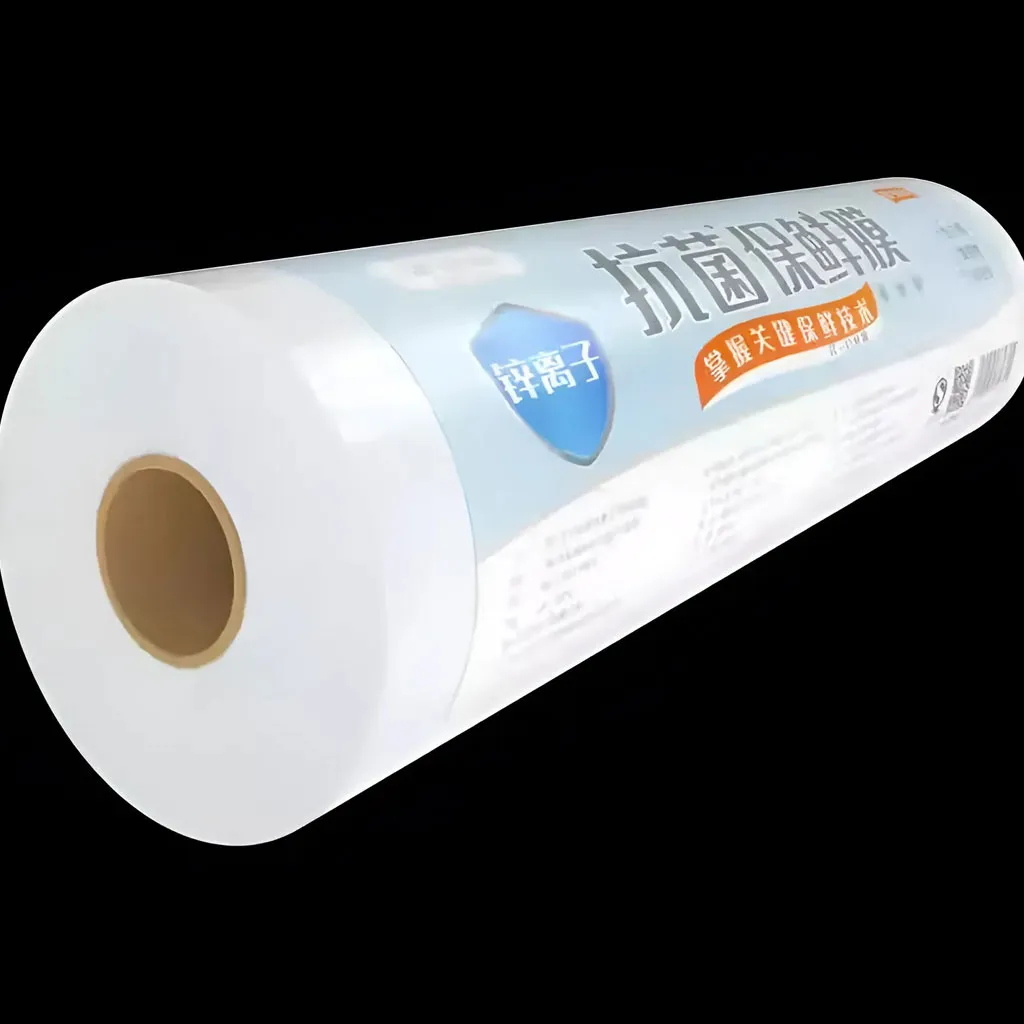
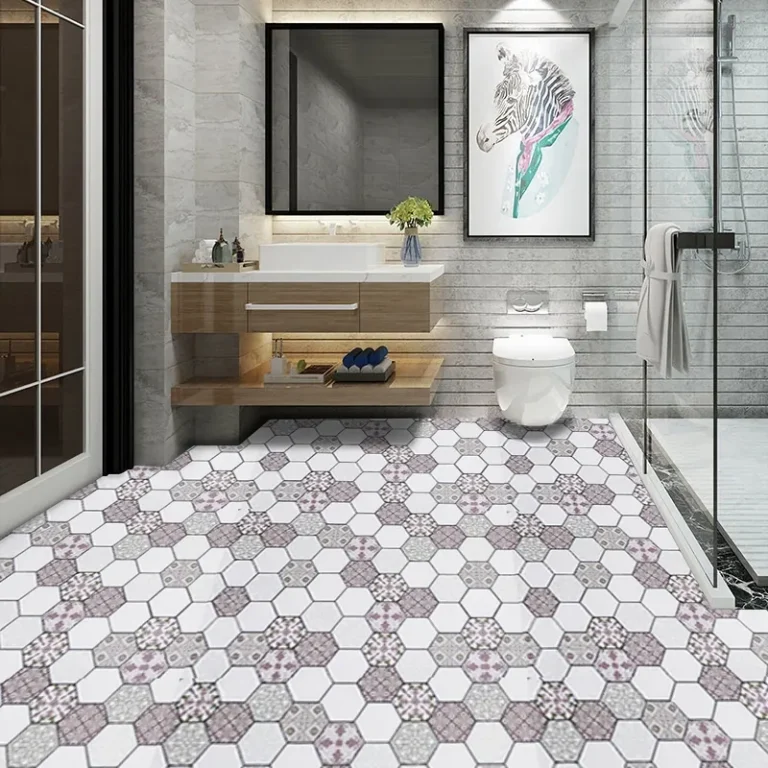
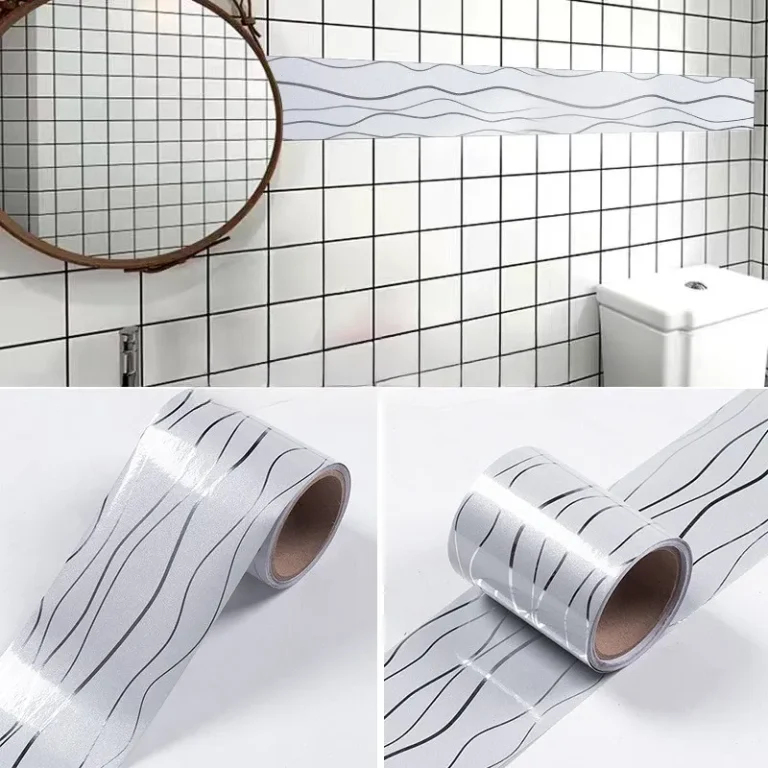
PVC film is everywhere — from kitchen protective films and flooring stickers to medical isolation sheets — so it’s natural to ask: does PVC film have antibacterial properties? This guide explains what standard PVC can and cannot do, how antibacterial films are made and tested, and practical tips for selecting and maintaining films for homes, hospitals, and food-related spaces.
PVC (polyvinyl chloride) film is a flexible thermoplastic sheet available in clear, matte, textured, and printed finishes. Common uses include surface protection, decorative wall and furniture films, kitchen anti-oil films, floor stickers, and specialty medical films. Its popularity comes from low cost, durability, waterproofing, and ease of printing.
Plain PVC resin does not have intrinsic antibacterial activity. Unmodified PVC surfaces can host bacteria and fungi like most non-antimicrobial plastics. To claim antibacterial properties, manufacturers must add active agents or apply antimicrobial coatings during production. Those treated products can reduce or inhibit bacterial growth, but effectiveness depends on the agent, concentration, application method, and surface wear.
Several approaches can make PVC film antibacterial. Each has trade-offs in durability, safety, and cost:
| Additive / Technology | Mechanism | Pros | Cons |
|---|---|---|---|
| Silver ions / nanoparticles | Disrupts cell membranes, enzymatic systems | Broad-spectrum, proven | Cost, regulatory oversight, potential discoloration |
| Copper-based | Direct contact kills microbes | Durable, fast-acting | Aesthetic change, higher weight/price |
| QACs / surface coatings | Disrupts membranes; contact-killing | Cost-effective, easy to apply | Wear-off over time; may need reapplication |
Reputable antibacterial films are tested to standard laboratory methods such as ISO 22196 or JIS Z 2801, which measure reduction of viable bacteria on surfaces under controlled conditions. Look for lab reports showing log reduction values against common bacteria (e.g., E. coli, S. aureus). Note that tests are carried out in idealized settings and real-world performance may differ.
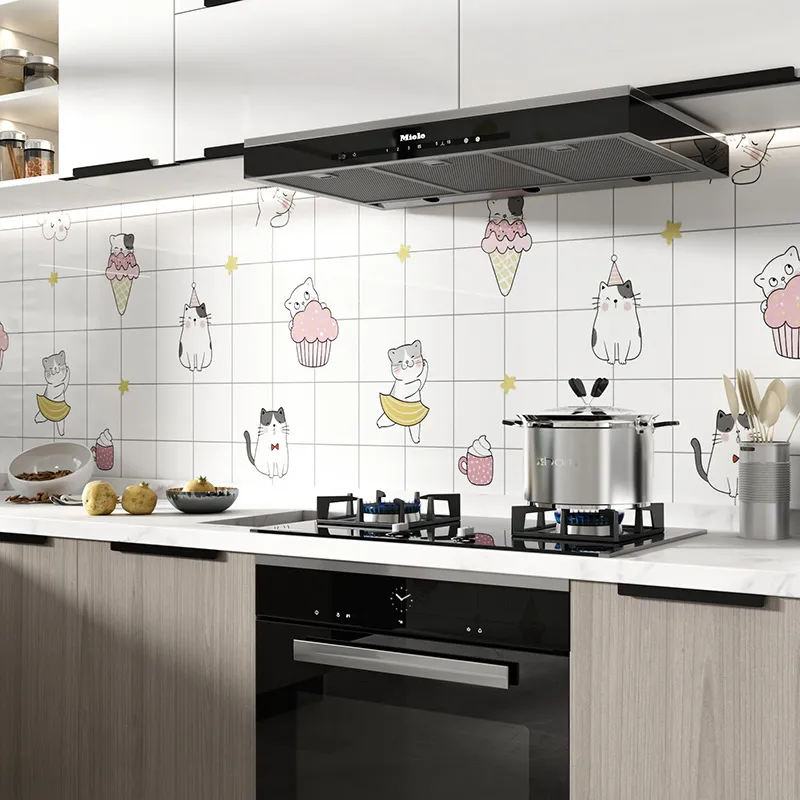
Even treated PVC films have limits: surface abrasion, heavy cleaning, abrasion from furniture or foot traffic, and chemical wear can reduce antimicrobial effectiveness. Migration of active agents, regulatory limits (REACH, EPA, etc.), and potential environmental impact should be considered. Antibacterial film supplements hygiene but does not replace regular cleaning, disinfection, and good practices.
Clean treated films with mild detergents and soft cloths. Avoid abrasive pads and aggressive solvents that can scrape off coatings. Replace or reapply films in high-wear zones when efficacy drops. Keep records of cleaning frequency if used in professional settings.
Are antibacterial PVC films safe? Most are safe when formulated and certified correctly. Always review safety data and regulatory compliance.
Do they protect against viruses like COVID-19? Standard antibacterial treatments target bacteria; antiviral performance requires specific antiviral agents and testing. Do not rely on antibacterial film alone for virus prevention.
How long do they last? Lifespan varies widely — from months for light coatings to years for embedded agents. Durability depends on the additive and surface wear.
Pulivk (Henan Pulivk New Materials Co., Ltd.) operates full in-house PVC film production lines — including calendering, printing, and split-packaging — and can supply custom antibacterial film solutions with test documentation upon request. https://pvcfilmtec.com/