Does PVC High-Gloss Film Turn Yellow? Causes, Prevention, and Durability Guide

PVC high-gloss film is a popular choice for cabinets, furniture wraps, and decorative surfaces—but a frequent concern is whether the shiny finish will yellow over time. This guide explains the real causes of yellowing, simple prevention and maintenance, how long different gloss films typically last, and what to look for when buying or specifying high-gloss PVC film.

Does PVC High-Gloss Film Turn Yellow?

Short answer: It can, but not always. Yellowing is not an automatic failure of all PVC films—it’s usually caused by specific chemical or environmental factors. With proper formulation (UV stabilizers, antioxidants) and correct installation/maintenance, modern high-gloss PVC films can retain color and gloss for many years.

Common Causes of Yellowing

  • UV exposure: Prolonged sunlight breaks down additives and polymer chains, causing color shifts.
  • Heat and thermal aging: High temperatures accelerate chemical reactions that lead to yellowing.
  • Plasticizer migration: Some softeners move to the surface or into adhesives, altering appearance.
  • Poor stabilizers or low-grade raw materials: Films without adequate UV/thermal stabilizers are more vulnerable.
  • Contamination: Smoke, cooking oils, or chemical vapors can deposit residues that create a yellow cast.
  • Reaction with coatings or adhesives: Solvent-based adhesives or incompatible topcoats can trigger discoloration.

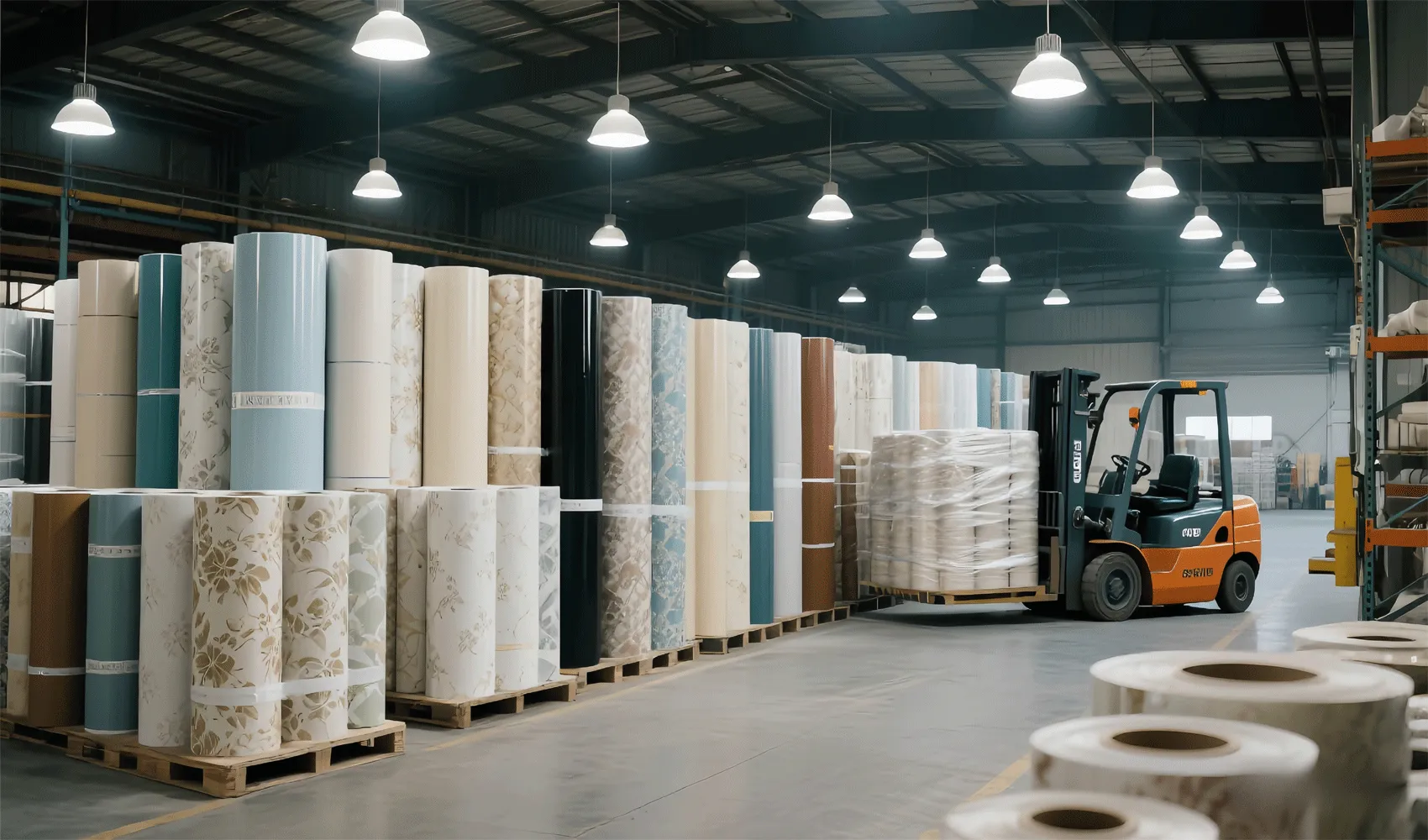
PVC film factory

How to Prevent Yellowing: Manufacturing & Product Selection

Choose films formulated for stability. Key specification points to request from suppliers:

  • UV absorbers and HALS (hindered amine light stabilizers) included for sunlight resistance.
  • Antioxidants to resist thermal degradation during processing and service life.
  • Low-migration plasticizers or plasticizer-free constructions for self-adhesive applications.
  • Optional laminated hard-coat or clear topcoat to block contaminants and slow oxidation.
  • Proven accelerated aging test data (QUV, heat aging) and Delta E color change results.

Installation & Storage Tips to Reduce Risk

  • Store rolls flat in a cool, dry place away from direct sunlight and heat sources.
  • Avoid prolonged exposure to cigarette smoke, cooking fumes, or harsh chemical vapors during storage and in-service.
  • Use compatible adhesives and test a small area first—avoid strong solvent adhesives on gloss films unless specified.
  • Seal exposed film edges where possible to limit moisture and contaminant penetration.

Cleaning & Maintenance Advice

Routine care keeps gloss films looking new and can delay yellowing:
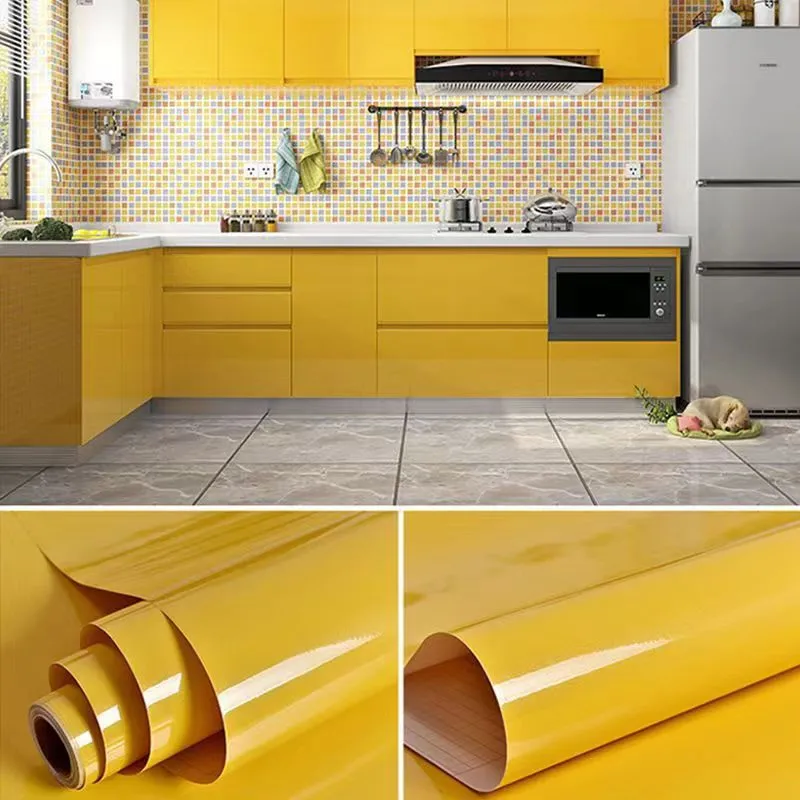
  • Clean with mild soap and water or a pH-neutral cleaner; use a soft microfiber cloth.
  • Avoid abrasive pads, high-alcohol cleaners, or strong solvents that damage topcoats.
  • For stains from oils or smoke, gently clean with a diluted detergent and rinse thoroughly.
  • Test any new cleaner in an inconspicuous spot first.

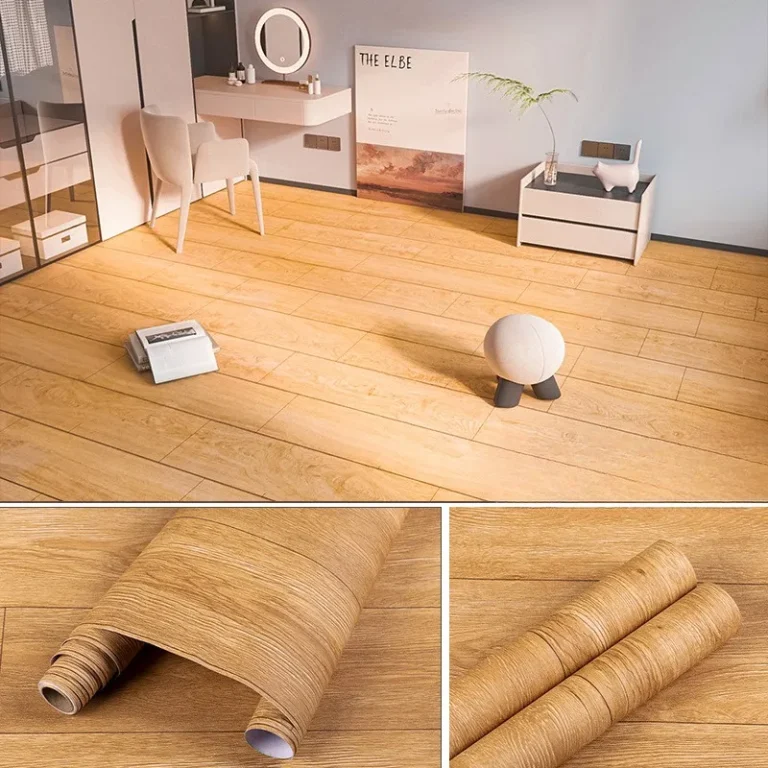
Glossy wardrobe film display

Durability & Lifespan — What to Expect

The service life depends on film formulation and environment. Below is a practical comparison to help set expectations:

Film Type Typical Indoor Lifespan Outdoor/High-UV Resistance
Standard PVC High-Gloss 5–8 years (controlled indoor) Poor — may yellow within 1–3 years
UV-Stabilized High-Gloss 8–12 years Moderate — extended life if shaded
Laminated/Hard-Coated Gloss 10–15 years Good — best choice for bright conditions
Self-Adhesive PVC Gloss (low-migration) 7–12 years (with proper adhesive) Varies — choose UV-grade options

Testing & Technical Specs to Request

  • QUV accelerated weathering test results and hours to specified Delta E threshold.
  • Heat aging data (e.g., oven aging at elevated temperatures).
  • Plasticizer migration or extractables testing for self-adhesive films.
  • Adhesion performance on target substrates and peel strength tests.
  • Surface hardness and scratch resistance values for gloss finishes.

Practical Tips for Buyers and Installers

  • Pick UV-stabilized or laminated gloss films for kitchens, near windows, or commercial fit-outs.
  • Ask suppliers for real-world case studies and aging data rather than just promises.
  • Store and transport products in original packaging; avoid stacking rolls near heat sources.
  • Plan design: lighter base colors mask minor yellowing better than stark whites.
Choosing a Reliable Supplier

If you require consistent quality and full production traceability, consider suppliers with complete in-house processes and quality checks—Pulivk offers calendering, printing, split-packaging lines, and multiple QC steps to help ensure consistent film performance and stable lead times.

Quick FAQs

Q: Can yellowing be reversed? A: Minor surface discoloration from contamination can often be cleaned; true polymer yellowing is usually irreversible without replacement.

Q: Is high-gloss worse than matte for yellowing? A: Gloss shows discoloration more readily because of reflectivity, but both finishes can yellow depending on formulation.

Q: Are there alternatives if long-term UV stability is needed? A: Consider PVC films with laminated clear coats, engineered polymers (e.g., acrylic overlays), or specifically UV-rated exterior films designed for long-term outdoor use.

If you want product data, test reports, or OEM options, visit https://pvcfilmtec.com/ for more details and technical support.