Address
304 North Cardinal St.
Dorchester Center, MA 02124
Work Hours
Monday to Friday: 7AM - 7PM
Weekend: 10AM - 5PM
Address
304 North Cardinal St.
Dorchester Center, MA 02124
Work Hours
Monday to Friday: 7AM - 7PM
Weekend: 10AM - 5PM


Eco-friendly PVC film for furniture wrapping is a practical way to refresh, protect, and extend the life of cabinets, wardrobes, tables, and decorative panels—without heavy renovation waste. With durable surfaces, waterproof performance, and user-friendly application, modern PVC decorative films help furniture brands, workshops, and interior contractors achieve consistent finishing while keeping maintenance simple.
✔ Key takeaway:
Choose a furniture wrapping film that balances surface durability, water resistance, stable thickness, and safe, compliant materials—then match the finish (wood, marble, matte, glossy, soft-touch) to the space and usage.
“Eco-friendly” in furniture wrapping is not just a label—it typically refers to safer formulations and responsible manufacturing practices that reduce indoor air concerns and improve product consistency. High-quality PVC film can be produced with non-toxic inks for printed patterns and can be designed to meet strict compliance requirements for global projects. For many buyers, eco-friendly also means fewer reworks due to defects, longer service life, and less replacement waste over time.
For indoor furniture, buyers often require films compliant with REACH, RoHS, and quality systems such as ISO 9001/14001. Films designed to be free of heavy metals and certain plasticizers help reduce risk in residential, hospitality, and healthcare environments.
Furniture surfaces face daily abrasion, moisture, cleaning chemicals, and impacts. PVC decorative film is valued because it combines aesthetic flexibility with functional protection. It can simulate premium materials (wood veneer, marble, brushed metal) while keeping the surface easy to wipe and more resistant to common household stains.
Not all furniture wrapping films perform the same. To ensure a durable, waterproof finish, check the product’s thickness stability, surface hardness, print layer quality, and edge behavior during trimming. If you are wrapping cabinets or panels exposed to steam and frequent cleaning, prioritizing moisture resistance and stable adhesion is essential.
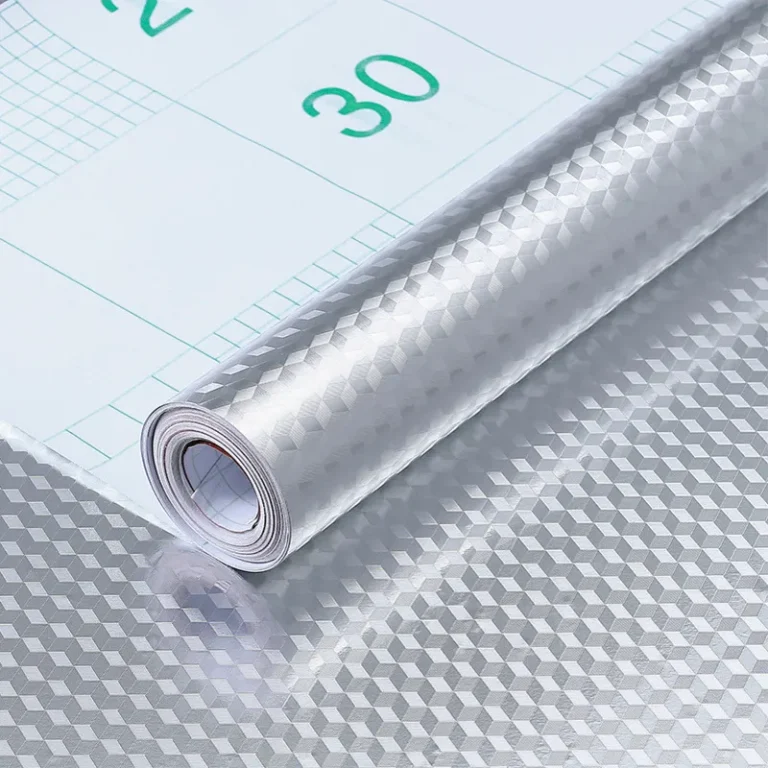
“Easy application” is the result of the right film structure, surface finish, and correct installation process. In furniture factories, wrapping is often done with membrane presses or profile wrapping lines. For on-site renovation and smaller workshops, self-adhesive options can reduce tooling needs while still delivering a clean finish when the substrate is prepared correctly.
💡 Pro tip:
In kitchens and bathrooms, prioritize edge finishing. Many “film failures” start at corners and seams where moisture slowly penetrates. A consistent trimming method and correct bonding temperature/pressure (when using machinery) can significantly extend service life.
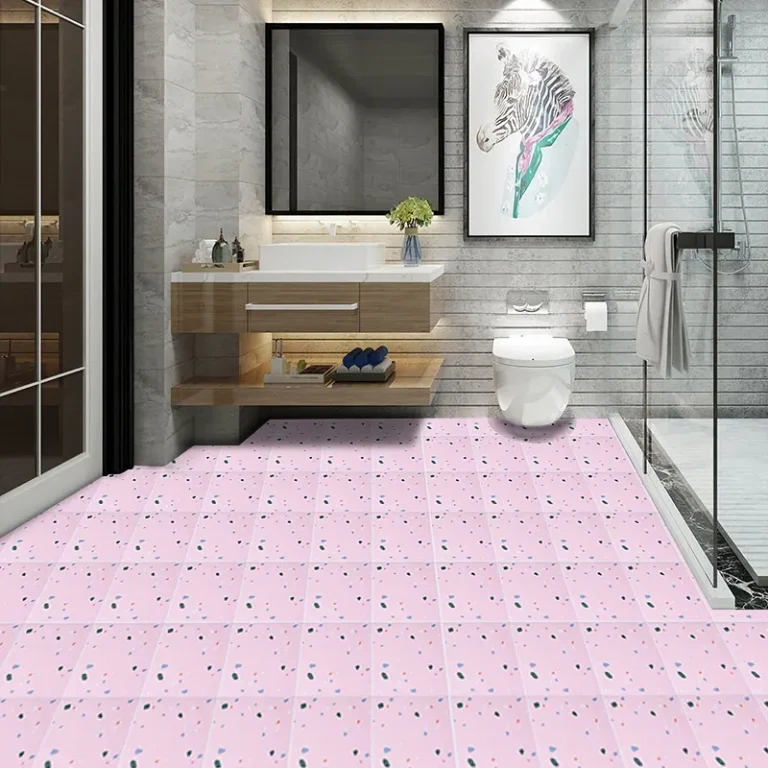
A key advantage of PVC decorative film is the ability to deliver different looks from the same base material—helping brands keep product lines cohesive while offering varied styles for different rooms. For example, wood grain is popular for warm, residential interiors, while marble and glossy finishes often target modern kitchens and retail displays.
Matte finishes tend to hide fingerprints and minor scratches better, making them suitable for family homes, rentals, and office environments. Glossy finishes can make small rooms feel brighter and more spacious but may show smudges more easily—excellent for display areas when regular cleaning is expected.
Furniture wrapping film is used across many industries because it provides both decoration and protection with consistent output. For manufacturers, it supports standardized designs across product lines. For contractors, it accelerates installation timelines. For renovation projects, it upgrades appearance without the mess and waste of ripping out furniture.
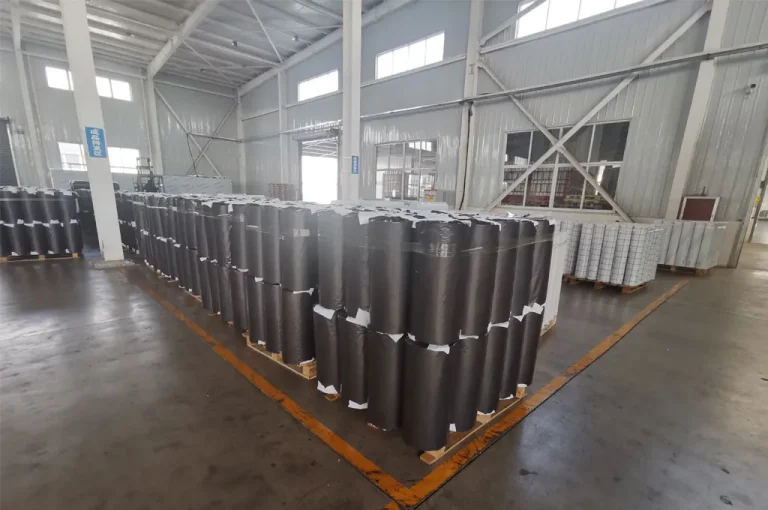
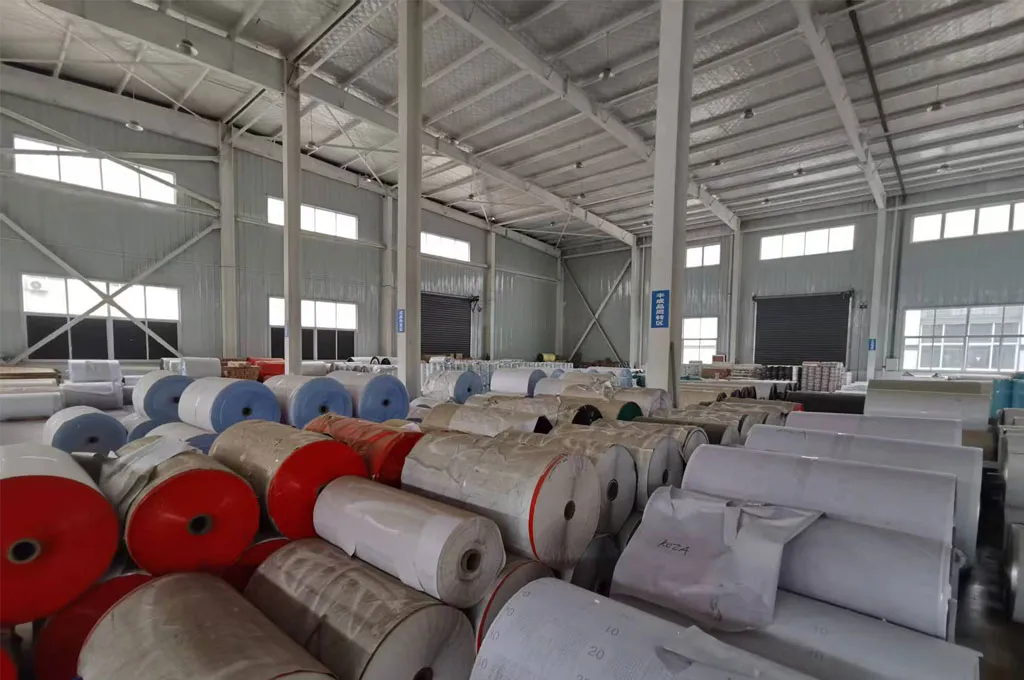
For furniture brands and wholesalers, stability is the real cost saver. When the supplier controls calendering, printing, slitting, and packaging in-house, it becomes easier to maintain consistent thickness, color, embossing depth, and roll quality. This reduces the risk of shade differences, stretching issues, or unstable adhesion behavior during wrapping.
Individually wrapped rolls with clear spec labels help prevent dust contamination and handling damage—especially important for glossy or high-definition printed patterns where minor surface marks can become visible after installation.
A good specification reduces sampling rounds and speeds up production. If you are sourcing for cabinets, doors, or wrapped profiles, clarify performance targets and aesthetic details early. This also helps the supplier propose the most suitable structure—single-layer, multi-layer composite, self-adhesive, or functional coatings (such as anti-static or anti-fog where relevant).
One reason PVC furniture film is widely adopted is the low-maintenance surface. Most daily cleaning can be done with a soft cloth and mild detergent. To protect the finish long-term, avoid abrasive pads and harsh solvents that may dull gloss levels or affect printed layers.
PVC film provides strong water resistance on the surface. Real-world waterproof performance also depends on edge finishing, seam handling, and the substrate. For wet areas, careful trimming and sealing practices are essential.
Calendered film is produced through a calendering process that helps achieve stable thickness and consistent output—often preferred for decorative wrapping and industrial-scale furniture manufacturing.
Yes. Many manufacturers support OEM/ODM customization such as thickness, width, roll length, surface texture, printing/patterns, and export-ready packaging to fit your brand and production method.
Lifting is usually related to surface contamination (dust/oil), insufficient bonding pressure/temperature, or weak edge treatment—not the film alone. Testing on your substrate and process conditions helps prevent failures.
Prepare your target application, finish (glossy/matte/embossed), thickness/width, pattern or color reference, and estimated quantity. Suppliers can then recommend the best structure and arrange samples for evaluation.