Address
304 North Cardinal St.
Dorchester Center, MA 02124
Work Hours
Monday to Friday: 7AM - 7PM
Weekend: 10AM - 5PM
Address
304 North Cardinal St.
Dorchester Center, MA 02124
Work Hours
Monday to Friday: 7AM - 7PM
Weekend: 10AM - 5PM


 ByPulivk
In today’s competitive manufacturing and design landscape, choosing the right material for surface protection, decoration, or packaging is critical. Extruded PVC film stands out as a versatile, cost-effective, and high-performance solution. Whether you’re involved in furniture manufacturing, interior design, or industrial packaging, this material offers a balance of durability, flexibility, and aesthetic appeal that is hard to match.
Understanding the extruded PVC film production process is key to appreciating its unique properties. Unlike calendered film, which is processed through a series of heated rollers, extruded film is formed by melting raw PVC resin and forcing it through a flat die onto polished rollers. This technique results in a film with excellent thickness uniformity, superior clarity, and consistent physical properties, making it the preferred choice for demanding technical applications.
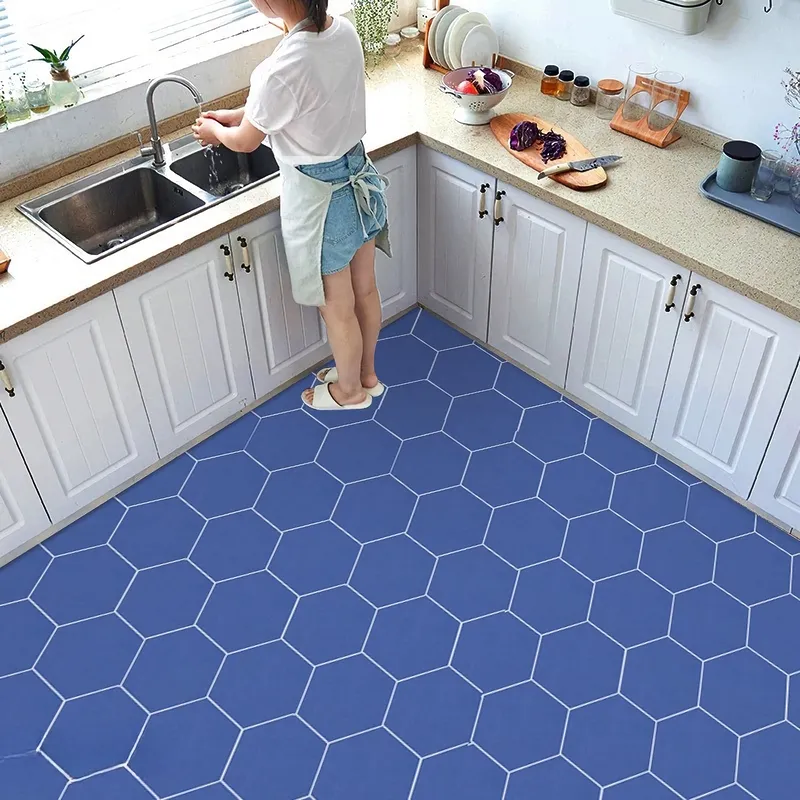
The adaptability of extruded PVC film allows it to be utilized across a diverse range of sectors. From enhancing home interiors to protecting industrial goods, its applications are nearly endless.
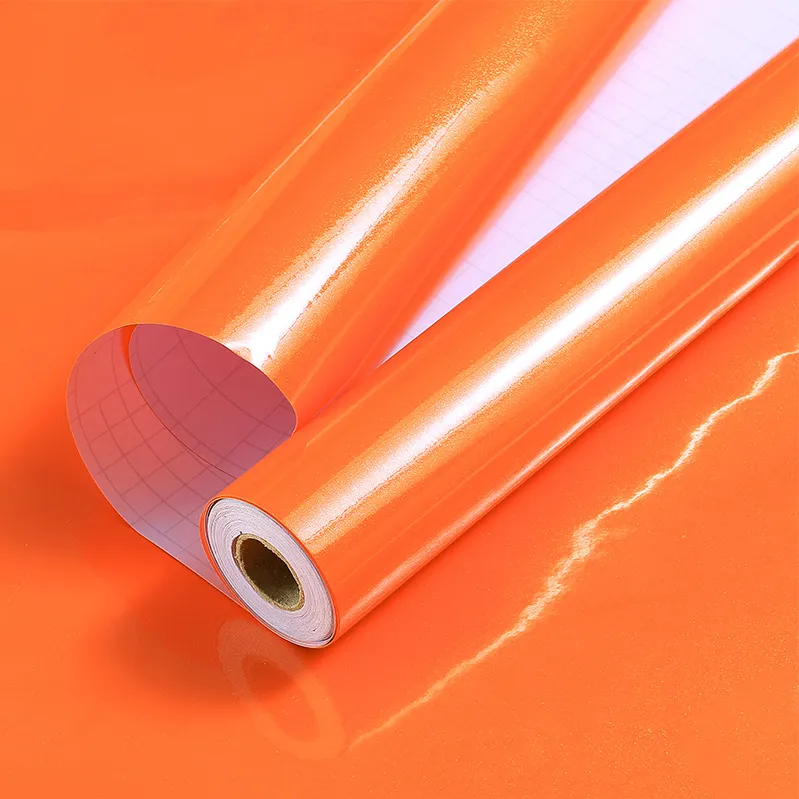
When sourcing PVC film, buyers often face the choice between extruded and calendered grades. While both have their merits, extruded PVC film generally offers superior optical properties and gauge control, making it the favorite for precision-critical projects.
| Property | Extruded PVC Film | Calendered PVC Film |
|---|---|---|
| Clarity | Excellent, minimal gels | Good, potential for slight haze |
| Thickness Tolerance | Very tight (±5% or better) | Good, but varies with width |
| Cost Efficiency | Higher for thin gauges | More economical for thick, wide rolls |
| Typical Applications | Medical, graphic arts, packaging | Furniture, flooring, wall coverings |
Why do global buyers increasingly rely on extruded PVC film? The answer lies in its physical resilience and chemical stability. This material resists oils, greases, and a wide range of chemicals, making it safe for food contact and harsh cleaning agents. Furthermore, it possesses excellent dimensional stability; it does not shrink or expand drastically under standard temperature fluctuations, which is crucial for labels and overlays that must stay flat.
Standards like the ASTM D1204 test for dimensional stability help manufacturers verify these properties, ensuring the film meets rigorous industrial demands. Additionally, its inherent tear resistance, often validated through methodologies like ASTM D1922 tear testing, ensures that once a package is sealed or a surface is laminated, it stays protected during transit and use.
Aesthetic appeal does not take a backseat. Extruded PVC film serves as an exceptional printing substrate. Its smooth surface allows for high-definition flexographic, gravure, and digital printing. You can achieve brilliant whites, deep blacks, and vibrant full-color graphics for premium point-of-sale displays. Beyond printing, the film can be embossed to replicate textures such as hairline metal, fine leather, or frosted finishes, giving designers a broad palette to work from.
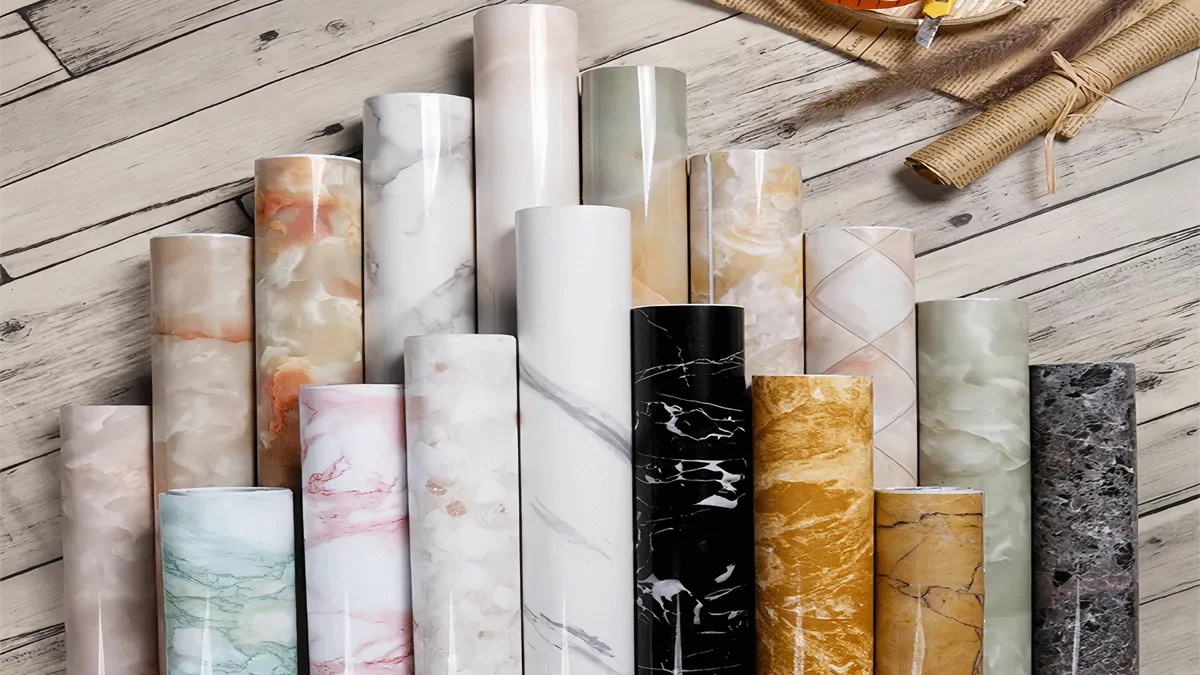
Modern suppliers, including Henan Pulivk New Materials Co., Ltd., go beyond mass production. They offer deep customization options for extruded PVC film:
Selecting the optimal film requires a careful analysis of the end-use environment and processing method. Follow these four steps to ensure you specify a film that performs without inflating costs.
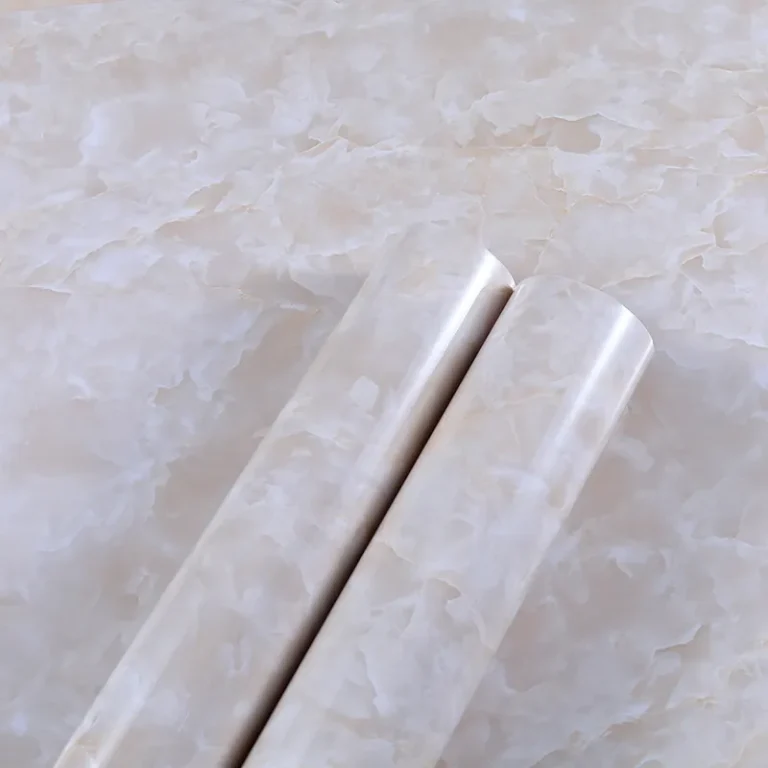
Is visual clarity the primary goal, or is it surface protection? For transparent packaging, prioritize a high-clarity homopolymer resin. If the film is for a decorative marble film lamination, the opacity and printability of the base layer matter more. Always match the film’s properties—rigid, semi-rigid, or flexible—to the substrate it will be applied to.
Will the film undergo thermoforming, high-speed printing, or RF welding? Each process demands specific thermal and rheological characteristics. A film intended for shallow-draw blister packaging requires different plasticizer levels than one that drapes over complex curves.
Thinner gauges are not always cheaper. An ultra-thin film might require slower processing speeds or waste more material during start-up. Look at the yield factor. A film with a slightly higher price per kilogram but better gauge control can yield more square meters of finished product, reducing the total cost.
Ensure the supplier’s extruded PVC film aligns with both regulatory and physical testing benchmarks. Request documentation related to the ASTM D1003 haze and luminous transmittance if clarity is a selling point, or ISO 8295 coefficient of friction testing if the film must slide smoothly over metal filling tubes. For food-contact applications, demand third-party certification proving the film is free of heavy metals and restricted phthalates.
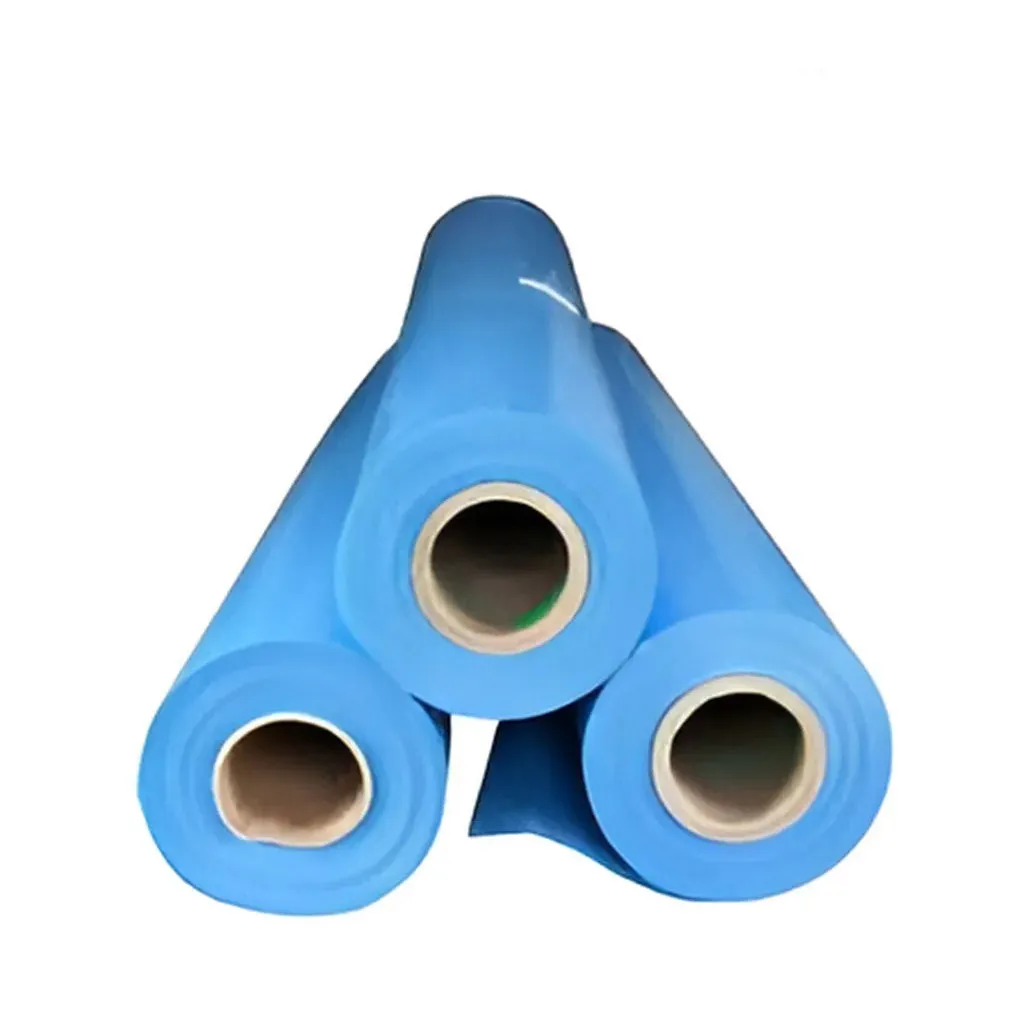
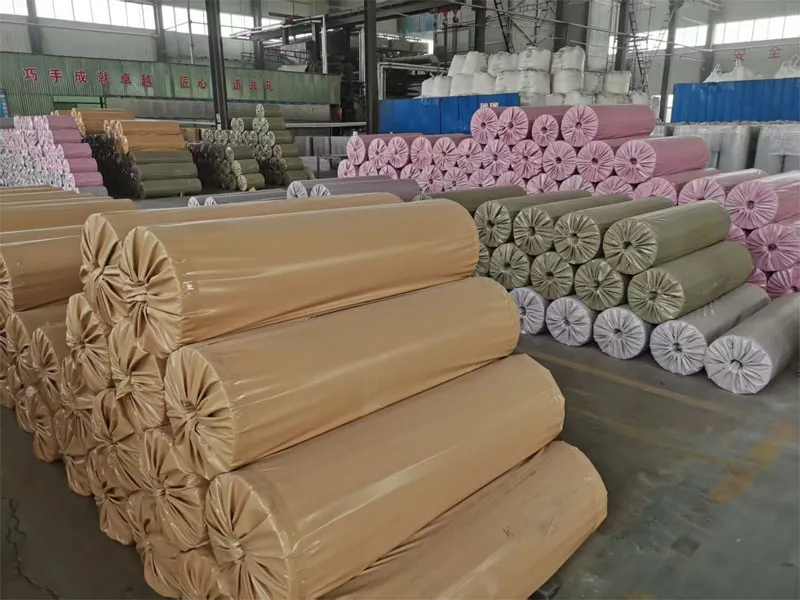
When sourcing extruded PVC film, a supplier’s manufacturing setup directly impacts product consistency. Fully integrated facilities that control everything—from raw material compounding to final slitting—mitigate the risk of batch-to-batch variation. This vertical integration bypasses third-party intermediaries, leading to shorter lead times and more responsive technical support. The ability to manage the product’s life cycle from pellet to pallet ensures that every roll performs identically in your automated equipment.
| Parameter | Typical Range | Notes |
|---|---|---|
| Thickness | 0.03 mm – 0.50 mm | Custom profiles available upon request |
| Width | Up to 1500 mm | Slit rolls can be much narrower |
| Surface Finish | Gloss / Matte / Embossed / Frosted | Custom textures can be replicated |
| Core Size | 3 inch (76 mm) or 6 inch (152 mm) | Standard plastic or paper cores |
The global shift towards durable and decorative surfaces has placed extruded PVC film at the forefront of material innovation. By understanding the core attributes—from superior gauge consistency to versatile chemical resistance—procurement professionals can secure materials that reduce downtime and elevate product aesthetics. Whether you are laminating flat panels or forming intricate blisters, the right extruded film, backed by rigorous standards and reliable manufacturing, serves as the foundation for a successful product line.