Address
304 North Cardinal St.
Dorchester Center, MA 02124
Work Hours
Monday to Friday: 7AM - 7PM
Weekend: 10AM - 5PM
Address
304 North Cardinal St.
Dorchester Center, MA 02124
Work Hours
Monday to Friday: 7AM - 7PM
Weekend: 10AM - 5PM



 ByPulivk
As global awareness of environmental sustainability continues to rise, industries are rethinking the materials they rely on. Packaging and printing sectors, traditionally dependent on PVC-based products, are now turning toward non PVC film innovations that promise reduced ecological footprints without compromising performance. These advanced materials are reshaping how manufacturers approach product protection, visual communication, and end-of-life disposal.
The shift toward non PVC film is not merely a trend. It reflects a fundamental change in consumer expectations, regulatory pressure, and corporate responsibility goals. With governments tightening restrictions on single-use plastics and harmful additives, brands are actively seeking eco-friendly film alternatives that align with circular economy principles.
Non PVC film refers to flexible packaging and printing substrates manufactured without polyvinyl chloride as the base polymer. Instead, these films utilize alternative resins such as polypropylene, polyethylene, polyester, polylactic acid, and various bio-based compounds. Each material brings distinct characteristics suited to specific applications spanning food packaging, medical supplies, label printing, and industrial wrapping.
The development of these alternatives has accelerated dramatically over the past decade. Material scientists have focused on achieving comparable clarity, durability, and printability while eliminating chlorine content and problematic plasticizers commonly associated with traditional PVC formulations. For businesses evaluating decorative film alternatives, the expanding range of options means greater flexibility in meeting both performance requirements and sustainability targets.
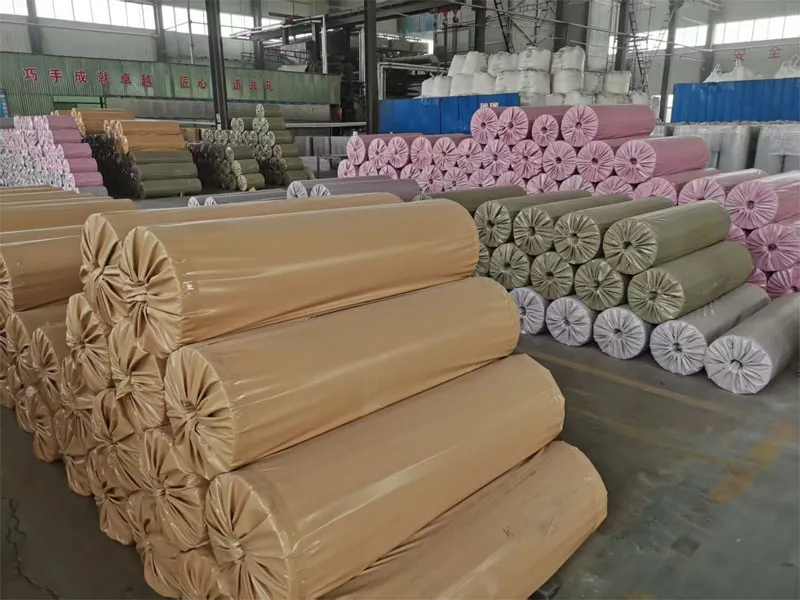
Environmental considerations form the cornerstone of the non PVC film movement. Several distinct advantages make these materials increasingly attractive to environmentally conscious brands:
Regulatory frameworks worldwide increasingly favor materials that can demonstrate verifiable environmental benefits. The ASTM PVC Film Standard provides benchmarks against which alternative materials are measured, ensuring that non PVC film products meet rigorous performance criteria while delivering improved sustainability profiles.
When evaluating non PVC film options, understanding how they compare to conventional PVC across key metrics helps inform material selection decisions. The following table summarizes critical performance characteristics:
| Property | Traditional PVC Film | Non-PVC Alternatives |
|---|---|---|
| Base Material | Polyvinyl chloride with additives | PP, PE, PET, PLA, bio-based polymers |
| Chlorine Content | Contains chlorine | Chlorine-free |
| Plasticizers Required | Often requires phthalates | Phthalate-free formulations |
| Recyclability | Limited; requires specialized facilities | Broadly recyclable in standard streams |
| End-of-Life Options | Landfill or energy recovery | Recycling, composting, biodegradation |
| Printability | Good with surface treatment | Excellent; diverse substrate options |
| Regulatory Compliance | Facing increasing restrictions | Aligned with emerging regulations |
This comparison highlights why many industries are prioritizing non PVC film adoption. The ability to maintain functional performance while dramatically improving environmental credentials makes these materials compelling choices for forward-thinking organizations.
The packaging industry represents one of the largest markets for non PVC film products. From food contact materials to protective industrial wrapping, these films deliver reliable performance with reduced environmental impact. Key application areas include:
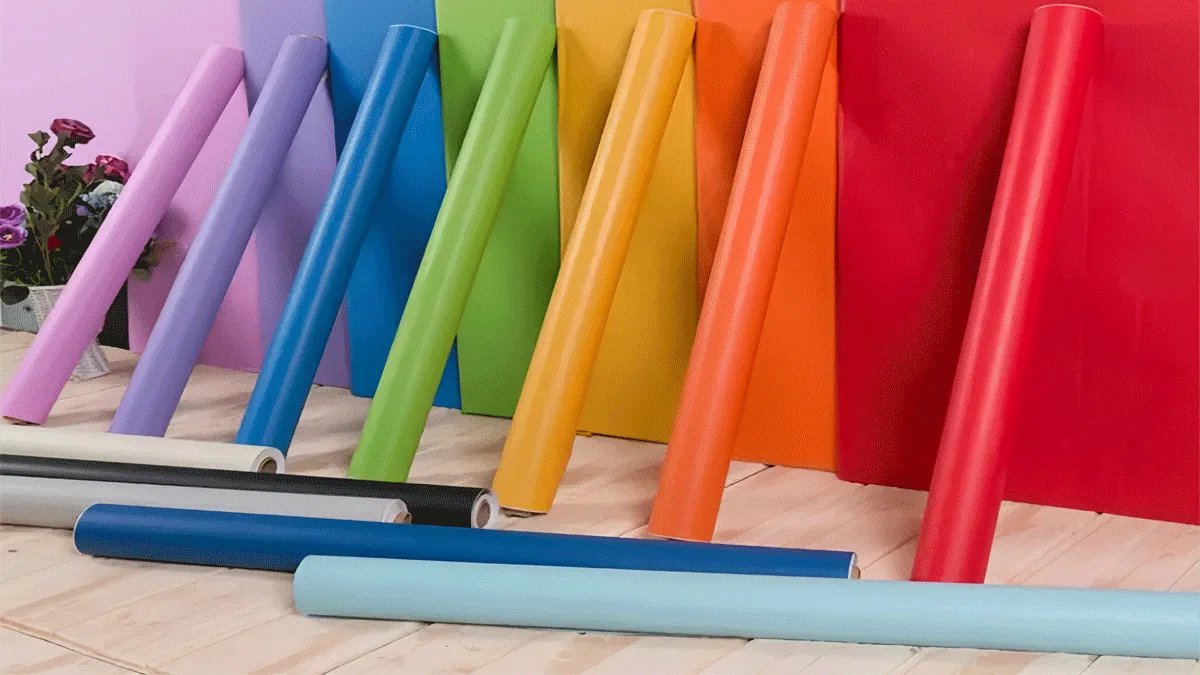
Non PVC film options for food packaging have gained significant traction, particularly for fresh produce, bakery items, and prepared meals. Polypropylene and polyethylene films offer excellent moisture barrier properties while remaining free from controversial additives. Many of these materials comply with food-grade packaging standards and can be designed for specific gas permeability requirements that extend product shelf life naturally.
For industrial applications, non PVC film alternatives provide comparable strength and puncture resistance to traditional PVC wraps. These materials protect goods during transit while offering weight reduction benefits that translate to lower shipping costs and reduced transportation emissions. The ISO Film Tensile Testing standards ensure these films meet rigorous durability requirements.
Print compatibility remains a critical consideration for any non PVC film used in decorative, advertising, or labeling applications. Modern printing technologies including digital, flexographic, and gravure processes all perform effectively on properly formulated alternative substrates. Surface treatments and coatings have advanced considerably, enabling vibrant color reproduction and durable adhesion comparable to PVC.
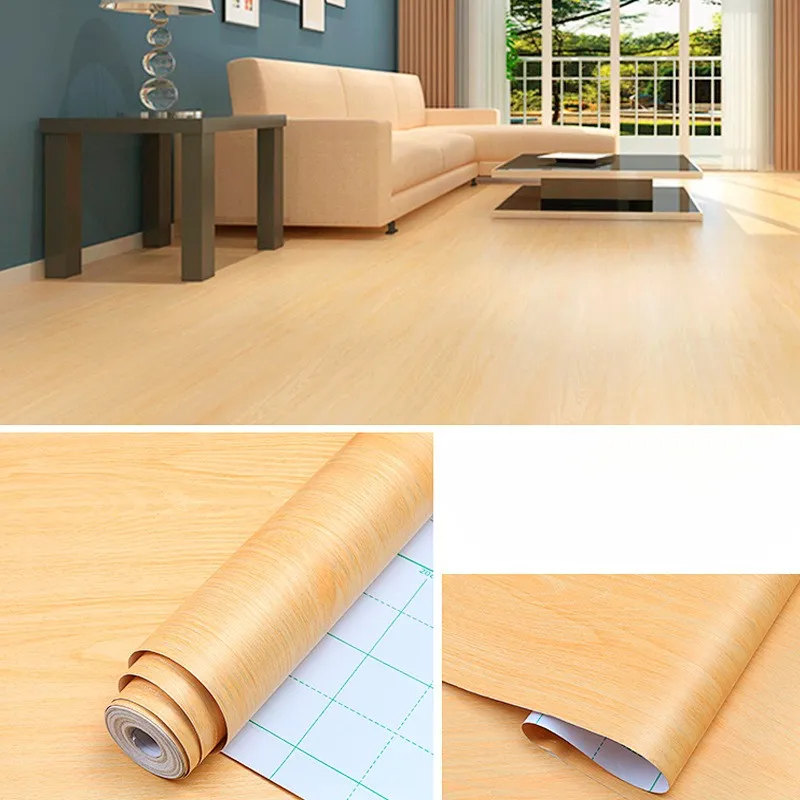
The sustainable floor film sector demonstrates how non PVC film materials can deliver both aesthetic appeal and functional longevity. Print durability tests conducted under standardized protocols confirm that properly engineered alternatives resist fading, scratching, and delamination effectively, meeting or exceeding industry expectations for high-traffic applications.
Pressure-sensitive labels manufactured from non PVC film substrates offer excellent conformability and adhesive anchorage. These materials perform reliably across temperature ranges and surface textures, making them suitable for product labeling in diverse markets including beverages, personal care, and household goods. Polyolefin-based label films have emerged as particularly popular choices due to their clarity and dimensional stability.
The diversity of non PVC film technologies continues to expand as research and development accelerates. Understanding the primary categories helps procurement professionals make informed decisions aligned with their specific requirements:

Maintaining consistent quality in non PVC film production requires adherence to established testing methodologies. Organizations worldwide have developed comprehensive standards covering mechanical properties, optical characteristics, and thermal behavior of plastic films. These benchmarks ensure that alternative materials perform reliably across diverse operating conditions.
| Standard | Test Focus | Relevance to Non-PVC Film |
|---|---|---|
| ASTM D882 | Tensile properties of thin plastic sheeting | Mechanical strength validation |
| ISO 527-3 | Tensile properties of films and sheets | International tensile compliance |
| ASTM D1003 | Haze and luminous transmittance | Optical clarity assessment |
| ISO 6383-1 | Tear resistance of plastic film | Durability under stress |
| ASTM D2457 | Specular gloss of plastic films | Surface finish consistency |
| ISO 8295 | Coefficient of friction | Handling and processing behavior |
For manufacturers producing non PVC film products, maintaining rigorous quality control aligned with Thermoplastic Materials Standards ensures consistent performance and builds trust with downstream customers. Companies like Henan Pulivk New Materials Co., Ltd. have extensive experience in film manufacturing and understand the importance of quality assurance across diverse product lines, though the industry as a whole continues evolving toward more sustainable material portfolios.
Transitioning to non PVC film requires thoughtful planning and collaboration across the supply chain. Organizations that approach this shift strategically can realize significant benefits while minimizing disruption. Key factors to evaluate include existing equipment compatibility, supplier qualification processes, cost modeling for total lifecycle rather than per-unit pricing, and consumer communication about material choices.
The PVC Circular Economy framework provides valuable context for understanding how material transitions fit within broader sustainability strategies. While PVC recycling infrastructure continues developing, non PVC film alternatives often integrate more seamlessly into existing recovery systems, accelerating progress toward circularity goals.
Innovation in non PVC film development shows no signs of slowing. Research priorities include improving barrier properties without multilayer complexity, developing bio-based content films with enhanced durability, creating monomaterial structures that simplify recycling, and engineering coatings that expand application versatility. As consumer awareness grows and regulations tighten, the market for these sustainable alternatives will continue expanding.
Organizations that proactively evaluate and adopt non PVC film solutions position themselves advantageously for the evolving regulatory landscape while demonstrating genuine environmental commitment. The materials available today already meet most performance requirements, and ongoing innovation promises even greater capabilities in the years ahead. For businesses committed to sustainable packaging and printing, the transition toward non-PVC alternatives represents both a responsibility and an opportunity.


