Address
304 North Cardinal St.
Dorchester Center, MA 02124
Work Hours
Monday to Friday: 7AM - 7PM
Weekend: 10AM - 5PM
Address
304 North Cardinal St.
Dorchester Center, MA 02124
Work Hours
Monday to Friday: 7AM - 7PM
Weekend: 10AM - 5PM


 ByPulivk
Finding a fair price PVC film that doesn’t compromise on quality is a challenge many manufacturers, interior designers, and procurement managers face daily. Whether you’re sourcing materials for furniture production, wall panel lamination, or flooring solutions, the balance between cost-effectiveness and reliable performance is critical. A well-priced PVC film should offer consistent thickness, excellent print definition, and durable surface properties—all without inflating your project budget.
A truly competitive price point comes from understanding the full production ecosystem. When manufacturers control the entire process—from raw material compounding to calendering, printing, and final slitting—costs are naturally reduced. This is where calendered film technology excels. Calendered PVC films are produced through a continuous process that ensures uniform thickness and consistent surface quality at lower per-unit costs compared to cast films. The result is a product that meets stringent ASTM PVC Film Standard requirements while remaining accessible for bulk purchasers.
Understanding what drives cost helps buyers identify genuinely fair pricing rather than simply the lowest quote. Several interconnected factors determine the final price of PVC film:
The PVC film market spans a remarkable range of applications. Each category offers distinct value, and understanding these differences helps procurement teams make informed decisions about where to allocate budget. Below is a comparison of popular PVC film types and their typical use cases:
| Film Category | Typical Thickness | Primary Applications | Value Highlight |
|---|---|---|---|
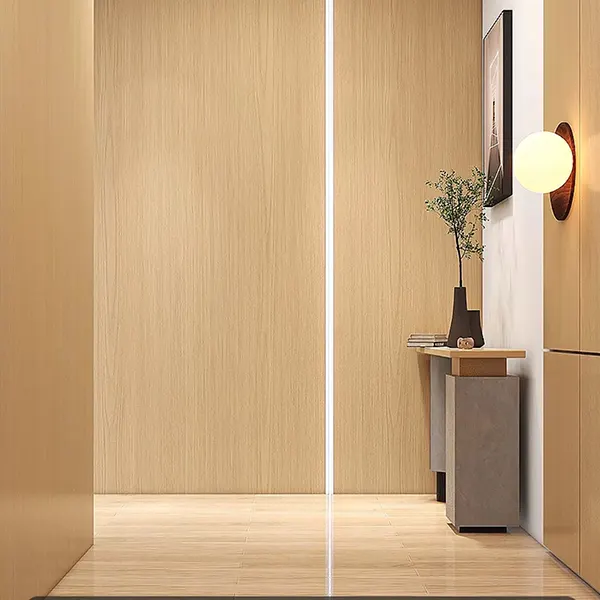
| Wood Grain Film | 0.10 – 0.30 mm | Furniture surfaces, interior doors, cabinet panels | Authentic wood aesthetics at a fraction of real timber cost |
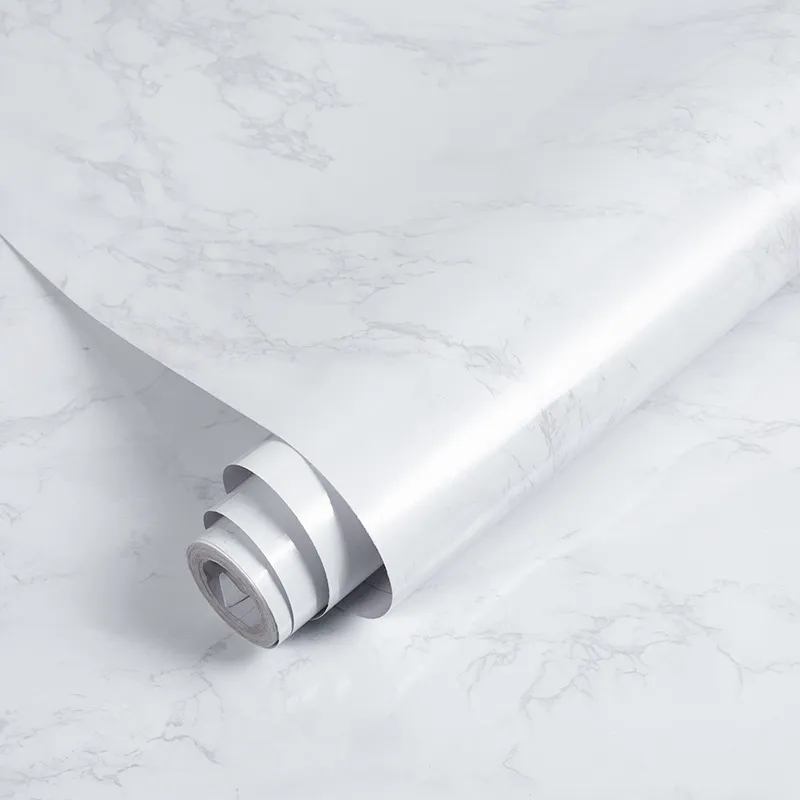
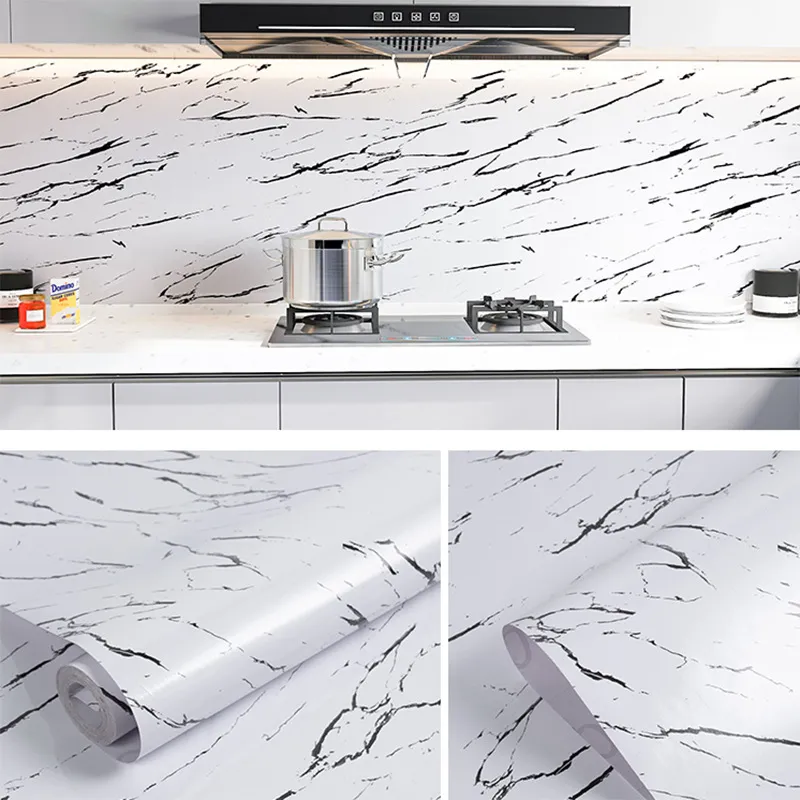
| Marble Film | 0.12 – 0.35 mm | Wall panels, hotel lobbies, retail displays, bathroom surfaces | Luxury stone appearance with easy installation and low maintenance |
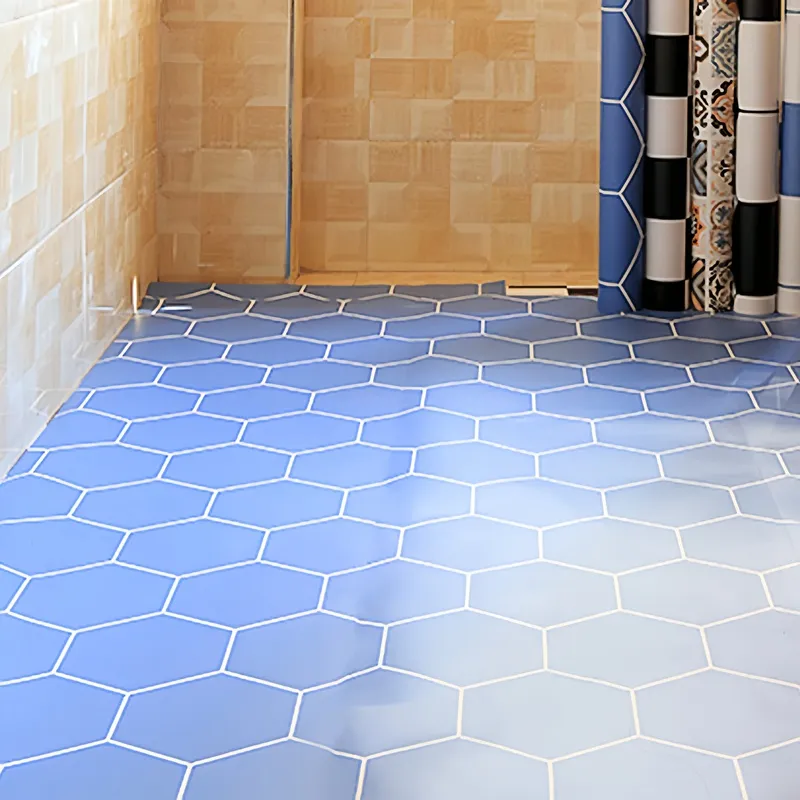
| Floor Film | 0.20 – 0.50 mm | Residential and commercial flooring, high-traffic areas | Superior wear resistance with waterproof performance |
| 3D Silk Texture Film | 0.08 – 0.25 mm | Luxury packaging, cosmetic displays, premium interiors | Unique tactile finish that elevates brand perception |
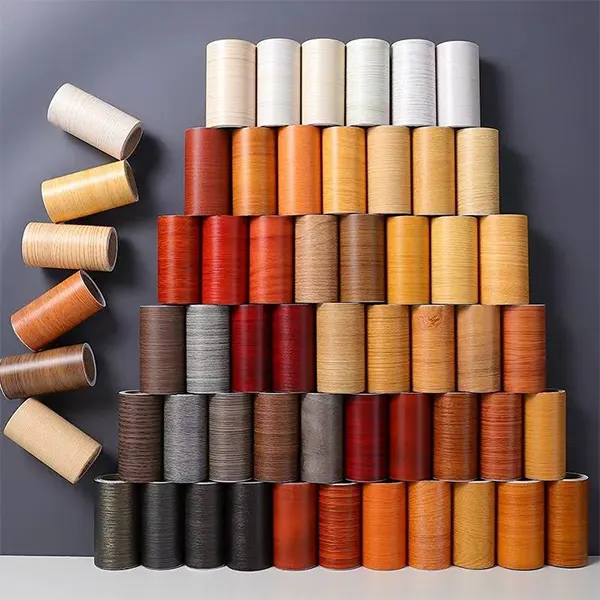
The versatility of fair price PVC film has made it an indispensable material across multiple sectors. From residential renovations to large-scale commercial projects, PVC films deliver consistent results that meet PVC circular economy principles while maintaining cost efficiency.
PVC decorative films have transformed the furniture industry by enabling manufacturers to produce high-end-looking pieces at accessible price points. Wood grain films replicate oak, walnut, teak, and exotic species with remarkable fidelity, while solid color and matte finish films provide modern minimalist aesthetics. The application process—typically vacuum lamination or membrane pressing—is efficient and scalable.
Wall decoration films and stone pattern films offer architects and contractors a lightweight, easy-to-install alternative to natural materials. These films provide excellent coverage on large surfaces, resist moisture, and require minimal sub-surface preparation compared to traditional cladding. For projects where ISO film tear resistance specifications matter, properly formulated PVC films deliver reliable mechanical performance.
PVC floor films combine waterproof properties with wear-layer technologies that resist scratches, stains, and daily foot traffic. From luxury vinyl tile (LVT) to continuous sheet flooring, these films provide comfortable underfoot feel and straightforward maintenance. The VinylPlus 2030 Commitment further supports the industry’s move toward more sustainable flooring solutions.
Anti-static films and protective films for appliance panels represent a specialized but growing segment. Brushed metal textures and high-gloss finishes applied to refrigerator doors, washing machine panels, and electronic device housings demonstrate how PVC films bridge functionality and aesthetics in consumer products.
Price should never come at the expense of quality. Reputable manufacturers implement multiple quality control checkpoints throughout the production cycle. Raw material inspection, in-line thickness monitoring via optical gauges, surface defect detection, and final roll inspection all contribute to consistent output. Films that comply with recognized international standards provide buyers with confidence that their fair price PVC film purchase will perform as expected across its service life.
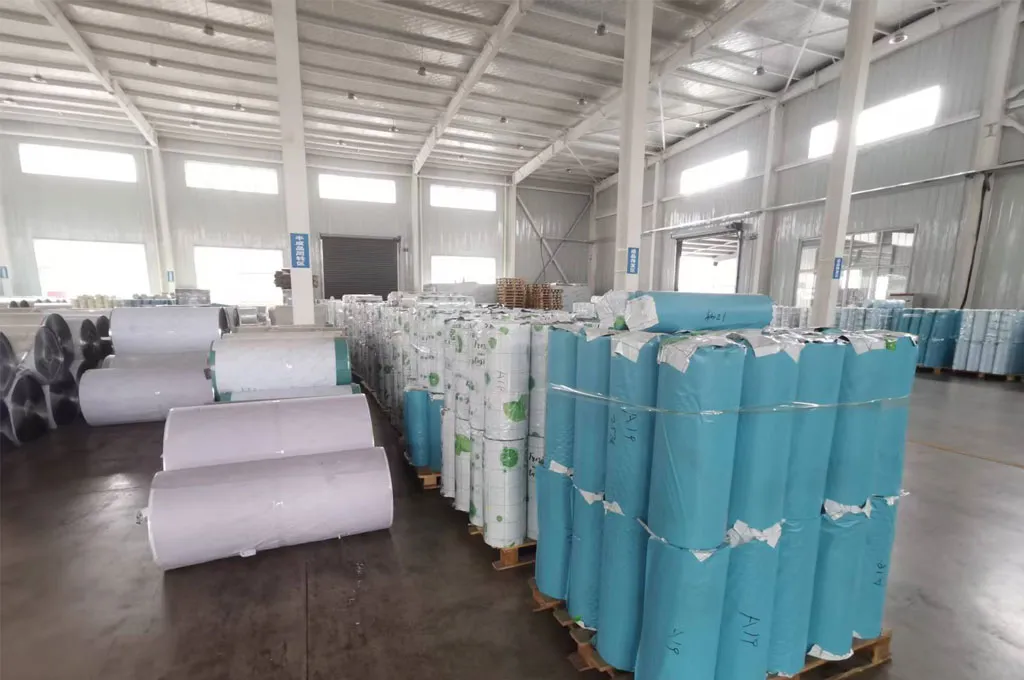
One of the most effective ways to secure a fair price PVC film is to partner with manufacturers who own the entire production chain. Henan Pulivk New Materials Co., Ltd. exemplifies this approach with in-house calendering lines, printing lines, and split-packaging lines operating under one roof. This vertical integration eliminates intermediary markups, reduces lead times, and ensures that quality control spans every stage—from raw material blending to final pallet wrapping. Buyers who source directly from such facilities typically see cost advantages of 15–25% compared to multi-tier supply chains.
Many buyers assume that customized PVC film necessarily carries a significant price premium. While custom work does involve setup costs, manufacturers with extensive design libraries—some exceeding 2,000 patterns—can often adapt existing engraving rollers or color formulations to match new requirements at a marginal additional cost. Color matching against Pantone references, texture reproduction from physical samples, and custom width slitting are services that a well-equipped factory can offer without drastically altering the per-square-meter price.
Environmental compliance is no longer optional for products entering regulated markets. Lead-free and phthalate-free formulations may carry slightly higher raw material costs, but they open doors to markets where RoHS and REACH compliance is mandatory. Forward-thinking buyers evaluate these formulations not as cost burdens but as market access enablers. The PVC recycling and circularity initiatives across Europe demonstrate that the entire value chain is moving toward more responsible production and end-of-life management.
Securing a fair price PVC film requires more than comparing unit costs on a spreadsheet. It demands an understanding of the product’s intended application, the technical specifications that matter most, and the supplier’s production capabilities. Request samples for hands-on evaluation, ask about minimum order quantities early in the conversation, and verify that the manufacturer’s quality certifications align with your market requirements. A slightly higher per-roll price from a supplier with integrated production and reliable logistics often proves far more economical than chasing the lowest quote from a less capable source.
By combining market knowledge with a clear-eyed assessment of supplier qualifications, procurement professionals can consistently identify PVC film solutions that deliver genuine value—where price, quality, and service converge.