Address
304 North Cardinal St.
Dorchester Center, MA 02124
Work Hours
Monday to Friday: 7AM - 7PM
Weekend: 10AM - 5PM
Address
304 North Cardinal St.
Dorchester Center, MA 02124
Work Hours
Monday to Friday: 7AM - 7PM
Weekend: 10AM - 5PM


Heat insulation PVC film is a versatile, thin polymer layer engineered to reduce heat transfer through windows, doors, and building surfaces. Used alone or laminated with reflective layers, it helps lower HVAC loads, improve occupant comfort, and extend the life of interior finishes—making it a popular, cost-effective option for residential and commercial retrofit projects.
Heat insulation PVC film is a polymeric sheet made from polyvinyl chloride (PVC) with additives and optional metalized or ceramic coatings that increase its thermal reflectivity and reduce conductive heat flow. Available in clear, frosted, colored, and patterned finishes, it can be applied to glass, wood, metal, and some plastics to improve thermal performance without major construction work.
Lower energy bills: By reducing solar heat gain in summer and heat loss in winter, insulated PVC film can cut HVAC consumption—often yielding noticeable savings in cooling-dominated climates.
Comfort improvements: Less drafts and more uniform indoor temperatures lead to fewer hot or cold spots near windows and doors.
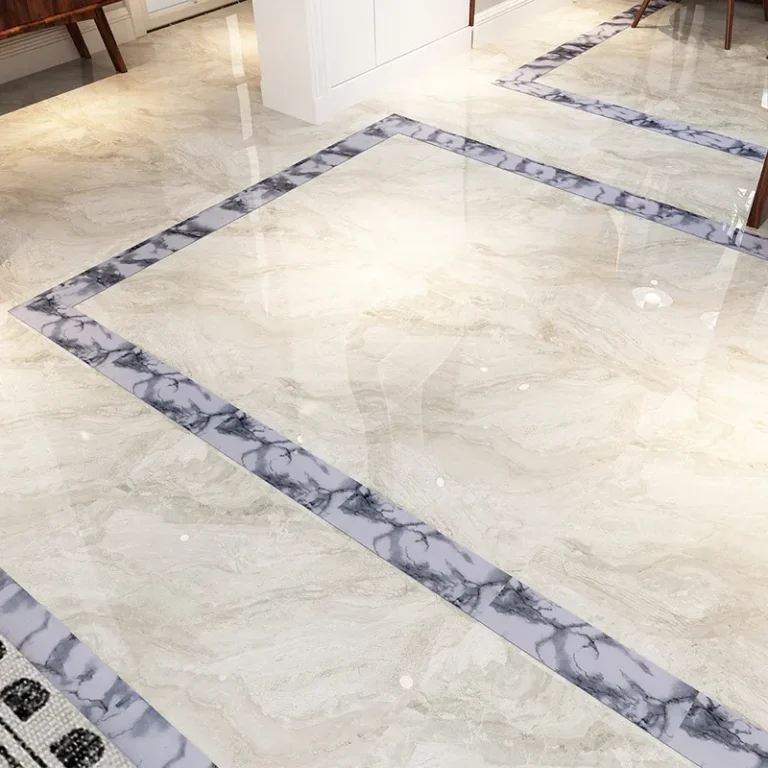
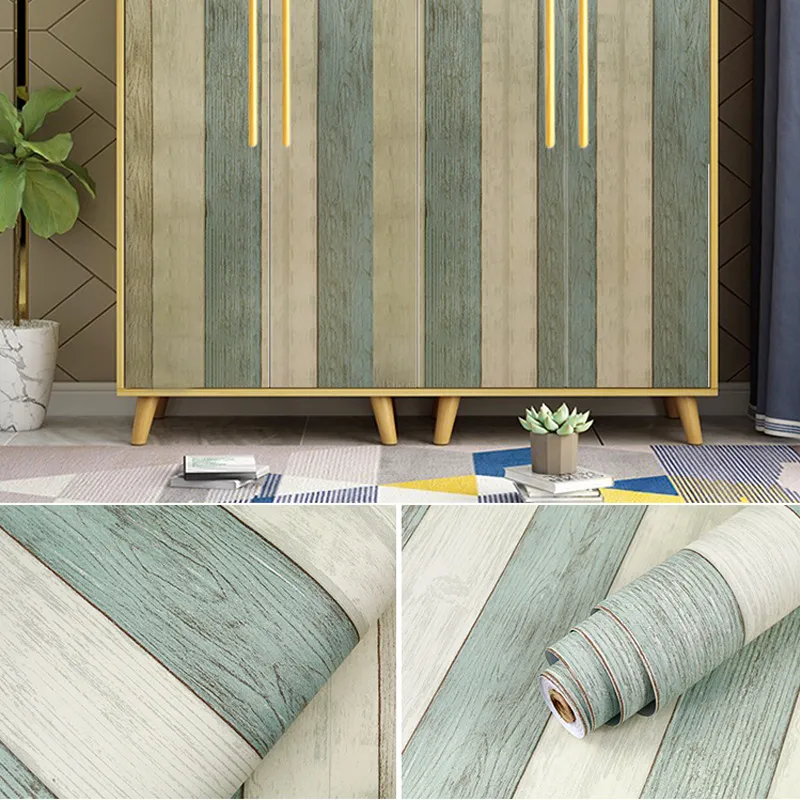
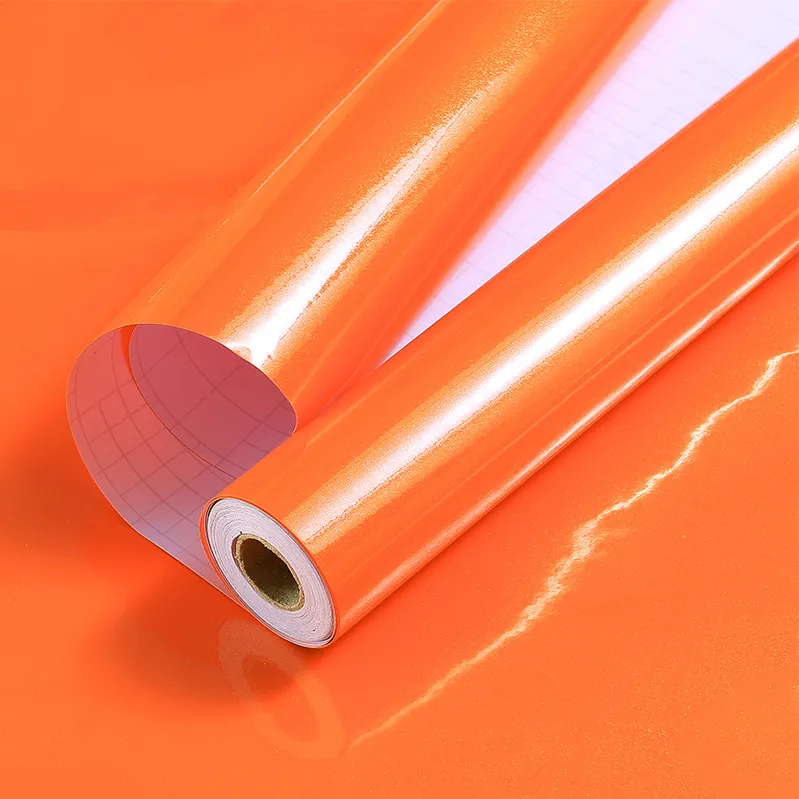
Easy retrofit and aesthetics: Available in decorative wood-grain, marble, glossy, or matte finishes, the film upgrades look while adding function.
Protection and longevity: UV-blocking variants reduce fading of furniture and finishes, while durable topcoats resist scratches and stains.
Insulation films work in three main ways: reflection of shortwave solar radiation, reduction of conductive heat transfer, and lowering radiation exchange by creating a surface with lower emissivity. Combined benefits depend on film type and installation:
Reflective/metalized films: Bounce a large portion of solar radiation back outdoors, reducing cooling loads during hot months.
Low-emissivity (low-e) coated films: Reduce radiant heat transfer at night, cutting winter heat loss through windows.
Typical improvements vary by product and climate; many installations report reductions in peak solar heat gain from 10% up to 35–40% in optimal conditions, improving cooling efficiency and stabilizing indoor temperatures.
Residential windows and doors: Retrofit single-pane or older double-pane units to reduce drafts and UV fading.
Commercial facades: Add thermal and glare control to storefronts, offices, and glazed atriums.
Interior surfaces: Heat-insulating decorative films for furniture, cabinets, and wall panels help maintain surface temperatures and protect finishes.
Automotive and marine: Specialty PVC films used for cabin privacy and thermal comfort when applied to side or rear windows (where legal).
Before applying, clean surfaces with a mild, residue-free cleaner. For glass, remove silicone residue and hard water marks to ensure adhesion. Most films are pressure-sensitive and require a wet-applied method for repositioning during installation.
Choose film thickness based on performance needs: 50–150 microns is common for window insulation; thicker films increase durability and thermal resistance but may be harder to apply on curved surfaces.
To prolong life, avoid abrasive cleaning pads and aggressive solvents. Use a soft cloth and mild detergent; inspect edges annually and reseal if lifting occurs.
| Property | Typical Value | Why It Matters |
|---|---|---|
| Thickness | 50–200 μm | Thicker films improve durability and insulation |
| Solar Reflectance | 10%–75% (varies) | Higher reflectance reduces cooling loads |
| Visible Light Transmission | 10%–90% | Balance between daylight and glare control |
| UV Rejection | Up to 99% | Protects interiors from fading and degradation |
PVC films are generally more affordable and offer many decorative finishes compared with specialized sputtered or laminated multi-layer low-e films. Metalized films typically have higher reflectivity, while ceramic or sputtered low-e films better preserve visible light and long-term optical clarity. Select based on whether aesthetics, maximum solar rejection, or visible light retention is most important.
High-quality PVC films include UV stabilizers and halogen-free additives to reduce environmental impact during use. When specifying a product, check for certifications related to UV protection, flame retardancy, and VOC emissions. Proper disposal and recycling depend on local regulations; some manufacturers offer take-back or recycling guidance.
Match type and thickness to your goals: reflective films for cooling, low-e coatings for winter heat retention, and decorative insulated films for interior surfaces. Check warranty terms and expected lifespan—higher-grade films often come with longer warranties and better optical stability over time.
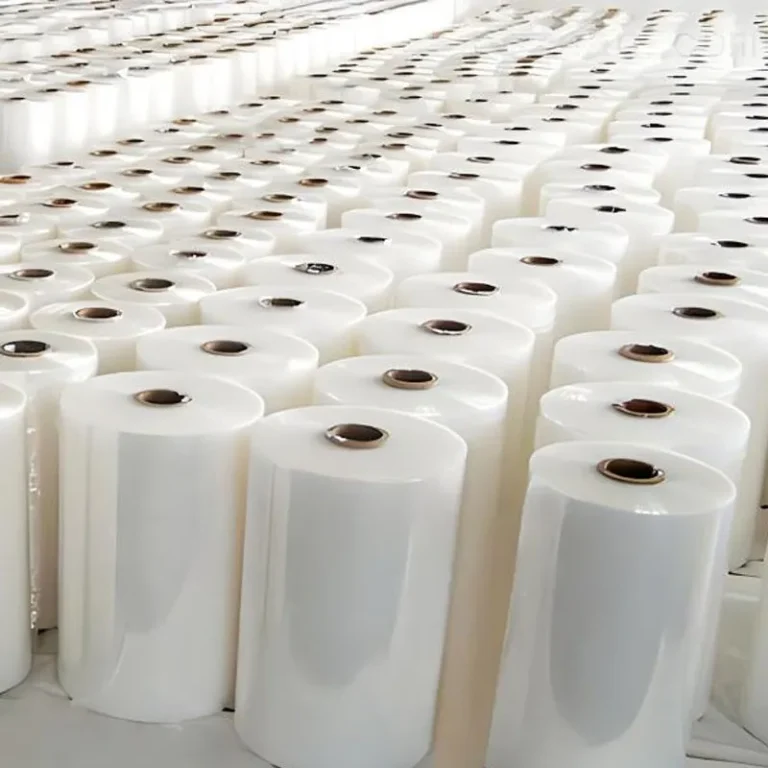
Pulivk operates full in-house production with calendering, printing, and split-packaging lines to control quality from raw materials to final packing, supporting OEM customization and stable lead times.
Full production chain ensures consistent product specs across film types: transparent, embossed, wood-grain, glossy, matte, anti-scratch, and multi-layer composite films.
Key advantages include cost-effective manufacturing, flexible OEM options, strict quality control, and export experience across Southeast Asia, the Middle East, and Europe.
Q: Can insulation PVC film be removed?
A: Yes—most pressure-sensitive films peel off. Remove slowly and use a mild adhesive remover for residue.
Q: Will it block natural light?
A: Choose high-transmittance low-e films to retain daylight; reflective options reduce visible light more but maximize cooling.
Q: Is professional installation necessary?
A: Small interior projects can be DIY, but commercial facades and large glass areas benefit from professional installers for optimal performance and warranty compliance.