Address
304 North Cardinal St.
Dorchester Center, MA 02124
Work Hours
Monday to Friday: 7AM - 7PM
Weekend: 10AM - 5PM
Address
304 North Cardinal St.
Dorchester Center, MA 02124
Work Hours
Monday to Friday: 7AM - 7PM
Weekend: 10AM - 5PM



Heat insulation PVC film is a practical, scalable solution for manufacturers who need lightweight thermal control without sacrificing appearance, processing efficiency, or cost stability. From industrial protection and insulation wrapping to packaging applications that must resist temperature fluctuation, a well-designed PVC thermal barrier film can reduce heat transfer, improve surface durability, and support clean, consistent converting on automated lines.
Key takeaway:
Heat insulation PVC films are not “one-size-fits-all.”
Performance depends on film structure (single-layer vs. laminated), thickness, surface finish, additives (anti-static/anti-fog), and how the film is converted (printing, slitting, packaging).
Heat insulation PVC film is a polyvinyl chloride sheet engineered to slow down heat exchange and stabilize temperature-sensitive surfaces or packages. Depending on the design, the film can act as a thermal barrier, a protective layer, or a functional decorative skin. In packaging and industrial environments, it is often chosen because it is easy to process, dimensionally stable, and available in many finishes that support branding or surface matching.
Thermal performance is typically achieved through a combination of controlled thickness, optimized PVC formulation, optional functional coatings, and (for higher-performance needs) multilayer composite structures that can be paired with other substrates. In practice, customers select insulation PVC film not only for heat reduction, but also for abrasion resistance, moisture protection, electrical insulation capability, and consistent roll-to-roll converting.
✔ Reliable converting
Smooth unwinding, stable tension, and consistent thickness help reduce waste on printing, lamination, and wrapping lines.
✔ Flexible customization
Thickness, width, roll length, surface finish, and functional treatments can be tailored for your equipment and use case.
✔ Multi-industry fit
Common across building materials, electronics, furniture, healthcare packaging, advertising displays, and home-use products.
The most successful projects start by mapping the working temperature range, exposure time, and mechanical stress (scuffing, bending, compression). Below are common scenarios where PVC thermal barrier films are frequently applied.
Tip for buyers:
Request a sample roll that matches your real converting setup (unwind direction, core size, roll OD). Thermal insulation performance is important, but
line stability and adhesion compatibility often decide total cost.
Different structures create different heat-control behavior. For many industrial and packaging needs, a calendered film base is preferred because it offers stable thickness and strong roll consistency. From there, surface finish and additives can be selected to match your application.
Ideal for standard protection, wrapping, and decorative insulation needs. They are easier to convert, often lower cost, and can be produced in a wide range of thicknesses and finishes.
Used when you need stronger thermal buffering, improved dimensional stability, or combined performance (e.g., insulation + anti-static + abrasion resistance). These structures can also optimize adhesion to substrates.
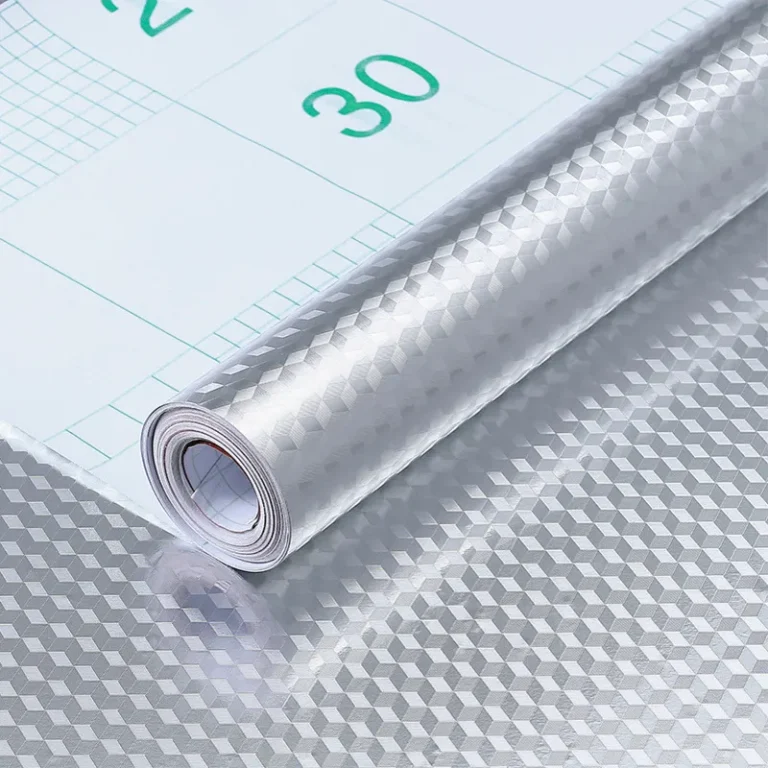
Surface design affects not only appearance but also friction, cleanability, and how heat is managed at the surface. Options include transparent, matte, glossy, embossed, pearlescent, and decorative textures. For premium tactile surfaces, films such as 3D silk texture film can be used where branding and touch feel are part of the product experience.
Pulivk Film focuses on PVC film R&D and production, supplying a wide selection of calendered, decorative, protective, and packaging films for global customers. Our strength is full-process capability—calendering, printing, and slitting/packaging—allowing tighter control of quality, lead time, and cost from raw material to finished rolls.
• Calendering: stable thickness and surface formation
• Printing: pattern consistency and color management for industrial/decorative needs
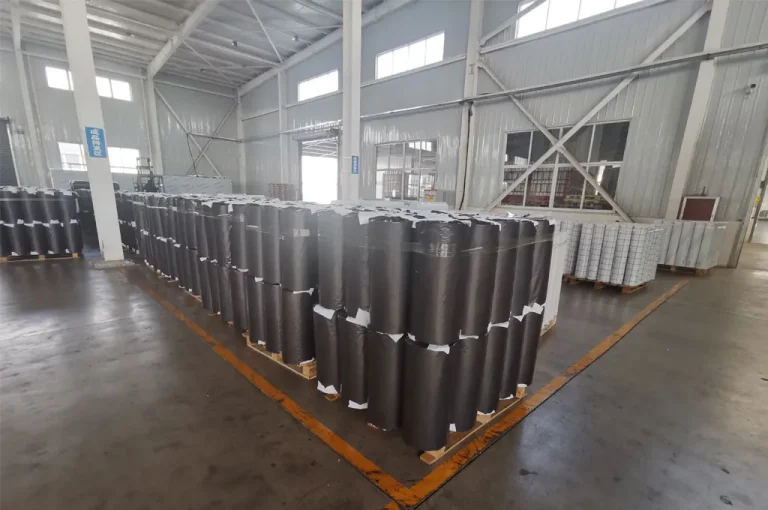
• Slitting & packaging: custom roll sizes, dust-proof PE film or kraft wrapping, and specification labels for safer logistics
OEM/ODM customization is often the difference between “a film that works” and “a film that runs flawlessly.” Pulivk supports custom specifications for thickness, width, roll length, surface finish, printing, and packaging configuration. For industrial and packaging customers, we also help align film parameters with real production conditions such as lamination temperature, winding tension, and storage climate.
Thickness & stiffness
Balance insulation effect, bending requirements, and wrapping behavior on your equipment.
Surface friction & texture
Choose matte/embossed for better handling or glossy for easy cleaning and high visual clarity.
Functional coatings
Add anti-static, anti-fog, or special compliance requirements based on your end market.
Many customers purchase heat insulation PVC films alongside decorative or protective solutions for the same production ecosystem. For example, building and interior projects may pair thermal buffering surfaces with durable finishing films such as
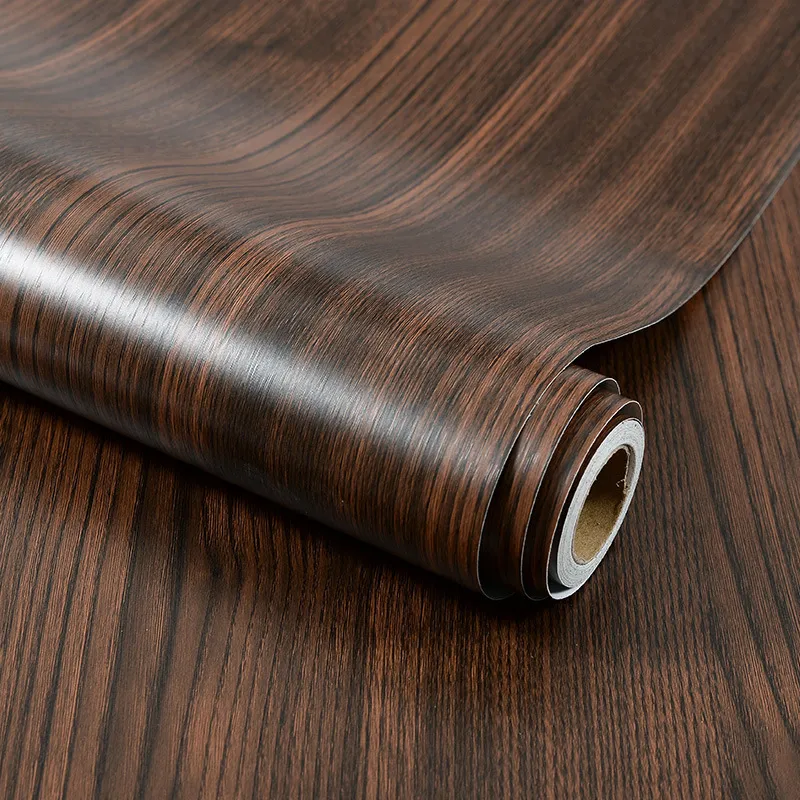
wood grain film
or
marble film
to achieve both performance and premium aesthetics.
Industrial and packaging customers increasingly require traceability and regulatory readiness. Pulivk uses eco-friendly, non-toxic inks and implements multi-step QC from raw material inspection to finished roll testing. For many projects, customers also request third-party test reports and documentation for market access.
For heat insulation PVC films used in industrial and packaging applications, shipping condition can affect performance. Rolls are commonly protected with dust-proof PE film or kraft paper, labeled with specifications, and packed to reduce moisture and transport damage. With structured planning and inventory management, lead times stay predictable even when customers require multiple SKUs or mixed finishes.
Need a quotation or samples?
Share your target thickness, width, roll length, surface finish, required treatments (anti-static/anti-fog), and estimated order quantity. For faster evaluation, include your converting method (lamination/wrapping/printing) and operating temperature range.
When procurement teams compare suppliers, the best outcomes come from specifying performance and production details together. Use the checklist below to reduce sampling rounds and accelerate approval.
PVC film is a thin sheet made of polyvinyl chloride. In thermal barrier applications, it helps reduce heat transfer while also providing protection, durability, and stable converting performance for industrial or packaging workflows.
Yes. OEM/ODM options typically include thickness, width, roll length, finish (gloss/matte/embossed), printing, and functional treatments such as anti-static, anti-fog, or food-grade coatings.
MOQ depends on the film type, specification, and customization level. Many manufacturers support trial orders for evaluation as well as large-scale production for stable supply.
Many PVC film projects can be produced to meet requirements such as ISO management systems and regulations like REACH/RoHS/FDA, with third-party test reports available upon request.
Provide your target film type, thickness, width, roll length, finish, required functional treatments, and quantity. Including your converting process and temperature conditions helps the supplier recommend the best structure faster.