Address
304 North Cardinal St.
Dorchester Center, MA 02124
Work Hours
Monday to Friday: 7AM - 7PM
Weekend: 10AM - 5PM
Address
304 North Cardinal St.
Dorchester Center, MA 02124
Work Hours
Monday to Friday: 7AM - 7PM
Weekend: 10AM - 5PM


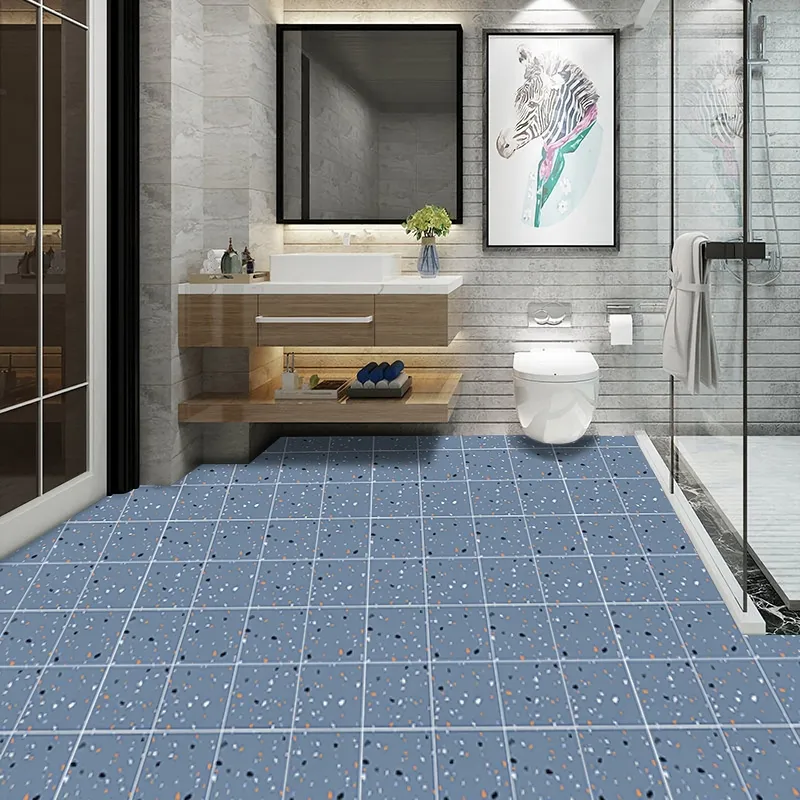
Industrial processes, modern buildings, and high-duty equipment all share a common challenge: controlling heat transfer without sacrificing durability, safety, or appearance. As a Heat Insulation PVC Film Supplier, Pulivk Film delivers high-performance thermal protection films designed for demanding applications—helping manufacturers reduce heat loss, protect surfaces, stabilize operating conditions, and improve long-term reliability in real-world environments.
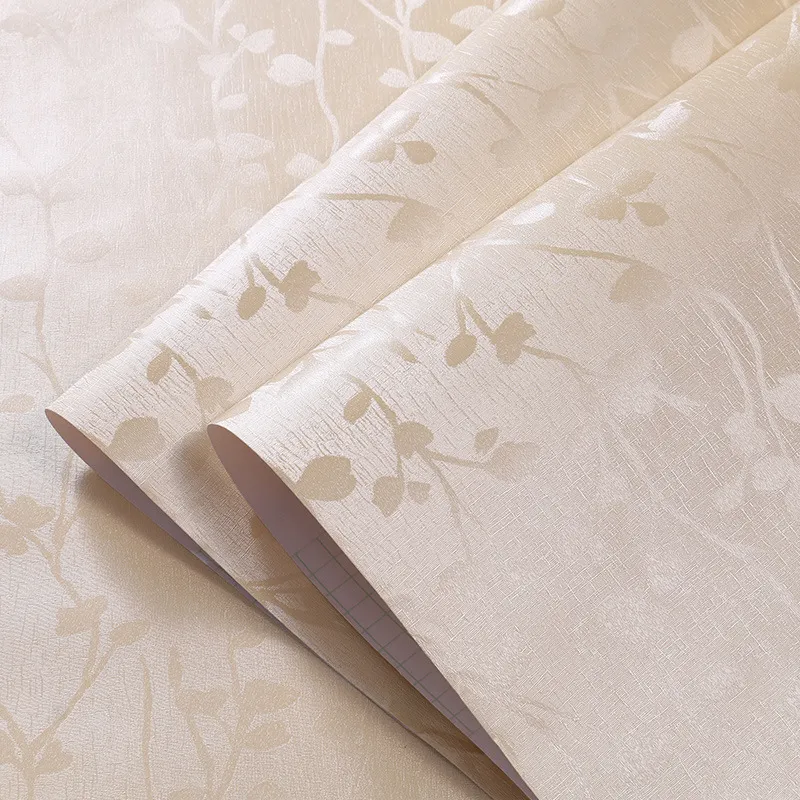
Heat management is not only about comfort; it directly influences energy consumption, equipment lifespan, and process consistency. In production lines, warehouses, cleanrooms, and equipment enclosures, a properly specified PVC film can act as a practical thermal barrier layer—supporting temperature stability, limiting unwanted heat exchange, and improving surface protection where traditional rigid insulation is not feasible.
✔ Key industrial drivers
PVC film is often selected because it is processable, customizable, and compatible with diverse substrates. In thermal protection use-cases, performance is typically achieved through a combination of:
The goal is not merely “thicker is better.” Instead, the correct specification balances thermal behavior with flexibility, adhesion, dimensional stability, and surface resistance—so the film performs consistently throughout its service life.
Pulivk Film focuses on PVC film R&D and manufacturing, supplying a wide portfolio including calendered film, decorative film, transparent film, soft-touch film, and more. With integrated production covering calendering, printing, and slitting/packing, we manage every step—from material preparation to finished rolls—supporting quality consistency and stable lead times for industrial buyers.
This integrated workflow helps customers reduce risk during scale-up, especially when heat insulation films must match strict parameters across batches.
Industrial heat insulation needs vary widely. Below are common use-cases where thermal protection PVC films are specified for performance, durability, and scalable installation.
In commercial buildings and industrial spaces, PVC films may be used on wall panels, partitions, ceilings, doors, and window-related components to support surface protection and reduce thermal exchange across layered structures. Decorative finishes (wood grain, stone, solid color, or textured designs) can be selected without compromising practical maintenance needs.
For projects that need consistent, mass-installable decorative surfaces, options like Solid Color Wallpaper can be aligned with thermal and durability requirements depending on the substrate and build-up design.
Furniture manufacturing frequently requires films that maintain stable performance across temperature fluctuations—especially around kitchens, workshops, laboratories, or facilities with HVAC cycling. Wood grain, matte, and soft-touch surfaces can also enhance user experience while maintaining cleanability.
For large-volume decorative lamination, Wood Grain Film is commonly specified for cabinet doors, panels, and modular partitions where consistent color matching and roll-to-roll stability are critical.
Equipment housings, appliance panels, and certain internal compartments may require films that combine insulation support with functional surface treatments—such as anti-static performance—helping protect sensitive components and improve handling during assembly. In these contexts, buyers typically evaluate adhesion behavior, dimensional stability, and surface resistance under operating temperatures.
In industrial and commercial environments, flooring layers and protective surfaces face constant abrasion, cleaning chemicals, and mechanical wear. Thermal comfort and insulation can be part of the broader system design, especially in facilities where cold floors impact staff comfort or process stability. When surface durability and appearance matter, Floor Film solutions can be integrated into multi-layer flooring or surface protection concepts.
Clean areas demand reliable materials that are easy to wipe, resistant to common cleaning agents, and stable over time. Depending on the environment, films may require low-odor considerations, compliance documentation, and optional functional coatings to support operational safety. Pulivk uses eco-friendly, non-toxic inks and emphasizes durable performance even in harsh conditions.
To select a heat insulation PVC film effectively, procurement and engineering teams should define the application conditions clearly. Below is a practical checklist used in industrial purchasing.
For base material consistency in industrial conversion, many customers start from Calendered Film and then define printing, embossing, or coating requirements based on the final thermal protection design.
Industrial buyers rarely have identical requirements. Pulivk supports flexible OEM/ODM services to match thickness, width, roll size, surface treatment, color, patterns, and packaging. This is especially valuable for heat insulation-related projects where the film must integrate into an existing assembly line, adhesive system, or panel structure.
★ Operational benefit:
A film designed around your equipment (laminators, cutters, wrapping machines) reduces scrap, simplifies training, and helps maintain stable output quality.
Thermal protection films are only valuable if they perform the same way across time and across shipments. Pulivk implements strict quality control from raw materials to finished rolls, including batch traceability and multi-step inspections. Testing typically focuses on thickness stability, strength, adhesion behavior, and surface appearance/optics—so customers can run production with fewer interruptions.
For projects requiring documentation, Pulivk materials can align with widely referenced systems such as ISO 9001, ISO 14001, REACH, RoHS, and FDA expectations, and third-party test reports can be provided upon request. Eco-friendly, non-toxic inks are used to support indoor and human-contact applications where appropriate.
Industrial projects often run on fixed schedules. Pulivk’s integrated manufacturing and scientific production planning help maintain stable lead times for both standard and customized orders. Rolls are individually wrapped using dust-proof PE film or kraft paper, labeled clearly, and prepared for export to reduce moisture and handling risks during transport.
For faster evaluation, prepare the key parameters upfront: product type, thickness, width, roll length, finish, color/pattern, functional requirements (anti-static/anti-fog), application method, and expected quantity. With this information, Pulivk can recommend suitable constructions and arrange sampling for confirmation before mass production.
If you want to explore broader product categories and options before finalizing specs, you can browse the catalog via
Product
or learn more about manufacturing capability through
About Us.
PVC film is a thin sheet made of polyvinyl chloride. In industrial thermal protection designs, it is valued for its processability, surface durability, and the ability to customize structure, finish, and functional treatments to match real installation conditions.
Yes. OEM/ODM customization is available for thickness, width, roll size, surface finish, printing, coatings (such as anti-static), and packaging—so the film fits your production workflow and end-use environment.
MOQ depends on the product type and customization level. Small trial orders may be supported, and large-scale production is available once specifications are confirmed.
Quality control is applied from raw materials through calendering/printing to slitting and packing, with batch traceability and checks on thickness tolerance, strength, adhesion behavior, and surface appearance.
Yes. Pulivk has export experience across Southeast Asia, the Middle East, Europe, and other regions, offering export-ready packaging and multiple shipping options including sea and air freight.