Address
304 North Cardinal St.
Dorchester Center, MA 02124
Work Hours
Monday to Friday: 7AM - 7PM
Weekend: 10AM - 5PM
Address
304 North Cardinal St.
Dorchester Center, MA 02124
Work Hours
Monday to Friday: 7AM - 7PM
Weekend: 10AM - 5PM


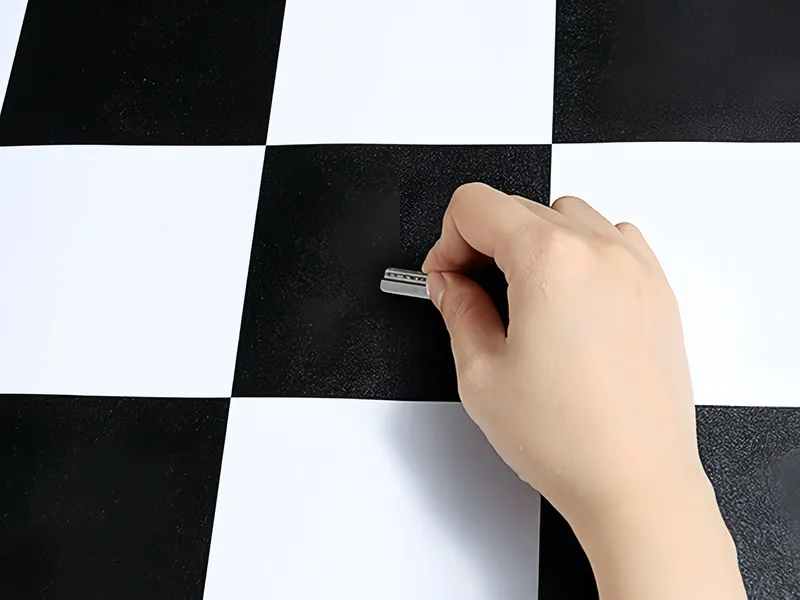
High-performance PVC film is a versatile, engineered surface material designed to protect substrates, enhance appearance, and enable durable lamination for furniture, interiors, industrial parts, and commercial signage. Whether you need scratch resistance for daily wear, chemical resistance for kitchens, stable color for advertising graphics, or easy-clean finishes for medical and public spaces, the right PVC film specification can dramatically improve product lifespan and user experience.

This guide breaks down core features, practical use cases, and a buyer’s checklist—so you can select PVC film with confidence, communicate requirements clearly, and avoid common sourcing mistakes.
“High-performance” is not one single property—it’s the combination of stable base film quality, consistent thickness control, reliable surface finishing, and application-matched functional coatings. In production, the most common foundation is calendered PVC film, valued for its uniformity and scalability.
PVC film is available in multiple structures and finishes. Choosing the right type depends on how the film will be processed (lamination, wrapping, printing, self-adhesive application) and what the end-user expects (touch, appearance, cleanability).
Calendered film offers consistent thickness and scalable production—ideal for decorative lamination, protective layers, and general-purpose industrial use. For a reference option, see
Calendered Film.
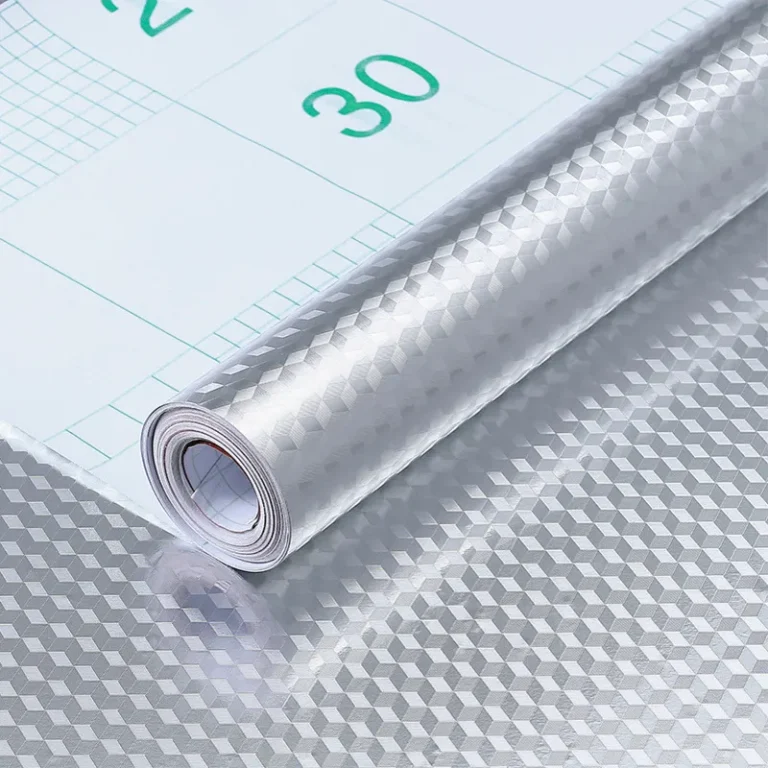
Embossed, 3D, silk-like, wood grain, marble, and brushed-metal effects help brands create premium surfaces while maintaining practical cleanability. For interiors that require both texture and modern aesthetics, a representative category is
3D Silk Texture Film.
Transparent film is widely used as a protective surface for panels, display boards, and components where visibility matters. Key checks include haze, clarity, surface defects, and whether the film is designed for temporary protection or permanent lamination.
Self-adhesive options reduce on-site labor and enable quick renovation in retail, rental spaces, and signage updates. Confirm adhesive type (removable/permanent), initial tack, and residue performance—especially for smooth painted walls, glass, metal, or laminated boards.
Thickness impacts stiffness, conformability, and durability. A slightly thicker film may improve scratch resistance and feel, while thinner films can wrap complex profiles more easily. Specify target thickness + tolerance, usable width, and roll length based on your laminator or wrapping line.
Tip: If you slit rolls in-house, confirm winding direction, core size, and splice policy to reduce downtime.
Finish affects both aesthetics and maintenance. High-gloss enhances color saturation for retail and furniture panels; matte reduces glare for office environments and premium cabinetry; soft-touch adds tactile comfort; embossed textures can hide fingerprints and minor scratches.
For signage and display panels, the film must accept ink cleanly and maintain color stability. Confirm the recommended ink system (solvent/eco-solvent/UV/latex), drying/curing compatibility, and whether an ink-receptive coating is required.
Quality check: request a small print test that includes gradients, solid blacks, and fine text—then evaluate rub resistance after full cure.
In electronics, anti-static helps reduce dust attraction and electrostatic risks. In humid environments or cold-to-warm transitions, anti-fog supports clarity. In kitchens and hospitality, oil resistance and cleanability influence long-term appearance and customer satisfaction.
PVC film performs across multiple industries because it can be tuned for appearance, protection, and processing speed. Below are the most common application clusters and what “good” looks like in each.
Used on cabinet doors, wardrobes, tabletops, and decorative panels. Typical requirements include scratch resistance, stain resistance, and stable color matching across batches. Wood grain patterns are a popular choice for residential and commercial furniture; a reference product category is
Wood Grain Film.
PVC film is widely applied to wall panels, partitions, ceilings, and skirting. When projects require quick upgrades with consistent finish, builders often prefer pre-finished decorative films that reduce painting and curing time. For skirting-related needs, see
PVC Skirting Film.
For modern interior looks that rely on uniform color without wood or stone pattern, solid color surface options are common; a representative reference is
Solid Color Wallpaper.
For electronics, appliance panels, and precision components, PVC film is selected for surface protection, insulation needs, and controlled friction. Anti-static and stable adhesion are often the most important specifications—especially where dust control and clean rooms are involved.
Signage applications may prioritize printability, flatness, and consistent color under strong lighting. Protective over-lamination films can reduce scratching during installation and transport, while maintaining a clean, professional appearance on-site.
In healthcare and clean production areas, buyers often require easy disinfection, low odor, and compliance documentation. Material safety, controlled additives, and traceable batches become essential—especially when the film may contact skin or be installed in sensitive rooms.
Clarify whether you’re doing flat lamination, membrane pressing, profile wrapping, printing, or self-adhesive installation. The same film pattern can behave differently depending on heat, pressure, and glue.
Decide between transparent vs decorative, smooth vs embossed, glossy vs matte, and whether you need functional coatings. If your product targets premium interiors, tactile finishes (soft-touch, silk texture, deep emboss) can increase perceived value.
Focus point: if fingerprints are a problem, request matte or fingerprint-resistant texture options and verify through handling tests.
A lab-perfect sample is not enough. Test under your real process: same glue, same press settings, same substrate, and the same cleaning method the end user will apply. Evaluate not only the initial look, but also post-processing shrinkage, edge lift risk, and surface scuffing.
What to document: press temperature/time, glue type, substrate batch, and the final acceptance criteria—so production can repeat the result.
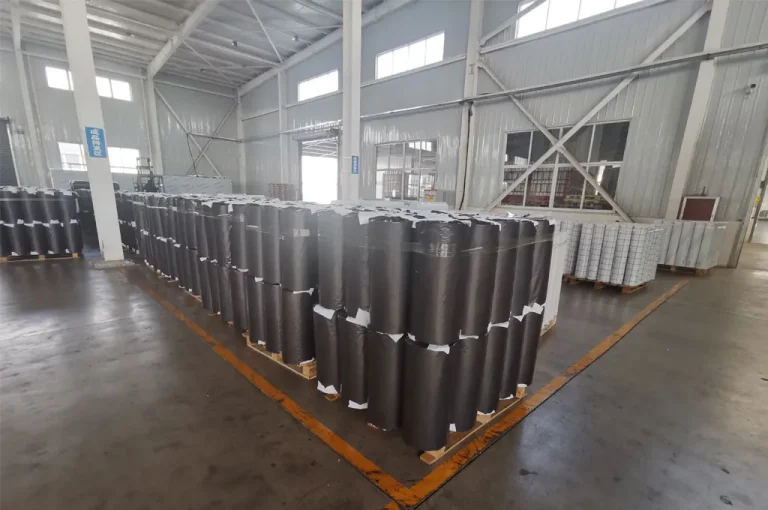
Consistency is a manufacturing capability, not just a promise. Prefer suppliers with end-to-end control (calendering, printing, slitting, packaging) and clear QC checkpoints from raw materials to finished rolls. Confirm packaging method (dust-proof wrap, labeled rolls), batch traceability, and export shipping protection.
⚑ Practical question to ask: “How do you control color drift and emboss consistency across different production lots?”
When a supplier manages calendering, printing, and slitting/packaging in-house, it’s easier to control thickness stability, surface finish, and delivery schedules. Full-process control can also reduce lead time and total cost by minimizing coordination gaps between factories.
PVC film is a thin sheet made from polyvinyl chloride used for decoration, protection, lamination, and packaging. It’s popular because it can be engineered for different textures, clarity levels, durability targets, and cost-effective mass production.
Most panel lamination uses calendered decorative PVC film. The “best” choice depends on your press method, glue system, target durability, and whether you need embossing, matte/gloss, or functional coatings. Always validate with a real-process sample test.
Yes. Many manufacturers offer OEM/ODM customization for thickness, width, roll size, surface finish, printing/pattern, and packaging—often including functional options like anti-static or anti-fog.
Common requests include ISO-related quality management proof, and material compliance such as REACH and RoHS. If your application involves food contact or sensitive environments, ask for applicable FDA-related declarations or third-party test reports.
Lock key specs in writing (including tolerances), approve a golden sample, require protective packaging, and request batch traceability. For new designs, start with a trial order and expand after confirming performance and consistency.