Address
304 North Cardinal St.
Dorchester Center, MA 02124
Work Hours
Monday to Friday: 7AM - 7PM
Weekend: 10AM - 5PM
Address
304 North Cardinal St.
Dorchester Center, MA 02124
Work Hours
Monday to Friday: 7AM - 7PM
Weekend: 10AM - 5PM


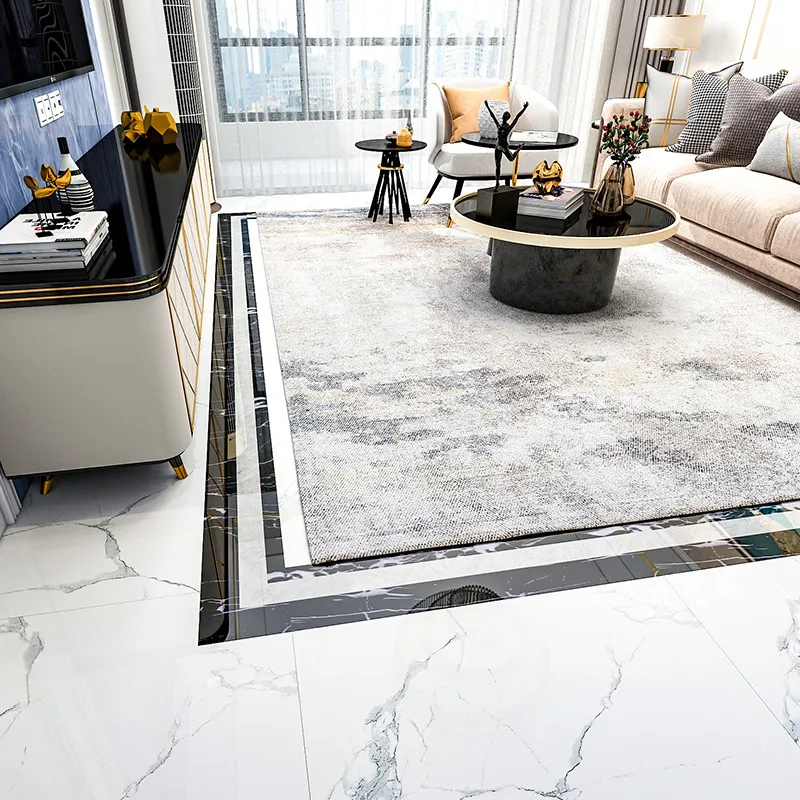
High-quality PVC film has become a practical, design-forward surface solution for modern furniture and interior projects. From realistic wood grain cabinet doors to scratch-resistant wall panels and moisture-proof trims, PVC decorative films help brands and contractors deliver consistent finishes, faster production cycles, and predictable maintenance costs—without sacrificing style. This guide explains what makes a PVC film “high-quality,” where it performs best, and how to choose the right specification for your next furniture or interior design job.
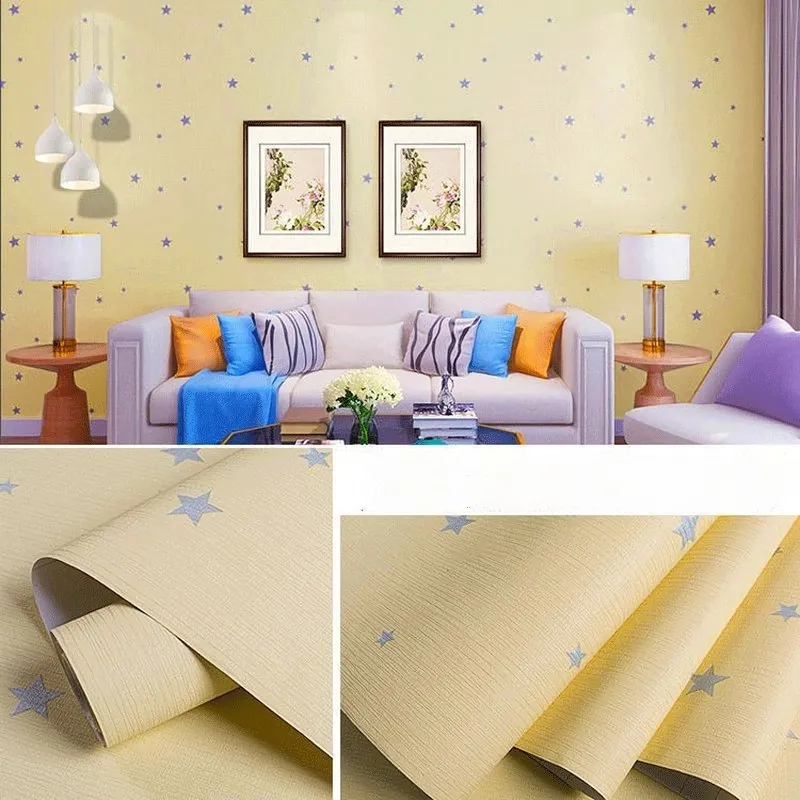
✔ What you’ll gain from this guide:
how PVC films are made, key performance indicators, popular textures and finishes, application best practices, and a practical buying checklist for OEM/ODM sourcing.
PVC film is a thin sheet made from polyvinyl chloride, engineered for decorative, protective, or functional surface applications. In furniture and interior design, it is commonly used as a finishing layer on MDF, plywood, particle board, SPC/WPC substrates, and various composite panels.
Compared with paint or natural veneer, PVC film can offer repeatable color/pattern consistency, high throughput in mass production, and easier cleaning for high-traffic environments such as kitchens, retail stores, offices, hotels, and rental apartments.
Cabinet doors, wardrobes, wall panels, skirting boards, office partitions, tabletops, doors, elevator interiors, and decorative profiles.
Calendered films, printed decorative films, embossed textures, soft-touch films, transparent films, and self-adhesive options.
“High-quality” isn’t only about how a film looks under showroom lighting. It’s about performance in real homes and commercial spaces: heat, steam, cleaning chemicals, daily abrasion, sunlight exposure, and long-term adhesion. When evaluating suppliers, focus on measurable indicators.
Premium decorative PVC films deliver stable color across production batches and high-definition print clarity for wood grain, stone, fabric, metal, and solid color styles. Look for controlled gloss levels (matte to high gloss) and consistent emboss alignment if you need “registered emboss” effects.
Furniture surfaces must resist micro-scratches from daily use. Quality films are engineered for better abrasion resistance, reduced staining, and easier cleaning—especially important for kitchens, kids’ rooms, hospitality projects, and rental properties.
During lamination or wrapping, films experience heat and tension. A stable film helps prevent shrinkage, edge lifting, or warping, improving yield in mass production. This is where a supplier’s process control (calendering, printing, slitting, packaging) becomes a direct cost factor for your factory.
For interior environments, prioritize films produced with eco-friendly, non-toxic inks and compliant formulations. Many buyers request documentation aligned with ISO systems and regulations such as REACH, RoHS, and relevant contact-safety requirements depending on the market and application.
⚑ Practical tip:
ask your supplier for batch traceability, test reports (thickness, adhesion, optics), and clear QC checkpoints from raw material inspection to finished roll verification. Consistency often matters more than “one perfect sample.”
Different surfaces require different film structures and finishes. Below are popular choices used by furniture OEMs, interior contractors, and material distributors.
Calendered films are produced through precision calendering for stable thickness and surface uniformity. They are widely used as a base material for decorative or functional layers, and they perform well in high-volume manufacturing.
If you are comparing core materials, see Calendered Film.
Wood grain remains a top choice because it balances warmth and versatility: Scandinavian light oak, walnut, ash, teak, and smoked tones can match minimal, modern, or classic interiors. High-quality wood grain films deliver natural pore depth with realistic embossing and stable color matching across production.
Explore options via Wood Grain Film.
Marble and stone styles are popular in feature walls, reception desks, wardrobe accents, and commercial interiors where designers want a “high-end” effect without stone installation complexity. Choose a film with good stain resistance if the surface will be touched frequently.
For reference: Marble Film.
Soft-touch finishes are often used on wardrobe doors, bathroom vanities, and premium cabinetry to create a smooth, matte tactile experience. Silk textures can add subtle visual movement while keeping fingerprints less visible than glossy surfaces.
Example product: 3D Silk Texture Film.
For skirting boards and interior trims, films are selected for scuff resistance and easy cleaning. Coordinating skirting film with wall and floor finishes helps achieve a more “built-in” look across rooms.
See PVC Skirting Film.
Matching the film to the room conditions is essential. The same “beautiful” finish can behave differently in a humid kitchen versus a dry office area.
Prioritize oil resistance, stain resistance, and stable adhesion near heat/steam zones. Matte or soft-touch can reduce fingerprint visibility.
Focus on color harmony, scratch resistance, and tactile comfort. Wood grain and silk textures are common for a warm, quiet aesthetic.
Choose finishes engineered for high traffic and routine cleaning. Consistent batch color helps maintain brand-standard look across locations.
A professional buying decision should translate design intent into clear technical parameters. Use this checklist when requesting samples, quotes, or OEM production.
Even with a trusted supplier, incoming inspection protects your production schedule. A simple, repeatable QC routine can prevent costly lamination defects and customer complaints.
Check print clarity, gloss uniformity, emboss depth consistency, and color match against your approved master sample. For wood grain, confirm grain direction consistency roll-to-roll if it affects panel matching.
Confirm thickness tolerance and look for pinholes, gel spots, streaks, or contamination. These defects may only appear after lamination, so catching them early avoids rework.
Run a small trial on your actual substrate and equipment settings. Evaluate edge behavior, wrapping corners, and any rebound/shrink after cooling. If you work with curved profiles, verify the film’s behavior on tight radii.
● Red flags to watch:
strong odor, unstable gloss bands, visible color shift between rolls, frequent edge lifting during trial, or inconsistent emboss feel across the roll length.
If you are sourcing for cabinets, doors, wall panels, or decorative profiles, supplier capability matters as much as the film sample. The best long-term results come from a manufacturer that can control the full workflow and support customization.
A manufacturer with integrated calendering, printing, slitting, and packaging can manage quality more consistently and respond faster to schedule changes. This also reduces the risk of mismatched batches caused by outsourcing multiple steps.
OEM/ODM projects often require specific thickness, width, roll length, emboss, gloss, and color matching. Confirm whether your supplier can reproduce your approved standard across future orders and provide documentation for repeatability.
For international shipments, rolls should be individually protected (dust/moisture protection), labeled clearly, and palletized for stable transit. Good packaging reduces edge damage and contamination—two common reasons for lamination issues.
Your ideal partner supports both small trial orders for evaluation and stable large-scale production with planned inventory and predictable lead times. This is particularly important for furniture brands running multiple SKUs or seasonal launches.
Application: (cabinet door / wall panel / skirting / profile wrapping)
Pattern & finish: (wood grain / marble / solid color; matte/gloss; emboss)
Spec: thickness ___ mm; width ___ mm; roll length ___ m
Quantity: trial ___ rolls; mass order ___ rolls or ___ meters
Compliance needs: REACH/RoHS/FDA or region-specific requirements; request reports
Even a premium film can fail if substrate prep or usage conditions are overlooked. The following practices help improve durability and reduce callbacks.
Ensure boards are dry, clean, and dimensionally stable. Dust, oil, and uneven sanding can reduce bonding and create surface telegraphing.
Align lamination temperature, pressure, and line speed to the film type and adhesive system. Maintain stable workshop conditions to minimize shrink or edge lifting.
For most interior PVC film surfaces, routine cleaning with a soft cloth and mild detergent is sufficient. Avoid harsh solvents unless the supplier confirms compatibility. For kitchens and commercial spaces, define a maintenance protocol to preserve gloss/matte appearance.
It is used as a decorative and protective surface layer for cabinet doors, wardrobes, wall panels, skirting, partitions, and other interior components—improving appearance, durability, and cleaning convenience.
Choose glossy for a bright, modern look; matte to reduce fingerprints and glare; and soft-touch when you want a premium tactile feel for high-contact surfaces like wardrobes and vanity units.
Yes. Many manufacturers can customize thickness, width, roll size, color/pattern printing, emboss, functional coatings (such as anti-static), and packaging based on your application and equipment requirements.
Quality interior-grade PVC films can be produced with compliant formulations and eco-friendly inks. Always request relevant compliance documents and third-party test reports according to your market requirements.
Provide the film type, application, thickness/width, finish (matte/gloss/emboss), color or pattern reference, quantity, and any compliance requirements. This helps suppliers recommend the correct structure and provide accurate pricing and lead time.