Address
304 North Cardinal St.
Dorchester Center, MA 02124
Work Hours
Monday to Friday: 7AM - 7PM
Weekend: 10AM - 5PM
Address
304 North Cardinal St.
Dorchester Center, MA 02124
Work Hours
Monday to Friday: 7AM - 7PM
Weekend: 10AM - 5PM


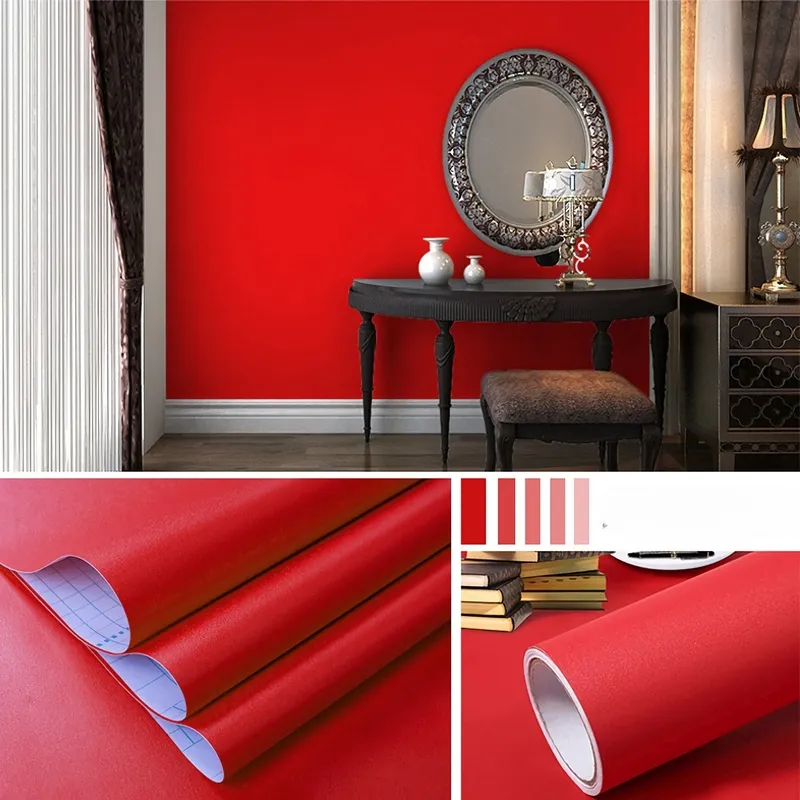
PVC film is one of the most versatile materials used in modern packaging, printing, and lamination—balancing performance, appearance, and cost across industries. Whether you need crystal-clear roll stock for protective wrapping, a printable surface for branding, or a lamination layer that improves abrasion and moisture resistance, selecting the right PVC film specifications matters for quality, efficiency, and compliance.
Key takeaway:
“High-quality” PVC film is not a single grade—it is a combination of resin formulation, calendering control, surface treatment, and QC consistency matched to your process (printing/laminating/packaging) and end-use demands.
In production environments, high-quality PVC film is defined by stable roll-to-roll behavior and predictable performance. For packaging lines, that means consistent thickness and flatness to prevent wrinkles and downtime. For printing and lamination, it means surface energy and coating compatibility that support ink adhesion and bond strength without haze, curl, or delamination.
✔ Thickness stability
Keeps printing pressure, lamination nip, and cutting accuracy consistent across long runs.
✔ Optical control
Clear, matte, frosted, or embossed finishes should remain uniform roll-wide and roll-to-roll.
✔ Process reliability
Low gel count, controlled shrinkage, and good layflat reduce waste and rework.
PVC film is available in multiple constructions and surface finishes. The “best” option depends on whether your priority is printability, heat/pressure lamination behavior, tactile feel, or protective function. A common industrial base is calendered PVC film, produced on precision calendering lines that deliver stable thickness and scalable volumes.
For a practical starting point, explore a dedicated overview of
Calendered Film
when you need dependable roll performance for packaging and downstream converting.
Common PVC film categories:
transparent film, matte/frosted film, embossed/texture film, pearlescent film, colored film, anti-static film, self-adhesive film, single-layer film, multi-layer laminated film, release/separation film, and packaging/protective film.
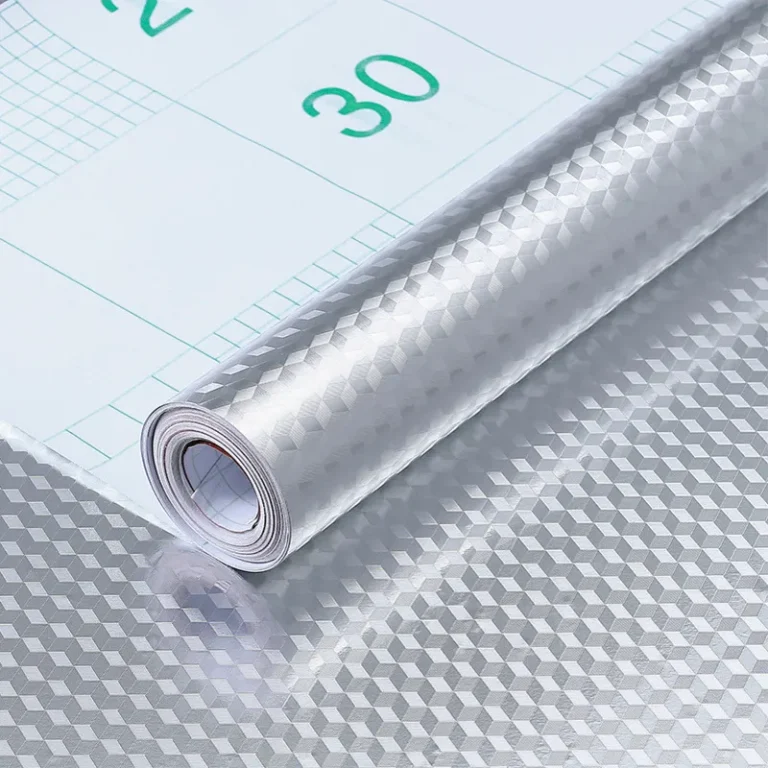
If your packaging or laminated product needs a premium “touch and feel” or distinctive look, texture films can add perceived value without complex assembly. Examples include silk textures, brushed effects, and 3D embossing patterns that mask minor surface imperfections and improve handling.
For design-forward lamination projects, consider referencing
3D Silk Texture Film
as a benchmark for texture uniformity and consistent emboss depth.
In furniture, doors, wall panels, and fixture surfaces, PVC films are often laminated onto MDF/plywood/particleboard. Here the film must handle heat, pressure, and adhesive systems while keeping color stable and minimizing shrink-back.
Two frequently requested aesthetics include:
Wood Grain Film
for natural warmth and
Marble Film
for modern, high-contrast décor. Even if your primary focus is packaging, these references help evaluate print/emboss realism and surface consistency.
Purchasing PVC film without a clear spec sheet usually leads to avoidable issues: ink scratch-off, lamination bubbles, excessive curl, or cutting drift. A good buying checklist should cover dimensions, mechanical properties, surface properties, and compliance.
For packaging and printing lines, thickness variation can cause tension instability, wrinkling, and inconsistent sealing/lamination pressure. Ask suppliers for typical tolerance ranges and whether they provide batch traceability. If you slit rolls into narrower widths, consistent gauge becomes even more important because it impacts winding hardness and edge quality.
Printing on PVC film often requires a controlled surface condition. If ink anchorage is a priority, confirm the intended printing method (gravure, flexo, screen, digital) and request sample testing on your actual press settings. When needed, specify coatings or surface treatments that support stable adhesion without compromising clarity or flexibility.
In lamination, failures typically show up as bubbles, silvering, edge lifting, or curl. These issues often trace back to mismatched adhesive type, incorrect film stiffness, or uncontrolled shrinkage. Share your lamination process details (hot/cold lamination, PUR, solvent-based, water-based, EVA) so the film formulation and surface can be matched to your line.
High-quality PVC film supports a wide range of applications because it can be engineered for transparency, texture, durability, and functional performance. In packaging, it may be used for protective wrapping, visual windows, or display-oriented films. In printing, it becomes a branding carrier. In lamination, it becomes a surface protection and decoration layer for panels and formed parts.
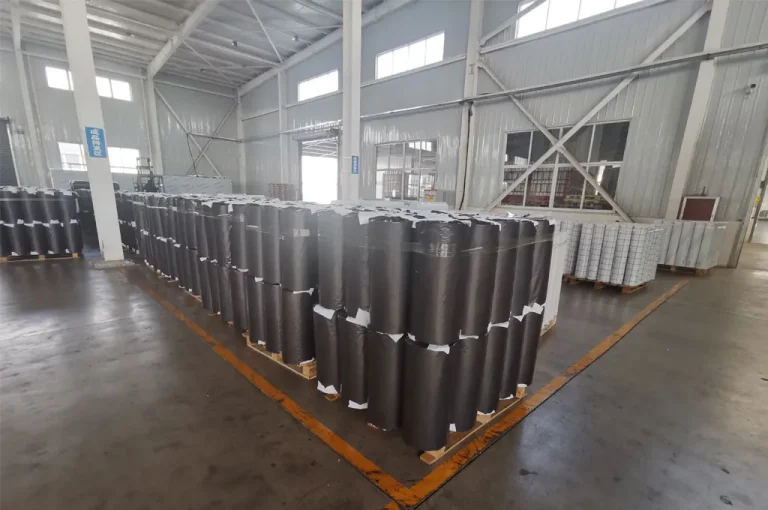
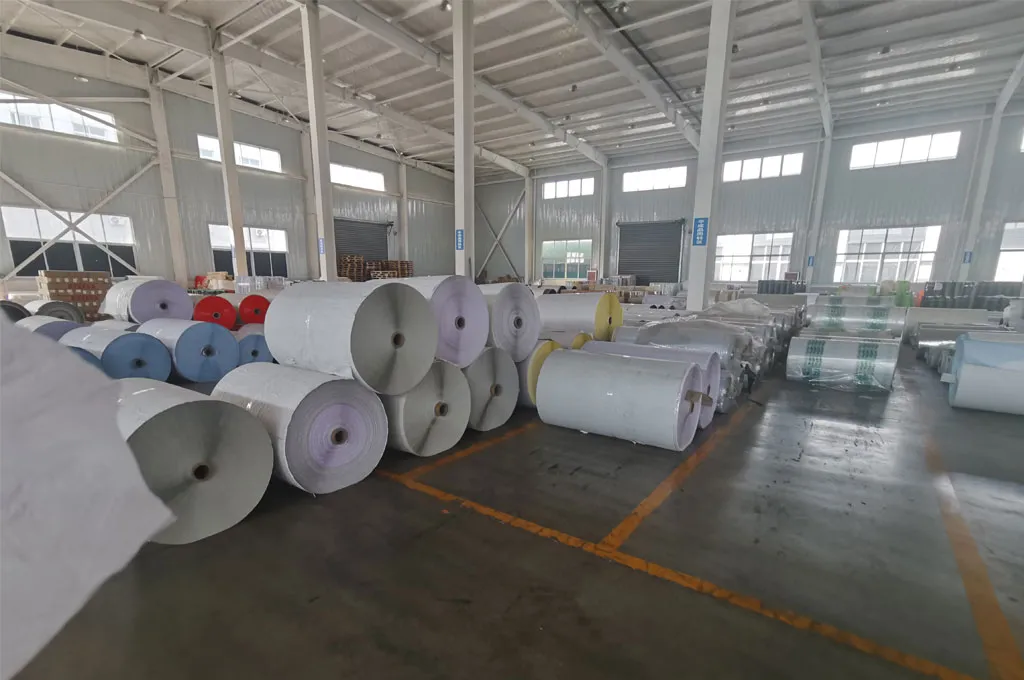
A major differentiator in PVC film sourcing is whether the supplier controls the full workflow—because each handoff increases risk of variation. Pulivk Film operates integrated capabilities across calendering, printing, and slitting/packing, enabling tighter quality control and shorter lead times from raw material to finished rolls.
Calendering, printing, and slitting/packaging are coordinated to maintain stable specs and reduce conversion loss.
Rolls can be slit to your required widths and protected with dust-resistant PE film or kraft paper, with clear spec labels for traceability.
Multiple QC checks from raw materials to finished rolls help keep thickness, appearance, and performance consistent batch-to-batch.
If you are developing a new packaging line, a branded printed film, or a laminated surface product, OEM/ODM capability reduces iteration cycles. Pulivk Film supports customization across thickness, width, roll size, color/pattern, printing, and packaging, plus optional functional treatments such as anti-static, anti-fog, and food-grade coatings depending on the application.
Tip for faster sampling:
Provide your target thickness, finish (gloss/matte/embossed), printing method, lamination adhesive type, and the environment the product will face (humidity, abrasion, cleaning agents). The more process data you share, the less guesswork in formulation and testing.
For packaging—especially where indoor use or human contact is expected—buyers increasingly request safer formulations and documentation. Pulivk Film uses environmentally friendly, non-toxic inks and provides compliance support. When your market requires it, request documentation aligned with relevant standards such as ISO 9001, ISO 14001, REACH, RoHS, and FDA, and ask whether third-party test reports are available for your target item.
A reliable buying process reduces total cost by preventing line stops, rejected prints, and warranty complaints. Use the steps below to align engineering, purchasing, and quality expectations before mass production.
Packaging vs printing vs lamination requires different stiffness, surface, and tolerance targets. List your equipment settings and operating speed.
Thickness tolerance, finish, treatment/coating, roll format, and compliance documents should be agreed before sampling.
Test on your press/laminator/cutter. Validate ink adhesion, bond strength, curl, clarity, and scratch resistance.
Ask how rolls are protected (PE/kraft wrap), labeled, and inspected. Confirm allowable defects and measurement methods.
Evaluate supplier planning, inventory strategy, and export packaging to ensure on-time arrival and consistent batches.
To receive an accurate quotation quickly, provide: film type (transparent/matte/embossed), thickness, width, roll length, core size, target finish, printing method (if any), lamination adhesive type (if any), order quantity, destination port, and any compliance requirements. If you need small trial orders first, ask for MOQ options and sample lead time.
Specify your printing method and request the correct surface treatment/coating. Validate with tape test/scratch test on your own press conditions and curing settings.
Curl is often a balance problem (film stiffness + adhesive + temperature). Adjust film thickness, lamination temperature/pressure, and confirm shrinkage behavior with pre-tests.
Check thickness tolerance, winding hardness, and edge quality. Confirm the roll OD/ID and ensure your tension control matches the film’s stiffness.
PVC film is used for decorative surfaces, industrial and protective packaging, printing substrates, and lamination layers to improve durability and appearance.
Yes. OEM/ODM options typically include thickness, width, roll length, finish (gloss/matte/embossed), color/pattern, printing, and packaging format.
MOQ depends on film type and customization level. Many suppliers support trial orders; share your specs and target volume for an exact MOQ.
Depending on the application, PVC film can align with ISO systems and product compliance such as REACH, RoHS, and FDA—request documentation and test reports for your market.
Provide film type, thickness, width, roll size, finish, color/pattern, quantity, and your printing/lamination process details so the supplier can match the right formulation and send samples for evaluation.