Address
304 North Cardinal St.
Dorchester Center, MA 02124
Work Hours
Monday to Friday: 7AM - 7PM
Weekend: 10AM - 5PM
Address
304 North Cardinal St.
Dorchester Center, MA 02124
Work Hours
Monday to Friday: 7AM - 7PM
Weekend: 10AM - 5PM


Home decoration PVC film has become one of the easiest ways to upgrade interiors without the cost, dust, and downtime of traditional renovation. As a stylish, waterproof, peel-and-stick wrap, it can quickly refresh furniture, cabinets, doors, and even feature walls—making it popular for rentals, busy family homes, and commercial spaces that need fast visual improvements.
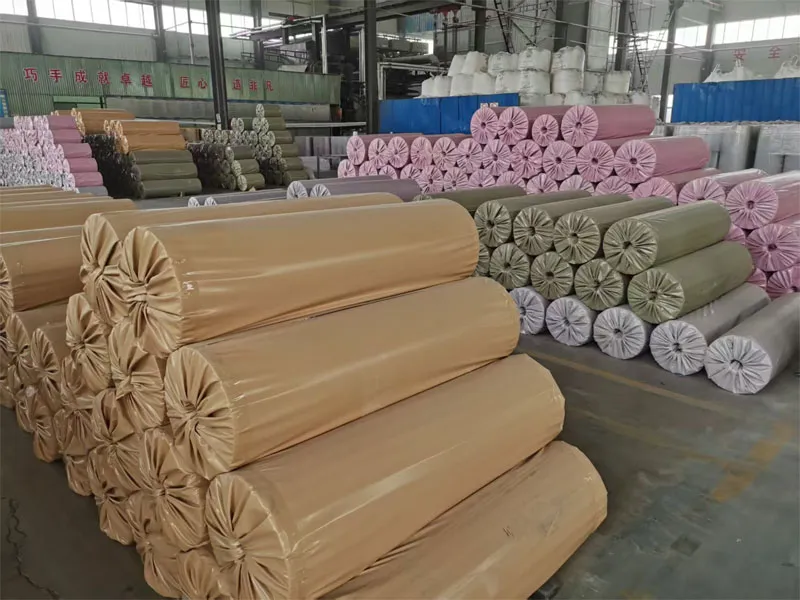
Unlike paint (which needs curing time and can highlight surface flaws), PVC decorative film offers instant pattern, texture, and protection. From realistic wood grain to marble, solid colors, soft-touch finishes, and embossed 3D textures, a well-chosen wrap can make worn surfaces look new while adding a water-resistant, easy-clean layer.
✔ Quick takeaway:
PVC peel-and-stick film is ideal when you want fast results, low mess, and waterproof everyday protection for high-touch surfaces like cabinets, tables, and walls.
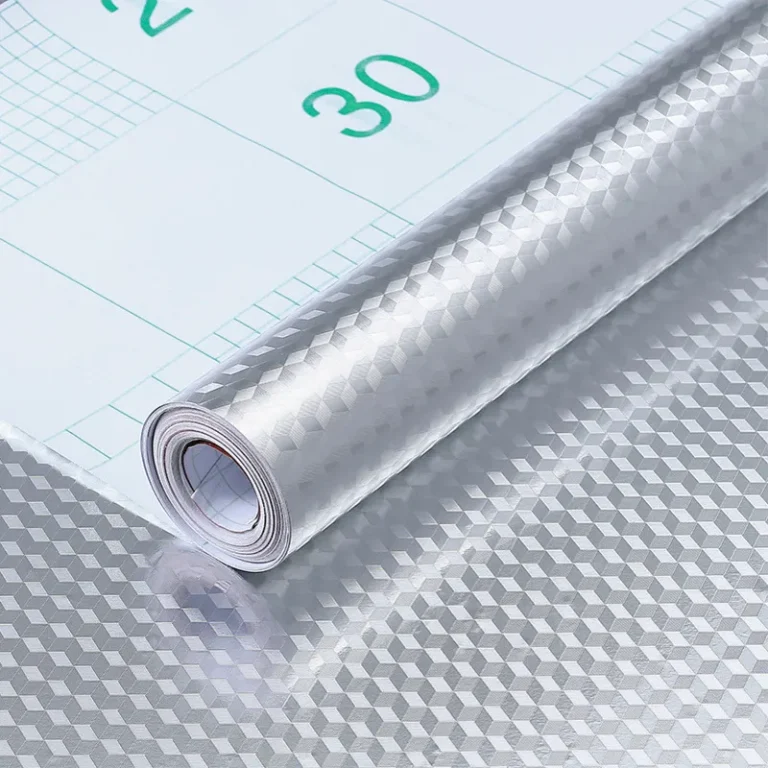
PVC film is a thin, flexible sheet made from polyvinyl chloride, engineered for decorative and protective uses. In home décor applications, it’s commonly produced as calendered or decorative film, then finished with surface textures (matte, glossy, embossed, brushed) and sometimes integrated with self-adhesive backing for peel-and-stick installation.
Modern decorative PVC films can be made to mimic materials that are expensive or difficult to maintain—such as natural wood veneer, stone slabs, or metal panels—while remaining lightweight and easy to cut. For users, the real benefit is the combination of aesthetic upgrade + durability + simple cleaning.
Home surfaces get daily wear: splashes in the kitchen, humidity in bathrooms, scratches from chairs, and scuffs on cabinets. A quality PVC wrap acts as a “new skin” for the surface underneath—helping protect it while changing the look.
Decorative PVC film is versatile because it adheres to many smooth, clean substrates. It’s commonly used where appearance matters and cleaning is frequent.
Cabinet doors are one of the highest-impact surfaces in a kitchen makeover. A waterproof wrap can hide faded laminate, minor scratches, or outdated colors. Choose matte or wood grain for a warm look, or glossy finishes for a contemporary style. If your kitchen needs extra protection from grease, consider pairing cabinet wrap with specialized kitchen surface films such as Kitchen Anti-oil Film in heavy-cooking zones.
Furniture wrapping is especially popular for renters because it can update color and texture without permanent changes. A wood grain film can make flat MDF panels feel more premium; a marble pattern can modernize a side table; a soft-touch finish can reduce fingerprint visibility on wardrobe doors. For sleek finishes, explore options like Glossy Wardrobe Film.
When you want a fast “wow” moment—behind a TV, in an entryway, or in a bedroom headboard wall—PVC wall films provide color and pattern without paint odor. Solid colors work well in minimalist spaces; textured patterns add depth in large rooms. For clean, modern palettes, Solid Color Wallpaper offers a simple way to build a cohesive theme.
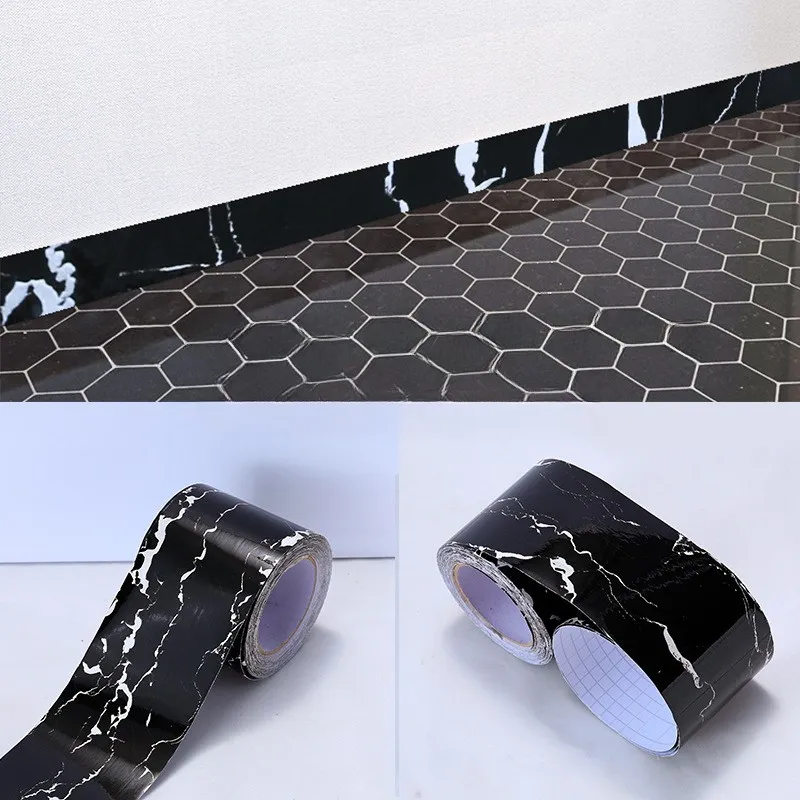
Skirting boards often get scuffed by shoes, vacuum cleaners, and mops. Wrapping them helps keep a crisp line between wall and floor, especially in high-traffic homes or commercial corridors. A dedicated option like PVC Skirting Film can improve uniformity and simplify maintenance.
Floor applications require stronger wear resistance and slip considerations than cabinets or walls. If you’re updating flooring, use a product designed for the job—such as Floor Film—and always verify suitability for your surface and traffic level.
Style selection is where PVC decorative film really shines. You can match current interior trends or create timeless finishes that work across different rooms.
Wood grain: Cozy and natural-looking; great for Scandinavian, Japandi, and classic interiors. For dedicated options, see Wood Grain Film.
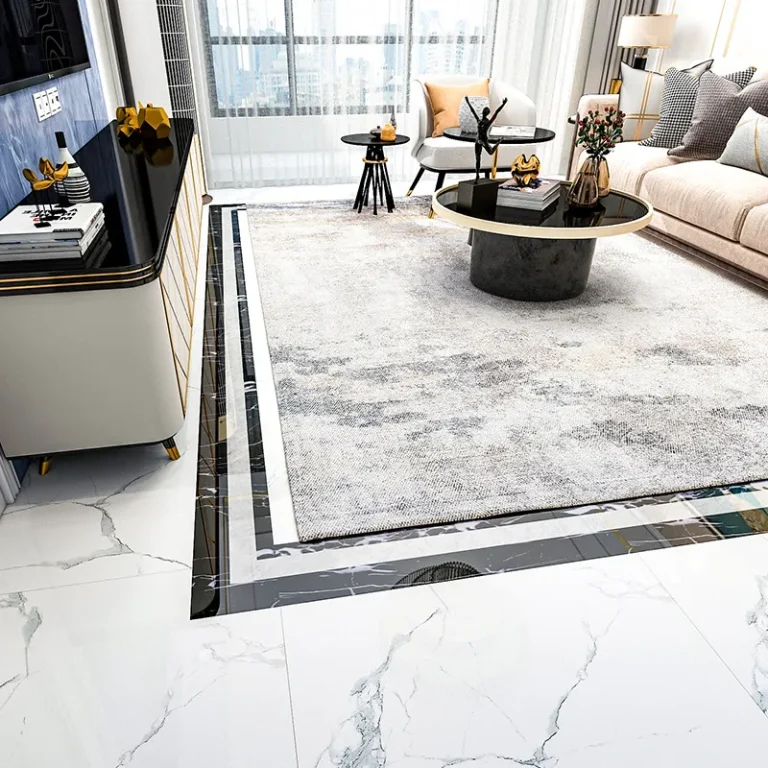
Marble/stone: Elegant, brightens small spaces, and pairs well with gold/black hardware.
Matte solid colors: Clean, modern, reduces glare; ideal for minimalist kitchens and wardrobes.
Embossed & 3D textures: Adds tactile depth; helps disguise minor surface imperfections.
Not all films perform the same. The best choice depends on where you install it, how often it’s cleaned, and what visual effect you want.
Glossy looks premium and bright but shows fingerprints more easily. Matte feels modern and hides smudges. Embossed/textured adds realism (especially for wood and fabric patterns) and can mask small dents.
For kitchens, bathrooms, laundry rooms, and areas near sinks, prioritize water resistance and easy wipe-clean performance. If you regularly use cleaning sprays, choose films designed to withstand routine chemical exposure and avoid harsh abrasives that can dull the surface.
Peel-and-stick films are designed for convenience, but adhesion strength varies. For rentals, look for reliable bonding that still allows clean removal under proper conditions. For long-term installations (commercial cabinetry, heavy-use furniture), stronger adhesive systems may be preferable.
Best results come from smooth, clean, dry surfaces. Dust, oil, and moisture are the most common reasons films fail early. If the substrate is porous, flaky, or heavily textured, adhesion may be inconsistent—plan for priming, sealing, or using a different finishing method.
Good installation is what makes the wrap look “factory-finished” instead of DIY. You don’t need professional tools, but you do need patience and clean technique.
Cut the film slightly larger than the surface (usually 1–2 cm extra on each side). This margin helps you align patterns and wrap edges neatly.
Kitchen doors and handles areas often hold invisible oil. Clean thoroughly, rinse if needed, and let the surface dry. Moisture trapped under film can cause lifting over time.
Peel back a small portion of the liner and squeegee from the center outward as you go. Work slowly to avoid wrinkles and keep tension even.
Light heat makes PVC more flexible, helping it conform around corners. Avoid overheating; too much heat can stretch the pattern or weaken adhesion at edges.
Use a sharp blade for crisp cuts. Press edges firmly, especially near sinks and stove areas where steam and cleaning are frequent.
Tip:
If you see a small bubble, lift the film back gently and re-squeegee. For tiny stubborn bubbles, a pinhole can release air—then press flat with a card.
One of the biggest advantages of PVC décor film is easy maintenance. For routine cleaning, use a soft cloth with mild soap and water. Avoid scouring pads and harsh solvents unless the film is specifically rated for them.
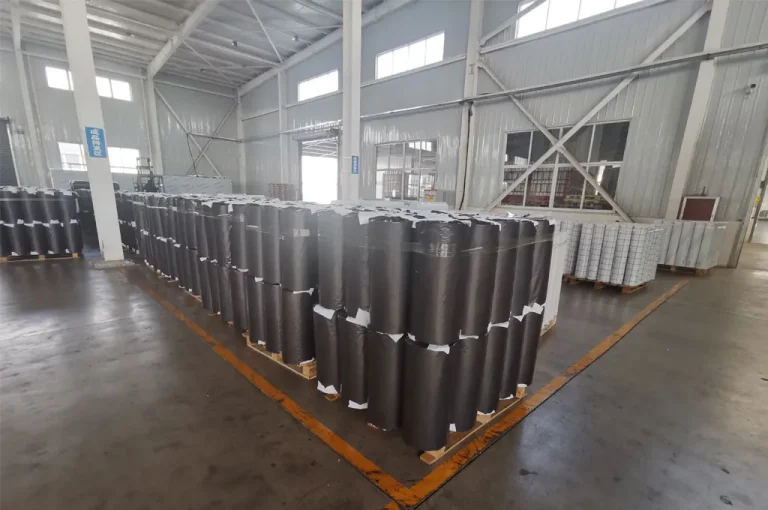
Film performance depends heavily on raw materials, process stability, and consistent QC. Manufacturers with full in-house production—covering calendering, printing, and slitting/packaging—can better control thickness consistency, surface appearance, adhesion behavior, and delivery timelines.
Pulivk Film focuses on PVC film R&D and manufacturing across multiple categories (decorative films, calendered films, self-adhesive options, transparent and functional films). With end-to-end production capability, films can be customized by width, thickness, roll size, pattern, and packaging, while maintaining stable quality through multi-stage inspection.
If your goal is to visually expand a room, PVC film can help with light, reflection, and continuity:
Most DIY issues come from rushed prep or applying film on the wrong surface.
Most decorative PVC films are water-resistant and suitable for wipe-clean use. For constant wet exposure (showers, submerged edges), choose films designed for wet zones and ensure edges are sealed properly.
It works best on smooth, sealed, clean surfaces. On textured walls, the film may not fully contact the surface, reducing adhesion and making bubbles more likely.
If the substrate is stable and the adhesive is appropriate, removal is usually manageable. Problems happen when surfaces are weak (flaking paint, low-quality laminate) or when heat/steam has degraded the bond over time.
Lifespan depends on film quality, installation, cleaning habits, and exposure to heat/UV. In normal indoor conditions with proper prep, it can remain attractive for years.
Yes. Many manufacturers provide OEM/ODM customization for thickness, width, roll length, color matching, printing, and packaging—useful for furniture factories, contractors, and brand owners.