Address
304 North Cardinal St.
Dorchester Center, MA 02124
Work Hours
Monday to Friday: 7AM - 7PM
Weekend: 10AM - 5PM
Address
304 North Cardinal St.
Dorchester Center, MA 02124
Work Hours
Monday to Friday: 7AM - 7PM
Weekend: 10AM - 5PM


 ByPulivk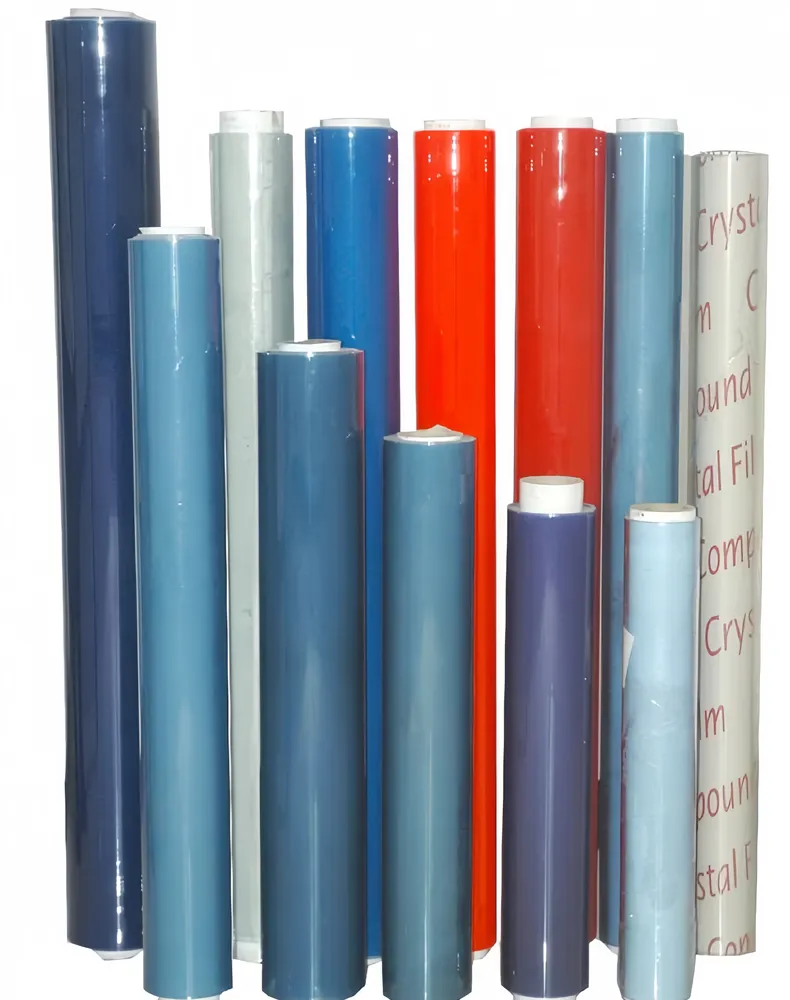
Achieving a truly robust and long-lasting PVC film is a critical objective for manufacturers across furniture, construction, and packaging industries. The journey from a standard polyvinyl chloride compound to a high-performance tough film with PVC requires a deep understanding of material science and processing precision. Whether you are developing floor film that withstands heavy foot traffic or wood grain film for durable furniture surfaces, the underlying principles of durability enhancement remain paramount. This comprehensive guide explores the effective methods and actionable tips to significantly improve the PVC film toughness, tear resistance, and overall longevity of your products.
Before manipulating the formula, it is essential to understand that PVC film in its pure form is rigid and brittle. Transforming it into a flexible, durable sheet requires strategic intervention. The key to a tough film with PVC lies in the careful selection of raw materials and the optimization of the manufacturing process. Factors like the polymerization degree of the PVC resin, the type and quantity of additives, and the mechanical stretching during production all directly influence the final calendered film properties. A higher K-value resin generally offers better mechanical properties, but it requires more careful processing to avoid degradation.
The formulation is the heart of material performance. To engineer a superior tough film, the additive package must be meticulously balanced.
Plasticizers are the primary agents that transform rigid PVC into a flexible material. However, not all plasticizers contribute equally to durability. While general-purpose ortho-phthalates offer flexibility, they can migrate over time, leading to embrittlement. For long-term toughness, polymeric plasticizers based on adipic or azelaic acid are often preferred. These high-molecular-weight additives exhibit superior resistance to extraction and migration, ensuring the PVC decorative film remains flexible and crack-resistant throughout its service life. Phthalate-free and bio-based plasticizers are also gaining traction for applications requiring strict regulatory compliance.
To specifically address impact resistance and tear strength, incorporating modifiers is non-negotiable. Acrylic impact modifiers can dramatically enhance the low-temperature impact resistance of PVC film, preventing shattering in cold climates. Furthermore, adding ultra-fine calcium carbonate or specific nano-clays can act as reinforcing fillers. These particles dissipate energy and arrest crack propagation, effectively creating a more robust matrix without severely compromising the clarity of a glossy wardrobe film. The dispersion quality of these particles is critical to avoid stress concentration points that could weaken the structure.
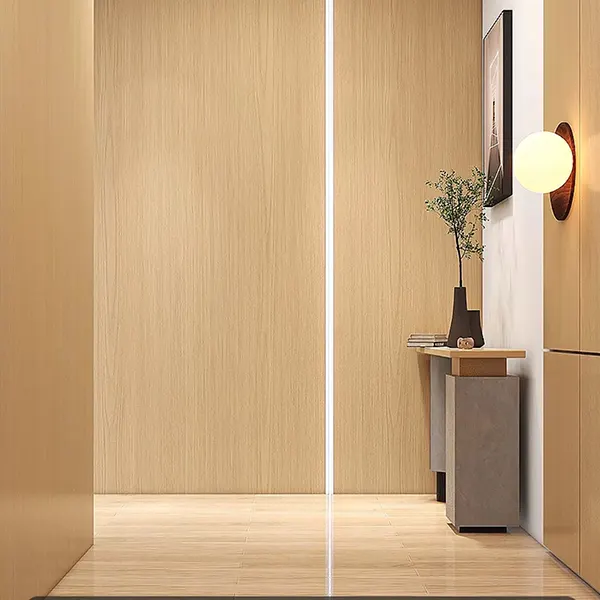
The mechanical history of the film during production is just as important as its chemical composition. A precise calendered film process can orient polymer chains, naturally increasing strength.
| Process Parameter | Impact on Durability | Optimization Tip |
|---|---|---|
| Roll Temperatures | Influences crystallinity and residual stress. Incorrect temps cause brittleness. | Maintain a precise gradient from the first to the last roll to allow gradual melting and cooling. |
| Friction Ratio | Shear force aligns polymer chains, generating tough film properties. | Adjust the differential speed between rolls to optimize molecular orientation. |
| Cooling Rate | Rapid quenching can “freeze in” orientation but may create internal stress. | Use a controlled, multi-stage cooling process to relax stresses while preserving toughness. |
For the most demanding applications, a single-layer film may not suffice. Multi-layer co-extrusion technology allows manufacturers to combine the best properties of different formulations. A core layer rich in impact modifiers and strength agents can be sandwiched between surface layers optimized for aesthetics, PVC skirting film adhesion, or printability. This layered architecture enables the creation of a PVC film that is exceptionally tough in its core while maintaining a flawless decorative surface, effectively balancing internal strength with external beauty.
While bulk properties define basic strength, the surface often dictates the initial point of failure. Abrasion, scratches, and environmental attacks begin on the exterior. Applying advanced surface coatings can transform a standard film into a high-durability product. UV-curable acrylic or polyurethane topcoats provide excellent scratch and chemical resistance, making them essential for floor film or heavy-traffic decorative surfaces. Embossed textures, popular in 3D silk texture film, not only provide aesthetic depth but can also physically mask minor scratches and enhance the tactile feeling of durability.
A genuinely durable film must not warp, shrink, or expand excessively with temperature changes. Dimensional instability can lead to delamination or cracking on substrates. To evaluate this, manufacturers rely on specific test standards. Understanding the film’s behavior under heat, as outlined in specifications for PVC Film Dimensional Stability, is crucial for predicting long-term performance. A dimensionally stable PVC film will maintain its integrity and appearance even in fluctuating environmental conditions.
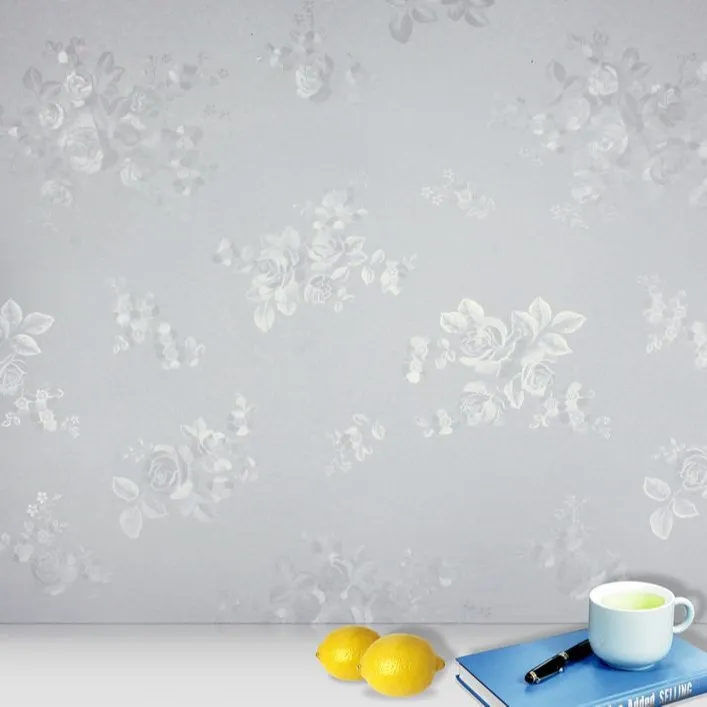
Investing in robust testing protocols is the only way to guarantee that a tough film claim holds true. Standardized tests provide quantifiable data to compare formulations and processes. Key physical property tests for assessing toughness include:
At Henan Pulivk New Materials Co., Ltd., these quality checkpoints are integrated into every stage of our in-house calendering and finishing lines, ensuring that every batch of our custom PVC film meets the rigorous demands of global export markets.
The search for a superior tough film with PVC is a continuous journey, with material science constantly introducing new solutions. Advanced nano-silica and carbon nanotube additives are being explored for their extraordinary ability to reinforce the matrix at a molecular level. These materials can offer dramatic improvements in stiffness and toughness without increasing thickness, allowing for thinner yet stronger marble film or anti-scratch protective layers. Furthermore, advanced co-stabilizer systems ensure that the film retains its physical properties for longer, delaying the onset of degradation that leads to brittleness.
For businesses sourcing PVC film, partnering with a factory that offers deep customization is essential. Here are key steps to ensure you receive a product that meets your durability needs in practice:
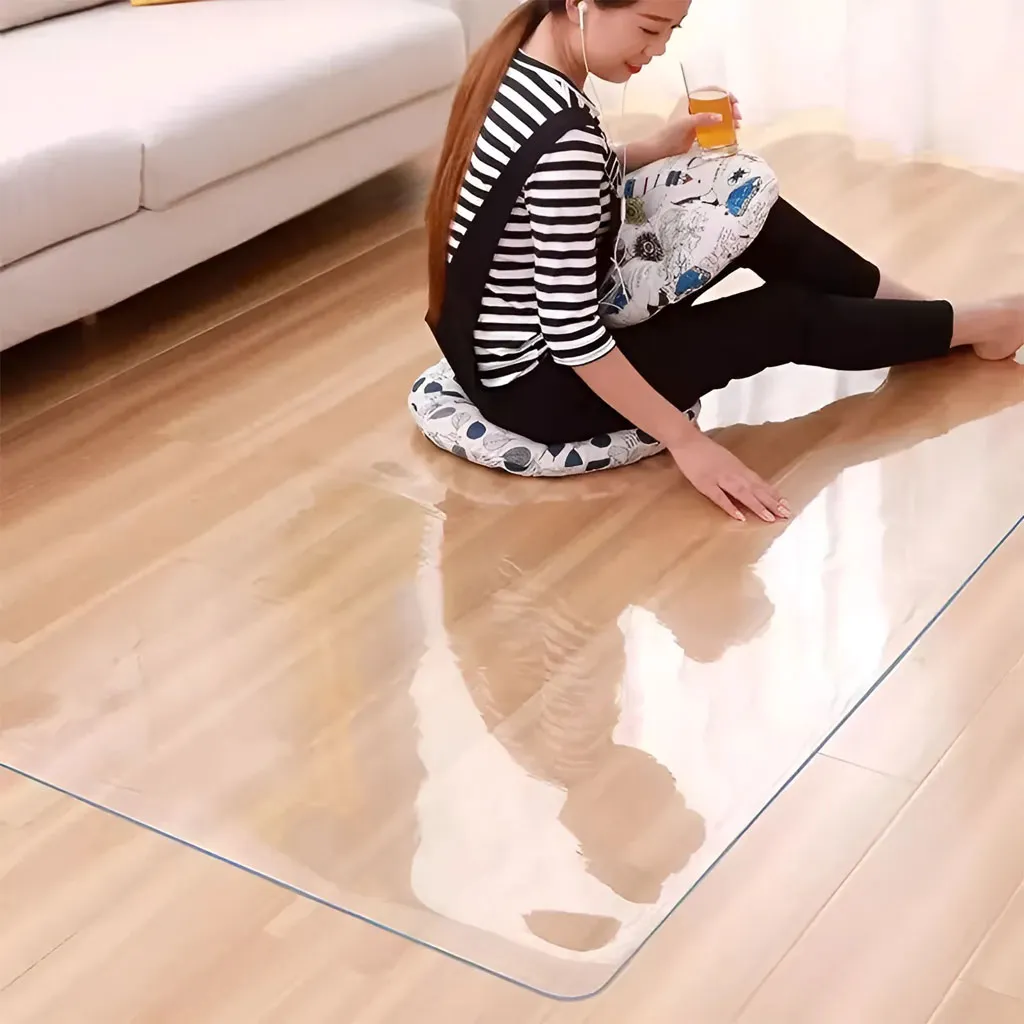
Mastering the art of producing a tough film with PVC is a multifaceted challenge that blends precise chemical formulation with expert mechanical processing. By strategically selecting high-molecular-weight plasticizers, incorporating impact modifiers, optimizing calender roll parameters, and applying protective surface finishes, manufacturers can elevate standard film into a high-durability material. Whether the application is a decorative membrane for furniture or a robust barrier material, the principles of enhancing abrasion, impact, and dimensional stability remain the key. Through rigorous testing and a commitment to quality materials, the goal of a long-lasting, high-performance PVC film is not just an aspiration but a repeatable, scientific reality.