Address
304 North Cardinal St.
Dorchester Center, MA 02124
Work Hours
Monday to Friday: 7AM - 7PM
Weekend: 10AM - 5PM
Address
304 North Cardinal St.
Dorchester Center, MA 02124
Work Hours
Monday to Friday: 7AM - 7PM
Weekend: 10AM - 5PM


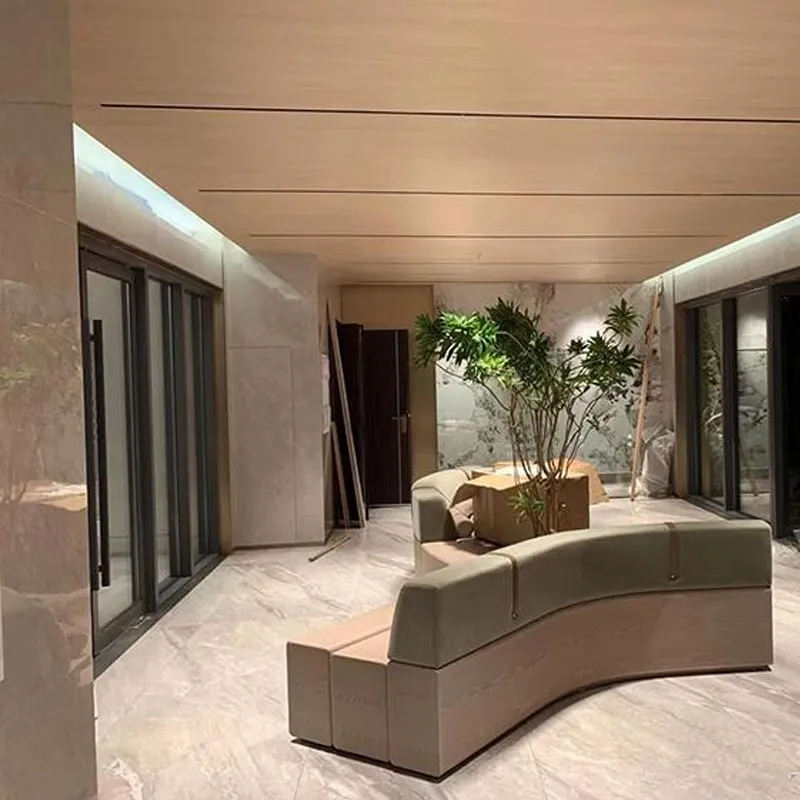
Proper storage of PVC film rolls protects product quality, reduces waste, and saves your business time and money. Whether you’re a warehouse manager, distributor, or installer, following proven best practices helps prevent warping, discoloration, and sticky layers—common issues that arise from poor storage conditions.
PVC film is sensitive to temperature, humidity, pressure, and sunlight. Left exposed or stored incorrectly, rolls can develop edge deformation, blocking (sticks together), fading, and adhesive failures on self-adhesive grades. Identifying these risks early guides effective prevention.
Keep storage spaces controlled and consistent. Aim for:
Temperature: 15–25°C (59–77°F). Avoid sudden fluctuations that cause condensation or softening.
Relative Humidity: 40–60% to prevent moisture uptake or static buildup.
Lighting: Store away from direct sunlight and strong UV sources to prevent yellowing and fading.
Airflow: Ensure gentle ventilation; stagnant, humid air increases risk of mold and surface tackiness.
How you place rolls matters as much as environment. Use stable racking and avoid stacking more than recommended:
Store rolls horizontally on padded supports or racks designed for roll goods to distribute weight evenly.
Avoid standing extremely heavy or large-diameter rolls on end for long periods—this may cause edge deformation.
When stacking, limit height based on core strength and roll diameter; always place heavier rolls at the bottom.
Protective packaging reduces dust, abrasion, and sticking between layers:
Keep factory wrap intact. If rewrapping, use dust-proof PE film or kraft paper and label clearly.
Insert protective tubes or cores where applicable to maintain roll shape.
For adhesive-faced films or films with release liners, ensure interleaving or silicone-coated liners are intact to prevent blocking.
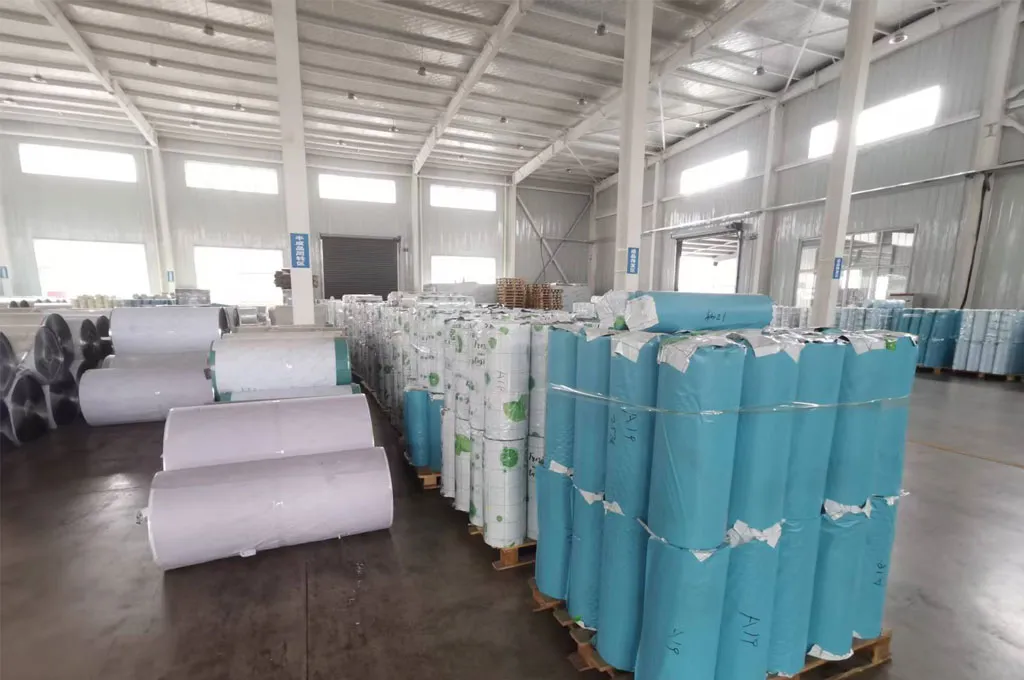
Minimize handling damage and contamination with these simple rules:
Always lift rolls with two people or mechanical aids when heavy. Do not drag rolls across concrete.
Wear clean, lint-free gloves to avoid fingerprints and oils on film surfaces.
Use soft-edged forklifts or roll clamps; avoid sharp contact on edges.
Storage strategy depends on duration. For short-term (<3 months), maintain manufacturer wrap and moderate climate control. For long-term (months to years):
Apply more robust packaging (double-wrapped PE and sealed cartons).
Control temperature more strictly and schedule periodic inspections for deformation or discoloration.
Rotate stock using FIFO (first-in, first-out) to avoid prolonged storage of older batches.
| Item | Recommended |
|---|---|
| Storage Temperature | 15–25°C (59–77°F) |
| Relative Humidity | 40–60% |
| Position | Horizontal on padded supports; limit stacking height |
| Packaging | Dust-proof PE or kraft paper; sealed if long-term |
| Inspection Frequency | Monthly for long-term storage; weekly in humid/variable environments |
Clear labeling (batch, production date, roll width/length, lot number) speeds picks and reduces errors. Use barcode/QR tracking where possible to maintain FIFO and track environmental exceptions.
If you find stickiness, odor, or visible deformation:
Move affected rolls to controlled conditions immediately and inspect for core damage.
For minor blocking, gently unwind and re-roll with a protective interleaf; do not apply heat to separate layers.
Document incidents and adjust storage or transport procedures to prevent recurrence.
During shipping, secure rolls to prevent shifting and protect from sun and rain. Use moisture barriers and palletize rolls with corner protectors. Communicate handling instructions to carriers to avoid stack collapse or wet exposures.
When purchasing or specifying PVC films, confirm packaging methods and storage recommendations from your supplier. For tailored production and packaging solutions, Pulivk can provide in-house manufacturing and split-packaging options suited to logistics and inventory needs.