Address
304 North Cardinal St.
Dorchester Center, MA 02124
Work Hours
Monday to Friday: 7AM - 7PM
Weekend: 10AM - 5PM
Address
304 North Cardinal St.
Dorchester Center, MA 02124
Work Hours
Monday to Friday: 7AM - 7PM
Weekend: 10AM - 5PM


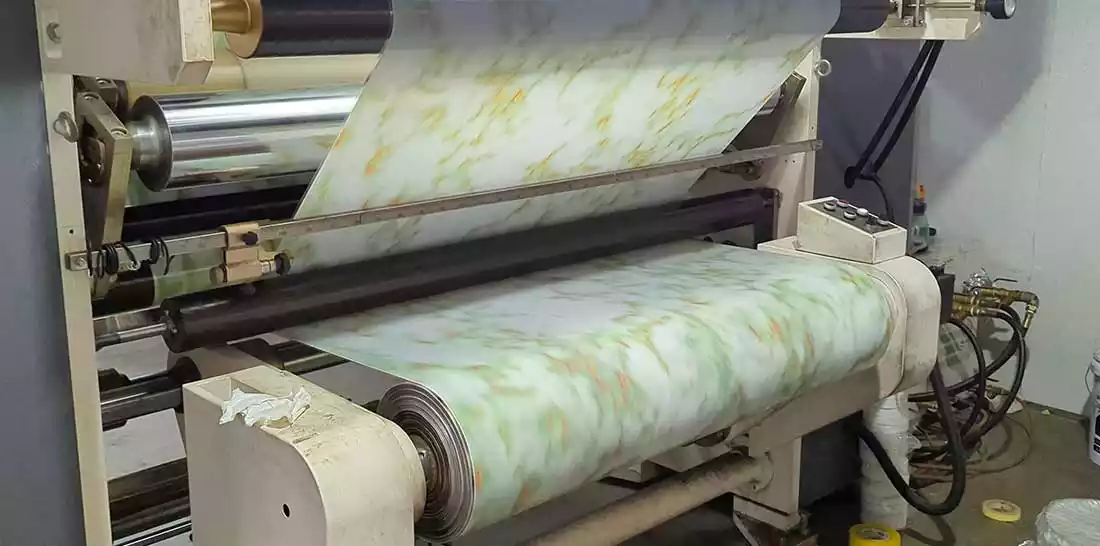
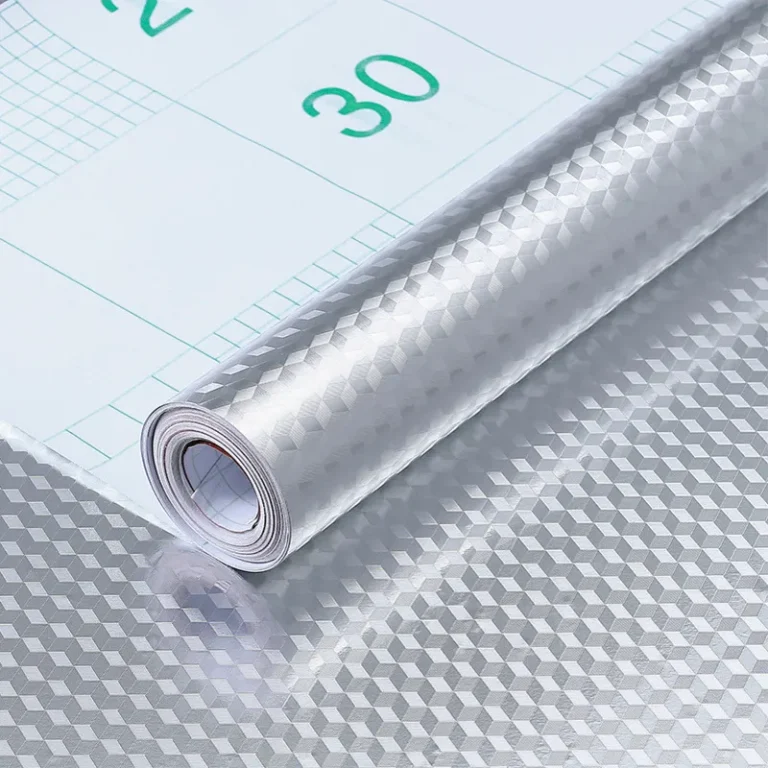
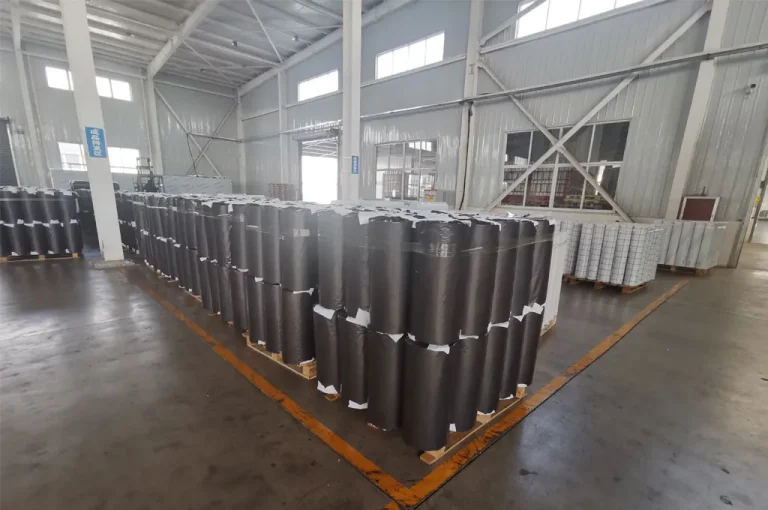
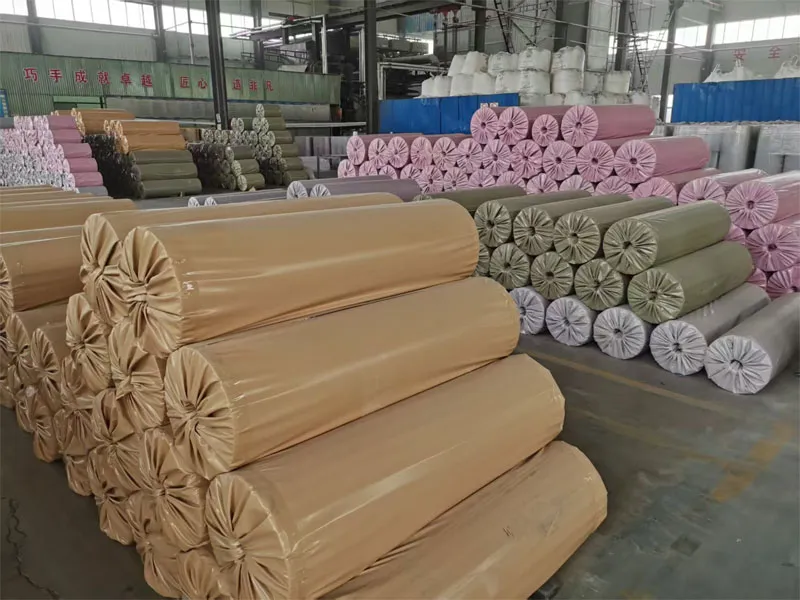
Industrial packaging PVC film is a practical material used to protect products during handling, storage, and transportation. From surface protection for panels and appliances to wrap and isolation layers in factories, PVC film is valued for its balance of strength, clarity, formability, and cost control. This guide explains real-world uses, key benefits, and a step-by-step method to choose the right thickness for your packaging line—so you reduce damage, improve efficiency, and avoid over-specifying film.
Key takeaway:
Thickness is only one variable. The right industrial PVC film spec is a system choice that combines thickness, hardness, surface finish, adhesive (if any), and application method (hand wrap, machine wrap, lamination, or temporary protection).
PVC film is a thin, flexible sheet made from polyvinyl chloride that can be produced in multiple structures—transparent, colored, matte, glossy, embossed, anti-static, self-adhesive, and more. In industrial packaging, PVC film typically serves one of three functions:
A common industrial base is calendered PVC film, which is widely used when you need stable thickness control, consistent appearance, and scalable production.
Industrial packaging needs vary by sector, but the selection logic is similar: protect the surface, keep items stable, and simplify downstream processing. Below are common scenarios where PVC packaging film performs well.
PVC film is used to protect MDF/plywood panels, cabinet doors, trims, and profiles against rub marks and dust. If you work with decorative surfaces such as wood grain or glossy finishes, packaging film helps preserve the visual quality customers expect.
Many manufacturers also pair packaging protection with decorative film solutions like wood grain PVC film for finished surfaces that need careful handling.
During warehousing and transport, profiles and finishing items are prone to edge scuffs and pressure damage. PVC film is frequently used to wrap or isolate skirting, trims, and decorative strips. For example, products like PVC skirting film highlight why surface integrity and uniform appearance matter from factory to installation site.
In electronics assembly and appliance manufacturing, PVC films can be specified with anti-static properties to reduce dust attraction and minimize electrostatic risk during handling. Protective films also reduce cosmetic defects on high-gloss panels, brushed textures, and display-facing parts.
In cleanroom workflows, the goal is controlled cleanliness and reliable packaging. Properly specified PVC film (with suitable inks, coatings, and compliance documentation when required) can be part of protective packaging systems where stable processing and consistent quality are prioritized.
Tip: If your packaged product has a “show surface” (gloss, soft-touch, brushed, or embossed), prioritize a film spec that controls blocking (film sticking to itself), surface marring, and adhesive residue (if using self-adhesive protection).
PVC film can be formulated for different hardness levels, allowing you to choose a feel that matches your packaging process: softer films conform around edges and complex shapes, while firmer films resist puncture and hold shape better in stacking.
Industrial packaging often requires precise widths, stable roll quality, and consistent winding. PVC film supports high-efficiency converting, including printing and slitting to custom roll formats—important when you need barcode labels, spec labels, or branded packaging visuals.
Transparent and high-clarity grades enable quick visual checks without unwrapping, which saves labor and reduces handling damage. If your workflow includes quality gates, transparency can directly improve throughput.
Surface options allow you to tune slip, appearance, and touch. For instance, an embossed texture may reduce contact marks and improve handling grip, while matte surfaces can reduce glare and fingerprint visibility. Decorative and textured capabilities (e.g., 3D silk texture film) demonstrate how surface engineering can impact both aesthetics and usability.
Thickness is a major cost and performance lever, but it does not automatically guarantee better packaging. What thickness typically affects:
What thickness may not solve by itself: poor slip behavior, blocking, adhesive residue, static attraction, or surface scuffing caused by incorrect hardness/finish. These are usually addressed by surface treatment, formulation, or a different structure (single-layer vs. multi-layer).
✔ Practical rule:
Choose thickness based on risk points (edges, corners, stack pressure, drop risk), then refine with surface and hardness to control scuffs and handling performance.
Start by clarifying the primary function:
surface protection (scratch prevention),
unitization (bundle stability),
or layer separation (prevent transfer and rub).
Each function favors different thickness, slip, and surface finishes.
List the most likely failure modes in your logistics chain:
Thickness guidance (general industrial packaging):
Use these as starting points and validate with trials on your line.
If you’re unsure, begin with a medium range and run a controlled trial: compare defect rate, wrapping speed, film break frequency, and total packaging cost (including rework and returns).
Geometry often matters more than weight. Thin, sharp corners can puncture film easily. High-gloss and soft-touch surfaces can show micro-scratches. For these “sensitive surfaces,” consider a film that combines:
adequate thickness + low-mar surface finish + (if needed) controlled adhesion.
A film that works in hand wrapping may fail on automated equipment if friction and tension aren’t aligned. Before finalizing thickness, confirm:
For applications involving indoor environments or potential human contact, buyers often request compliance documentation (e.g., REACH/RoHS/FDA where applicable) and assurances such as heavy-metal and phthalate controls. If your packaging is used in regulated supply chains, confirm documentation early to avoid requalification delays.
Single-layer films are widely used for cost-effective protection and stable converting. Multi-layer structures can be useful when you need combined properties—such as a tougher outer layer with a gentler contact surface to reduce marring.
Surface choice impacts both appearance and handling. Glossy looks clean but can show scratches; matte hides fingerprints and glare; embossed surfaces can reduce contact area and help prevent rub marks.
In electronics or dust-sensitive environments, anti-static treatments can improve yield. If your packaging environment has temperature swings or condensation risk, anti-fog properties may improve visibility and reduce water marks.
⚙ Spec checklist for RFQ:
thickness (μm), width (mm), roll length (m), core ID, surface (gloss/matte/emboss), color/clarity, hardness, functional treatment (anti-static/others), printing needs, application method, and target defect criteria.
Thicker film can increase cost and may reduce packing speed if stiffness creates poor conformity on edges. Instead, target your real failure point: if scratches are the issue, a different surface finish or softer contact layer may solve it better than adding microns.
Even the right thickness will fail if winding is inconsistent or edges are rough. Specify roll standards and validate with a small run on your own equipment.
If you use self-adhesive protective film, test peel behavior after realistic storage time and temperature cycles. A good spec should remove cleanly without leaving marks and should not lift coatings or inks.
Incoming inspection helps prevent packaging downtime and hidden defects. Typical checks include:
If you need ongoing optimization resources, a knowledge hub can be useful for material selection and use cases; see PVC film knowledge for related topics and updates.
The “best” thickness is the lowest thickness that consistently meets your protection target with process stability. To optimize total cost, measure:
Result focus:
A well-chosen film reduces “hidden costs” such as cosmetic rejects, customer complaints, and line stops—often delivering a better ROI than simply buying the cheapest roll.
Many general applications start in the 80–150 μm range, then adjust based on puncture risk, surface sensitivity, and packaging method. Always validate with a line trial.
Not always. Thicker film can improve puncture resistance, but scratches and scuffs may be better solved with a different surface finish, hardness, or structure.
Yes. Common options include anti-static, different gloss levels, embossed textures, and special coatings depending on your industry and process requirements.
Provide thickness, width, roll length, core size, target surface (gloss/matte/emboss), color/clarity, any functional needs (anti-static, etc.), and your application method (manual, machine, protective layer, or wrap).
Choose the correct surface/contact layer and (if applicable) adhesive level, then test peel performance after realistic storage time and temperature conditions to ensure clean removal and no surface change.