Address
304 North Cardinal St.
Dorchester Center, MA 02124
Work Hours
Monday to Friday: 7AM - 7PM
Weekend: 10AM - 5PM
Address
304 North Cardinal St.
Dorchester Center, MA 02124
Work Hours
Monday to Friday: 7AM - 7PM
Weekend: 10AM - 5PM


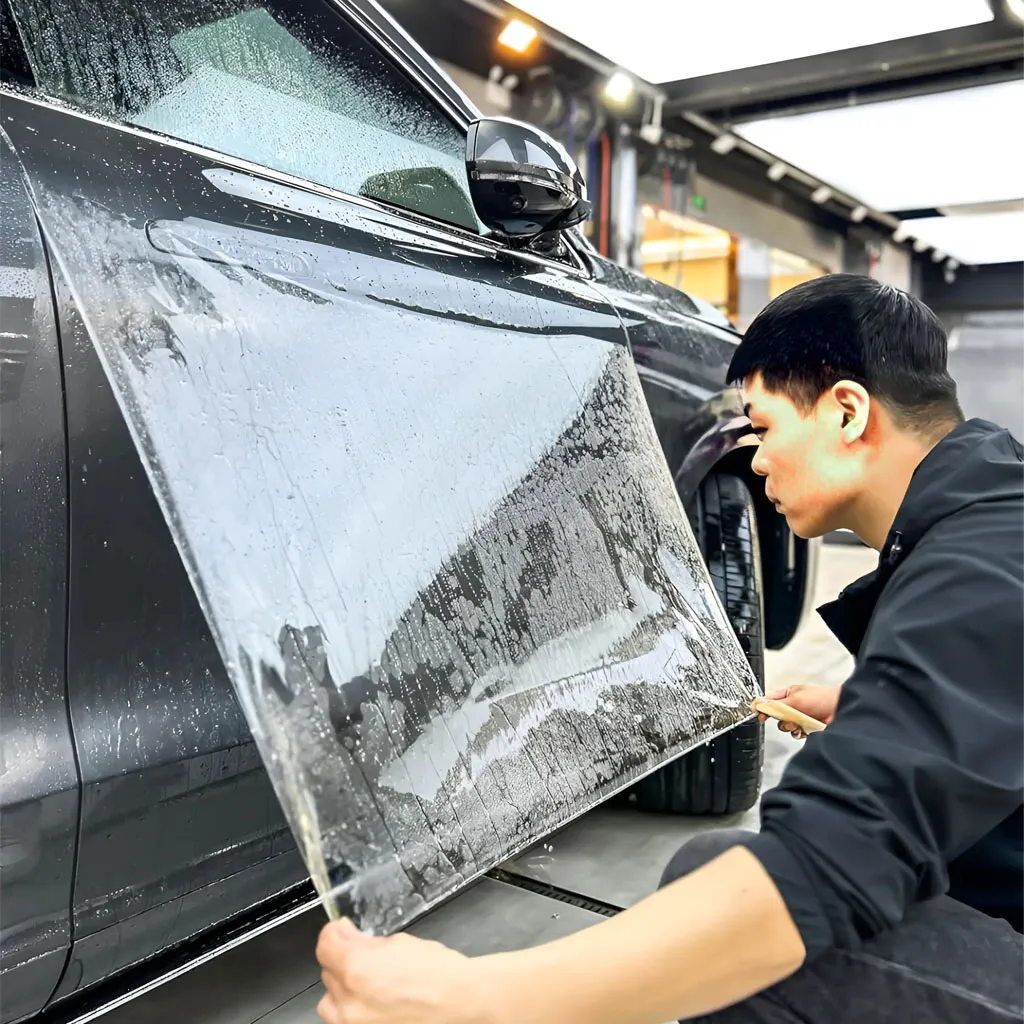
PE (polyethylene) protective film is a common choice for temporary protection of glass surfaces during manufacturing, transportation, installation, and renovation. This guide explains when a PE protective film is suitable for glass, its advantages and limitations, how to choose the right product, and best practices for application and removal to avoid residue or damage.
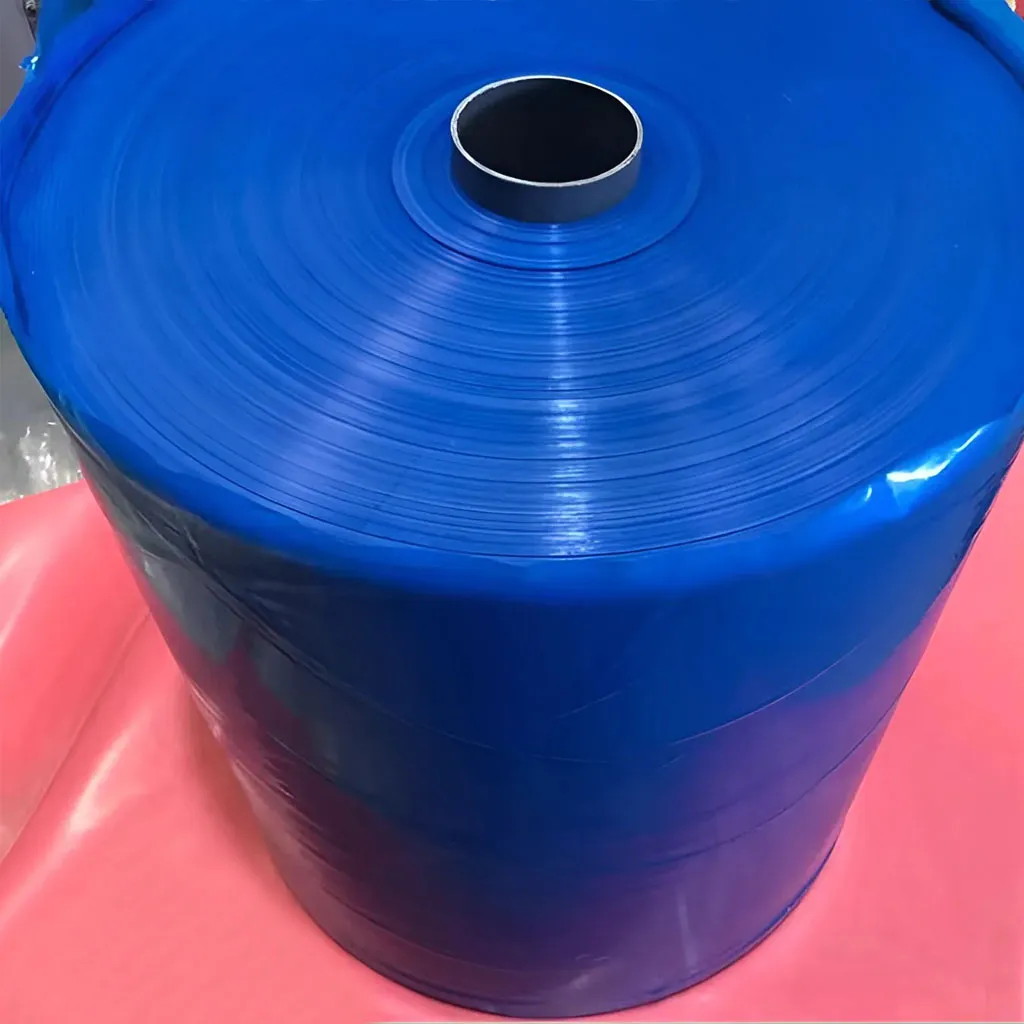
PE protective film is a thin polyethylene layer applied to surfaces to protect against scratches, dust, paint splatter, moisture, and light abrasion. It comes in different thicknesses, adhesive types (removable and permanent), textures (smooth, embossed), and colors. For glass, the ideal film combines clear transparency, low-tack adhesive, and stable dimensional properties.
Protection during handling: PE film shields glass from scratches and chips during cutting, transport, and installation. Dust and paint resistance: It prevents paint overspray and construction debris from contacting the glass surface. Temporary clarity: Clear PE films allow surface inspection while still providing protection.
Not all PE films are formulated for long-term adhesion on glass. Low-quality adhesives can leave residue, yellowing can occur when exposed to sunlight over months, and films may shrink or curl in extreme heat. For high-end architectural glass or long-term protection (>6 months outdoors), specialized UV-stable or PVC-based protective films may perform better.
– Short- to medium-term protection (days to a few months) indoors or shaded areas.
– Protection during transport, glazing, or interior renovation.
– Projects where easy removal and minimal residue are priorities.
– Long-term outdoor exposure (choose UV-stabilized options).
– Tempered glass subject to high surface temperature fluctuations (use high-temp rated films).
– Architecturally sensitive glass where optical clarity is critical over long periods.
Selection depends on application duration, environment, and the glass finish (coated, tinted, mirrored, or low-e). Look for films with:
| Feature | Benefit for Glass | Recommended Use |
|---|---|---|
| Low-tack adhesive | Easy removal, minimal residue | Indoor installation, short-term protection |
| UV-stabilized PE | Reduced yellowing and breakdown | Outdoor or sun-exposed glass |
| Thicker film (≥100 μm) | Better scratch and impact protection | Transport and heavy-work sites |
1. Clean the glass thoroughly to remove dust, oils, or moisture.
2. Apply at moderate temperatures (typically 10–30°C / 50–86°F) to ensure adhesive behaves predictably.
3. Use a squeegee to avoid trapped air and ensure full contact.
4. Overlap edges slightly for continuous protection, but avoid excessive folding that traps adhesive.
Remove film slowly and at a 45–90° angle. If adhesive is stubborn after extended exposure, gently warm the film with low heat to soften the adhesive (avoid direct high heat on coated glass). Clean residual adhesive with a mild solvent recommended for glass and the specific coating—always test first on a small corner.
PE films are not generally recyclable in standard municipal streams when contaminated with adhesives. For sustainable choices, look for films with reduced-solvent adhesives or supplier take-back programs. When used in food-contact or medical glass, verify regulatory compliance for your region.
Window and storefront protection, mirror protection during construction, automotive glass during repair or transport, and protective overlay for glass panels in cabinetry and appliances.
Will PE film damage low-e or coated glass? Properly formulated low-tack PE films typically do not damage coatings when applied and removed within recommended timeframes. Always test a small area first.
How long can PE film stay on glass? Indoor, high-quality PE film can last several months; outdoor or sun-exposed applications should use UV-stable products or be limited to shorter durations.
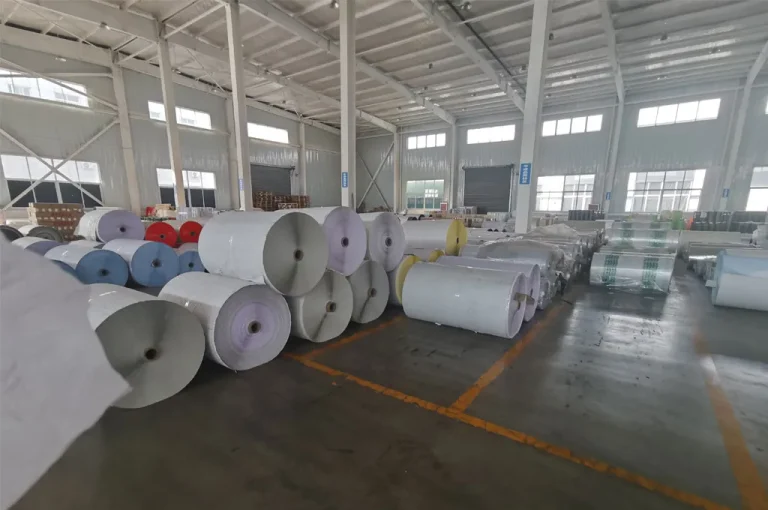
Choose suppliers that offer product data sheets specifying adhesive type, UV resistance, recommended service life, and compatibility testing. For manufacturing and OEM needs, Henan Pulivk New Materials Co., Ltd. (Pulivk) provides a full in-house production chain and customization options to meet specific glass protection requirements.
PE protective film is a cost-effective, versatile solution for many glass protection scenarios—especially for short- to medium-term use. Match film properties to your job site conditions, test on sample glass where coatings are present, and follow best-practice application and removal steps to maintain glass quality and clarity.