Address
304 North Cardinal St.
Dorchester Center, MA 02124
Work Hours
Monday to Friday: 7AM - 7PM
Weekend: 10AM - 5PM
Address
304 North Cardinal St.
Dorchester Center, MA 02124
Work Hours
Monday to Friday: 7AM - 7PM
Weekend: 10AM - 5PM


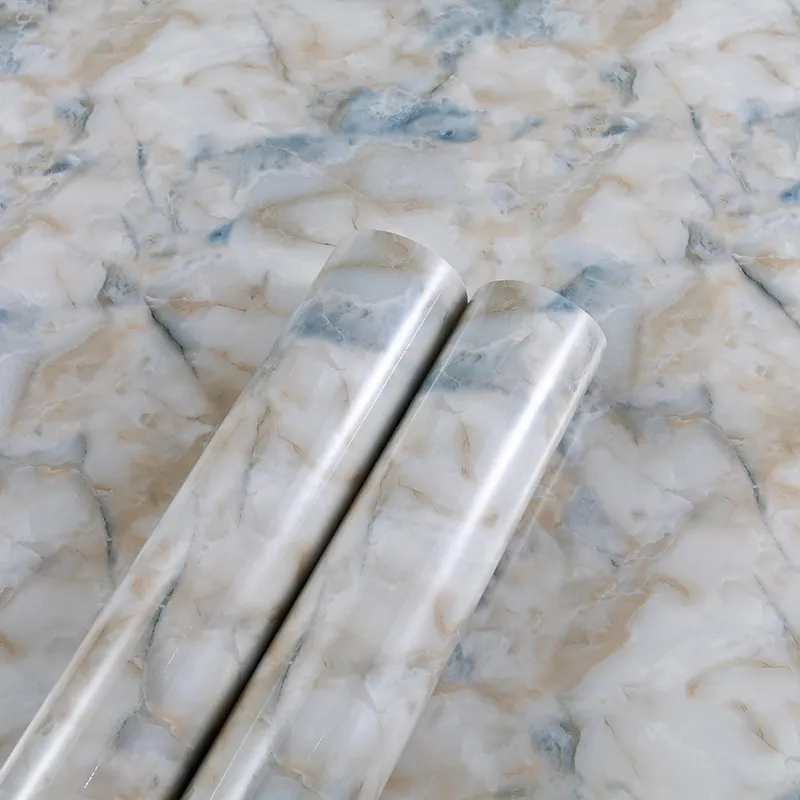
PVC door panel film is a popular, cost-effective way to refresh doors and furniture without replacement. Homeowners and specifiers often ask: is PVC door panel film scratch resistant? The short answer: it depends on the film type, surface finish, coatings, and how the panel is used and maintained.
PVC (polyvinyl chloride) decorative films are produced in layers. A typical structure includes a printed or patterned layer, a protective wear layer, and an adhesive/backing layer (for self-adhesive types) or a calendered composite for rigid applications. The outermost wear layer and any added coatings determine how well the surface stands up to scuffs, keys, pets, and daily abrasion.
The most important elements that influence durability are:
PVC door films are available with a range of finishes: glossy, satin, matte, embossed (wood grain), and specialized anti-scratch coatings. Manufacturers often apply hard-coating layers or UV-cured lacquers to increase abrasion resistance. For doors, embossed textures (like wood grain) can be both attractive and practical because they hide minor marks while offering good wear performance.
Below is a simple comparison to help choose the right film for doors and panels:
| Film Type | Typical Scratch Resistance | Best Use |
|---|---|---|
| Glossy calendered PVC | Medium | Interior doors, low-traffic rooms |
| Matte / textured PVC | High (hides scratches) | Bedrooms, living areas, kitchens (cabinet doors) |
| Anti-scratch coated PVC | Very High | Commercial doors, high-traffic households, pet-friendly homes |
| Thin self-adhesive films | Low to Medium | Temporary makeovers, low-wear surfaces |
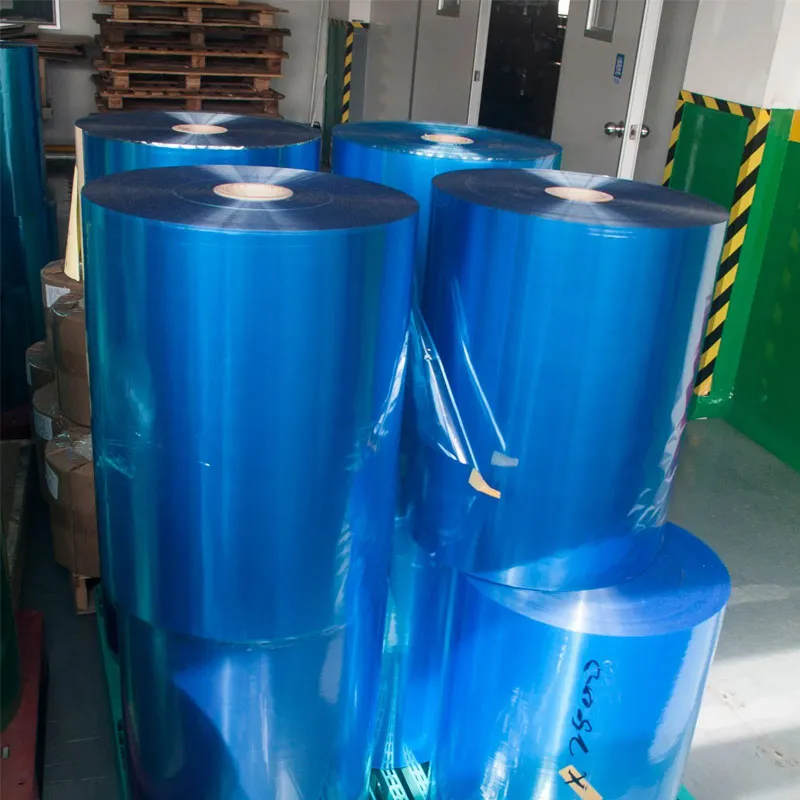
Manufacturers use lab tests like Taber abrasion and pencil hardness to rate film durability. Taber cycles simulate long-term wear — higher cycle counts before visible change equals better scratch resistance. Pencil hardness (graded HB–9H) measures surface hardness; a higher grade indicates increased resistance to sharp marks.
If doors are in commercial settings, entryways, or homes with children and pets, invest in a film labeled abrasion-resistant or with a hard UV-cured topcoat. Over time, the higher upfront cost pays off in lower maintenance and longer-looking finishes.
Henan Pulivk New Materials Co., Ltd. (Pulivk) manufactures a wide range of PVC decorative films—including calendered, embossed, anti-scratch, and self-adhesive options—controlling production from raw materials to finished packaging to ensure consistent quality and reliable lead times: pvcfilmtec.com.
Choosing the right PVC door panel film means balancing appearance, budget, and expected wear. For durable, scratch-resistant doors, prioritize thicker wear layers, anti-scratch coatings, and correct installation. Contact manufacturers or suppliers for test reports (Taber, pencil hardness) to verify performance before committing to large projects.