Address
304 North Cardinal St.
Dorchester Center, MA 02124
Work Hours
Monday to Friday: 7AM - 7PM
Weekend: 10AM - 5PM
Address
304 North Cardinal St.
Dorchester Center, MA 02124
Work Hours
Monday to Friday: 7AM - 7PM
Weekend: 10AM - 5PM


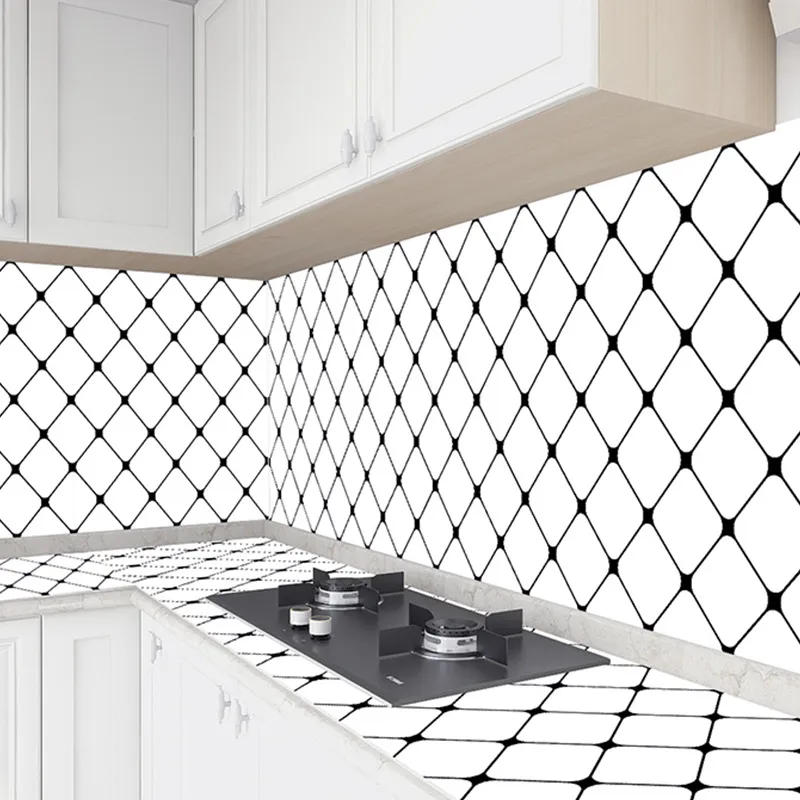
PVC film is one of the most practical materials used in modern exhibition graphics—especially when you need vivid color, consistent print quality, and fast production at a controlled cost. But is it always the best option for trade shows, pop-up events, brand activations, and retail showcases? The answer depends on venue rules, display duration, lighting conditions, and the type of structure you’re wrapping or covering.

This guide breaks down where PVC film performs best, where it can fall short, and how to choose the right finish and construction for display graphics. You’ll also find actionable tips for installers, designers, and purchasing teams who need reliable results under tight show deadlines.
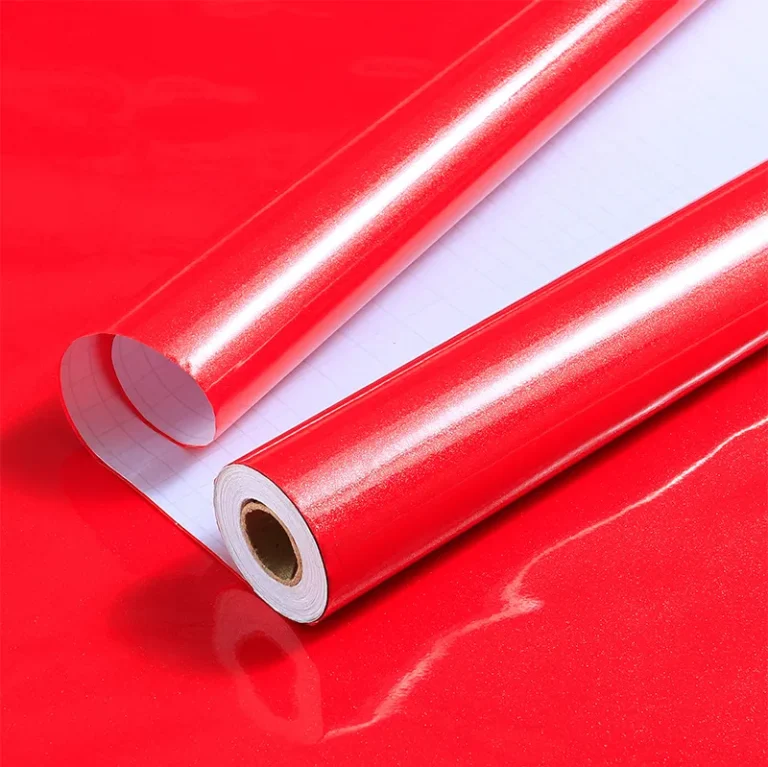
In exhibitions, “PVC film” usually refers to a flexible vinyl film that can be printed, laminated, and applied to boards, panels, lightboxes, or booth structures. It’s popular because it balances visual impact, durability, and cost efficiency.
If you’re evaluating base materials, start by understanding the manufacturing route. For many display uses, a dependable choice is
calendered film,
which is commonly selected for high-volume production where predictable thickness and print performance matter.
PVC film accepts a wide range of printing methods and can deliver saturated color and crisp typography—important for booth slogans, directional signage, and brand patterns. Matte, glossy, and textured finishes also help designers control glare and elevate perceived quality under intense exhibition lighting.
Shows move fast. PVC film is available in multiple widths, thicknesses, and finishes, making it easier to match a specific panel system or reprint quickly for last-minute changes. For brands with multiple events, OEM/ODM customization (color, surface, adhesion, packaging) can keep your roll stock consistent across regions.
Exhibition spaces involve scuffs, frequent cleaning, and repeated touch points (especially on counters, demo tables, and interactive zones). PVC film generally provides good abrasion resistance and can be paired with protective over-laminates to extend service life during multi-day events.
For many exhibitors, the goal is maximum visual impact per dollar. PVC film often delivers a favorable balance compared with rigid premium substrates or specialty textiles—particularly when graphics will be refreshed each season or localized for different markets.
Some venues and organizers enforce material policies (VOC limits, fire ratings, recycling requirements). Depending on the event location and rules, you may need specific compliance documentation (e.g., REACH/RoHS) or alternative materials for certain installations. Always confirm requirements early—before printing begins.
Glossy films can reflect spotlights and LED walls, reducing readability. If your booth uses bright overhead rigs or your graphics include QR codes and small text, a matte or low-gloss finish often improves scanning and legibility.
Films may shrink slightly or react to temperature changes, especially if the substrate expands/contracts or if heat sources are nearby (lighting, electronics). For large seamless panels or precision-aligned graphics, choose film grades designed for better stability and confirm your installer’s experience with the chosen adhesive system.
PVC film is widely used on modular systems because it provides clean, brand-consistent surfaces without rebuilding structural components. This is ideal for exhibitors who reuse frames but refresh graphics per product launch, region, or audience segment.
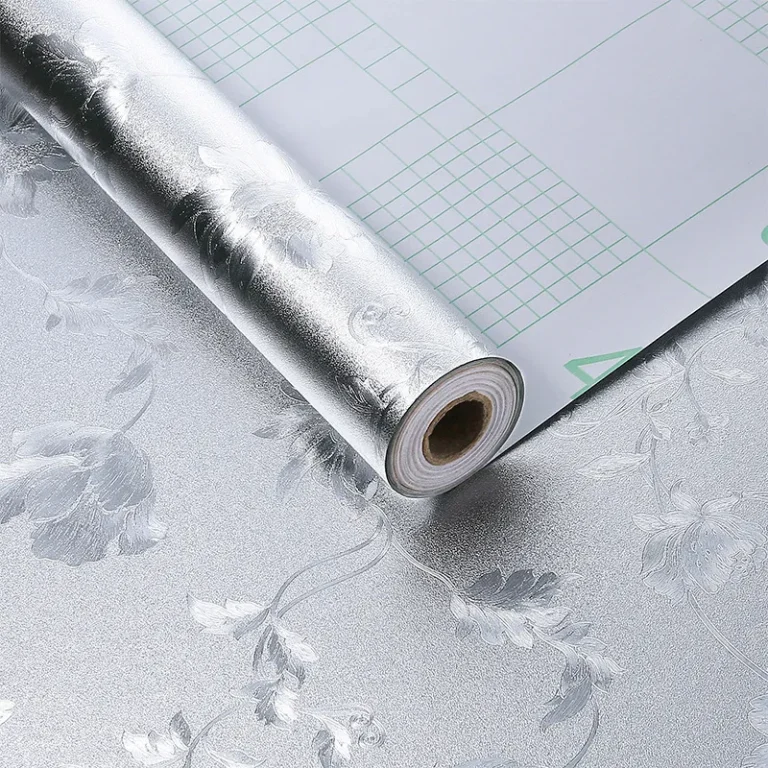
If you’re creating a “premium corner” (new product showcase, VIP meeting area), textured films can add depth and reduce the flat “printed poster” look. For example,
3D silk texture film
can mimic fabric-like surfaces and photograph well—useful when your booth is designed for social sharing and media coverage.
Demo stations are constantly touched and cleaned. PVC film can be paired with protective layers to improve stain resistance and reduce visible wear over multi-day shows. For brands that tour events, a consistent film specification helps maintenance teams replace only the worn section instead of rebuilding the whole unit.
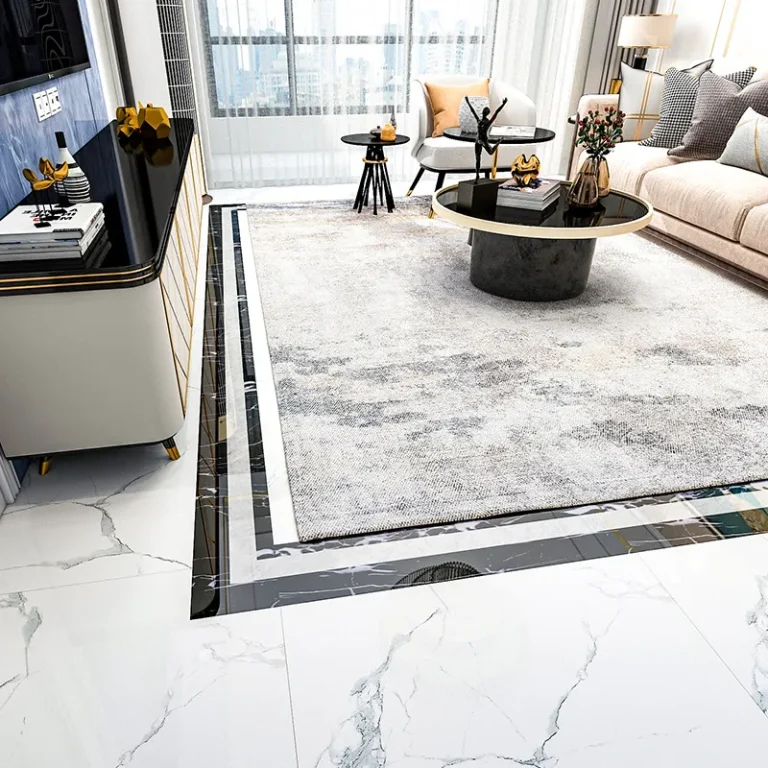
Floor graphics and wayfinding demand anti-slip thinking and stronger wear performance. If your plan includes floor accents, consider purpose-built options like
floor film
and confirm the venue’s safety policies. Floor marking can improve visitor flow, highlight demo schedules, and guide queues—especially during peak hours.
Decorative PVC films can replicate premium materials without weight and cost. This is effective when you need “architectural” looks for a temporary booth: stone reception counters, wood-like feature walls, or metallic accents for technology brands. A reliable example is
wood grain film,
which can help create a warm atmosphere without carpentry-heavy builds.
Matte improves readability and reduces reflections for product messaging and QR codes. Glossy enhances color pop and “newness,” often used for hero visuals and beauty/lifestyle booths, but it can reflect light. Textured finishes elevate the space and hide minor scuffs, especially on surfaces that visitors touch.
Thicker films can be easier to install cleanly and may improve perceived quality, while thinner options are cost-effective for short-term graphics. Match thickness to the substrate flatness and your installer’s method. If your team must install on-site under time pressure, a more forgiving film is often worth it.
Most exhibition failures come from rushing prep. Clean the surface thoroughly, remove dust, and ensure it’s dry. Even premium film won’t perform if it’s applied over residue, silicone cleaners, or textured paint that reduces contact area.
Seams should be placed where visitors naturally won’t stare: behind product shelves, near vertical frame lines, or at panel joints. For corners, consider relief cuts or edge wraps based on substrate geometry to avoid lifting during the show.
Exhibition organizers and brand compliance teams increasingly ask for documentation on material safety and environmental impact. When sourcing PVC film for display graphics, request test reports and confirm whether the film is free of heavy metals and restricted plasticizers, and whether it aligns with common requirements such as ISO management systems and relevant chemical regulations.
A supplier with integrated calendering, printing, and slitting/packaging can reduce lead times and improve batch-to-batch consistency—critical when you’re producing multiple booth sets or repeating an event series. Export-ready packaging (dust protection, labeled rolls, protective wrap) also matters because damaged edges or crushed cores can delay installation on opening day.
If you need formal confirmation on standards, lead times, global shipping, or sample requests, refer to the supplier’s published support resources such as the
FAQ
and coordinate early for documentation aligned with your venue’s policy.
PVC film is not a universal solution. Consider other materials if your project requires ultra-low environmental impact messaging, very long-term dimensional stability, or a specific venue-mandated substrate. For example, fabric graphics can be easier to transport for traveling teams, and rigid boards can offer more structural flatness for permanent installations.
Choose PVC film when you need strong print impact, reliable durability, and scalable production.
Choose alternatives when venue rules, sustainability positioning, or long-term dimensional demands outweigh cost and speed.
Yes. For indoor booths, PVC film is widely used for wall graphics, panels, counters, and branded surfaces, especially when you need fast production and consistent visual quality.
Matte is usually safer under strong spotlights because it reduces glare and improves readability. Glossy can look more vibrant but may reflect lights and reduce QR-code scan reliability.
It depends on the adhesive system, substrate type, and how long it stays installed. If clean removal is required, specify this upfront and test on your exact surface before full production.
Prioritize surface cleaning, apply with correct pressure/tools, control temperature, and plan corners/seams carefully. Most failures are installation-related rather than film-related.
Look for stable quality control, clear compliance documentation, consistent roll packaging, customization support, and proven export/lead-time performance—especially if you run multiple events across different locations.