Address
304 North Cardinal St.
Dorchester Center, MA 02124
Work Hours
Monday to Friday: 7AM - 7PM
Weekend: 10AM - 5PM
Address
304 North Cardinal St.
Dorchester Center, MA 02124
Work Hours
Monday to Friday: 7AM - 7PM
Weekend: 10AM - 5PM


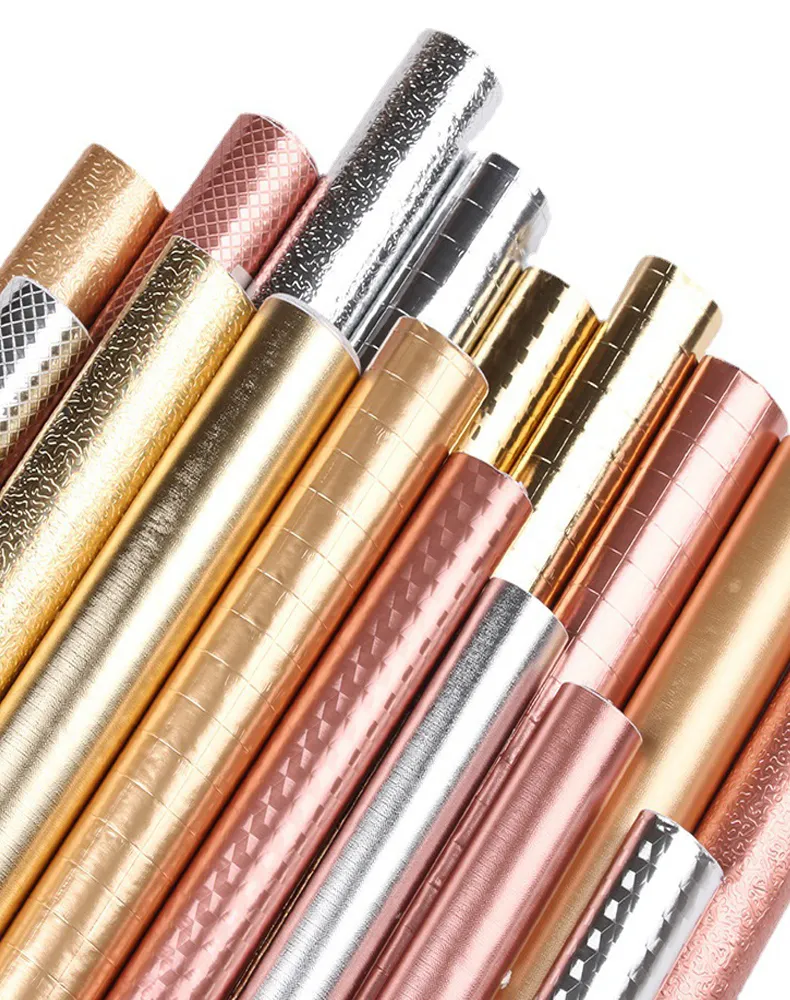
PVC film is a versatile decorative and protective material that is widely used on furniture, walls, and plastics — but is it suitable for metal surfaces? This guide explains when PVC film works well on metal, what limitations to expect, and practical tips for a clean, long-lasting result.
PVC films use pressure-sensitive adhesives (PSA) or heat-activated adhesives. On metal, adhesion depends on surface energy, cleanliness, and the film’s adhesive formulation. Smooth, clean, and corrosion-free metals provide the best bond. Specially formulated metallic PVC and laminate films can mimic brushed or polished metal finishes while providing a protective layer.
Suitable metal surfaces include aluminum, stainless steel, galvanized steel, and coated metal (e.g., powder-coated panels). Uncoated, rusted, or heavily oxidized steel will cause poor adhesion and short service life unless treated first.
Proper preparation is essential. Follow these steps to improve adhesion and durability:
Choose adhesives matched to the metal and use-case: high-tack PSA for short-term protection, acrylic PSA for better long-term outdoor performance, or heat-activated adhesives for permanent installations. Test adhesion on a sample area first.
Several factors determine how long PVC film will last on metal surfaces:
Indoor metal (furniture, fixtures, appliances) can accept PVC film with excellent results. For outdoor metal (signs, cladding, vehicles), use UV-stable cast films and acrylic adhesives; expect some fading or edge lifting over many years unless a protective overlaminate is used.
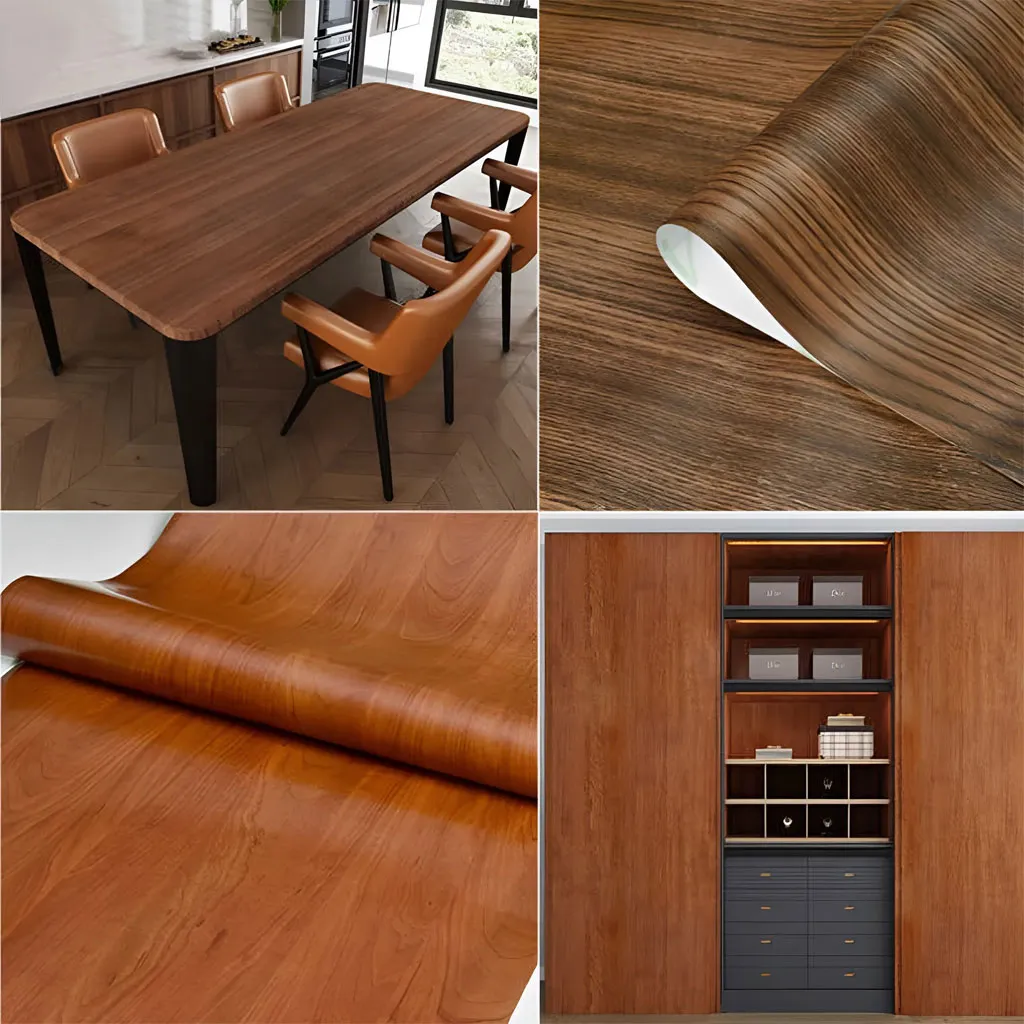
| Film Type | Best Use | Durability |
|---|---|---|
| Calendered PVC (PSA) | Indoor metal panels, flat surfaces | Medium (3–7 years indoor) |
| Cast PVC (Acrylic adhesive) | Vehicles, outdoor signage, curved metal | High (5–10+ years with proper care) |
| Metallic foil-effect film | Decorative overlays, appliance trims | Medium to high (depending on coating) |
Clean PVC-covered metal with mild detergents and a soft cloth. Avoid aggressive solvents that attack the PVC or adhesive. For removal, heat and peel slowly at a low angle to reduce adhesive residue. Any leftover adhesive can usually be removed with an adhesive remover formulated for plastics/paints and then re-cleaned.
Avoid applying PVC film when:
PVC film can be an excellent choice for metal surfaces when you select the right film type and adhesive, prepare the surface properly, and account for environmental conditions. For commercial or large-area projects, request samples and work with a supplier to match film properties to your application—Pulivk (Henan Pulivk New Materials Co., Ltd.) supplies a range of calendered and cast PVC films and supports OEM/customization for metal-decoration projects.
Request samples, adhesive compatibility charts, and installation guidance from the manufacturer to confirm long-term performance before committing to large runs. Small tests under real exposure conditions are the best way to predict field behavior.