Address
304 North Cardinal St.
Dorchester Center, MA 02124
Work Hours
Monday to Friday: 7AM - 7PM
Weekend: 10AM - 5PM
Address
304 North Cardinal St.
Dorchester Center, MA 02124
Work Hours
Monday to Friday: 7AM - 7PM
Weekend: 10AM - 5PM


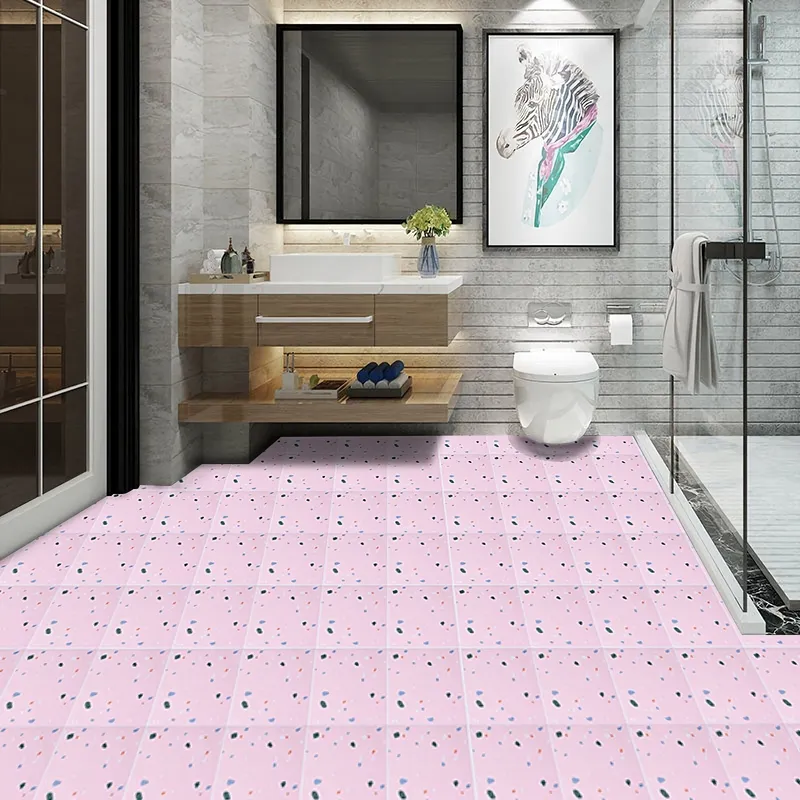
Lamination PVC film is a versatile surface material used to protect, decorate, and enhance products across furniture, interior decoration, flooring, electronics, advertising, medical packaging, and home goods. It combines visual design (wood, marble, solid color, metallic, textured) with functional performance (scratch resistance, moisture resistance, easy cleaning, insulation, anti-static options). This guide explains common types, thickness options, key uses, and a practical method to choose the right film for your project—whether you are producing cabinet doors, wall panels, skirting, floor protection, or industrial laminations.
✔ Quick definition:
Lamination PVC film is a thin polyvinyl chloride sheet designed to be laminated onto a substrate (MDF, plywood, particle board, metal, glass, plastics, foam boards, etc.) using adhesives, hot press, vacuum press, or wrapping machines to form a durable, decorative surface.
✔ Why it’s popular:
It offers stable quality, scalable production, repeatable colors/patterns, and a cost-effective alternative to natural veneer, paint, and some PET/PU surface solutions.
“PVC film” is often used as a broad term, but lamination performance depends heavily on the film structure, surface finish, and production method. Below are the most common categories you’ll see when sourcing.
Calendered film is produced by rolling heated PVC compound through calender rollers to achieve consistent thickness and surface uniformity. It is widely used for decorative lamination because it can be made in many textures and gloss levels, and it runs well on wrapping and laminating lines.
If you need stable thickness control for mass production, start here:
Calendered Film.
⚑ Typical strengths: consistent thickness, broad design library, good processability, scalable pricing.
⚑ Typical uses: cabinet doors, wardrobes, wall panels, skirting, decorative boards, general wrapping.
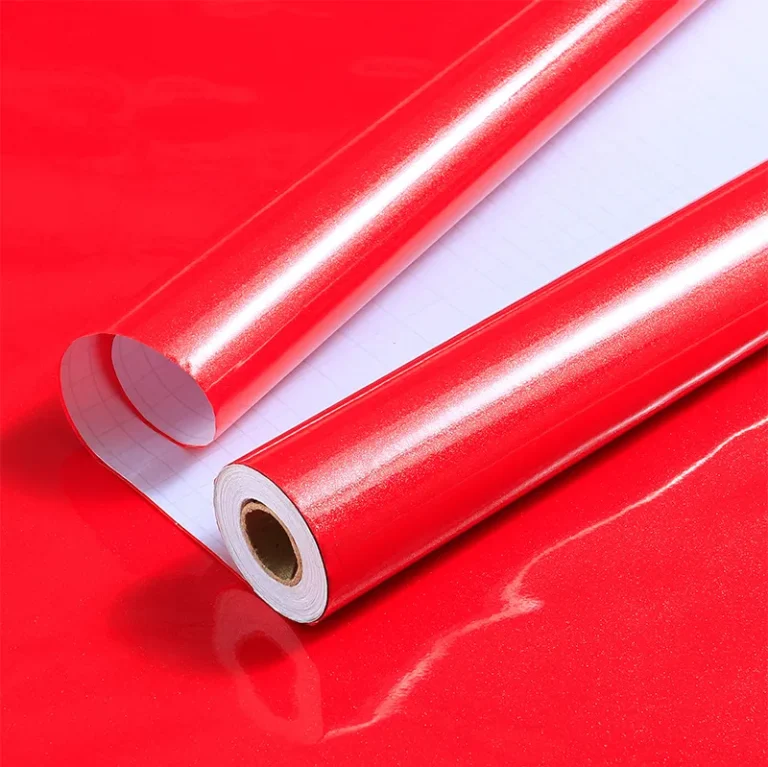
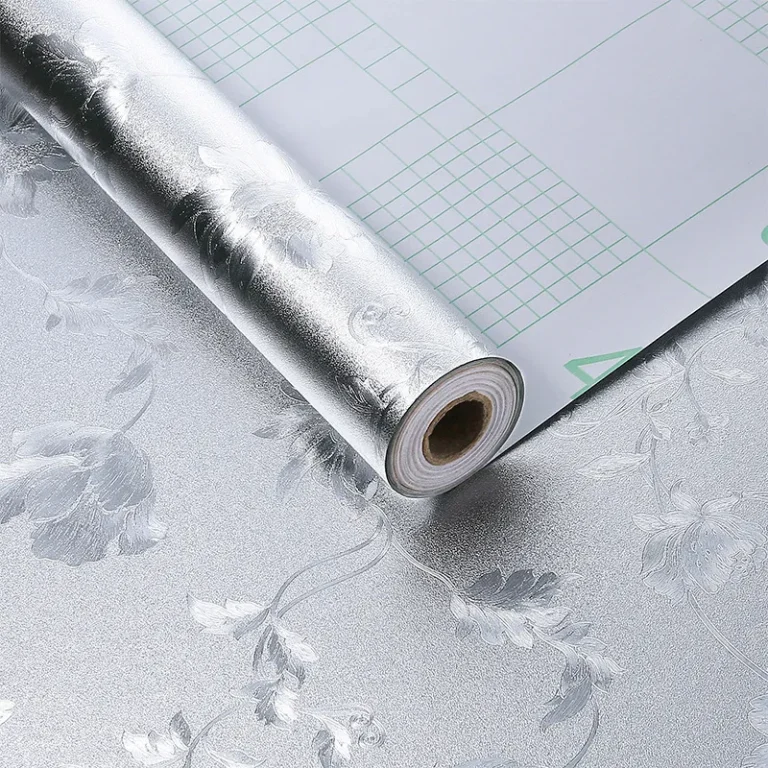
Decorative lamination films can mimic natural materials or deliver modern industrial looks. The finish you choose impacts not only appearance but also cleaning behavior, scratch visibility, and how fingerprints show under light.
Popular decorative styles:
For high-contact surfaces (cabinet fronts, drawers, retail fixtures), a soft-touch finish can elevate user experience and reduce “plastic feel.” Functional options—such as anti-static, anti-fog, or special protective coatings—are selected based on the environment (electronics areas, humid bathrooms, clean packaging needs).
Self-adhesive variants include a pressure-sensitive adhesive layer, enabling quicker installation for renovation, displays, and light-duty protection. For production lamination on boards, manufacturers often prefer glue lamination or hot press systems—but self-adhesive is excellent for on-site upgrades and temporary coverings.
3D textures create a more realistic look (especially for fabric-like and premium decorative effects) and can help diffuse reflections. If you need an upscale tactile surface for furniture fronts or feature panels, explore:
3D Silk Texture Film.
Thickness impacts cost, handling, conformability, durability, and how forgiving the film is over substrate imperfections. There is no single “best thickness”—only the best match for your surface, forming method, and expected lifetime.
Thickness ranges (common reference):
Flat lamination (press lamination on boards) can tolerate thicker films and is ideal for producing consistent large panels.
Profile wrapping (wrapping around edges and moldings) needs a film that bends without whitening or cracking—often achieved with balanced formulation and appropriate thickness.
Vacuum membrane pressing for 3D cabinet doors requires good elongation; film selection should consider both thickness and plasticizer system, not thickness alone.
● If the surface will be touched daily (kitchen doors, drawers, office furniture), prioritize scratch/chemical resistance and consider mid-to-higher thickness with a suitable topcoat.
● If the surface is mainly visual (upper wall panels, decorative partitions), you can optimize cost with a thinner film—provided the substrate is smooth and the lighting won’t exaggerate defects.
Lamination PVC films are chosen because they unify aesthetics, protection, and production efficiency. Below are high-frequency use cases and what to prioritize in each.
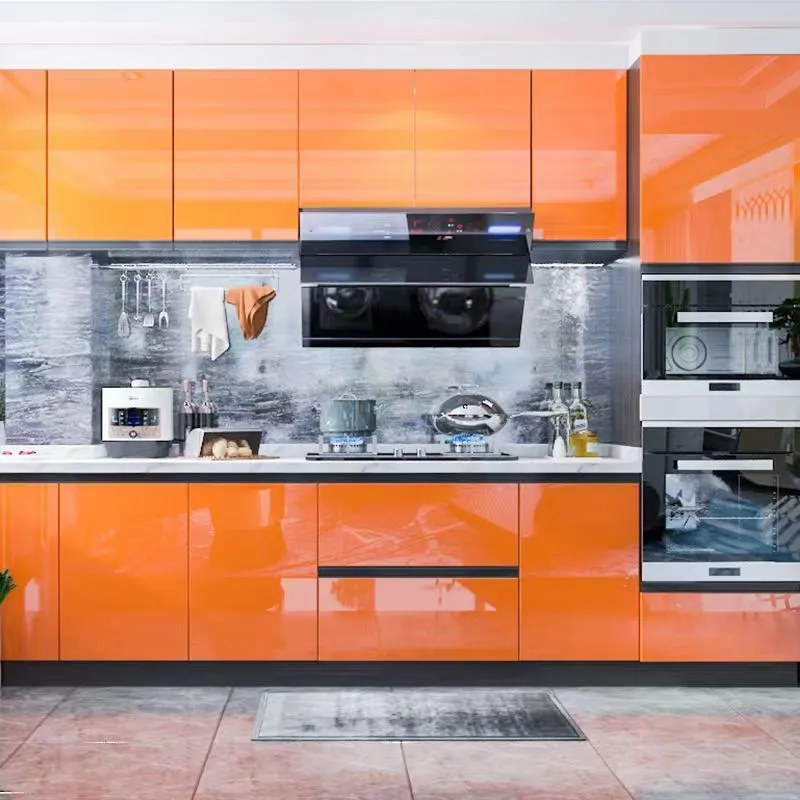
Furniture surfaces need consistent color across batches, easy cleaning, and resistance to daily wear. Wood grain and solid color remain top choices for cabinet faces and wardrobe panels, while glossy finishes create a modern, reflective look but require tighter substrate flatness to avoid showing waves or sanding marks.
★ Selection tip for furniture:
Match gloss level to the environment. Matte/satin reduces fingerprint visibility and hides micro-scratches; high gloss maximizes “new” appearance but demands better handling and cleaning routines.
Interior surfaces benefit from PVC film’s moisture tolerance and design flexibility. Stone and marble looks are popular for feature walls, while solid colors are widely used for modern commercial interiors. For consistent projects, prioritize batch color stability and easy-to-clean topcoats in high-traffic areas.
Skirting boards take frequent impacts from cleaning tools and foot traffic. A film with good abrasion resistance and reliable wrapping performance around edges helps reduce chipping and peeling. For dedicated options, see:
PVC Skirting Film.
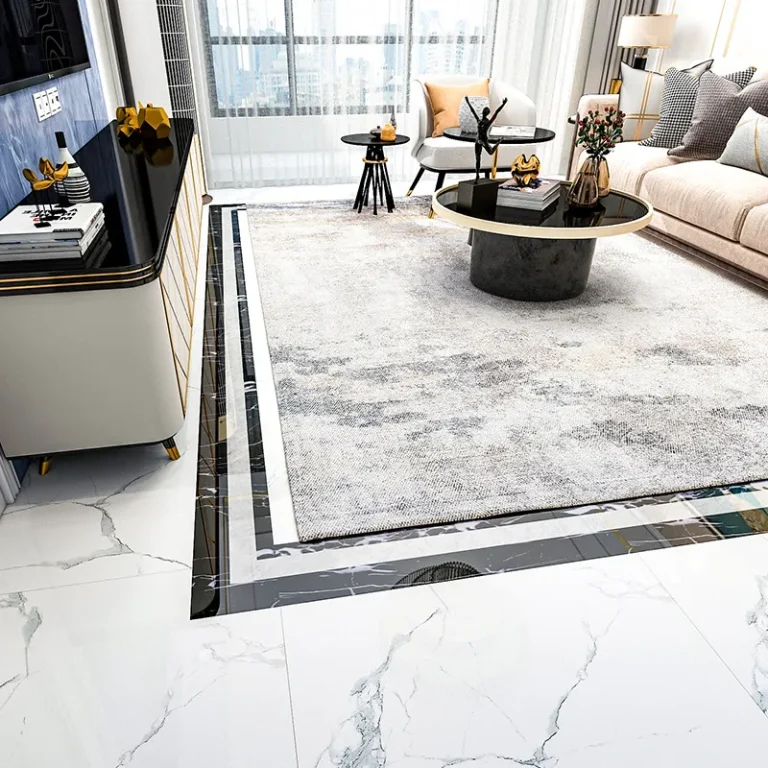
Flooring-related films must handle abrasion, cleaning chemicals, and repeated stress. In many systems, the decorative layer works with wear layers and backing layers—so your film choice should consider the full structure rather than decoration alone. A dedicated category example:
Floor Film.
Appliance panels and electronics packaging often require stable thickness, consistent appearance, and optional functional properties such as anti-static or insulation. If the film will be die-cut, thermoformed, or laminated onto complex shapes, confirm elongation and shrink behavior under processing temperature.
For display boards and exhibition builds, films are valued for vivid print/texture, short lead times, and quick cleaning. Consider light reflection (matte vs gloss) depending on showroom spotlights and camera use.
Choosing correctly is less about picking a trendy pattern and more about aligning film performance with substrate, process, and environment. Use the checklist below to avoid common sourcing mistakes.
Substrate flatness, porosity, and edge sharpness directly affect final appearance and adhesion. MDF and plywood usually laminate well when properly sanded and sealed. If your board has pores or sanding marks, consider a thickness/emboss choice that hides minor imperfections, or improve substrate prep to reduce rejection rates.
⚙ Process questions to ask:
1) Are you doing flat lamination, wrapping, or vacuum pressing?
2) What adhesive system is used (PUR, solvent-based, water-based)?
3) What are the line speeds, press temperatures, and dwell times?
4) Do you require low shrink, high elongation, or a specific emboss depth?
A high-gloss wardrobe front looks premium, but it also shows fingerprints and micro-scratches faster. Matte and soft-touch options feel sophisticated and are easier to keep visually consistent in daily use. For kitchens, confirm resistance to common cleaning agents and oils; for bathrooms, prioritize moisture stability and easy wipe-down behavior.
Anti-static films matter in electronics areas where dust attraction causes defects or poor appearance. Anti-fog coatings matter for specific packaging or humid environments. If you do not need a function, keep the structure simpler for better cost control and easier sourcing continuity.
For indoor furniture and surfaces that may involve human contact, confirm the supplier can provide compliance documentation (commonly requested: ISO management systems, REACH, RoHS, FDA where applicable) and proof of material safety such as heavy-metal and phthalate controls. This is especially important for children’s furniture, healthcare environments, and hospitality projects.
Before committing to volume, test samples on your real substrate, using your actual adhesive and machine settings. Evaluate: adhesion, edge performance, whitening on bends, color under your lighting, scratch resistance, and cleaning behavior. A small pilot run often saves significant cost compared with dealing with returns or rework later.
When requesting a quotation or sample set, providing clear specs speeds up selection and reduces back-and-forth. Most suppliers will ask for the following information.
Even when a film looks fine on the roll, problems can appear during lamination or after installation. Building a basic incoming inspection routine helps keep your production stable.
Check for consistent gloss, uniform emboss depth, no obvious gels/black spots, and stable color under the same lighting you use for product evaluation. Verify thickness across the width and along the roll to avoid lamination pressure variations and appearance changes.
✓ Test ideas that catch issues early:
• Adhesion test after full cure time (not just immediately after lamination)
• Edge wrapping test for whitening, cracking, or rebound
• Heat exposure test for shrink, warping, or print distortion
• Chemical wipe test (typical cleaners used by end-users)
• Scratch/abrasion screening based on your product category
Prioritize easy cleaning and resistance to light oils and frequent wiping. Matte or satin finishes reduce fingerprints; wood grain remains a safe, widely accepted style. Choose a thickness that balances cost with daily wear, and validate chemical resistance using the actual cleaners commonly used by property management teams.
Under strong lighting, high gloss can reveal substrate defects and installation unevenness. A lightly textured or satin finish often looks more premium and consistent. Confirm color repeatability across batches to avoid panel-to-panel mismatch in large stores.
Choose a film proven for edge wrapping and abrasion resistance. Confirm impact tolerance and check that corners do not peel after repeated cleaning. Dedicated skirting solutions typically reduce failures versus using general-purpose decorative film.
Q1: What is PVC film, and how is lamination PVC film different?
PVC film is a thin sheet made of polyvinyl chloride. Lamination PVC film is specifically engineered to be bonded to a substrate with adhesives or heat/pressure processes, focusing on stable thickness, surface finish, and bonding performance.
Q2: What thickness should I choose for furniture lamination?
Many furniture applications use mid-range thickness for a balance of cost and durability. The best choice depends on forming method (flat, wrap, vacuum), substrate smoothness, and expected wear. Always validate with a pilot run.
Q3: Can lamination PVC film be customized (color, width, functional coatings)?
Yes. Common custom options include thickness, width, roll length, color/pattern matching, emboss, and treatments like anti-static or anti-fog depending on the supplier’s capabilities.
Q4: How do I reduce peeling or edge lifting after lamination?
Ensure correct adhesive selection, proper substrate sanding/sealing, compatible process temperature, and sufficient cure time. Also verify the film is designed for your method (wrapping vs flat lamination) and test corners/edges during sampling.
Q5: Is lamination PVC film safe for indoor use?
It can be, when produced with compliant formulations and verified by relevant standards and test reports. Request documentation for restricted substances and ensure the film is intended for indoor decorative or contact environments.