Address
304 North Cardinal St.
Dorchester Center, MA 02124
Work Hours
Monday to Friday: 7AM - 7PM
Weekend: 10AM - 5PM
Address
304 North Cardinal St.
Dorchester Center, MA 02124
Work Hours
Monday to Friday: 7AM - 7PM
Weekend: 10AM - 5PM


Laser PVC film has become a go-to material for modern packaging because it delivers high-impact shelf presence, reliable barrier performance, and consistent converting results across multiple production lines. Whether you are producing cosmetic cartons, gift boxes, premium labels, windowed pouches, or protective wraps for electronics, the right supply partner makes the difference between stable output and costly downtime.
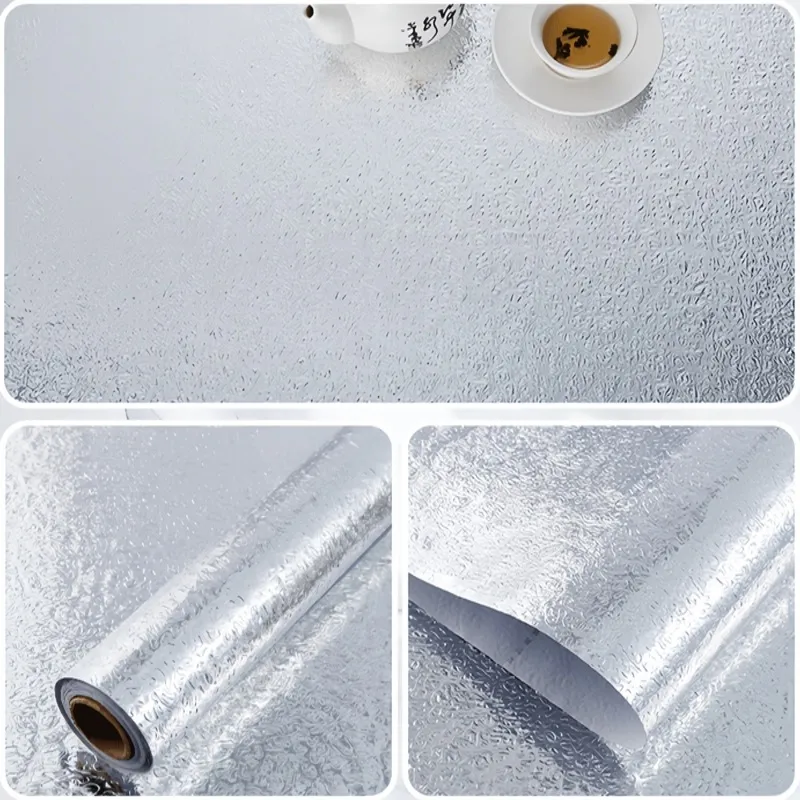
This guide explains how to source Laser PVC Film from reliable manufacturers, what to expect from wholesale pricing, and how to specify custom sizes for your packaging workflow—without compromising on compliance, lead time, or quality consistency.
Key takeaway:
The best Laser PVC film supply is not just about price per roll—it’s about stable batches, repeatable optics, tight thickness tolerance, and packaging-ready slitting that matches your converting equipment.
“Laser PVC film” in packaging typically refers to PVC film with a laser/iridescent visual effect or a surface engineered to deliver strong light reflection and premium aesthetics. In practice, buyers use it to elevate product presentation while keeping good processability for printing, lamination, and die-cutting.
Packaging applications often require:
stable gloss, uniform surface appearance, clean winding, and predictable sealing/lamination behavior. For brands, the laser effect is a fast way to communicate “premium” without major changes to the carton structure.
Laser-effect films can expose quality issues faster than standard clear films. Even minor defects—such as thickness variation, poor winding tension, or inconsistent coating—become obvious under retail lighting. A reliable manufacturer reduces these risks through end-to-end process control and documented QC.
✔ Reliability checklist
• Full production capability: calendering, printing, slitting, and packing in-house
• Batch traceability: roll labels + QC records for each lot
• Converting readiness: stable roll hardness, neat edges, low defect rate
• Export packaging: dust protection + moisture control for long-distance shipping
Pulivk Film focuses on PVC film R&D and manufacturing across calendered, decorative, transparent, matte, embossed, pearlescent, anti-static, self-adhesive, and packaging films—supported by complete lines for calendering, printing, and slitting/packaging. This integrated approach helps keep quality consistent while shortening lead time and reducing total cost.
Packaging teams often need more than one film type for different SKUs and finishing effects. Common selections include transparent, frosted, embossed, pearlescent, colored, anti-static, and self-adhesive structures. Depending on your process, you may choose single-layer film or multi-layer composites for added stiffness, barrier, or surface performance.
Calendered film is widely used when you need repeatable thickness, smooth winding, and consistent mechanical properties. It’s a strong baseline for laser-effect designs and downstream converting.
If you are comparing options, see Calendered Film.
For gift packaging and premium retail boxes, texture films enhance perceived value. A controlled texture can also reduce fingerprint visibility and improve scuff resistance.
For example, 3D Silk Texture Film supports distinctive surface styling for high-end presentation.
Retail packaging often follows trends—natural textures remain popular for cosmetics, home goods, and gifting. If you want a “crafted” look without material changes, consider
Wood Grain Film or
Marble Film
as alternatives for collections and promotional launches.
Wholesale pricing for Laser PVC Film is typically determined by a combination of raw material grade, thickness, surface effect complexity, and finishing requirements. While buyers often focus on “per kg” or “per roll” cost, packaging operations should evaluate the total cost in use—including waste rate, downtime, and reject reduction.
• Thickness & tolerance: tighter tolerance often costs more, but reduces converting instability
• Surface effect/finish: stronger laser effect, special coatings, or anti-scratch finishes may add cost
• Width and roll length: custom widths reduce waste but may require dedicated slitting setups
• QC level and compliance: REACH/RoHS/FDA-related requirements can influence material selection and testing
• Packaging method: dust-proof PE wrap or kraft paper, labeling, palletizing, and moisture protection for export
For large-volume programs, reliable suppliers can optimize cost via upstream control of raw materials and processes. Pulivk’s advantage is full-process manufacturing—calendering, printing, and slitting/packaging—making it easier to stabilize both pricing and lead time while maintaining consistent output.
Most packaging waste comes from mismatched roll specs. If your film is too wide, you pay for scrap; if roll diameter is wrong, you lose speed and stability at the rewinder or laminator. A good manufacturer will help you define practical specs for your equipment and converting plan.
• Film type: calendered / decorative / textured / self-adhesive / composite
• Thickness (micron): target + acceptable tolerance range
• Width (mm): match your slitter, laminator, or pouch line width
• Roll length (m) or OD/ID: confirm core ID (commonly 3″ or 6″) and max outer diameter
• Surface finish: glossy, matte, embossed, pearlescent, laser effect level
• Printing/lamination need: ink compatibility, corona treatment, adhesive/solvent system
• Packing: dust-proof wrap (PE) or kraft, roll labels, pallet requirements for shipping
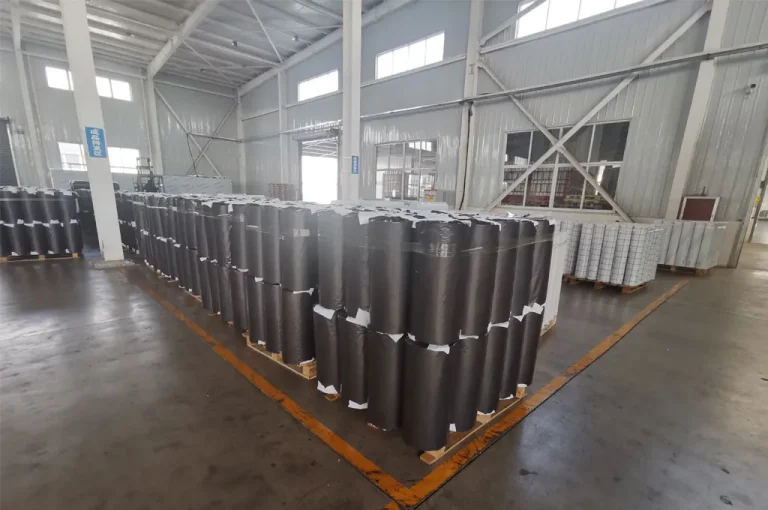
Even premium film can fail at the last step if slitting is rough or packaging is not protective. For export shipments, each roll should be wrapped individually (dust-proof PE film or kraft paper) and labeled with specifications so your warehouse can scan and stage the correct materials quickly.
Proper roll protection reduces edge damage, telescoping, and surface scuffs—issues that often appear only when the film reaches the laminator or high-speed pack line.
Packaging buyers frequently overlook optical consistency until the brand team compares different production lots under store lights. Ask your supplier for batch-to-batch control and confirmation of appearance standards (gloss, haze, laser intensity, texture uniformity).
Your film must run cleanly through printing and lamination without curl, static problems, or adhesion failures. Optional surface treatments—such as anti-static or special coatings—can be configured based on your environment and product needs.
• Confirm winding direction: align with your laminator/rewinder to avoid rework
• Control static: choose anti-static options if you experience dust attraction or sheet feeding issues
• Validate adhesion: run quick trials with your real ink/adhesive system, not a substitute
• Check die lines: embossed or textured films can change cutting pressure requirements
For packaging—especially for indoor use and potential human contact—compliance is a sourcing priority. Pulivk states its materials are free of heavy metals and phthalates and can comply with standards such as ISO 9001, ISO 14001, REACH, RoHS, and FDA, with third-party reports available when needed.
Also confirm whether your project requires food-grade coatings, anti-fog performance, or specific migration limits. Early confirmation prevents later redesign or shipment delays.
Sustainable packaging decisions increasingly influence procurement. A practical approach is choosing films produced with eco-friendly, non-toxic inks and consistent QC to reduce scrap rates. Durability matters too: a stable film performs longer in storage and transit, and it helps minimize rework and disposal from failed batches.
Laser PVC film supply supports multiple segments that share one requirement: a consistent film that looks premium and runs reliably at scale. Typical uses include:
• Furniture manufacturing: cabinet surfaces, table films, decorative wraps
• Building & decoration: wall films, partitions, ceiling applications
• Electronics & appliances: anti-static films, protective layers, insulation films
• Advertising & display: light box films, exhibition backdrops, decorative stickers
• Medical & cleanroom: protective films, clean packaging, optional anti-bacterial solutions
• Household goods: waterproof films, curtain films, surface protection
Strong OEM/ODM capability matters when you need unique branding effects or must match an established color system. With flexible customization, you can define film thickness, width, roll size, pattern, color, printing, and packaging method—while maintaining consistent quality and delivery performance.
For packaging projects, the fastest route is usually:
sample confirmation → pilot order → standardization of the final spec → repeat orders with batch control.
This approach reduces risk while building a stable long-term supply relationship.
✅ Practical OEM note:
If your packaging has multiple SKUs, standardize core ID, outer diameter limits, and winding direction across all films whenever possible. It simplifies warehousing and reduces line changeover time.
Production lead time depends on order size, customization depth, and material availability. Manufacturers with scientific scheduling and inventory control can deliver more predictably—especially for repeat programs.
For global shipments (Southeast Asia, Middle East, Europe, and beyond), export-ready packing should include moisture protection and damage prevention. Individual roll wrapping, clear labels, and pallet stabilization help ensure your film arrives ready to run.
To speed up sampling and pricing, share your target application (label, lamination, wrap, window film), required thickness/width/roll length, and the finishing effect you want (laser intensity, gloss/matte, embossing). Include your expected monthly volume and whether the order is trial or mass production.
• Film requirement: laser effect / transparent / embossed / anti-static / self-adhesive
• Specification: thickness + width + roll length + core ID
• Surface & treatment: glossy/matte, corona, coatings if needed
• Quantity: trial + forecast (monthly/quarterly)
• Delivery: destination port, incoterms, preferred shipment method
PVC film is a thin sheet made from polyvinyl chloride. In packaging, it is used for decoration, protection, and premium appearance because it can be produced with stable thickness, multiple finishes, and reliable converting performance.
Yes. Manufacturers can customize thickness, width, roll length, core ID, winding direction, and packaging method to match your laminator, slitter, or packaging line requirements.
MOQ depends on the film type, specifications, and customization level. Many suppliers support small trial orders first, then scale into mass production once the specification is confirmed.
Common requests include REACH, RoHS, ISO management certifications, and (when applicable) FDA-related compliance or third-party test reports, especially for indoor or contact-sensitive applications.
Consistency is maintained through raw material control, in-process QC, finished-roll inspection (thickness, strength, adhesion, optics), batch traceability, and standardized slitting/packing procedures.