Address
304 North Cardinal St.
Dorchester Center, MA 02124
Work Hours
Monday to Friday: 7AM - 7PM
Weekend: 10AM - 5PM
Address
304 North Cardinal St.
Dorchester Center, MA 02124
Work Hours
Monday to Friday: 7AM - 7PM
Weekend: 10AM - 5PM


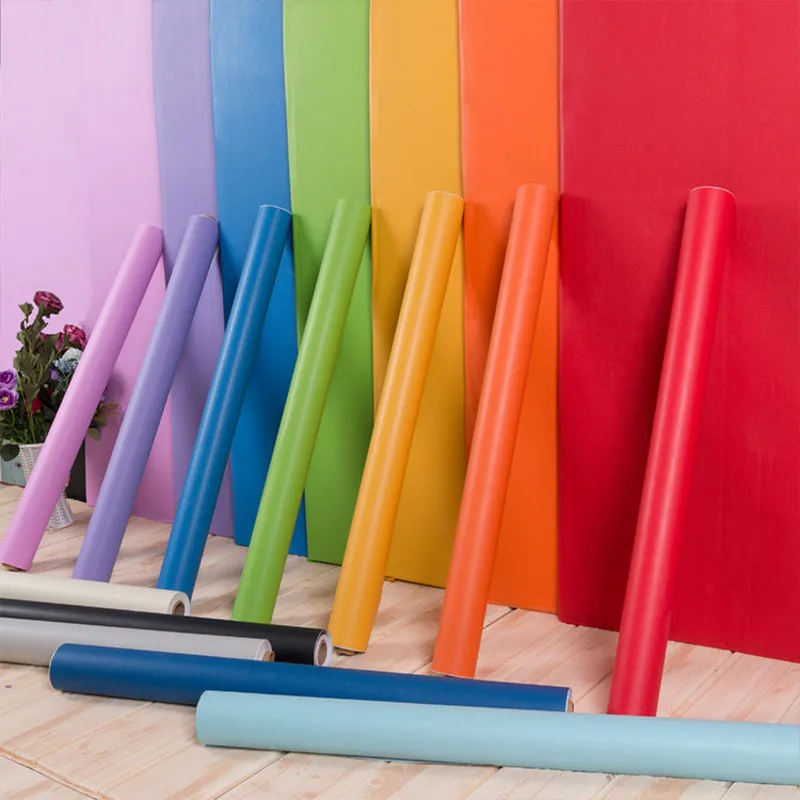
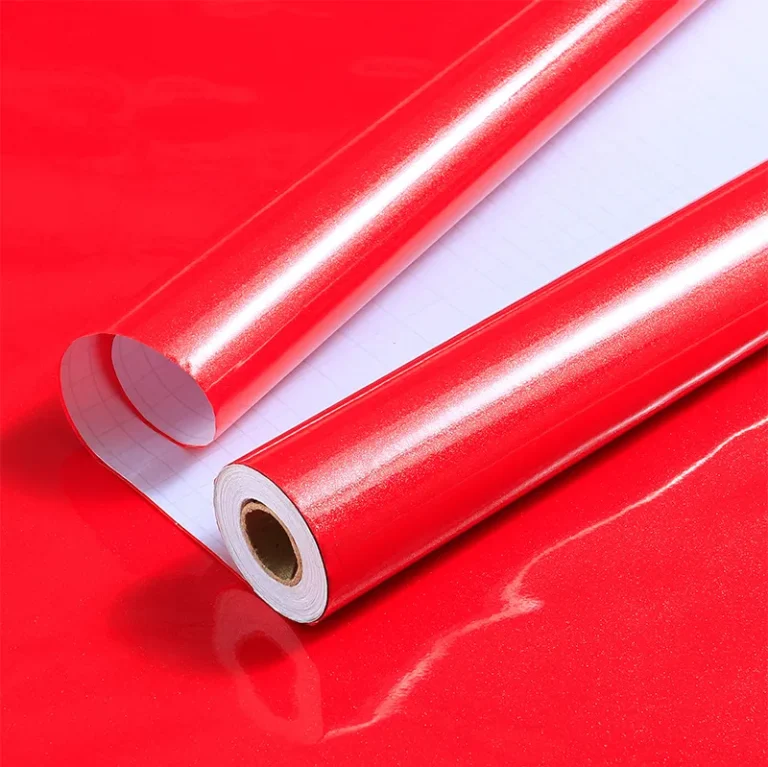
Laser PVC film has become a go-to material for brands and manufacturers who need high-impact shelf presence without sacrificing production efficiency. By combining PVC’s forming stability with laser/iridescent visual effects, it delivers premium decoration, brand differentiation, and functional protection for a wide range of packaging and surface applications.
Key takeaway: Choosing the right laser PVC film is less about “the brightest shine” and more about matching surface effect, adhesion/lamination method, thickness, and end-use environment (heat, abrasion, chemicals, compliance).
Laser PVC film (sometimes called holographic or iridescent PVC film) is a PVC-based sheet/roll material engineered to reflect light into dynamic rainbow-like patterns. The “laser” effect can be achieved through specialized surface texturing, metallized layers, or optical patterning, then protected with coatings that improve durability and printability.
Compared with standard decorative PVC, laser variants are designed to create a moving highlight as viewing angle changes—an effect widely used in premium packaging, promotional displays, and decorative laminates where “stand-out” is a business requirement, not a nice-to-have.
If your packaging needs a stable base film for converting steps (printing, slitting, laminating), consider pairing laser effects with a proven substrate such as
calendered film
for consistent thickness and runnability.
For surface décor categories adjacent to laser effects—like textile-like depth or soft reflection—products such as
3D silk texture film
can be a complementary option in a unified design lineup.
Laser PVC film is more than a visual trick. When specified correctly, it can improve product positioning, simplify finishing, and enhance durability during transport and retail handling.
Selecting laser PVC film should start with the end-use scenario: where it will be applied, how it will be processed, and what it must withstand. Use the checklist below to avoid common issues like delamination, haze, cracking during forming, or color shift under store lighting.
Packaging films often prioritize printability, lamination bond, and scuff resistance. Decorative films often prioritize abrasion resistance, dimensional stability, and long-term visual consistency under UV/indoor lighting.
✔ Quick decision hint
If the film will be converted on high-speed equipment (printing/laminating/slitting), prioritize thickness consistency and surface energy. If it will be used on furniture/panels, prioritize scratch resistance and adhesion stability over time.
Laser effects range from subtle shimmer to strong rainbow diffraction. Your brand identity should guide the effect strength:
For décor projects, you can also coordinate laser accents with classic patterns such as
wood grain film
to create contrast between “natural” and “futuristic” textures.
Thickness impacts not only durability but also processing stability. Thicker films typically offer better coverage and feel more premium, while thinner films can be easier to laminate and reduce total package thickness.
The same laser look can behave very differently depending on adhesive systems. Before final selection, confirm how the film will bond to your substrate (paperboard, foam board, metal, MDF, PVC board, etc.).
Many packaging projects require a stacked finishing approach: laser film + printing + protective coat + stamping. To avoid surprises, validate:
Laser PVC film can be specified with functional surface treatments depending on use-case. For example, electronics packaging may benefit from anti-static properties, while certain packaging may require food-grade compliance or low-odor performance.
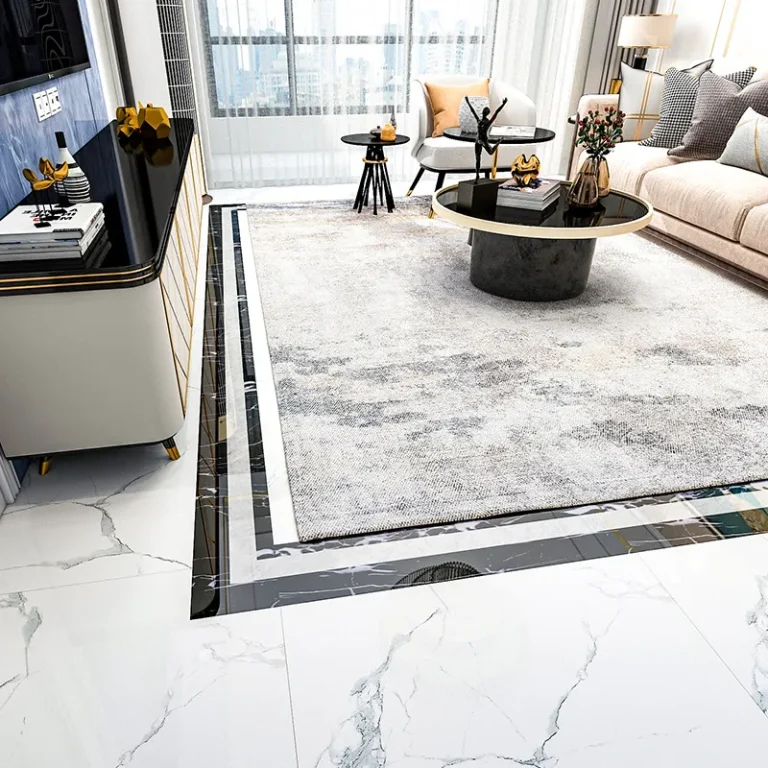
If your project is adjacent to home improvement zones (kitchens/bathrooms), consider whether the surface needs resistance to oils, humidity, and routine cleaning agents. In such environments, pairing decorative themes with specialized categories like
kitchen anti-oil film
can help align aesthetics and real-world durability requirements.
For packaging and interior decoration, compliance and safety are often non-negotiable. Many buyers request materials that are free of heavy metals and phthalates and can align with standards such as ISO management systems, REACH, RoHS, or FDA (depending on application and region).
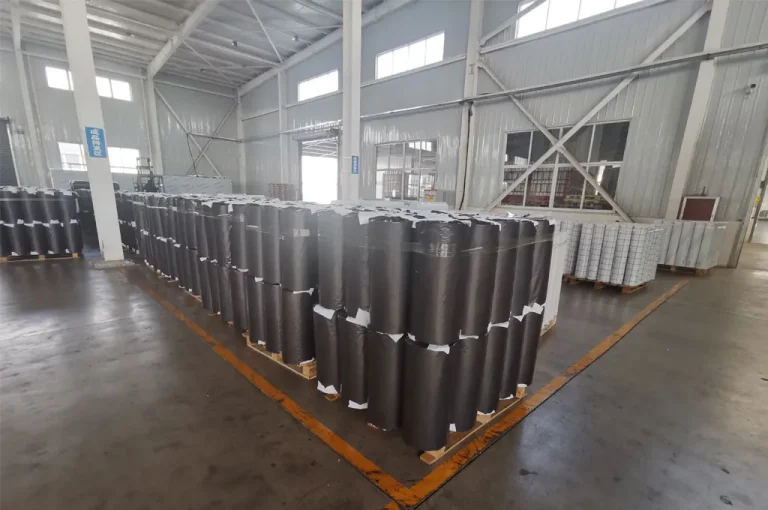
When comparing suppliers, ask for batch traceability, test reports (thickness, adhesion, optics), and clarity on how the film is packed (dust protection, labeling, roll protection) to reduce transit defects and production downtime.
Performance begins at the process level. Stable production methods—especially in calendering, printing, and slitting—help maintain thickness consistency, reduce curl, and improve repeatability between batches. For buyers, this translates into smoother converting and fewer defects during lamination or wrapping.
A clear RFQ helps your supplier recommend the right grade and reduces sampling cycles. Provide the following details to get an accurate quotation:
If you need faster navigation for product selection, you can browse the overall catalog at
Product
and then confirm detailed specs with the supplier based on your converting process.
To choose confidently, test samples in conditions that match real production and real usage. A quick “hand-feel” review is not enough for packaging lines or long-term decorative installations.
Yes, but you should select different grades based on process and environment. Packaging often needs better print/lamination compatibility, while decoration often needs stronger abrasion resistance and long-term adhesion stability.
Laser PVC film includes optical patterning/coatings that create iridescent effects. Standard decorative PVC may use solid colors, wood/marble patterns, or textures without holographic light diffraction.
Many grades can, but it depends on the surface coating and your ink/foil system. Always run a production-like trial to confirm ink adhesion, heat tolerance, and scuff resistance.
Match the film grade to your lamination temperature/pressure, confirm surface energy and adhesive compatibility, and ensure clean handling/packaging to prevent dust contamination.
Share application, thickness/width/roll size, desired laser pattern and gloss level, processing method (printing/lamination/die-cut), compliance requirements, and estimated order quantity.