Address
304 North Cardinal St.
Dorchester Center, MA 02124
Work Hours
Monday to Friday: 7AM - 7PM
Weekend: 10AM - 5PM
Address
304 North Cardinal St.
Dorchester Center, MA 02124
Work Hours
Monday to Friday: 7AM - 7PM
Weekend: 10AM - 5PM


Low cost laser PVC film is a practical way to add a premium “holographic” look to everyday packaging, labels, and printed materials—without paying premium prices. Whether you are building shelf impact for FMCG products, improving anti-counterfeit perception, or simply upgrading brand aesthetics, affordable holographic PVC sheets can deliver bright rainbow effects, crisp reflectivity, and reliable converting performance at scale.
This guide explains how laser (holographic) PVC film works, what specifications matter for printing and lamination, how to choose the right finish, and how a full-process manufacturer can help you control cost while keeping quality consistent.
In packaging and label markets, “laser PVC film” typically refers to PVC film with a holographic / rainbow diffraction pattern. When light hits the surface, micro-embossed structures create shifting colors and metallic-like sparkle. The result is a high-visibility finish that looks upscale on:
◆ Key idea: Holographic impact is not only about appearance—it can also improve on-shelf recognition and perceived value, especially when combined with clean typography and consistent brand colors.
“Affordable” does not have to mean “cheap-looking.” The final effect depends on the film’s optical clarity, embossing uniformity, and converting stability. When cost is controlled at the source—raw materials, calendering, printing, and slitting—manufacturers can offer competitive pricing without sacrificing the basics that matter in production:
If your project requires a base film made by calendering, learn more about Calendered Film and how it supports consistent thickness and mechanical performance in packaging and graphic applications.
Holographic PVC sheets are widely used for outer wraps, decorative panels, and window-style packaging where brands want a “wow” moment. For premium gifting, limited editions, and festive campaigns, holographic finishes help products stand out under retail lighting.
Tip: If you plan to add heavy ink coverage, ask for a surface treatment (or primer option) that improves ink anchorage and reduces scuffing during shipping.
Laser PVC film is popular for labels because it can combine reflectivity with durability. For pressure-sensitive labels or shrink-style decoration (depending on structure), the film can be selected to match application needs such as stiffness, conformability, or moisture resistance.
Brands that want a tactile upgrade can pair holographic effects with texture films such as 3D Silk Texture Film for a more “touch-and-feel” experience on premium packaging and display materials.
For printing houses and converters, affordability matters most when orders are frequent and variants are many. Holographic PVC can be used for promotional stickers, special graphics, event signage overlays, and decorative printed sheets where visual effect is the main selling point.
Selecting the right holographic PVC is easier when you translate design requirements into measurable specs. Below are the most important parameters to confirm before sampling and mass production.
Thickness affects how the film feeds through printers, how it laminates, and how it feels in hand. Thicker films may look more “card-like,” while thinner options can be more flexible for curved surfaces. For high-speed label lines, thickness tolerance and roll quality often matter more than nominal thickness.
Laser effects come in different diffraction patterns and brightness levels. Glossy versions deliver the strongest rainbow sparkle; matte versions can look more refined and reduce glare. Embossed patterns can help hide scuffs and fingerprints while adding dimensionality.
Confirm your printing process (UV, solvent, eco-solvent, screen, gravure, flexo) and the ink system. Ask for test data or conduct a small trial for:
If you laminate (for protection or structure), confirm bonding strength and optical clarity. For self-adhesive needs, choose the correct adhesive type (permanent/removable) and consider end-use conditions such as humidity, cold chain, or frequent handling.
✔ Production checklist: Confirm roll width, core size, roll length, surface direction (if pattern is directional), and packaging method before finalizing the PO.
The best way to reduce total cost is to reduce waste, delays, and rework. In holographic PVC projects, the most common cost drivers are inconsistent rolls, unsuitable surface treatment, and mismatched converting settings.
A supplier with integrated calendering, printing, and slitting/packaging can control the entire chain—from raw materials to finished rolls. This reduces cross-supplier variation, shortens lead time, and improves traceability if you need to troubleshoot a specific batch.
If your design team wants many SKUs, keep the base film standardized (thickness, width, core) and customize only the necessary variables such as holographic pattern, color tone, or print layout. This approach often yields better unit pricing and more stable supply.
For labels and packaging, the “sample” should mimic the actual process: same ink, same curing, same lamination (if any), and similar line speed. This prevents unexpected issues like curling, scuffing, or color deviation after scaling up.
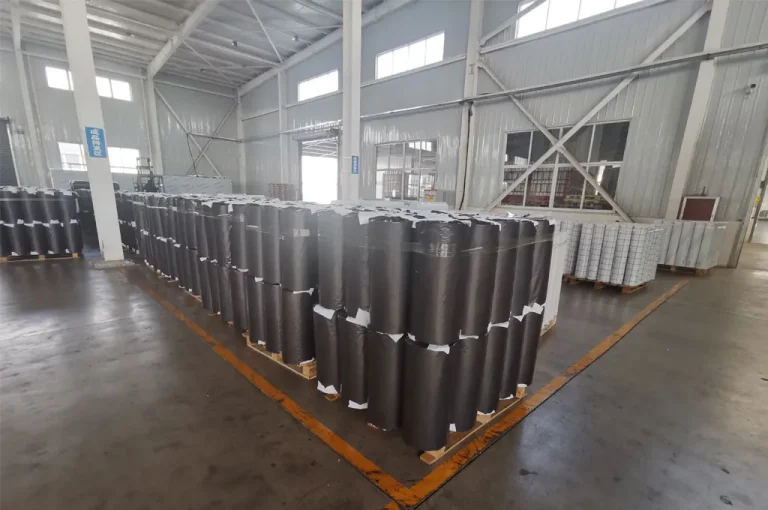
Pulivk Film focuses on PVC film R&D and manufacturing, supplying multiple film types including calendered film, decorative film, transparent film, soft-touch film, and more. With complete production lines for calendering, printing, slitting, and packaging, the workflow can cover every step from raw materials to finished rolls—helping control cost and lead time while keeping quality stable.
◆ What this means for buyers: You can request OEM/ODM customization—thickness, width, roll size, color/pattern, printing, and packaging—while benefiting from tighter QC and more predictable delivery schedules.
To explore more PVC film categories for interiors and decorative surfaces (which often share similar manufacturing and quality control logic), you can visit the Product section, or learn practical selection guidance in the Knowledge center.
For packaging and labels—especially when products are used indoors or handled frequently—buyers often need more than appearance. Ask your supplier about compliance and test support, such as ISO management systems and material compliance (for example, REACH/RoHS/FDA-related requirements depending on your market and application).
If you print on the film, the ink system and coating choices matter. Environment-friendly ink options help reduce odor and improve suitability for indoor applications. For brands that prioritize consumer safety, it’s also important to confirm that the material is free from restricted substances where applicable.
In large orders, consistency is what protects your margin. Reliable suppliers implement multi-step QC—from raw materials and thickness checks to adhesion, optical inspection, and finished roll verification—and provide batch traceability to support long-term programs.
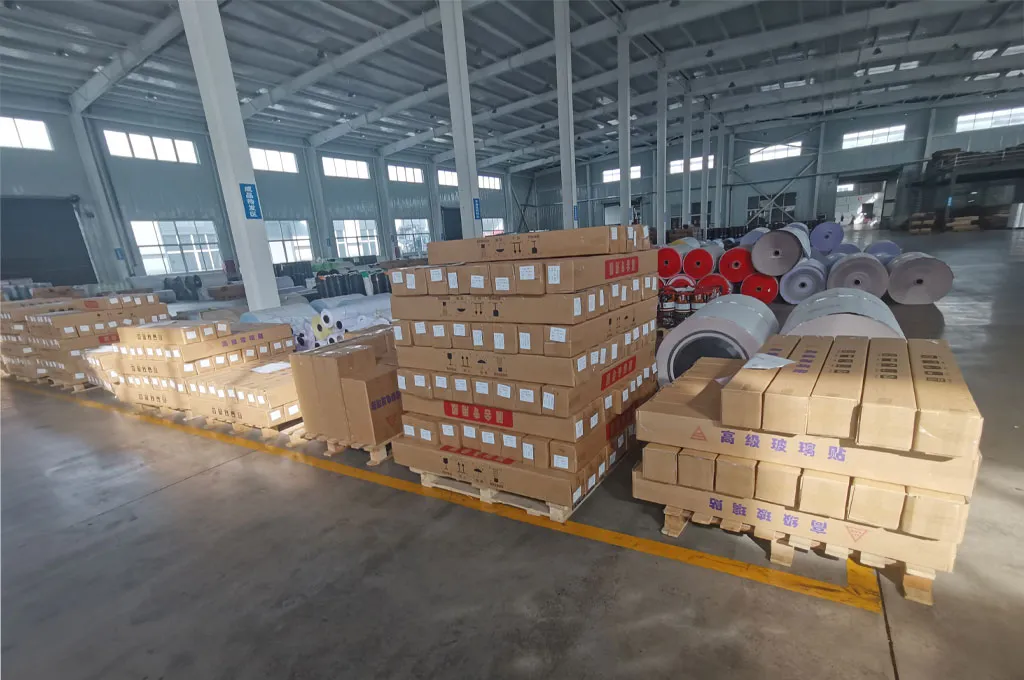
Holographic surfaces can show scratches more easily than standard films, so packaging is not a minor detail. Good suppliers typically slit to your required width and pack each roll individually, often with dust-proof PE film or kraft paper, plus clear specification labels to avoid warehouse mix-ups.
If you need quotations, samples, or OEM detail confirmation, use the Contact page to share your application, thickness, width, pattern preference, and target quantity.
To reduce back-and-forth and accelerate sampling, prepare a simple specification sheet. The clearer the input, the faster the supplier can match the right holographic base and surface treatment.
◆ Recommended spec list:
Application (packaging/label/printing) · Film type (holographic PVC) · Thickness · Width · Roll length · Core size · Finish (gloss/matte/emboss) · Printing method · Surface treatment (anti-static, etc.) · Packaging request · Target lead time
PVC film is a thin sheet made from polyvinyl chloride. It is widely used because it offers a strong balance of durability, printability, and surface finish options (glossy, matte, embossed, holographic).
Yes. OEM/ODM customization commonly includes thickness, width, roll size, color tone, holographic pattern, printing, and packaging. Share your end-use and converting process to match the best surface treatment.
Run a production-like sample test using your actual ink and curing settings, then check adhesion and scuff resistance. Your supplier can recommend surface options to improve ink anchorage if needed.
Main factors include film thickness, pattern type, surface treatment, order quantity, roll size, and packaging requirements. In many cases, standardizing roll specs and confirming print compatibility early can reduce total cost by minimizing waste.
Global shipping is common for PVC film programs. Rolls are typically slit to spec, individually wrapped (dust-proof protection), labeled, and packed in export-ready cartons/pallets to reduce abrasion and moisture risk during transit.