Address
304 North Cardinal St.
Dorchester Center, MA 02124
Work Hours
Monday to Friday: 7AM - 7PM
Weekend: 10AM - 5PM
Address
304 North Cardinal St.
Dorchester Center, MA 02124
Work Hours
Monday to Friday: 7AM - 7PM
Weekend: 10AM - 5PM



Low cost PVC film is one of the most practical materials for manufacturers and contractors who need reliable performance without overspending. From furniture wrapping and interior decoration to packaging and protective layers, PVC film can deliver strong surface protection, easy cleaning, and attractive finishes—as long as you choose the right type and verify quality before ordering.
“Low cost” should never mean “unknown material” or “unstable quality.” In PVC film sourcing, affordable pricing is usually achieved through efficient production, optimized formulations, and streamlined logistics—not by cutting corners on safety or consistency. A properly made budget-friendly PVC film should still provide:
Key baseline expectations
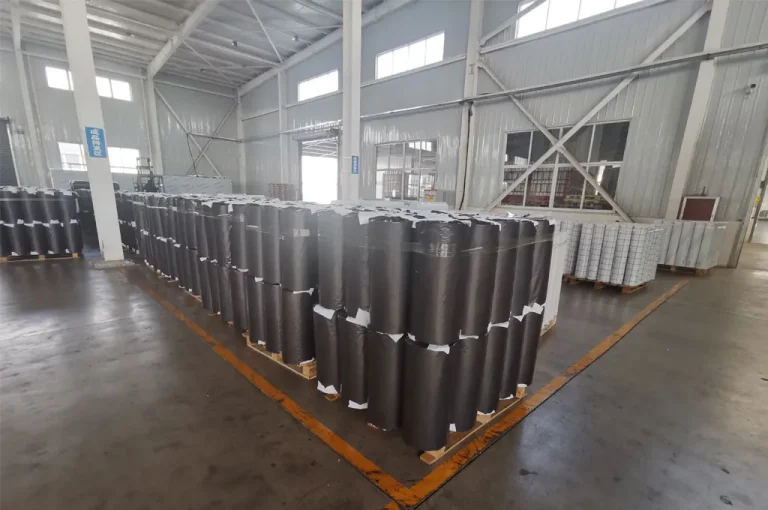
Manufacturers with full-process control—calendering, printing, slitting, and packaging—often deliver better value because they can reduce waste and keep quality stable while maintaining competitive pricing.
PVC film isn’t one single product. Your cost and performance depend heavily on the film structure (single-layer vs. laminated), surface (glossy/matte/embossed), and functional treatment (anti-static, anti-fog, etc.). Below are common low-cost options and how to use them effectively.
Calendered PVC film is widely used because it balances cost efficiency and dimensional stability. It’s a strong fit for furniture wrapping, decorative lamination, and general-purpose industrial use.
Recommended reference:
Calendered Film
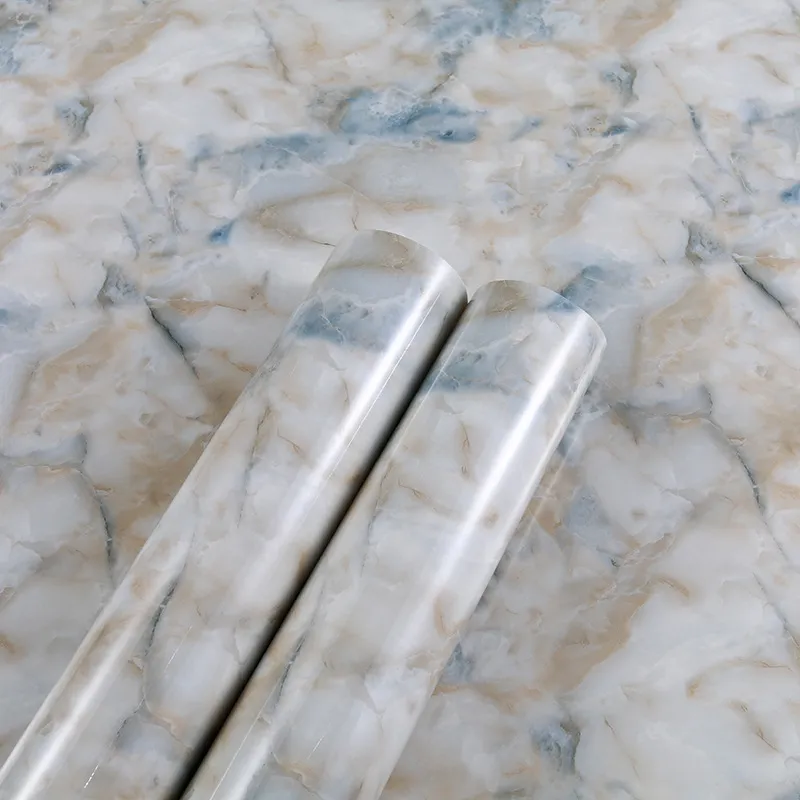
If your goal is to transform surfaces at low cost—cabinet doors, wall panels, shopfitting, partitions—decorative PVC films are among the most budget-friendly “visual upgrades.” Popular choices include wood grain, marble, and solid colors.
Practical product examples:
Wood Grain Film,
Marble Film,
Solid Color Wallpaper
Tip: If the project is pattern-sensitive (wood grain matching, marble veining alignment), ask for pattern repeat length and confirm print batch consistency before mass production.
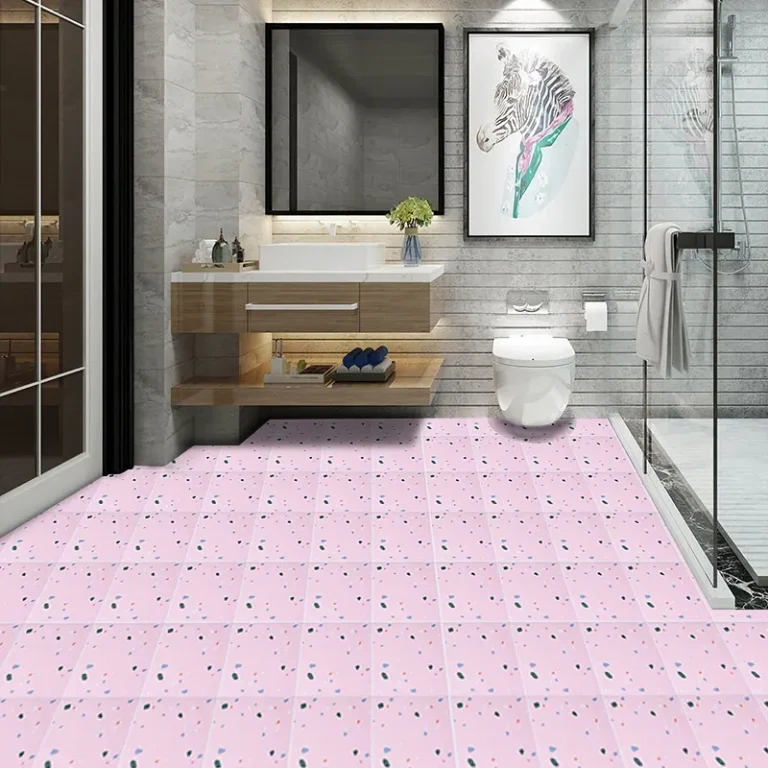
For commercial spaces, rentals, showrooms, or quick renovations, PVC-based floor films and coverings can be a cost-controlled way to improve wear resistance and cleaning convenience. Focus on abrasion performance, slip considerations, and compatibility with the substrate.
For flooring-related needs:
Floor Film
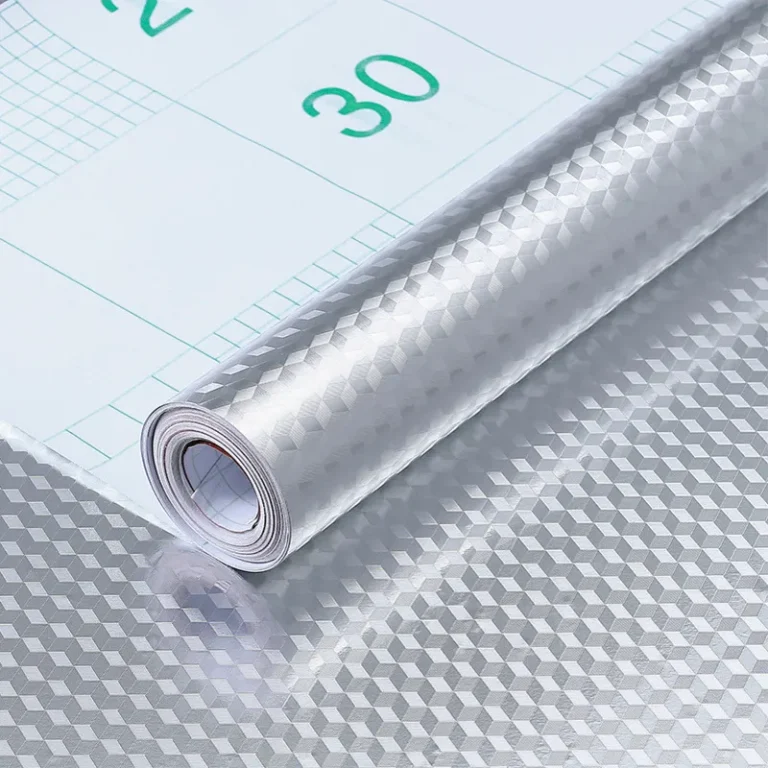
When you want a “higher-end touch” without premium materials, textured PVC films (silk, cloth grain, brushed effects, 3D embossing) help you deliver a distinctive finish while keeping production costs manageable.
Texture option reference:
3D Silk Texture Film
Affordable PVC film becomes especially valuable when applied at scale or when you need frequent style updates. Here are typical use-cases that prioritize value while still demanding dependable performance:
Choosing the “best quality” in the budget range is mainly about matching film properties to the job and reducing risk through verification. Use the checklist below to avoid the most expensive mistake: buying the wrong film and reworking the entire project.
Different projects require different bonding or installation methods. Before comparing prices, confirm whether you need:
Thickness affects appearance, covering power, flexibility, and durability. Thicker is not always better—overspecifying thickness can waste budget. Ask suppliers for thickness tolerance data and recommended ranges for your process.
Quick selection guidance
Finish choice changes both aesthetics and maintenance. Glossy surfaces often show scratches more easily but offer strong visual impact. Matte and soft-touch surfaces can feel premium and hide fingerprints—however, you should confirm stain resistance and cleaning compatibility for the intended environment.
To keep costs low, pay for functional features only if your application demands them. Typical treatments include:
Even low cost PVC film can meet demanding standards when produced correctly. If your market requires it, request documentation aligned with ISO management systems and materials compliance such as REACH, RoHS, or FDA (for relevant use-cases). Also confirm the material is free from restricted heavy metals and controlled plasticizers when specified.
Instead of relying on appearance alone, use a few practical checks to reduce risk—especially for repeat orders.
Buyer’s mini QC checklist
If you want long-term affordability, the goal is not “cheapest per roll,” but lowest total cost in use. These strategies help you control budget while improving consistency:
Cost rises quickly when every SKU has a different thickness, embossing depth, or custom roll length. Standardizing core specs can reduce setup waste and improve lead time.
Rush production and air freight can erase the savings of low cost materials. A stable forecast and planned reorder points keep costs predictable and avoid forced substitutions.
For new patterns or new adhesive systems, small trials are a budget safeguard. Confirm process compatibility (lamination temperature, press time, glue type) before committing to bulk.
Procurement note: When comparing suppliers, ask whether they control calendering + printing + slitting/packing in-house. Full-process control often improves consistency and reduces hidden costs like defects, delays, and rework.
Low cost PVC film purchasing becomes smoother when you align on technical details early. Include these items in your inquiry or RFQ:
Yes—if it uses compliant materials and stable printing/embossing. For indoor projects, prioritize low odor, consistent thickness, and surface durability (scratch/stain resistance).
The most common issues are thickness variation, unstable color between batches, and poor compatibility with your adhesive/press process. Always validate with samples and basic QC checks.
Choose based on maintenance and visual goals: glossy for strong visual impact, matte/soft-touch to hide fingerprints, and textured to mimic wood/cloth or add premium feel on a budget.
Yes, especially with OEM/ODM suppliers. To keep pricing competitive, standardize core specs and customize only what matters most (color/pattern, roll width, packaging labels).
Send film type, application, thickness/width/roll length, surface finish, color/pattern reference, quantity, and compliance needs. This helps suppliers match the best-value option without delays.