Address
304 North Cardinal St.
Dorchester Center, MA 02124
Work Hours
Monday to Friday: 7AM - 7PM
Weekend: 10AM - 5PM
Address
304 North Cardinal St.
Dorchester Center, MA 02124
Work Hours
Monday to Friday: 7AM - 7PM
Weekend: 10AM - 5PM


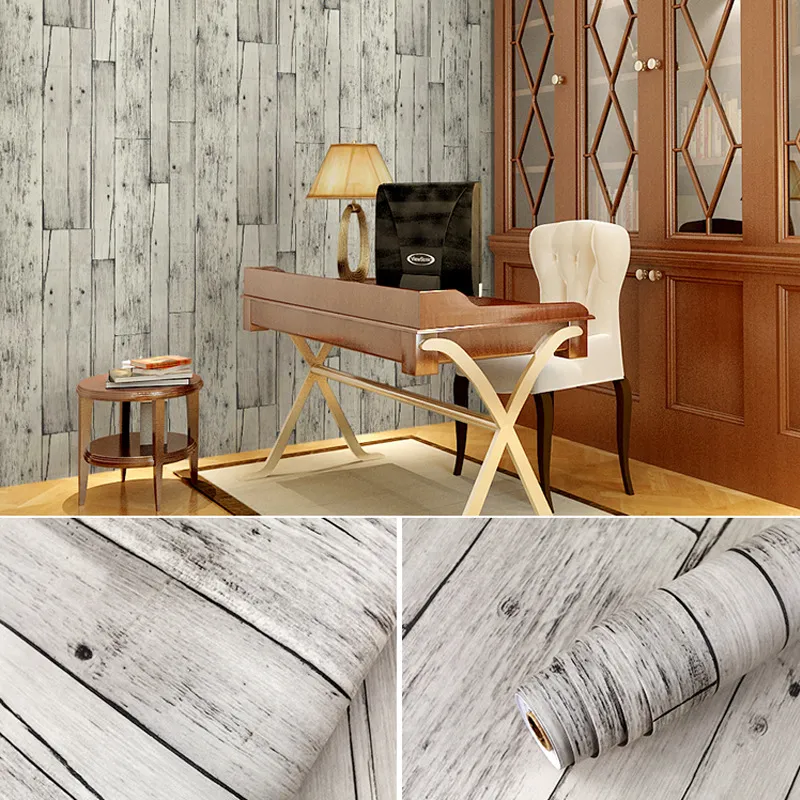
Choosing between matte film and glossy film can change the look, feel, and performance of your surfaces. This guide breaks down the key differences, benefits, and best uses so you can pick the right finish for cabinetry, furniture, walls, packaging, or vehicle wraps.
Matte film offers a flat, low-reflective finish that masks surface imperfections and reduces glare. Glossy film delivers a shiny, mirror-like appearance that intensifies colors and adds a premium look—at the cost of showing marks and reflections more easily.
| Property | Matte Film | Glossy Film |
|---|---|---|
| Appearance | Soft, muted, modern | Bright, reflective, high-impact |
| Light reflection | Low — reduces glare | High — highlights color depth |
| Visibility of scratches/fingerprints | Less visible | More visible |
| Cleaning | Easier to keep looking clean | Requires frequent wiping and polish |
| Best for | Contemporary interiors, matte cabinetry, hiding flaws | Retail displays, high-gloss furniture, showrooms |
Less glare and a modern aesthetic: Matte film diffuses light, making it ideal for bright rooms, offices, and spaces with lots of windows. The finish is subtle and contemporary.
Camouflages imperfections: Because it doesn’t reflect light strongly, surface scratches, fingerprints, and roller marks are far less noticeable on matte finishes.
Great for texture-rich designs: Wood grain, silk texture, and stone-effect matte films deliver a tactile, natural appearance that reads well under different lighting conditions.
Interior cabinetry, matte wardrobe doors, wall coverings in living rooms or offices, and environments where glare reduction or a restrained look is preferred.
High visual impact: Glossy film enhances color saturation and depth, making patterns and marbles pop—perfect for showroom displays, kitchens, and retail shelving.
Easy to wipe clean: Many glossy films are smooth and non-porous, so spills and dirt can be removed quickly. However, fingerprints and micro-scratches remain more visible.

High-traffic retail fixtures, glossy cabinetry for small kitchens to reflect light, promotional packaging, and places where a luxurious finish is desired and regular maintenance is acceptable.
Matte film care: Use a soft damp cloth and mild detergent. Avoid abrasive cleaners and heavy polishing; these can create uneven shine spots.
Glossy film care: Microfiber cloths and gentle cleaners preserve reflectivity. For scratches, specialized polish products can reduce visibility, but prevention (soft-touch handling) is key.
Both matte and glossy PVC films can be produced with protective layers (anti-scratch, anti-oil, UV protection). For demanding environments (kitchens, bathrooms, floors), choose films with added surface treatments.
Ask these questions: Is glare a problem? Do you need to hide substrate flaws? Will the surface face heavy touching or polishing? Do you want a modern matte or a showy glossy look?
Choose matte for low-glare, practical, and forgiving finishes. Choose glossy for dramatic color, reflective surfaces, and when the substrate is already in excellent condition.
– If hiding imperfections is a priority → Matte.
– If you need to brighten a small or dark room → Glossy.
– For heavy-use areas where appearance must remain pristine with minimal polishing → consider higher-grade protective finishes on either film type.
Many manufacturers offer custom calendered and printed options—textures, wood grains, marbles, and solid colors—in both matte and glossy finishes. For custom sizes, prints, or OEM projects, consider a supplier with full in-house production capability like Pulivk.
There’s no single “best” finish—only the right finish for your design goals and use-case. Match the film type to the environment, maintenance expectations, and the emotional impact you want the surface to deliver.