Address
304 North Cardinal St.
Dorchester Center, MA 02124
Work Hours
Monday to Friday: 7AM - 7PM
Weekend: 10AM - 5PM
Address
304 North Cardinal St.
Dorchester Center, MA 02124
Work Hours
Monday to Friday: 7AM - 7PM
Weekend: 10AM - 5PM


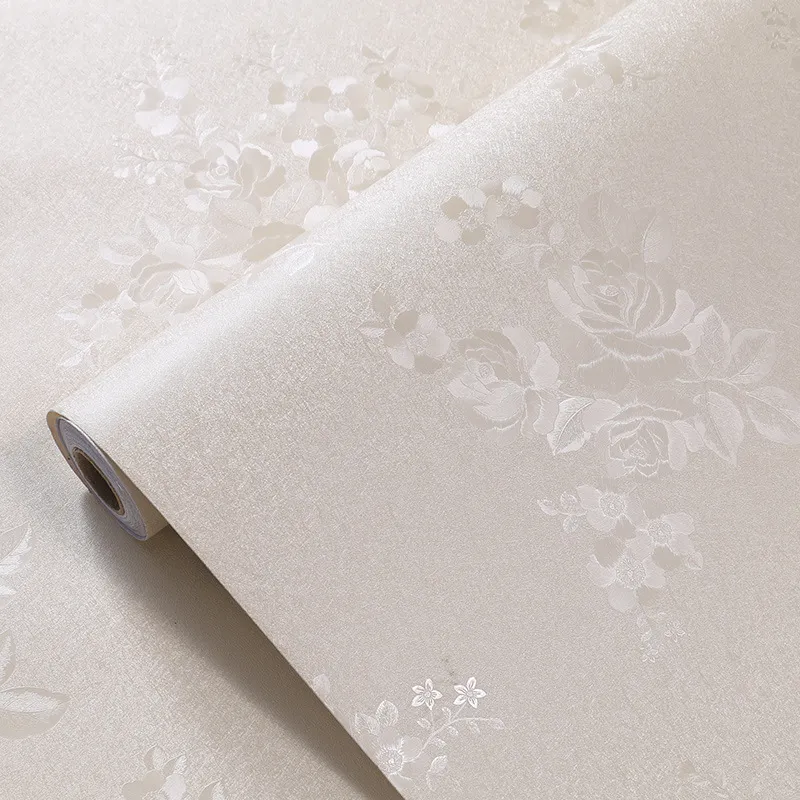
PVC food wrapping film is an indispensable tool in modern kitchens, offering a versatile and effective way to preserve freshness, prevent contamination, and organize food storage. This guide delves into the different types of PVC films available, their specific uses, and practical tips for making the best purchasing decisions.
Polyvinyl Chloride (PVC) film is a thin, flexible plastic sheeting widely used for food contact. Its popularity stems from its excellent clarity, strong cling properties, and ability to form an airtight seal. Unlike generic plastic wraps, food-grade PVC films are manufactured with specific additives to ensure they are safe for direct contact with edibles and compliant with health regulations.
Key Property: The clinginess of PVC wrap is due to a controlled level of plasticizer, which allows the film to adhere to itself and various surfaces without the need for adhesives, creating a protective barrier against air and moisture.
Not all PVC wraps are created equal. They are engineered for different applications, which can be broadly categorized as follows:
This is the most common household type. It is thin, highly transparent, and has excellent cling properties suitable for covering bowls, wrapping sandwiches, or sealing the cut end of fruits and vegetables. It’s ideal for short to medium-term refrigeration.
Designed to withstand lower temperatures without becoming brittle or losing its seal. This type is slightly thicker and provides a stronger barrier against freezer burn, making it perfect for long-term storage of meats, prepared meals, and baked goods.
Specially formulated to withstand the heat of a microwave without melting or leaching chemicals into food. Always look for explicit “microwave-safe” labeling. It’s excellent for covering dishes during reheating to prevent splatters while allowing steam to vent.
Used in restaurants, catering, and food processing, this film comes in larger, heavier rolls. It offers superior tensile strength and puncture resistance for handling bulk quantities and irregularly shaped items. For industrial-scale production and diverse material needs, exploring specialized calendered film options can provide tailored solutions for durability and performance.
The utility of PVC food wrap extends far beyond simply covering leftovers. Its applications are limited only by creativity.
While PVC food wrap is safe for its intended uses, following guidelines is crucial:
Avoid Direct High Heat: Do not allow standard cling film to touch food during conventional oven baking or broiling, as it may melt. Use only film labeled as oven-safe for such purposes.
Check for Food-Grade Certification: Ensure the product is explicitly labeled for food contact. Reputable manufacturers comply with standards like FDA (USA) or EFSA (Europe) regulations.
Vent When Microwaving: Even with microwave-safe film, always leave a corner open or vent the wrap to allow steam to escape and prevent a dangerous pressure build-up.
Selecting the right PVC food wrap involves more than just grabbing the first roll you see. Consider these factors:
Are you mainly covering bowls, freezing meals, or using it in a microwave? Match the film type to its most frequent application. For household use, a multipack with standard and heavy-duty rolls might be most economical.
Cling Performance: Test how well it adheres to different surfaces like glass, plastic, and itself. A sturdy box with a serrated metal cutting edge provides a clean tear and protects the roll. Slide-cutters are often preferred for ease of use. While individual rolls seem inexpensive, calculate the cost per meter or foot from larger rolls. For commercial kitchens, purchasing large, commercial-grade product rolls is far more cost-effective. Be mindful of plastic use; wrap only when necessary and dispose of it properly, as most PVC cling film is not recyclable in curbside programs. Choose products from established brands known for quality and safety compliance. Look for relevant food safety certifications on the packaging. For projects requiring specific textures or patterns, such as decorative surfaces, specialized materials like 3D silk texture film offer unique aesthetic and functional benefits beyond standard food wrap. Yes, food-grade PVC film manufactured by reputable companies is safe for its intended food contact uses. It is regulated by authorities like the FDA and EFSA. The key is to use it as directed—for example, not allowing it to touch food during high-heat oven cooking unless specifically designed for it. PVC wrap is typically clingier and provides a better airtight seal due to its plasticizer content. PE wrap (often white and sold in dispensers) is less clingy but is more resistant to cold and is often marketed as a safer option for microwave use, though both types have microwave-safe variants. The choice depends on the desired cling performance versus specific heat/cold resistance needs. Only if it is labeled as “Freezer Grade” or “Heavy Duty.” Standard cling film may become brittle and crack at freezing temperatures, compromising the seal and leading to freezer burn. Always use film designed for freezer storage for long-term freezing. This can be due to several factors: the surface might be damp or greasy, the film might be low-quality, or the roll might be old and have lost some of its cling properties. Ensure surfaces are dry, and consider trying a different brand known for superior cling. Yes, alternatives are growing in popularity. These include beeswax wraps, silicone food covers, and containers made of glass or stainless steel. For specific protective applications, such as guarding walls or furniture edges, products like PVC skirting film serve a durable, long-term protective function. While these reusable options are excellent for reducing waste, disposable PVC wrap still holds a key role for certain tasks requiring an absolute airtight seal or for wrapping irregularly shaped items.
Tensile Strength: It should resist tearing easily when pulled taut.
Transparency: Good clarity allows for easy identification of wrapped contents.
Roll and Cutter Quality:
3. Consider Economic and Environmental Impact
4. Brand Reputation and Compliance
Frequently Asked Questions (FAQs)
1. Is PVC food wrapping film safe?
2. What is the difference between PVC wrap and other plastic wraps like PE (Polyethylene)?
3. Can PVC food wrap be used in the freezer?
4. Why does my cling film not stick properly?
5. Are there eco-friendly alternatives to PVC food wrap?