Address
304 North Cardinal St.
Dorchester Center, MA 02124
Work Hours
Monday to Friday: 7AM - 7PM
Weekend: 10AM - 5PM
Address
304 North Cardinal St.
Dorchester Center, MA 02124
Work Hours
Monday to Friday: 7AM - 7PM
Weekend: 10AM - 5PM


 ByPulivk
In the healthcare and pharmaceutical sectors, material selection is not merely a matter of cost—it directly impacts patient safety, product integrity, and regulatory compliance. Among the most versatile and dependable materials available today is medical grade PVC film. Engineered to meet stringent performance and biocompatibility requirements, this specialized film plays a critical role in everything from sterile barrier packaging to fluid delivery systems.
Medical grade PVC film is a flexible or rigid polyvinyl chloride sheet produced under tightly controlled conditions to eliminate contaminants and ensure consistent physical properties. Unlike industrial or general-purpose PVC, this material is formulated with non-toxic plasticizers, heavy-metal-free stabilizers, and often incorporates antimicrobial additives. It must pass rigorous testing for extractables, leachables, and cytotoxicity before it can be used in medical devices or pharmaceutical packaging.
Key differentiators include:
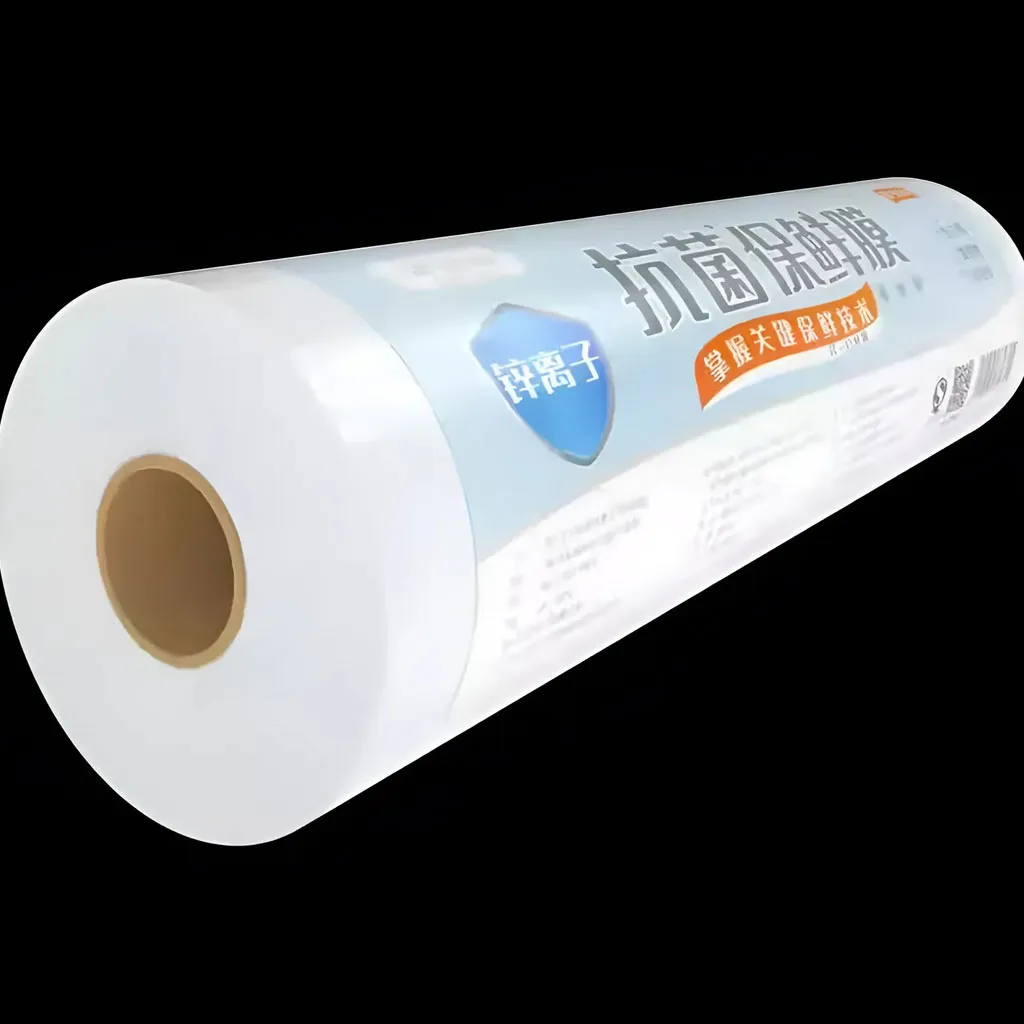
The versatility of medical grade PVC film makes it indispensable across a wide spectrum of healthcare products. Its ability to be formulated for varying degrees of flexibility, clarity, and chemical resistance allows manufacturers to tailor the material to specific end uses.
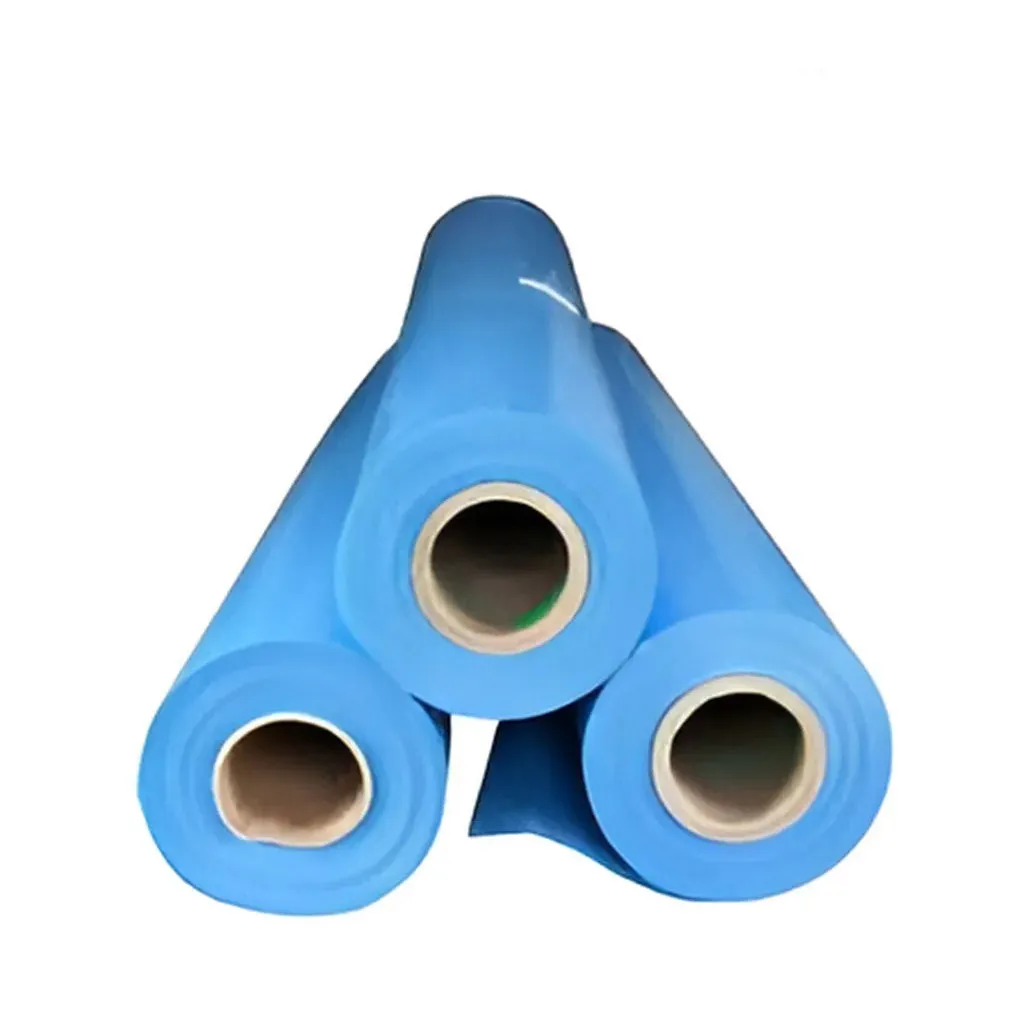
Why does medical grade PVC film remain the preferred material for critical healthcare applications? The answer lies in a unique combination of performance, processing, and economic advantages that few alternative materials can match.
Selecting the optimal film requires a methodical evaluation of application requirements, regulatory obligations, and supply chain considerations. The following decision framework can guide procurement and engineering teams through the selection process.
| Selection Criteria | Key Questions to Ask | Relevant Standards |
|---|---|---|
| Biocompatibility | Does the application involve direct or indirect patient contact? | ISO 10993, USP Class VI |
| Barrier properties | What level of moisture vapor transmission rate and gas permeability is acceptable? | ASTM D1593, ISO 4593 |
| Mechanical strength | Will the film undergo tension, puncture, or tear stress during use? | ASTM D882, ASTM D1004 |
| Sterilization compatibility | Which sterilization methods will the packaged device undergo? | Gamma, EtO, E-beam, Steam |
| Regulatory compliance | Are phthalate-free or lead-free formulations required for market access? | EU MDR, REACH, FDA 21 CFR |
| Sealing and processing | What temperature range and dwell time are compatible with existing packaging lines? | ASTM D2732 |
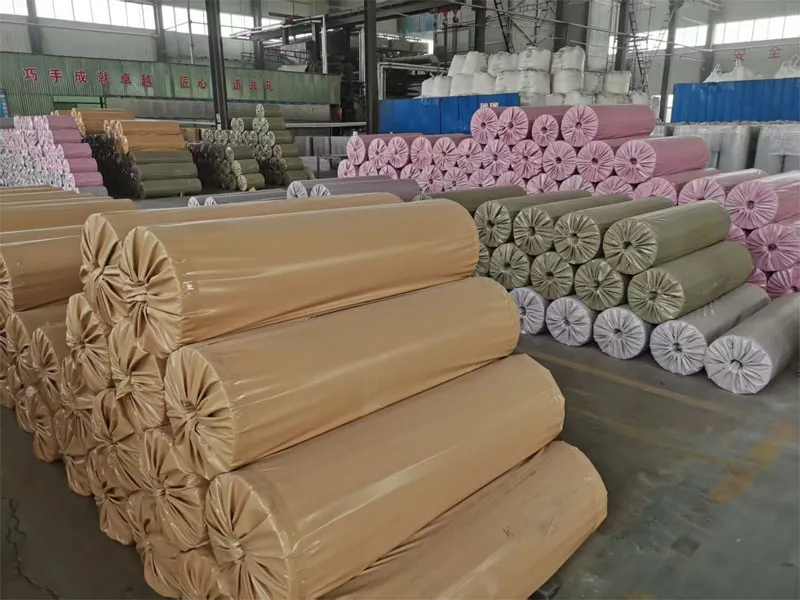
Navigating the regulatory environment is essential for any manufacturer sourcing medical grade PVC film. In the United States, the FDA oversees medical device packaging under 21 CFR, with specific provisions for vinyl chloride polymers in food-contact and medical applications. In Europe, the Medical Device Regulation imposes strict requirements for materials contacting the human body, while REACH and ECHA continue to evaluate restrictions on certain plasticizers.
Proactive suppliers invest in third-party testing to demonstrate compliance with key standards:
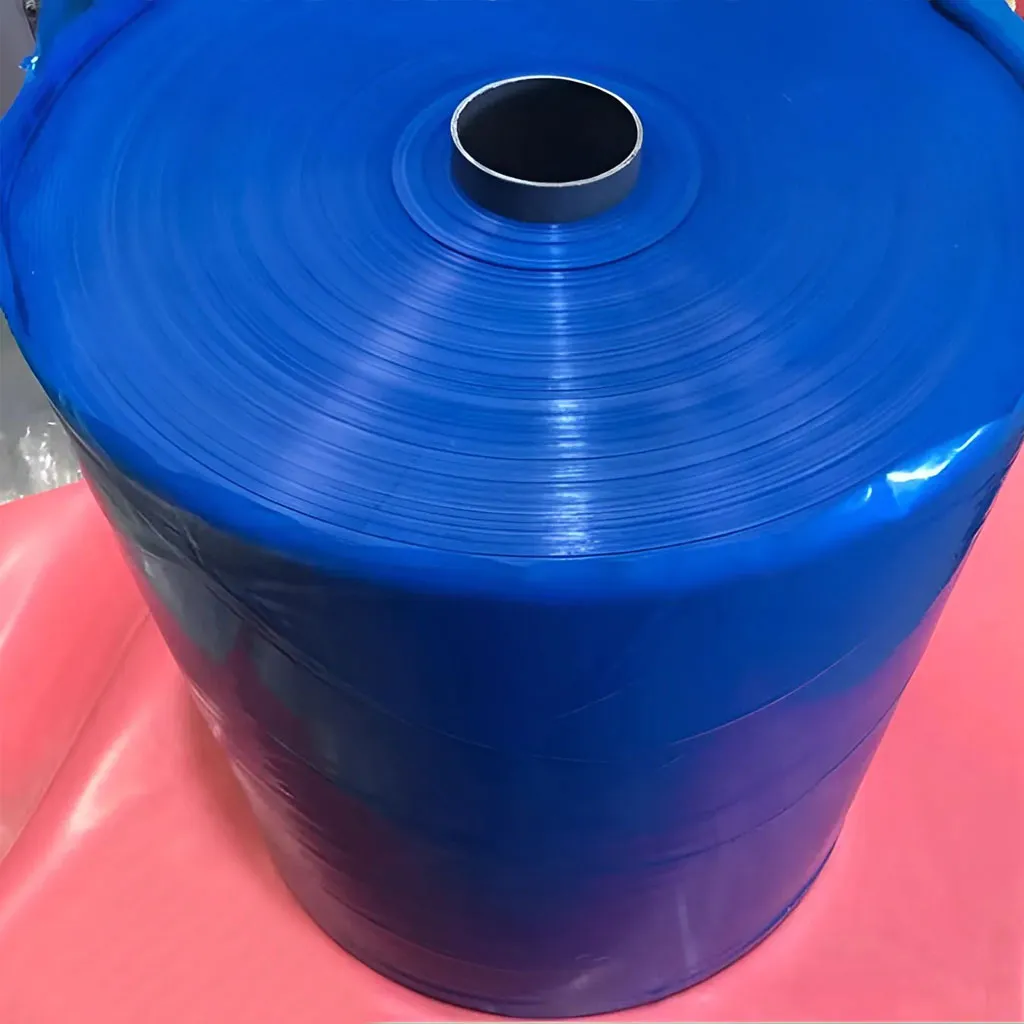
The specialty PVC films segment is evolving rapidly in response to healthcare sustainability goals and infection control priorities. Several innovations are reshaping the market:
When evaluating a PVC film supplier for medical applications, consider more than just product specifications. A manufacturer with integrated calendering, printing, and packaging capabilities can offer greater consistency, traceability, and value. Henan Pulivk New Materials Co., Ltd. operates complete in-house production lines—from raw material processing to finished roll packaging—ensuring every batch of medical grade PVC film meets the same exacting standards. With flexible OEM support, eco-friendly formulations, and global export experience, the right manufacturing partner helps bring your medical device or pharmaceutical product to market with confidence.
Further reading and resources: