Address
304 North Cardinal St.
Dorchester Center, MA 02124
Work Hours
Monday to Friday: 7AM - 7PM
Weekend: 10AM - 5PM
Address
304 North Cardinal St.
Dorchester Center, MA 02124
Work Hours
Monday to Friday: 7AM - 7PM
Weekend: 10AM - 5PM


Medical PVC film is a specialized polyvinyl chloride sheet engineered for hygiene-critical environments where barrier performance, process stability, and regulatory compliance matter. In modern healthcare, it is widely used for packaging sterile devices, creating clean protective layers, and supporting controlled manufacturing workflows. When specified correctly, medical PVC film helps reduce contamination risk, improves product visibility, and streamlines sealing, labeling, and logistics from factory to hospital.
Key takeaway:
Choosing medical PVC film is not only about thickness—your best results come from matching formulation, surface finish, sterilization compatibility, and sealing window to the exact healthcare workflow.
Medical PVC film is a calendered or cast PVC film designed for direct or indirect contact with healthcare products and environments. Compared with general-purpose PVC, medical grades focus on purity, odor control, low extractables, consistent thickness, and stable mechanical properties. Many healthcare users also request formulations that are free of heavy metals and restricted plasticizers, along with third-party reports aligned with ISO and global chemical regulations.
Where “medical” requirements typically show up:
• Cleaner raw materials and controlled production
• Better roll-to-roll consistency for automated packaging lines
• Documented compliance for audits (REACH/RoHS/FDA where applicable)
One of the most common roles of PVC film is as a thermoformable base web for blister packs and medical trays. It offers reliable forming behavior, strong visual clarity for inspection, and efficient sealing with compatible lidding materials. Typical packaged items include syringes, catheters, tubing sets, connectors, test kits, and single-use components.
In clean production zones, PVC film is used as protective wrapping or temporary isolation for parts and sub-assemblies to reduce dust and handling contamination. Its stable surface and optional anti-static treatment can support safer movement of sensitive components (especially in medical electronics or diagnostic assemblies).
Depending on local procurement policies, PVC films may also be used for non-sterile but hygiene-focused utility needs—protective covers, labeling layers, and process barriers that require wipe resistance and easy handling.
✔ Visibility matters in healthcare:
Clear medical PVC film can help staff quickly verify product integrity, count, and label accuracy without opening the pack—supporting safer workflows and reducing waste.
Medical PVC film commonly provides stable thermoforming behavior and predictable sealing performance. This helps packaging lines maintain output while controlling defects such as weak seals, web breaks, or uneven forming.
High transparency supports in-line camera inspection and simplifies visual checks in warehouses and clinical environments. Matte or frosted options can be used where glare reduction is needed.
When specified properly, PVC film offers a practical balance of stiffness, puncture resistance, and barrier performance for many medical packaging formats—especially where robustness in transport is critical.
Medical PVC film is typically purchased by specification, not by appearance alone. Below are the parameters procurement teams and packaging engineers commonly validate during sampling and trial runs.
• Thickness & tolerance: consistent gauge is essential for thermoforming depth and seal stability.
• Width, roll length, and core ID: must match your forming/sealing equipment and unwind settings.
• Surface finish: clear, matte, frosted, embossed; impacts glare, handling, and aesthetics.
• Sealability / sealing window: required temperature range, dwell time, peel behavior (when relevant).
• Mechanical properties: tensile strength, elongation, tear resistance, puncture resistance.
• Cleanliness: dust control, odor level, and production environment controls.
• Compliance documents: ISO management, REACH/RoHS, FDA (where applicable), and test reports.
In many packaging lines, calendered film is selected due to its high throughput manufacturability, consistent thickness control, and cost-performance balance. If your application relies on stable forming cavities and repeatable sealing, calendered options are often evaluated first. For reference product structures, see
Calendered Film.
Medical and clean manufacturing environments may benefit from optional functional treatments. Common requests include anti-static surfaces for dust control, anti-fog for visibility in humid conditions, and specialized coatings where the film must remain clear and stable over time. Always verify that any treatment is compatible with your sterilization method and sealing process.
Thermoforming performance is influenced by thickness, formulation, and processing temperature. If the film is too thin or tolerance is too wide, cavities may form unevenly and stress points may appear—leading to cracks, whitening, or reduced puncture resistance. A controlled trial should check forming depth, corner definition, and rebound behavior after cooling.
In medical packaging, seal quality is directly linked to safety and shelf-life. Your target may be a strong permanent seal, or a peelable seal for controlled opening. Confirm seal strength across the production range (temperature, pressure, dwell time) and validate performance after conditioning (heat, cold, humidity) where required by your internal protocol.
⚠ Quality note:
A “good-looking” seal is not always a compliant seal. Validate using appropriate test methods (e.g., peel tests, dye penetration where applicable, or in-house SOPs) and document results per batch/lot.
Sterilization can change polymer behavior. Depending on the method used (e.g., ethylene oxide, gamma, or other processes), medical PVC film may experience shifts in color, brittleness, or sealing response. The best practice is to test film-lidding combinations under your exact sterilization cycle and then re-check clarity, odor, seal integrity, and mechanical properties.
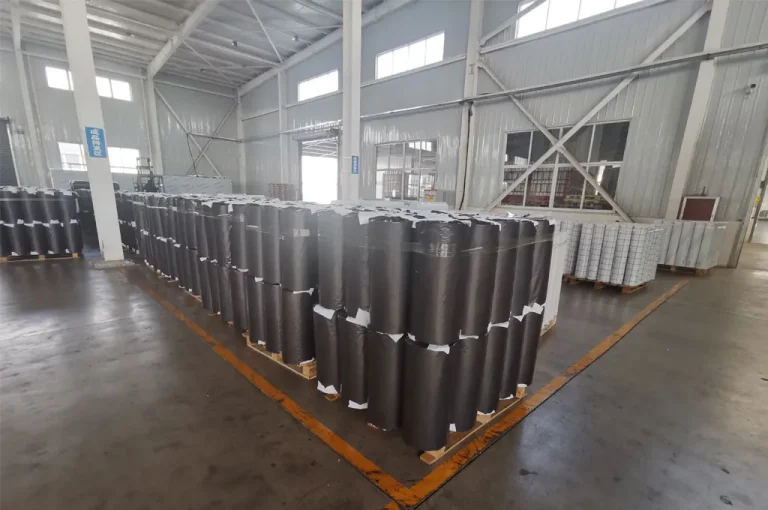
Healthcare packaging procurement often requires more than a competitive quote. Buyers typically request traceability, stable lead times, consistent roll packaging, and clear documentation to support audits. Manufacturers with end-to-end production (calendering, printing, slitting, and packing) can reduce variability by keeping critical steps under one quality system.
• Individual roll protection (dust-proof PE wrap or kraft paper)
• Clear specification labels (thickness/width/lot)
• Moisture and damage protection for long-distance shipping
• Documentation package for customs and customer QA review
OEM/ODM capabilities matter most when your packaging line is sensitive to film behavior. Common customization points include thickness and tolerance bands, width and roll length, surface texture, anti-static options, and color/opacity targets. If your packaging includes branded or process markings, printing compatibility and ink safety become important as well.
Choose higher transparency when visual verification is critical. Clear film is common for blister packs and trays where clinicians and warehouse staff must confirm product identity quickly.
Textured surfaces can reduce slip and fingerprint visibility. In some environments, a lower-glare surface improves readability of labels and reduces reflection under strong lighting.
Where dust attraction is a problem, anti-static film can support cleaner handling. This is especially helpful for diagnostic assemblies and components packed in controlled areas.
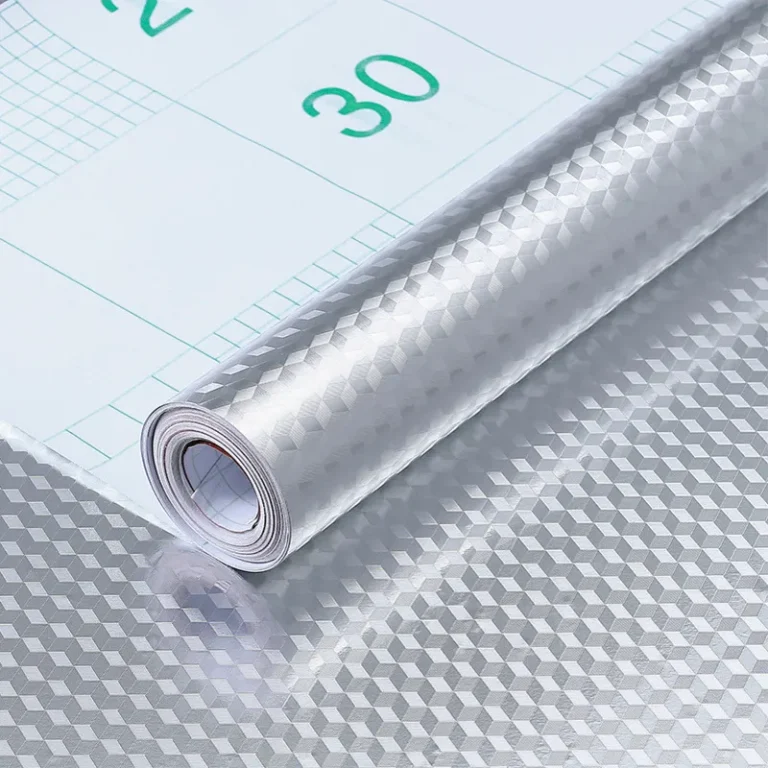
While this article focuses on medical PVC film, many buyers sourcing for multi-industry facilities also evaluate decorative and functional PVC solutions for adjacent environments (storage rooms, staff areas, facility renovations). For example, textured options such as
3D Silk Texture Film,
or durable surface solutions like
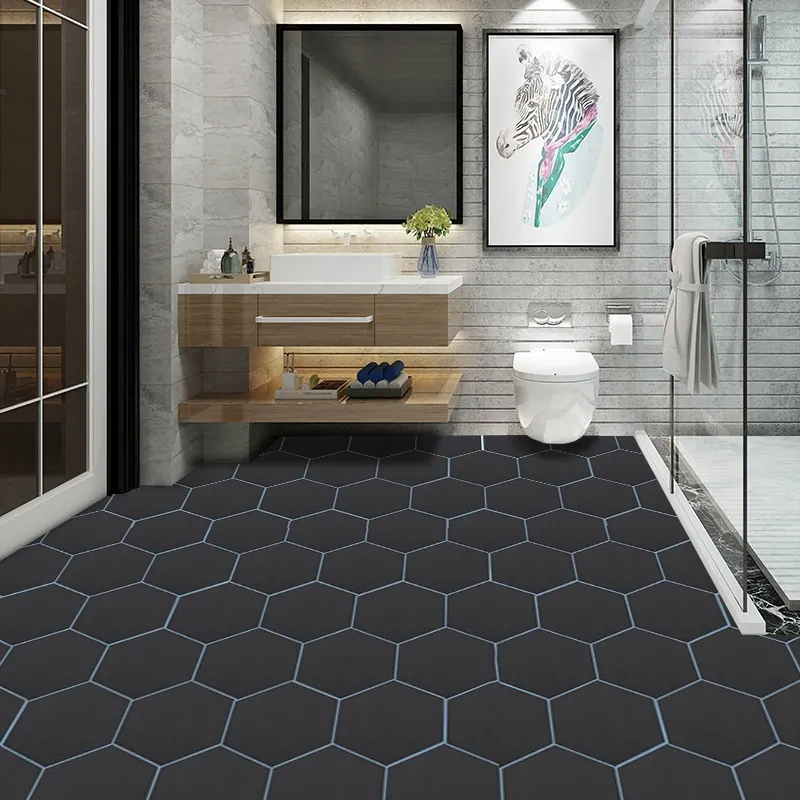
Floor Film
may be relevant for non-clinical fit-outs where cleanability and wear resistance are priorities.
Healthcare customers commonly require that materials meet internal restrictions and applicable standards. Depending on region and use case, requested documentation may include ISO management certification, material declarations for REACH and RoHS, and food/contact compliance statements such as FDA where relevant. Many buyers also request confirmation that formulations are free of heavy metals and restricted phthalates, plus supporting test reports.
Audit-friendly tip:
Ask for a consistent package per lot: COA or inspection summary, material declaration, and traceability identifiers that match your incoming IQC records.
Sampling is where medical PVC film decisions become clear. A structured trial helps prevent surprises after scale-up—especially on high-speed forming and sealing lines.
1) Incoming inspection: thickness mapping, roll edges, surface defects, odor check.
2) Line trial: unwind stability, forming consistency, cycle time, scrap rate.
3) Seal validation: seal strength across your process range; confirm peel/permanent behavior.
4) Conditioning: heat/cold/humidity exposure relevant to transport and storage.
5) Post-sterilization checks: if used, repeat clarity, brittleness, and seal integrity tests.
For broader sourcing information, product categories, and technical reading, you can also browse
Product
and
Knowledge
resources to compare structures and finishing options used across packaging and industrial environments.
Q1: What thickness is best for medical PVC film packaging?
The best thickness depends on forming depth, puncture risk, and line speed. Validate by trial: check cavity definition, scrap rate, and seal stability under your production settings.
Q2: Can medical PVC film be customized for anti-static or anti-fog performance?
Yes. Functional treatments such as anti-static and anti-fog are common, but they should be verified for compatibility with sealing and sterilization requirements.
Q3: What documents should I request for compliance and audits?
Typically: material declarations (REACH/RoHS), quality management certification (e.g., ISO), and batch traceability/inspection records. Requirements vary by region and application.
Q4: How do I confirm seal integrity before mass production?
Run sealing window trials across temperature/pressure/dwell ranges, then test seal strength and consistency after conditioning (and sterilization if applicable).
Q5: What makes a supplier reliable for medical PVC film?
Look for stable roll-to-roll consistency, end-to-end process control (calendering, printing, slitting, packing), documented QC checkpoints, and proven export packaging and lead-time discipline.