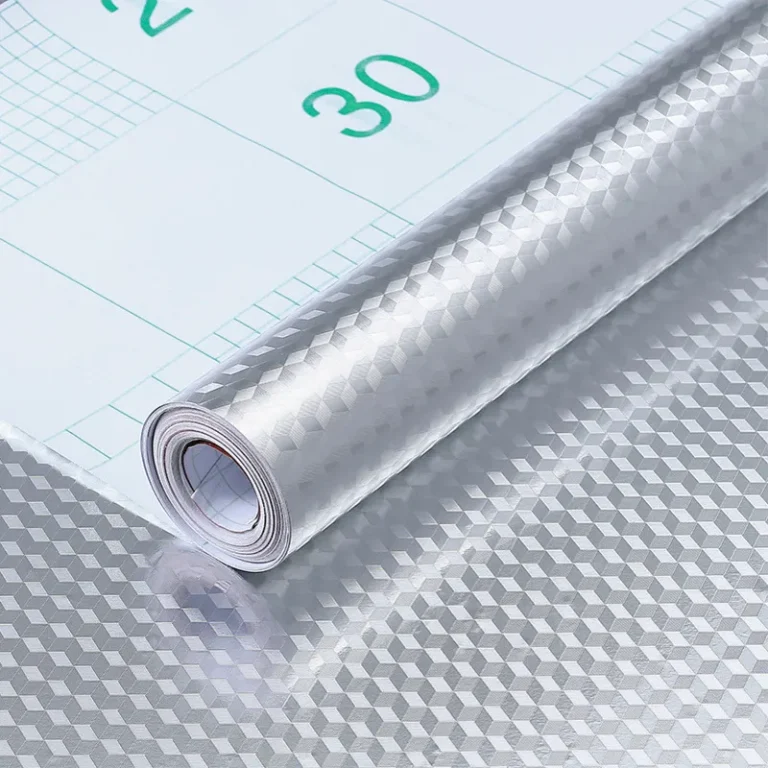
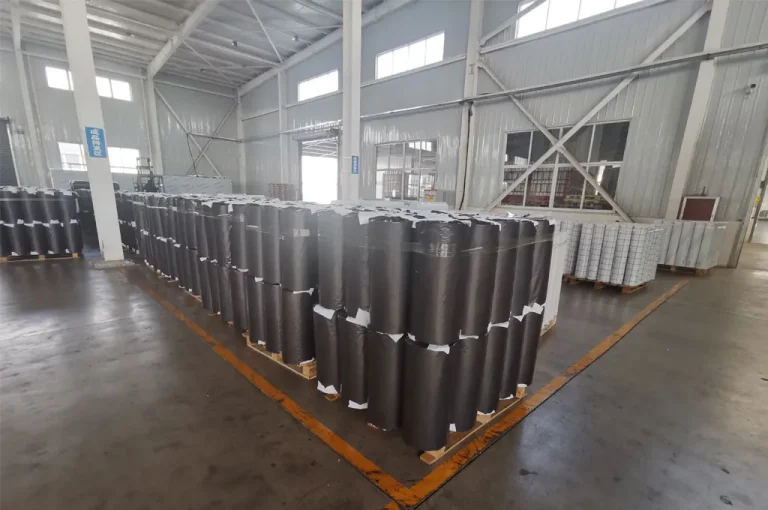
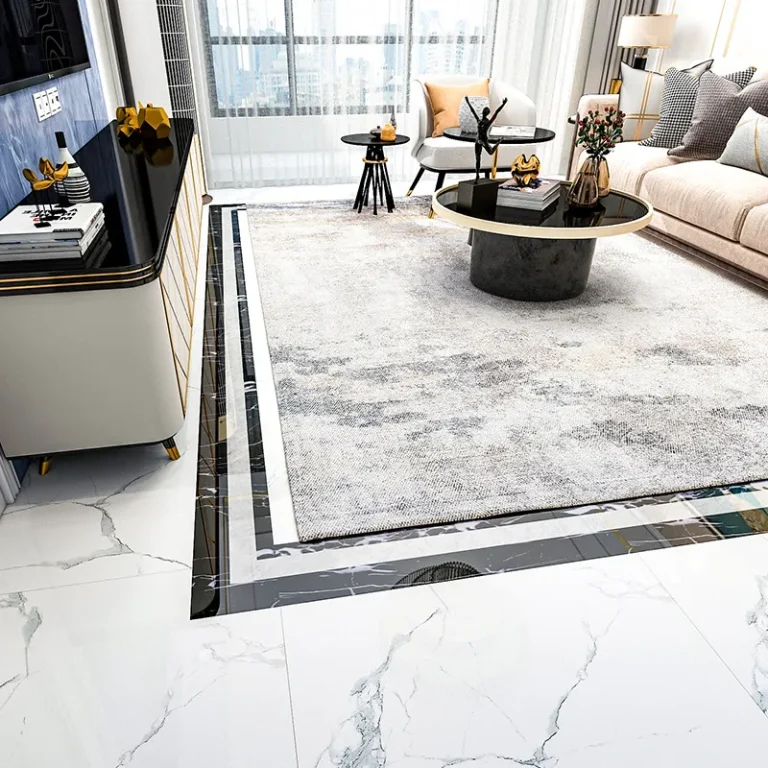
Address
304 North Cardinal St.
Dorchester Center, MA 02124
Work Hours
Monday to Friday: 7AM - 7PM
Weekend: 10AM - 5PM
Address
304 North Cardinal St.
Dorchester Center, MA 02124
Work Hours
Monday to Friday: 7AM - 7PM
Weekend: 10AM - 5PM


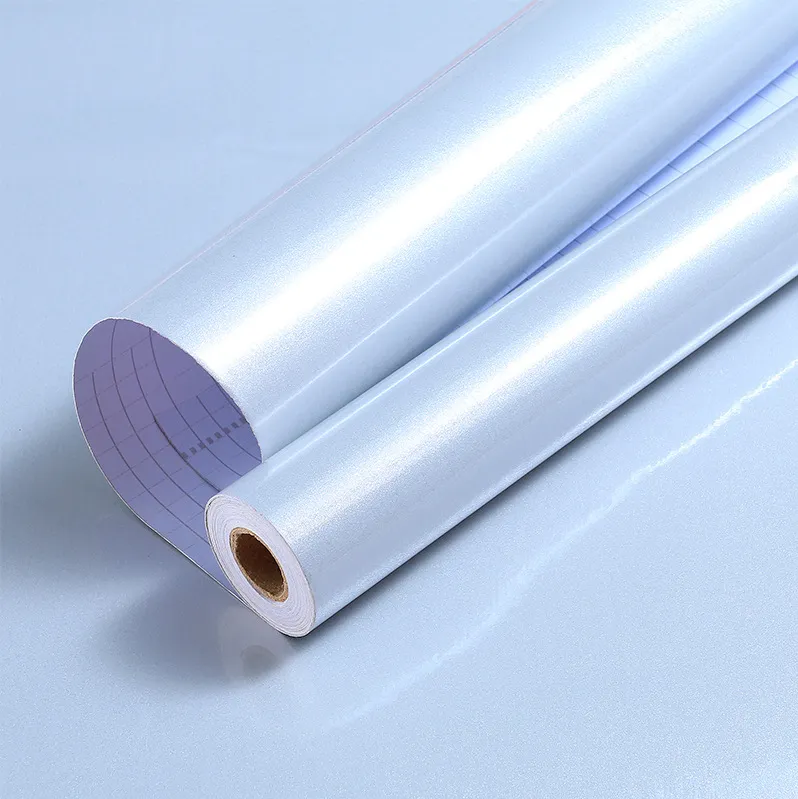
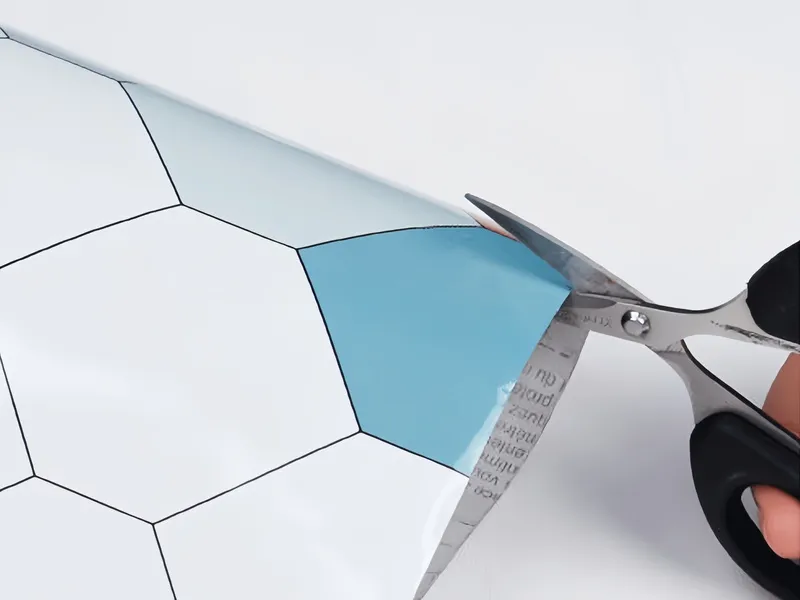
Metallized PVC film is a functional and decorative material created by adding a thin metallic layer (typically aluminum) onto a PVC base film.
The result is a surface that looks premium and reflective, while keeping the flexibility, processability, and cost efficiency that PVC is known for.
In furniture, interior decoration, appliances, advertising, and protective applications, metallized PVC film is often chosen to deliver a “metal-like” finish without using real metal sheets.
Key takeaway:
Metallized PVC film combines high visual impact (mirror/metal sheen) with practical PVC performance (forming, lamination, stable supply, and customization).
Where it fits best:
Decorative surfaces (panels, trims, skirting), product wrapping, signage, and areas where you want a clean metallic look with controlled cost.
Metallized PVC film starts with a PVC film substrate (often calendered for stable thickness and smoothness). A metallic layer is then applied to the surface using
vacuum metallization or similar coating methods. Finally, it may be finished with a protective topcoat (clear lacquer), embossing, matte/gloss control, or functional
coatings (anti-scratch, anti-fingerprint, anti-static, etc.).
① PVC base film →
② Metallized layer →
③ Protective / functional topcoat (optional) →
④ Adhesive layer (optional, for self-adhesive grades)
Compared with real metal foils or metal sheets, metallized PVC film offers a balance of aesthetics, performance, and processing convenience.
Below are the benefits that matter most in real production lines.
Metallized PVC film is used whenever you need a metallic finish plus the practical advantages of PVC. It is widely adopted in furniture, building decoration,
consumer goods, and industrial protection.
Ideal for cabinet panels, wardrobe surfaces, display units, trims, and decorative boards where modern metallic accents are desired.
Many factories pair metallized looks with complementary textures such as silk-touch or 3D embossing.
Related product reference:
3D Silk Texture Film
For commercial spaces, hotels, and retail interiors, metallic trims and skirting can create a clean, upscale visual line that also helps protect edges from scuffs.
Related product reference:
PVC Skirting Film
Metallized PVC film can be specified with anti-static or protective topcoats for appliance panels, decorative strips, and surface protection in handling/assembly.
For stable thickness and reliable converting, many buyers start from a quality PVC base such as
Calendered Film.
Reflective metallic effects help signage and promotional surfaces stand out under retail lighting.
Depending on the environment, you may select gloss, matte-metal, or textured finishes to reduce fingerprints and glare.
“Metallized PVC film” is not one single product. The right grade depends on where it will be used, how it will be processed, and which performance matters most
(appearance, adhesion, scratch resistance, or compliance). Below are the most practical specifications to confirm before ordering.
| Item | What it affects | What to confirm |
|---|---|---|
| Thickness | Wrapping stability, feel, durability | Target thickness & tolerance; single-layer vs laminated |
| Width & roll length | Machine compatibility, waste rate | Slitting width, core size, roll OD, packaging requirements |
| Surface finish | Visual effect, cleaning, fingerprints | Gloss/matte level, embossing, brushed look, anti-fingerprint |
| Metallized layer quality | Reflectivity, uniformity, appearance consistency | Uniform sheen; defect tolerance; batch consistency criteria |
| Adhesion / lamination behavior | Peel strength, edge lifting, long-term bonding | Substrate type (MDF, plywood, metal, plastic), adhesive type, process temperature |
| Scratch & abrasion resistance | Service life in high-touch areas | Topcoat grade; application environment; cleaning method |
| Compliance | Market access & customer audit readiness | REACH/RoHS/FDA needs; phthalate/heavy-metal requirements; test reports |
Choosing the right material becomes easier when you compare it to common alternatives used for similar “metallic” goals.
A reliable purchase decision is less about finding the “best” film and more about matching film structure to your production process and end-use environment.
Use the steps below to reduce trial-and-error and avoid hidden costs (waste, rework, customer complaints).
High-touch surfaces (cabinet doors, trims, retail fixtures) need better scratch resistance and anti-fingerprint topcoats.
Low-touch decorative areas (upper wall panels, display backgrounds) can prioritize appearance and cost.
Confirm whether you will use flat lamination, profile wrapping, vacuum press, or self-adhesive installation.
Different processes require different softness, dimensional stability, and surface energy.
If you also use flooring/wall systems in the same project, it helps to standardize suppliers and roll specs to reduce handling complexity.
Reference category:
Product
Metallic surfaces reveal defects more than matte patterns. Agree on viewing distance, lighting conditions, and acceptable limits for minor visual variation.
For example, “mirror silver” needs stricter inspection than “brushed champagne.”
Tip: Specify whether your QC will inspect before lamination (roll-to-roll)
or after pressing onto boards, because some marks only appear after heat/pressure.
If your products go to Europe, the Middle East, or regulated markets, confirm what your customers require (e.g., REACH/RoHS, heavy metal limits, phthalate-free options).
If you’re unsure which documents are common, you can check typical buyer questions and certification notes in:
FAQ
Request samples that match your real process parameters (adhesive, temperature, pressure, speed).
A short production trial will quickly reveal whether the film meets your needs for forming, edge stability, and surface durability.
For sample requests and quotations, use:
Contact
When metallized PVC film goes into mass production, small inconsistencies can create visible differences across panels, boards, or finished products.
Strong quality control should cover both appearance and functional performance.
Metallized PVC film projects often move fastest when the buyer provides a complete technical brief.
With full-process manufacturing (calendering, printing, slitting, and packaging), suppliers can usually shorten lead times and reduce cost by aligning production steps early.
Metallized surfaces can show scratches, pressure marks, or dust more easily than printed patterns. Correct handling improves yield and reduces complaints.
☑ Keep rolls sealed until use; control dust in the converting area.
☑ Avoid sharp contact and hard squeegees on high-gloss metallic faces.
☑ Store upright as recommended; prevent edge crushing during transport.
☑ Validate cleaning chemicals for the topcoat (especially in kitchens and commercial interiors).
It uses a thin metallic coating on a PVC base. It delivers a metal-like look, but it is not a solid metal sheet.
Mirror looks the most premium but shows fingerprints and surface marks more easily. Brushed and matte-metal finishes hide handling marks better and are often preferred for high-touch applications.
Yes. Common customization includes thickness, width, roll size, color tone, embossing, gloss level, and functional coatings (e.g., anti-static or anti-fingerprint), plus export-ready packaging and labeling.
Depending on your market, buyers often request documentation aligned with ISO management systems and material compliance such as REACH and RoHS, and sometimes FDA-related requirements for specific contact scenarios. Always confirm the exact requirement with your customer and application.
Request samples that match your process, run a small trial on your real substrate and adhesive, and confirm inspection standards for metallic appearance under your production lighting.