Address
304 North Cardinal St.
Dorchester Center, MA 02124
Work Hours
Monday to Friday: 7AM - 7PM
Weekend: 10AM - 5PM
Address
304 North Cardinal St.
Dorchester Center, MA 02124
Work Hours
Monday to Friday: 7AM - 7PM
Weekend: 10AM - 5PM


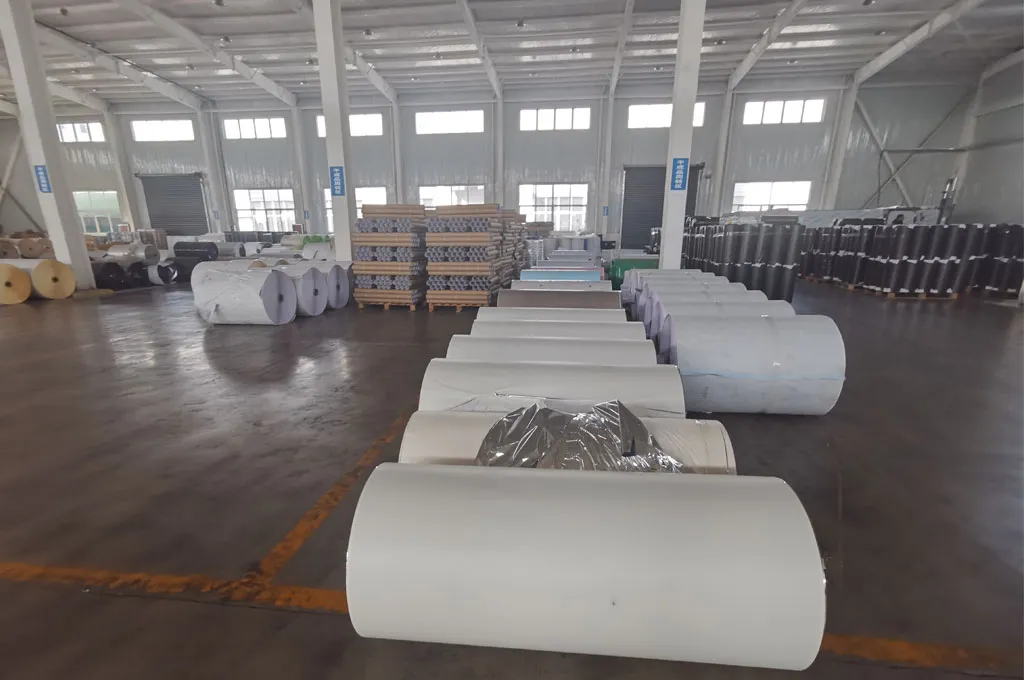
Pharmaceutical PVC film is one of the most widely used materials for blister packaging because it balances clarity, processability, cost, and reliable protection for solid oral dosage forms. Whether you are packing tablets, capsules, or medical devices, choosing the right PVC structure and specification directly impacts shelf life, line efficiency, regulatory compliance, and patient experience.
Pharmaceutical PVC film is a calendered polyvinyl chloride (PVC) sheet designed for thermoforming into blister cavities. It is typically paired with a lidding material (often aluminum foil) to create a sealed pack that protects products from contamination, oxygen ingress, and (to a limited extent) moisture.
Key idea: PVC is usually the forming film (bottom web). If you need higher moisture/oxygen protection, PVC is commonly laminated or coated (e.g., PVDC-coated PVC, PVC/PE/PVDC, PVC/Aclar, etc.).
Pharmaceutical PVC film is used wherever thermoformability, visual inspection, and high-speed packaging are needed:
The most common application. Clear PVC supports fast defect checks (missing tablets, broken units), consistent cavity forming, and stable sealing performance with suitable lidding foil.
OTC medicines often require tamper evidence and convenient dispensing. PVC blister packs offer strong shelf presence and straightforward compliance printing.
Small non-sterile items (e.g., accessories, test components, consumables) can be packed in PVC-based blisters to improve organization and handling.
If you are exploring base film options and forming performance, you can start with calendered PVC film fundamentals here:
Calendered Film.
The “right” pharmaceutical PVC film depends on your product’s sensitivity to moisture, oxygen, and light, plus your packaging line conditions.
Best for products with low to moderate moisture sensitivity. Offers strong clarity and forming consistency. Barrier is limited compared with coated/laminated structures.
A common upgrade when you need higher moisture and oxygen barrier without moving to premium barrier webs. PVDC coating levels vary (e.g., standard vs. high coating weight).
Designed to improve toughness, seal behavior, and barrier stability. Useful for specific forming depths or where mechanical durability is critical during distribution.
Used for highly moisture-sensitive formulations. Higher cost but significantly improved moisture barrier performance and shelf-life protection.
A pharmaceutical PVC film purchase decision should be driven by measurable specs—not only “thickness and width”. Below are the core parameters procurement and packaging engineers commonly confirm.
Typical blister-grade PVC thickness is often selected based on cavity depth and rigidity requirements. More important than nominal thickness is tight thickness tolerance, which helps maintain forming stability and reduces sealing variability.
Clear visibility supports inspection and brand trust. If you need light protection, consider tinted options or alternative barrier structures—then validate readability for printed batch/expiry data.
For moisture- or oxygen-sensitive APIs, set target levels for water vapor transmission rate (WVTR) and oxygen transmission rate (OTR), then choose standard PVC vs. PVDC-coated PVC vs. higher-barrier laminations accordingly.
Sealing is a system property: forming film + lidding + sealing parameters. Confirm peel/push-through requirements, seal strength targets, and whether you need child-resistant or senior-friendly opening behavior.
Use the following selection flow to reduce trial-and-error and shorten qualification time.
Tip: If your team also sources decorative or functional PVC films for non-pharma facility areas (walls, skirting, flooring protection), consolidating suppliers can reduce logistics complexity. Example references:
Floor Film,
PVC Skirting Film,
Solid Color Wallpaper.
Pharmaceutical packaging materials are expected to meet strict quality and regulatory expectations. When assessing PVC film suppliers, focus on both documentation and process control.
Beyond the film itself, supplier capability affects lead time, cost stability, and troubleshooting speed. Manufacturers with integrated calendering, printing, slitting, and packaging can often provide tighter control over the final roll quality.
Even a qualified PVC film can fail on the line if it is stored or handled incorrectly. The following practices help maintain consistent forming and sealing.
No. Standard PVC is common, but moisture-sensitive formulations often require PVDC-coated or high-barrier laminated structures to meet shelf-life targets.
It depends on cavity depth, tablet size, and required rigidity. Focus on tolerance stability and forming trials rather than choosing by thickness alone.
Run line trials and lab tests for seal strength and leak rate under your real sealing temperature/pressure/dwell window, using your selected lidding and printing/primer system.
Commonly requested items include CoA, specification sheets, batch traceability info, restricted-substance statements, and relevant quality certifications or third-party test reports.
Yes. Many manufacturers support OEM/ODM customization for thickness, width, roll length, winding direction, surface treatment, and packaging—helping match your blister machine setup and quality targets.