Address
304 North Cardinal St.
Dorchester Center, MA 02124
Work Hours
Monday to Friday: 7AM - 7PM
Weekend: 10AM - 5PM
Address
304 North Cardinal St.
Dorchester Center, MA 02124
Work Hours
Monday to Friday: 7AM - 7PM
Weekend: 10AM - 5PM


 ByPulivk
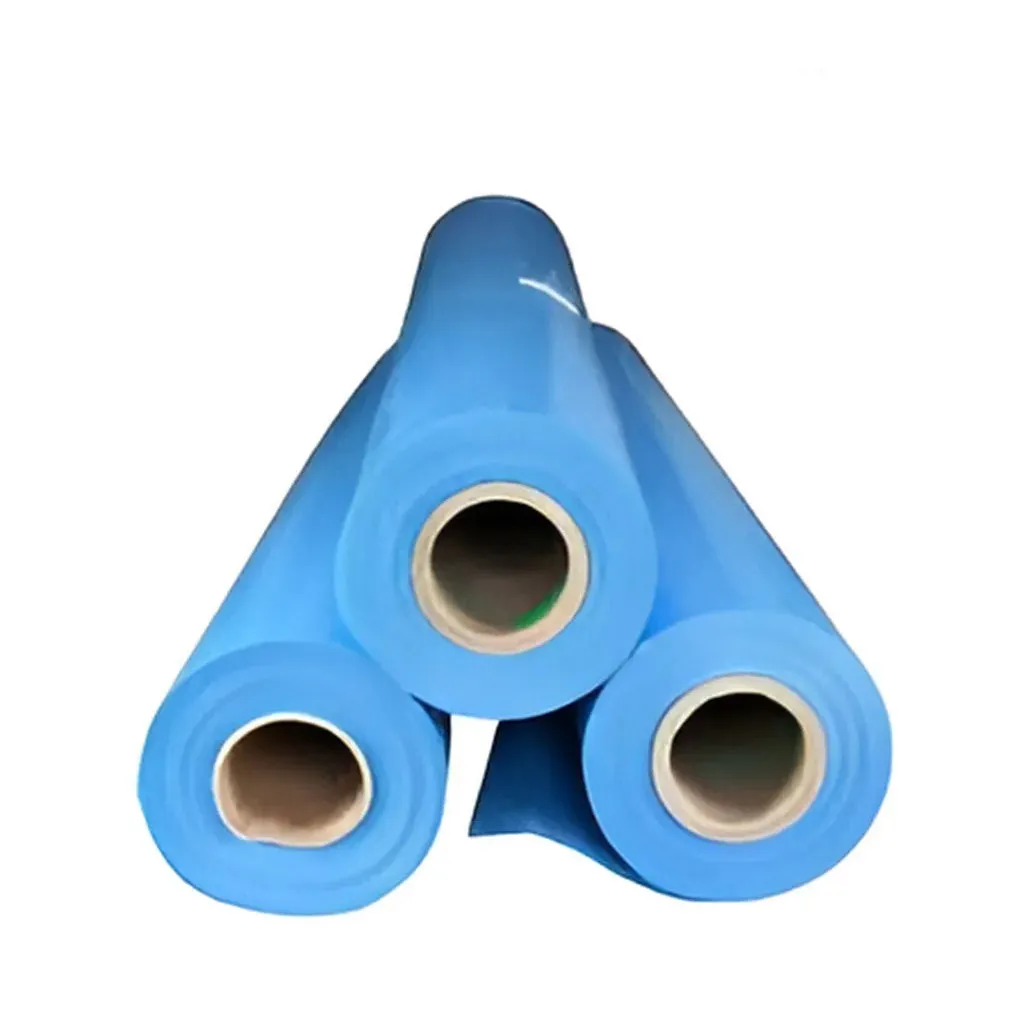
Plastic PVC film (polyvinyl chloride film) is a versatile, thin plastic sheeting material manufactured through calendering or extrusion processes. It is widely used across industries for its excellent durability, flexibility, and cost-effectiveness. From furniture surfaces to wall coverings and flooring, plastic PVC film offers a practical alternative to traditional materials like wood, stone, and metal, delivering comparable aesthetics at a fraction of the cost.
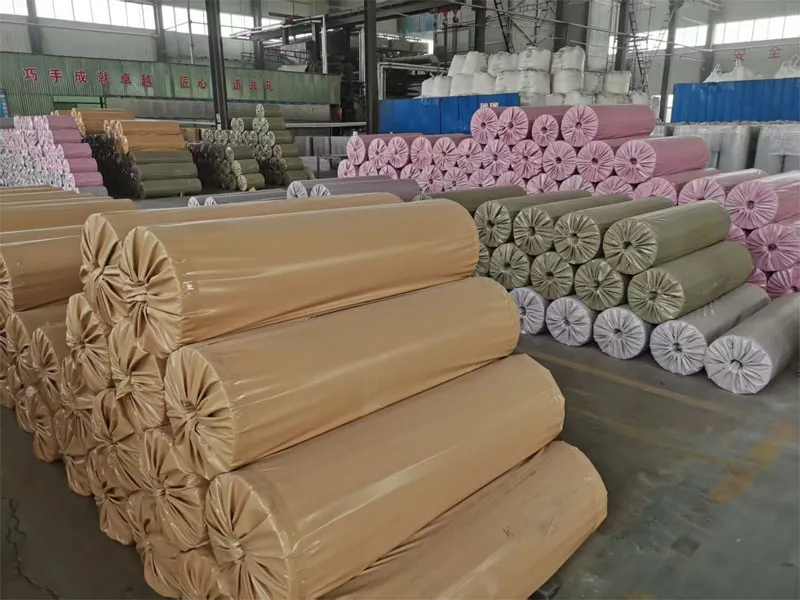
Unlike rigid PVC sheets, plastic PVC film is thin and highly conformable, making it ideal for lamination on various substrates including MDF, particleboard, plywood, glass, and metal. The global plastic PVC film market continues to expand as manufacturers and consumers recognize its unmatched combination of performance, design flexibility, and affordability. For those seeking standardized quality benchmarks, the ASTM PVC Film Standard provides comprehensive specifications for nonrigid vinyl chloride plastic film and sheeting.
The application range of plastic PVC film is remarkably broad. Below are the primary sectors where this material delivers exceptional value.
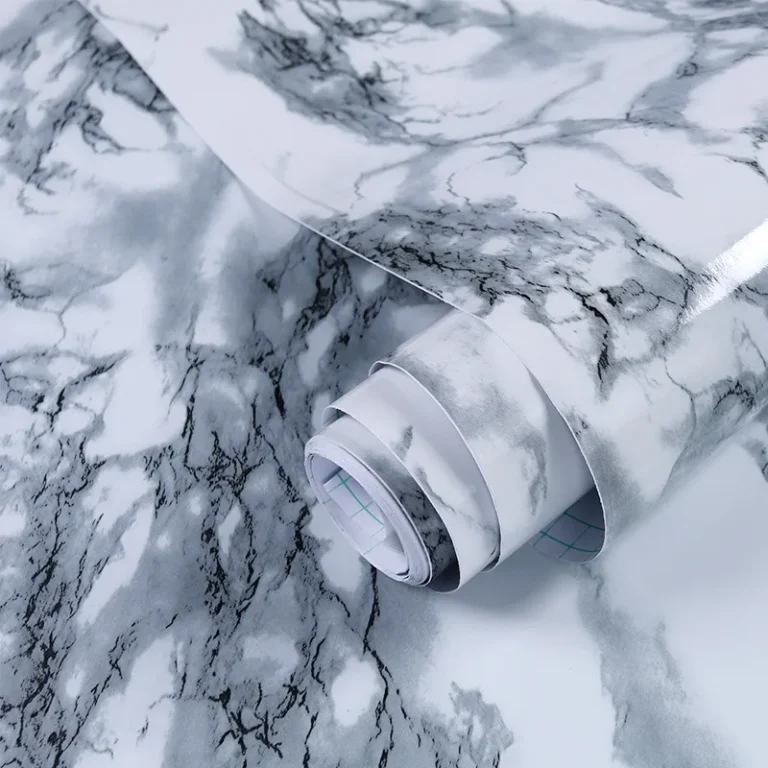
One of the largest application areas for plastic PVC film is furniture manufacturing. Wood grain films, marble films, and glossy wardrobe films are applied to tabletops, cabinet doors, and wardrobe surfaces to create premium looks without the high material costs. According to the Plastic Film Classification system, decorative films fall under specific categories based on surface finish and performance characteristics.
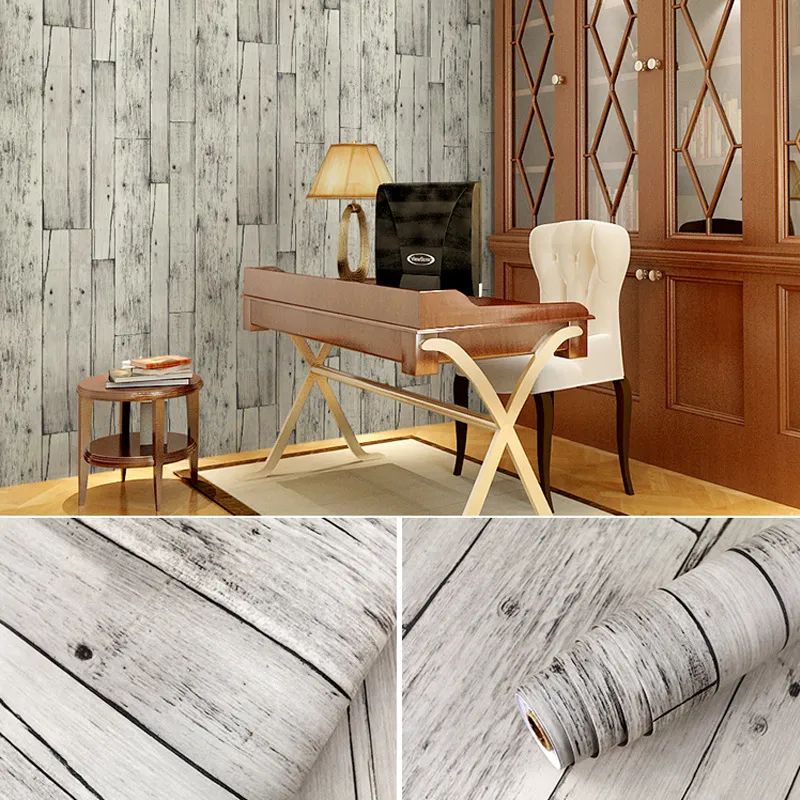
Interior designers and furniture manufacturers favor plastic PVC film for its ability to replicate natural textures with impressive fidelity. Modern calendering technology enables embossed patterns that mimic wood grain, stone texture, fabric weave, and even brushed metal — all within a single layer of PVC film.
In the construction sector, plastic PVC film serves as wall decoration material, ceiling panels, and partition films. Solid color wallpaper made from PVC film offers excellent washability and stain resistance, making it suitable for high-traffic areas in both residential and commercial buildings. The material’s moisture resistance also makes it an ideal choice for basement walls and humid environments.
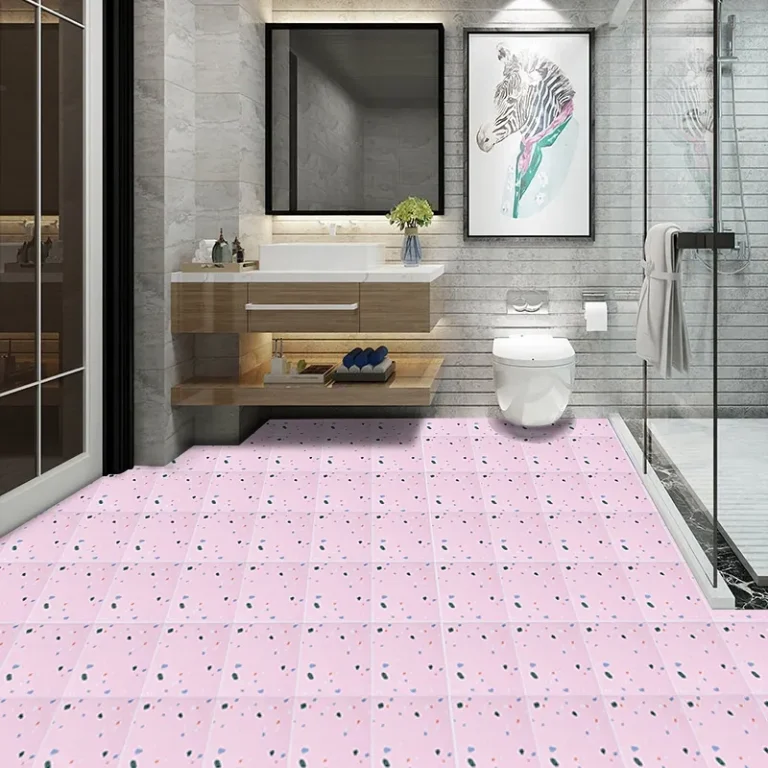
PVC-based floor films and vinyl kitchen flooring have gained significant market share due to their waterproof properties, easy installation, and comfortable underfoot feel. Products meeting the PVC Flooring Standard ensure reliable performance in terms of wear resistance, dimensional stability, and color fastness. From kitchen floors to bathroom surfaces, plastic PVC film provides a hygienic and low-maintenance flooring option that withstands daily wear and tear.
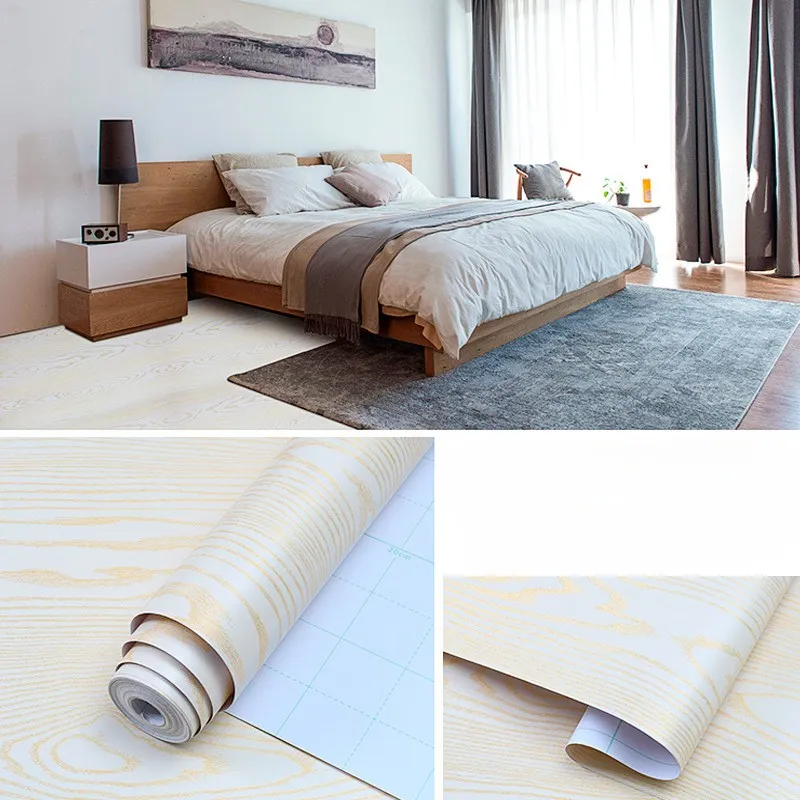
The kitchen and bathroom represent challenging environments where moisture, heat, and stains are constant concerns. Kitchen anti-oil films and oil-proof aluminum foil products leverage PVC’s inherent chemical resistance to protect surfaces from cooking splatters and grease buildup. Similarly, bathroom floor stickers combine waterproof PVC film with adhesive backing for quick renovation projects.
Beyond interior applications, plastic PVC film finds use in electronics (anti-static films for component packaging), advertising (lightbox films and exhibition backdrops), medical environments (antibacterial and cleanroom packaging films), and automotive sectors (protective films and car wrapping). This versatility underscores why plastic PVC film remains one of the most adaptable materials in modern manufacturing.
Understanding the advantages of plastic PVC film helps explain its widespread adoption across industries. The following table summarizes the core benefits and their practical implications.
| Benefit | Description | Typical Application |
|---|---|---|
| Cost-Effectiveness | Significantly lower material cost compared to natural wood, stone, or metal | Furniture lamination, wall panels |
| Design Versatility | Available in thousands of colors, patterns, textures, and finishes | Interior decoration, product design |
| Durability | Excellent resistance to scratches, impacts, moisture, and chemicals | Flooring, kitchen surfaces, outdoor signage |
| Easy Maintenance | Simple cleaning with damp cloth and mild detergent; no special treatments required | Household goods, commercial interiors |
| Lightweight | Thin profile reduces shipping costs and simplifies handling during installation | All applications |
| Environmental Options | Lead-free and phthalate-free formulations available; recyclable in established systems | Eco-conscious projects, EU and North American markets |
Modern plastic PVC film products can be formulated with UV inhibitors for outdoor durability, anti-fog additives for packaging applications, and antimicrobial agents for healthcare settings. The PVC Life Cycle Assessment data from Plastics Europe confirms that when properly managed through recycling programs, PVC film contributes to a circular economy model with reduced environmental footprint.
Selecting the appropriate plastic PVC film for your project requires evaluating several critical factors. Making the right choice ensures optimal performance, longevity, and cost efficiency.
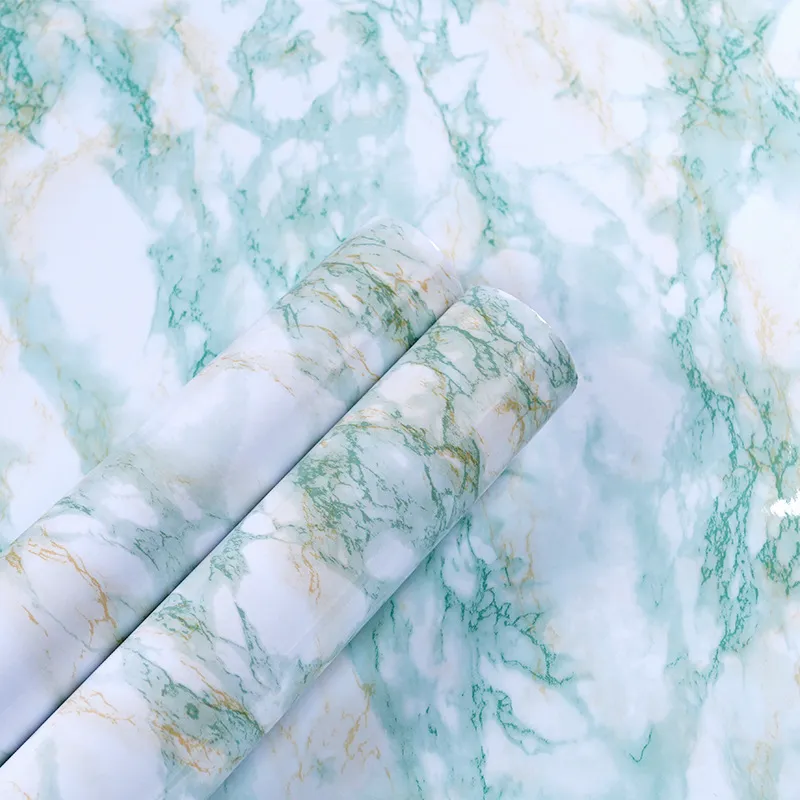
The substrate material is the first consideration. Smooth, non-porous surfaces like MDF and glass work well with standard adhesive-backed PVC films. Porous substrates may require primer treatment or specialized adhesive formulations. For plastic PVC film applied to walls, ensure the surface is clean, dry, and free from loose particles. Different application methods — cold lamination, heat-assisted vacuum pressing, or self-adhesive peeling — correspond to different film types and substrates.
Consider the expected wear and tear in your application environment:
Plastic PVC film offers an extraordinary range of visual options. Consider these popular categories:
For projects in regulated markets, verify that the plastic PVC film complies with relevant standards. Lead-free and phthalate-free formulations are available for products that meet RoHS, REACH, and other international requirements. Indoor applications, especially those involving human contact, should use films produced with eco-friendly, non-toxic inks and additives. Many manufacturers now offer documentation confirming compliance with these standards upon request.
Plastic PVC film is available in thicknesses ranging from 0.03 mm to 0.50 mm, with widths up to 1500 mm. Thinner films work well for temporary protective coverings and light-duty wrapping, while thicker gauges provide structural integrity for flooring and heavy-use furniture surfaces. Custom slitting and fixed-length roll packaging are commonly available services that help optimize material usage and reduce waste in production environments.
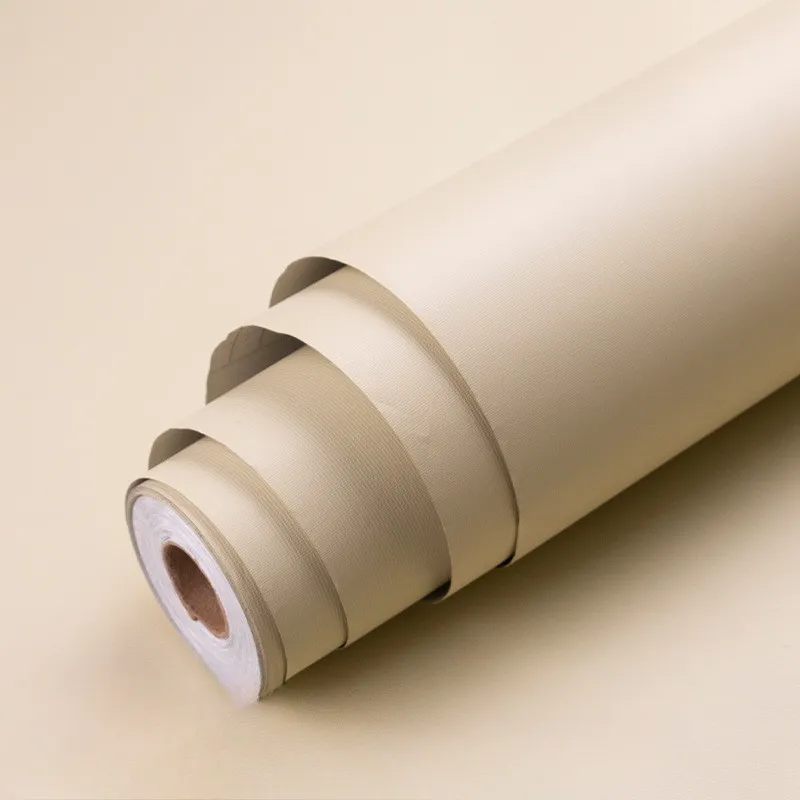
When sourcing plastic PVC film, quality consistency is paramount. Reputable manufacturers implement multiple QC checkpoints throughout production, from raw material inspection to final packaging. Automated optical inspection systems, precision thickness gauges, and physical property testing equipment ensure that every roll meets specified parameters for color, surface finish, thickness tolerance, and mechanical performance.
Key quality indicators to verify include tensile strength, tear resistance, dimensional stability under heat, gloss level consistency, and color fastness. Established testing protocols provide objective benchmarks for comparing products across different suppliers. Requesting sample swatches before placing bulk orders is a standard industry practice that allows buyers to evaluate film quality firsthand.
Choosing the right supplier is as important as selecting the right film type. Henan Pulivk New Materials Co., Ltd. operates advanced calendering, printing, and split-packaging lines under one roof, ensuring complete quality control from raw material processing to finished product shipment. With flexible OEM and customization services — including tailored sizes, colors, prints, and packaging options — the company supports private label and custom orders across furniture, interior walls, doors, flooring, and numerous other industries. Years of global export experience to Southeast Asia, the Middle East, Europe, and beyond further demonstrate the reliability and consistency that international buyers require.
Plastic PVC film represents a remarkable balance of aesthetics, performance, and value. Whether you are a furniture manufacturer seeking realistic wood grain finishes, a contractor looking for durable wall coverings, or a homeowner planning a DIY kitchen upgrade, there is a plastic PVC film product engineered for your specific needs. By carefully evaluating application requirements, durability demands, aesthetic preferences, and compliance standards, you can confidently select the right film type to achieve outstanding results. As manufacturing technology continues to advance, the design possibilities and functional capabilities of plastic PVC film will only expand, solidifying its role as an indispensable material across global industries.