Address
304 North Cardinal St.
Dorchester Center, MA 02124
Work Hours
Monday to Friday: 7AM - 7PM
Weekend: 10AM - 5PM
Address
304 North Cardinal St.
Dorchester Center, MA 02124
Work Hours
Monday to Friday: 7AM - 7PM
Weekend: 10AM - 5PM


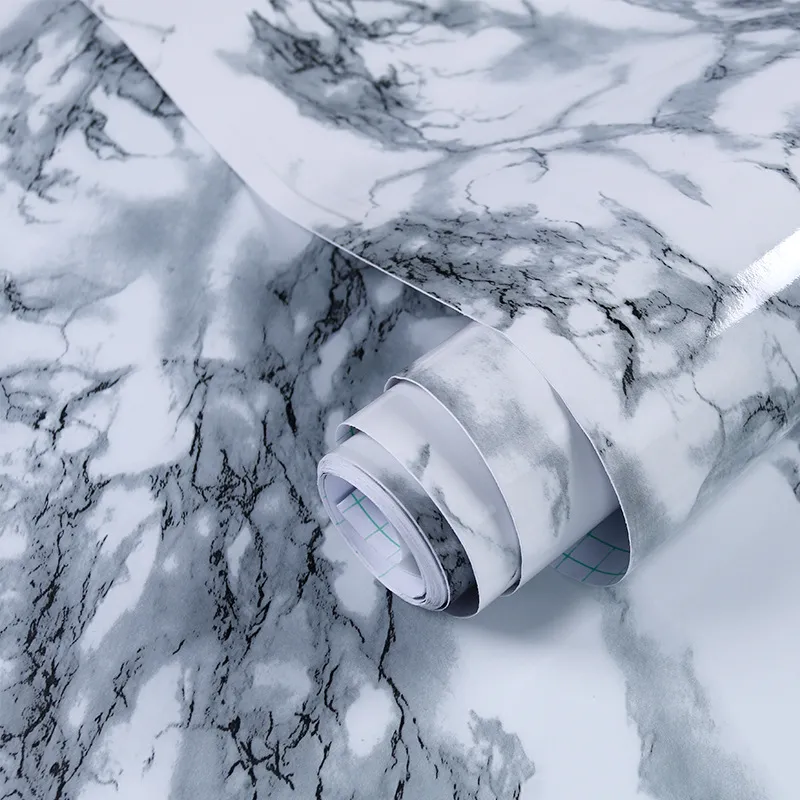
Plastic PVC film is one of the most versatile sheet materials used across furniture, construction, electronics, advertising, medical packaging, and everyday home products. It combines strong surface performance (wear resistance, waterproofing, easy cleaning) with design freedom (colors, textures, printed patterns, embossing), making it a practical choice for manufacturers and brand owners who need both aesthetics and durability.
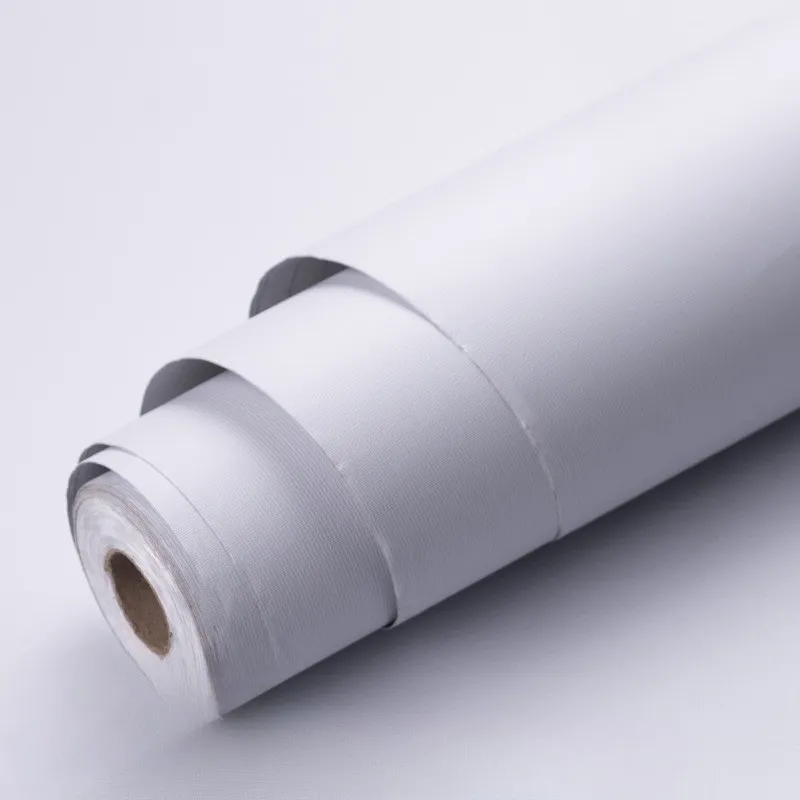
In this guide, you’ll learn where PVC film is used, the key benefits that make it popular, and a clear framework for choosing the right type—whether you need decorative wood grain for cabinets, anti-static protection for electronics, or high-clarity transparent film for packaging and lamination.
PVC film is a thin sheet made from polyvinyl chloride (PVC). Depending on formulation and processing, it can be flexible or semi-rigid, clear or opaque, smooth or textured, and functionalized with coatings like anti-static, anti-fog, or oil-proof layers. Many PVC films are produced by calendering (rolling the material into a uniform sheet) and can be further printed, embossed, laminated, or self-adhesive backed.
Key idea: PVC film is not “one material.” It’s a platform that can be engineered by thickness, hardness, surface finish, and coating to match a specific end-use.
PVC decorative films are widely applied to MDF, plywood, particle board, and other substrates for cabinet doors, wardrobes, wall panels, office furniture, and tabletops. Popular surface styles include wood grain, marble, metal, matte, glossy, brushed textures, and soft-touch finishes.
If you’re choosing a decorative option, compare pattern realism, embossing depth, and color stability. Example product references:
Wood Grain Film and
Marble Film.
In building and renovation projects, PVC films are used for decorative finishing, protection, and easy-to-maintain surfaces. They can be applied to skirting boards, partitions, ceilings, doors, and window-related trims.
A common example is skirting and edge finishing where abrasion and cleaning are frequent. For this use, see
PVC skirting film.
PVC film is used both as a decorative layer and as a protective layer in flooring systems. You may also see it used as temporary protection during installation or transport, helping prevent scratches and stains.
For projects that need consistent roll quality and stable performance, check
Floor Film.
Electronics applications often require functional surfaces: anti-static, insulation properties, abrasion resistance, and clean appearance. PVC films can be engineered with coatings and controlled surface resistivity to support device housings, protective layers, or packaging.
Printable and surface-treated PVC films are used for lightbox graphics, exhibition panels, signage, and promotional coverings. Surface uniformity, ink adhesion, and dimensional stability matter here—especially when large areas must look consistent under lighting.
In medical and cleanroom contexts, manufacturers may use PVC film for protective packaging and barrier layers. Selection typically focuses on cleanliness standards, stability, and compliance requirements. Always confirm the relevant standards for your market and application.
Many buyers evaluate PVC film only by pattern and price, then face problems later—peeling, color shift, haze, or insufficient scratch resistance. In reality, the benefits above depend on matching the film’s thickness, hardness, surface treatment, adhesive system, and application method to the environment and substrate.
Calendered film is made by passing PVC compound through a series of rollers to achieve a uniform thickness and smoothness. It is commonly used as a base for decorative films, protective films, and functional layers—because it supports stable production and consistent roll quality.
Product reference:
Calendered Film.
Decorative films add visual and tactile value. They may include printed layers for pattern (wood grain, marble, solid color), embossing for texture, and topcoats for wear or stain resistance. For premium interiors, matching pattern repeat and texture alignment is critical—especially on large cabinet runs.
Beyond decorative wood/stone looks, many projects need optical effects or functional surfaces: transparent protection, frosted privacy effects, pearlescent appearance, anti-static for electronics, or self-adhesive convenience for fast installation.
✔ Quick selection hint:
If your process involves vacuum pressing/lamination onto boards, focus on forming performance and adhesion system. If your process is wrapping profiles, focus on elongation and heat stability. If it’s signage, focus on ink adhesion and surface uniformity.
The harsher the environment, the more you should prioritize robust topcoats, stable pigments, and proven surface performance testing—not just pattern appearance.
Finish drives both brand perception and daily usability:
Thickness impacts durability, covering power, and processing behavior. Thicker films can improve scratch resistance and conceal substrate imperfections, while thinner films may reduce cost and support tighter wrapping—if your process allows it. Align thickness with:
Many projects benefit from treatments that reduce operational risk:
PVC films are used with different production methods (lamination, wrapping, hot press, cold adhesive bonding). Ask for parameters and test with your actual line settings. If you are outsourcing converting, ensure the film is suitable for printing, slitting, and packaging requirements.
For professional procurement, performance is only half the decision. Compliance and safety documentation often determines whether a film can be used in interior spaces, consumer products, or regulated applications. Common requirements may include ISO systems, REACH/RoHS alignment, and material safety assurances (for example, restrictions on heavy metals and certain plasticizers).
If your product is exported, confirm test reports and traceability capabilities, and verify packaging standards that protect rolls from moisture, dust, and edge damage during shipping.
Custom PVC film is usually specified by a mix of aesthetics and engineering targets. To speed up sampling and reduce revisions, prepare these details:
Avoiding the following issues can save weeks of rework and prevent after-sales complaints:
Q1: What is PVC film used for most often?
A: Decorative finishing and surface protection—especially for furniture panels, cabinets, doors, wall panels, flooring layers, and industrial packaging.
Q2: How do I choose between glossy and matte PVC film?
A: Glossy offers stronger color impact and reflectivity, while matte hides fingerprints better and suits modern interiors. Always confirm scratch and stain performance for your environment.
Q3: Can PVC film be customized in thickness, color, and pattern?
A: Yes. OEM/ODM customization commonly includes thickness, width, roll size, embossing, printed design, and functional coatings (such as anti-static or anti-fog).
Q4: What tests should I run before placing a bulk order?
A: Check color consistency, surface defects, adhesion after curing/aging, abrasion resistance, and dimensional stability under heat—using your real substrate and production process.
Q5: Is PVC film suitable for indoor applications and compliance needs?
A: Many PVC films are designed for indoor use and can be supplied with compliance documentation depending on formulation and target market requirements. Confirm the needed standards and request supporting reports.