Address
304 North Cardinal St.
Dorchester Center, MA 02124
Work Hours
Monday to Friday: 7AM - 7PM
Weekend: 10AM - 5PM
Address
304 North Cardinal St.
Dorchester Center, MA 02124
Work Hours
Monday to Friday: 7AM - 7PM
Weekend: 10AM - 5PM


Polymeric PVC film is a versatile, performance-driven material used across furniture, interior decoration, flooring, electronics, advertising, and protective packaging. It combines visual design flexibility (textures, colors, patterns) with durability (wear, moisture, chemicals) and efficient processing (calendering, printing, laminating, slitting). This guide explains what polymeric PVC film is, where it performs best, what benefits matter most, and how to choose the right type for your project—without overpaying or under-specifying.
✔ Quick takeaway:
Choose polymeric PVC film by matching application (surface + environment) to structure (calendered/laminated), finish (gloss/matte/embossed/soft-touch), function (anti-static/anti-fog/oil-proof), and processing (wrapping, lamination, self-adhesive).
PVC film is a thin sheet made from polyvinyl chloride. In practical industry terms, “polymeric PVC film” usually refers to PVC films engineered with polymeric plasticizers and additives to improve flexibility, dimensional stability, and long-term performance compared with basic formulations. This makes it suitable for decorative surfacing (like cabinets and doors), protective layers, and functional uses (anti-static or clean packaging).
Many high-volume decorative PVC films are made as calendered film, where PVC is processed through rollers to create consistent thickness and smooth/embossable surfaces. For reference, you can see a typical production-grade option here:
Calendered Film.
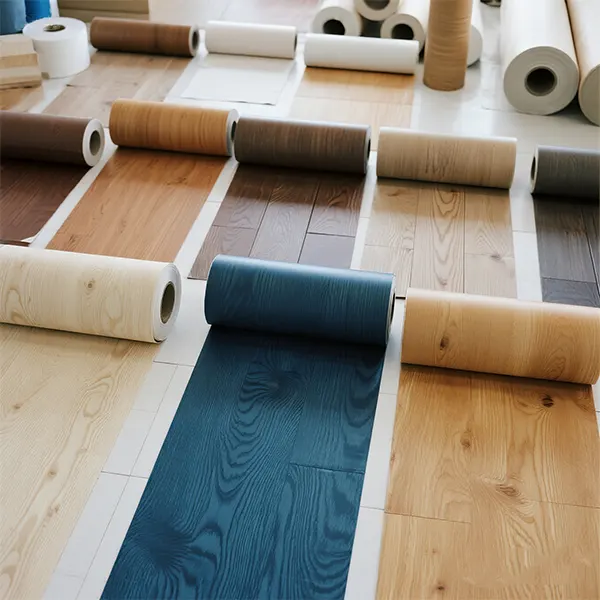
Polymeric PVC films are widely used to wrap or laminate MDF/particleboard for cabinet doors, wardrobe panels, office furniture, and tables. The film provides scratch resistance, easy cleaning, and a consistent aesthetic (wood grain, solid color, fabric texture, high gloss).
For commercial and residential interiors, PVC film can upgrade walls, partitions, ceiling elements, and trims with fast installation and consistent design. If you need a clean, modern finish for trims, consider purpose-built options such as
PVC skirting film
or minimalist wall aesthetics like
solid color wallpaper.
Best-fit scenarios: high-traffic corridors, rental properties, hospitality interiors, retail displays—where cleaning speed and surface consistency matter.
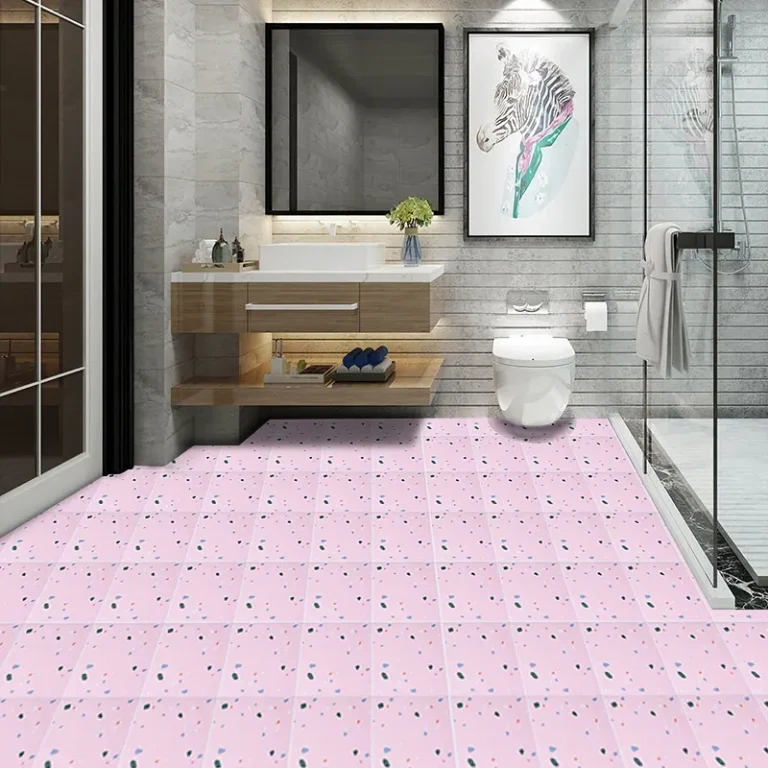
PVC films are used as decorative and protective layers in flooring systems and can also serve as protective floor coverings during renovation. Depending on structure, they can support wear resistance, moisture control, and easy maintenance. For flooring-specific film solutions, see:
Floor Film.
In electronics and appliances, PVC films are often selected for insulation, surface protection, and functional properties like anti-static performance. Here, consistency matters: thickness tolerance, surface resistivity targets, and clean handling to prevent dust inclusion and defects.
Tip: If your product is sensitive to ESD or has high cosmetic standards (gloss uniformity), ask for test data and batch traceability.
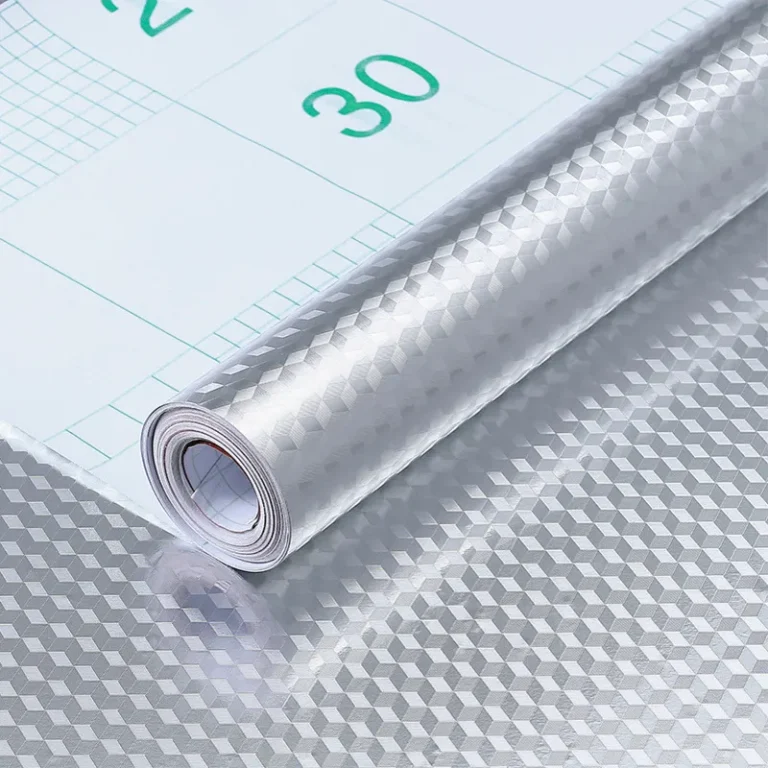
For displays and branding surfaces, PVC film offers broad print compatibility, vivid color reproduction, and texture options that add premium feel under retail lighting. Embossed textures and 3D patterns can create depth without heavy substrates.
When you want a tactile, high-end surface impression, textured decorative options such as
3D Silk Texture Film
can differentiate displays while remaining easy to cut and apply.
PVC film is not “one material”—it’s a family of constructions and finishes. Choosing correctly starts with understanding the main types below.
Calendered PVC film is formed by rolling, offering stable thickness and scalable production for decorative and industrial uses. Laminated or multi-layer films combine layers (sometimes with fabric backing or functional coatings) to improve strength, dimensional stability, or surface performance.
🔎 Selection cue:
If your application involves wrapping edges, corners, or complex profiles, choose a formulation and thickness designed for forming. If it’s a flat panel with high wear exposure, consider structures optimized for surface toughness.
Functional PVC films solve specific issues: static dust attraction in electronics environments, fogging in humid areas, or oil contamination in kitchens. If you are specifying functional coatings, ensure you define test conditions (humidity, temperature, contact chemicals) so results match real usage.
Thickness influences forming ability, durability, and cost. Thicker is not always better: too thick can reduce wrapping performance on tight radii, while too thin can show substrate defects or wear faster.
📌 Practical guideline:
Ask for supplier recommendations based on your forming method (vacuum press, wrapping, flat lamination) and the minimum radius you need to wrap without whitening, cracking, or rebound.
Failures often come from mismatch between film, adhesive, and substrate—not the film itself. Confirm what adhesive system you use (PUR, water-based, hot-melt) and the substrate type (MDF, HDF, PVC board, metal panel). Then validate:
For indoor decoration, home products, and any human-contact scenarios, request compliance aligned with your market needs (commonly REACH, RoHS, ISO systems, and where applicable FDA-related requirements). Also confirm the film is free of heavy metals and phthalates if that is part of your purchasing standard.
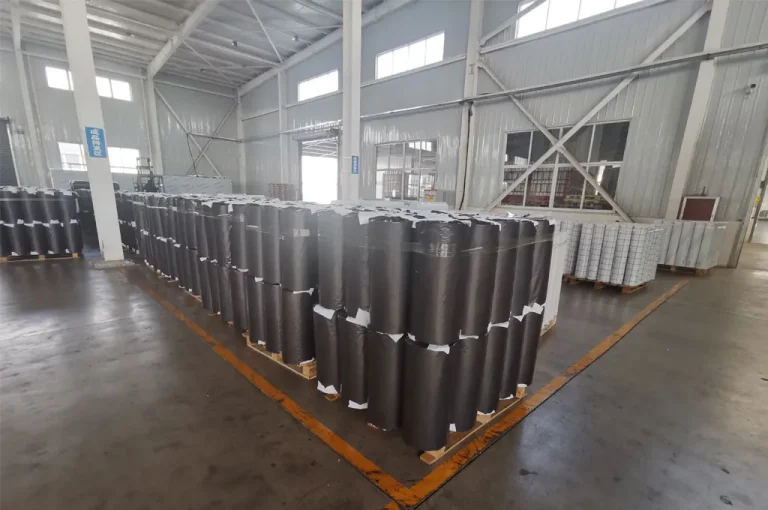
When evaluating polymeric PVC film samples, avoid focusing only on color. The best suppliers control the entire process (calendering, printing, slitting/packaging) to keep performance consistent across rolls and batches.
A major advantage of polymeric PVC film is customization without reinventing your production line. Typical OEM/ODM parameters include thickness, width, roll length, color matching, printed pattern, embossing, and surface treatments (anti-static, anti-fog, food-grade coatings, gloss/matte control).
🧾 What to include in your RFQ:
film type, thickness, width, finish (gloss level/texture), color or pattern reference, application process (wrapping/lamination/self-adhesive), expected environment (kitchen/bathroom/office), order quantity, and packaging requirements.
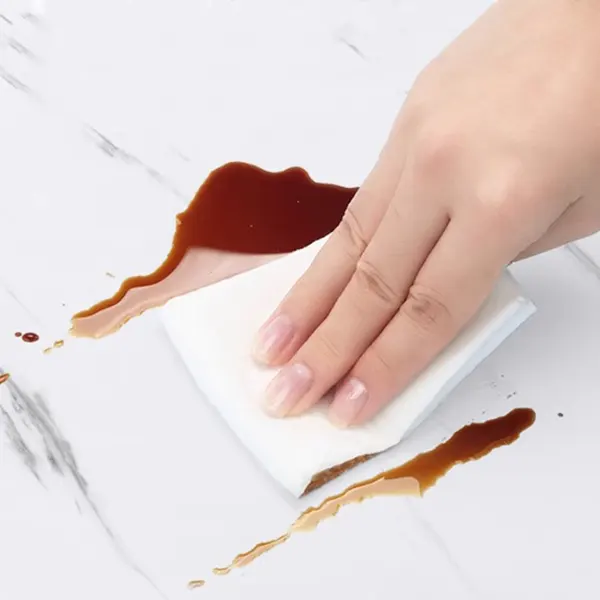
Polymeric PVC film surfaces typically clean easily, but performance depends on finish and coating. Use a soft cloth and mild cleaners; avoid aggressive solvents unless the film is certified for that chemical exposure.
🛠 Maintenance rule of thumb:
For glossy films, prioritize non-abrasive wipes to preserve clarity. For matte/embossed films, focus on removing oils early to prevent buildup in texture valleys.
Most commonly for furniture and interior decoration (cabinets, doors, wall panels), plus flooring layers, protective packaging, advertising surfaces, and functional uses like anti-static films.
Choose matte for fingerprint hiding and a modern look; choose glossy for premium shine (but require better substrate flatness and stricter defect control).
Yes. Typical customization includes thickness, width, roll size, color/pattern printing, embossing, and surface treatments (anti-static, anti-fog, oil-proof, etc.).
Test adhesion with your real substrate/adhesive, verify thickness tolerance and surface defects, and run basic aging checks (heat/humidity/cleaner exposure) aligned with the real use environment.
Many PVC films are designed for indoor decoration and human-contact scenarios; confirm the product is free of heavy metals and phthalates and request compliance documents (e.g., REACH/RoHS) based on your market requirements.