Address
304 North Cardinal St.
Dorchester Center, MA 02124
Work Hours
Monday to Friday: 7AM - 7PM
Weekend: 10AM - 5PM
Address
304 North Cardinal St.
Dorchester Center, MA 02124
Work Hours
Monday to Friday: 7AM - 7PM
Weekend: 10AM - 5PM


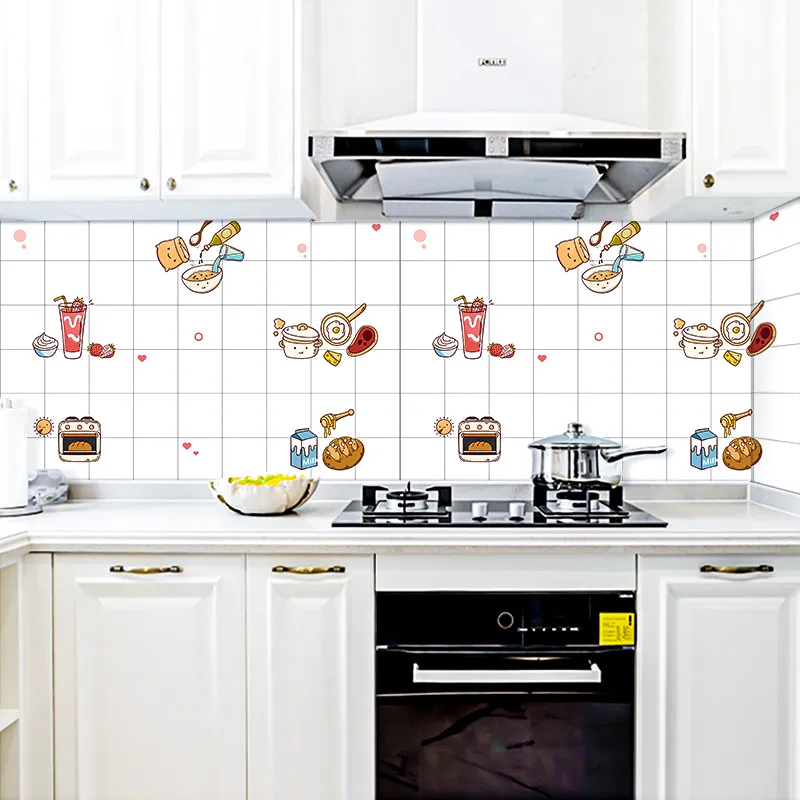
Printable PVC film is one of the most practical, cost-effective materials for modern signage, graphic decoration, and label printing. From retail promos and exhibition panels to durable product labels and protective overlays, PVC film offers a balance of print clarity, flexibility, and surface options (gloss, matte, textured) that can be tailored to different environments.
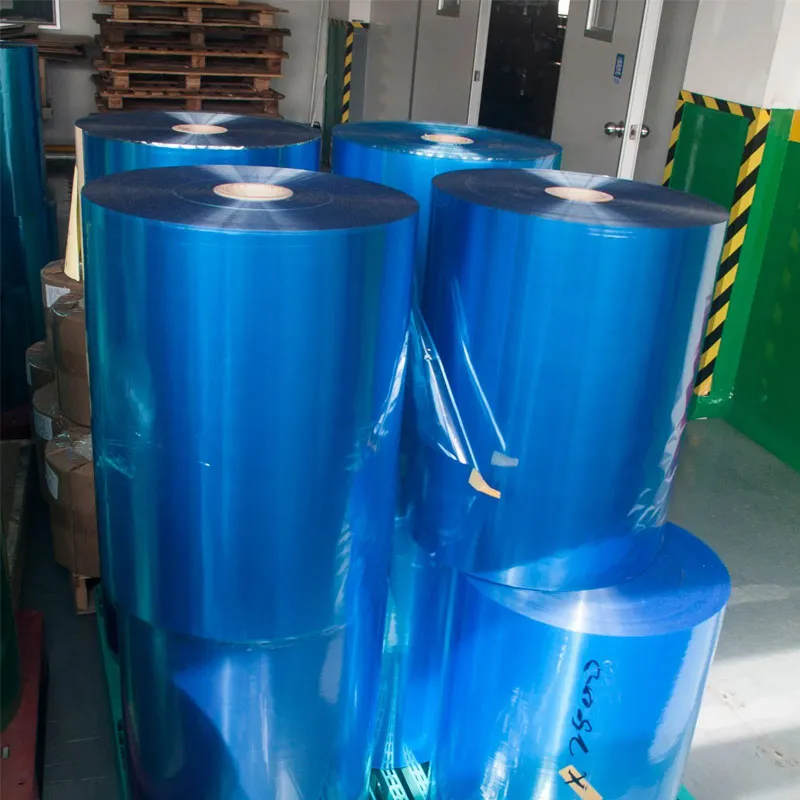
This guide explains the main types of printable PVC film, the benefits that matter most to printers and brand owners, and how to select the right film for applications like stickers, window graphics, floor graphics, and long-term indoor/outdoor signs.
Printable PVC film is a thin polyvinyl chloride sheet designed to accept ink or graphics through printing methods such as eco-solvent, solvent, UV, latex, screen printing, or thermal transfer (depending on the face stock and coating). It may be supplied as a plain film for lamination or as a self-adhesive film for direct application on surfaces like glass, acrylic, metal, painted walls, plastics, and boards.
Key idea: the “best” PVC film is not just about thickness—it’s about surface finish, adhesive system, dimensional stability, and expected lifespan (indoor vs. outdoor, flat vs. curved).
Calendered film is produced by rolling PVC into a sheet. It’s widely used in advertising graphics because it provides reliable print performance with good cost control. Calendered films generally fall into:
For product-oriented details on this category, see:
Calendered Film.
While the term “cast” is often associated with premium vehicle wrap materials, the broader takeaway is performance: if you need the film to conform to more complex curves, edges, or channels, prioritize high conformability and low shrinkage. For signage and graphics, this matters for shaped panels, contoured plastic housings, or curved display fixtures.
✔ Selection tip: if you’re seeing edge lift, corner pull-back, or visible shrink lines, upgrade to a film with better stability and pair it with a compatible adhesive/lamination system.
Self-adhesive PVC is a common choice for stickers, window graphics, promotional decals, and directional signs. The adhesive can be:
The liner (release paper/film) also matters for plotter cutting and print stability. If you plan to die-cut or contour-cut, test the film + liner combination on your cutting workflow before mass production.
For storefronts, office partitions, and privacy graphics, frosted and clear printable PVC provide clean aesthetics while still enabling branding or informational print. Translucent options can be used for backlit signage where even light diffusion improves legibility and visual impact.
⚠ Note for installers: window applications require extra attention to surface cleaning, squeegee technique, and adhesive choice to avoid hazing, bubbles, or edge contamination from dust/oils.
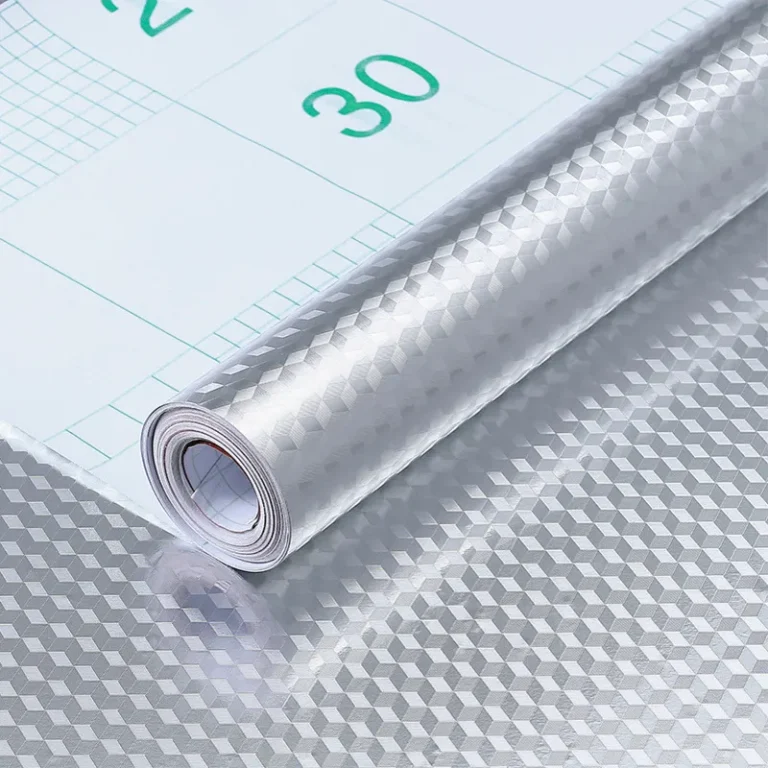
If your goal is to create a tactile, premium look—such as boutique displays, interior feature graphics, or high-end point-of-sale—textured PVC films can elevate perceived value. A popular option is silk-like texture, which pairs well with minimal branding and subtle colors.
Explore a texture reference here:
3D Silk Texture Film.
Printable PVC film is engineered to accept ink with strong color density and crisp edges. With the right surface treatment/coating, it can support high-resolution graphics and consistent solids, making it suitable for both brand-critical logos and information-heavy labels.
Many signage and label use cases demand resistance to scratches, moisture, and handling. PVC film’s toughness makes it a reliable base material, especially when combined with lamination for additional abrasion and UV protection.
The finish affects both appearance and practicality:
For print shops and brand owners running repeated campaigns, PVC film supports stable supply, efficient conversion (printing, cutting, lamination), and reduced waste when specifications are matched correctly to the job.
Printable PVC film works well for limited-time discounts, product launches, and in-store navigation. Choose a removable adhesive if you frequently refresh campaigns, and consider matte finishes under strong lighting to reduce reflections.
Events often involve fast installation, transport, and repeated handling. Durable PVC films help maintain a clean look through setup and tear-down. For multi-panel backdrops, prioritize films with good dimensional stability to keep seams aligned.
Stores, clinics, offices, and showrooms use window films to deliver brand messaging without blocking natural light. Frosted or translucent printable PVC can provide privacy while still allowing a premium, minimal look.
PVC labels are frequently used for consumer goods, warehouse marking, and durable equipment identification. If labels face abrasion, cleaning chemicals, or water exposure, pair PVC with a protective laminate and verify adhesive performance on the actual substrate (plastic containers, coated metal, textured packaging, etc.).
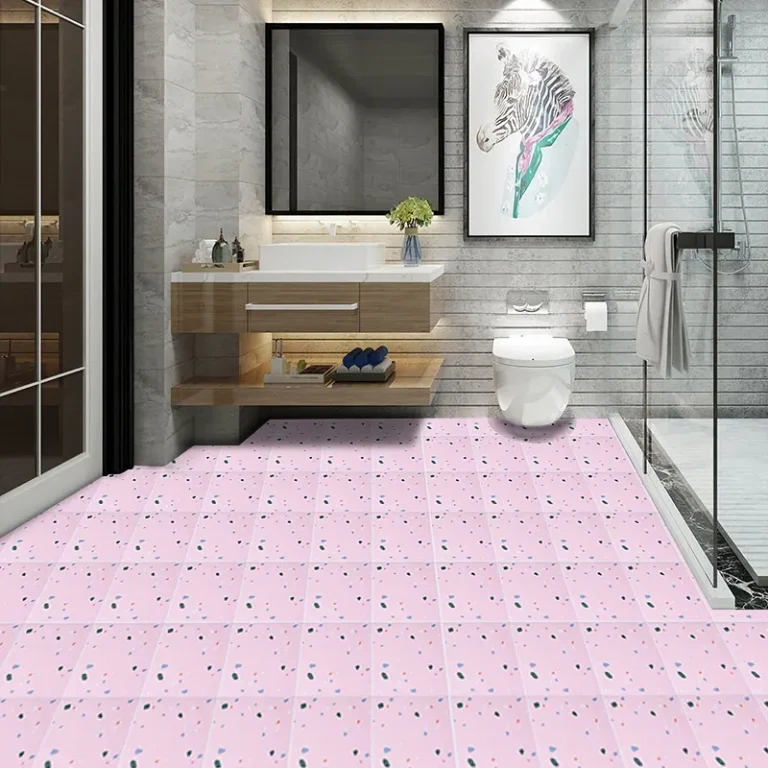
Floor graphics demand slip resistance, strong adhesion, and abrasion durability. If you’re using PVC film for flooring-related applications, consider purpose-built products designed for that environment. Reference:
Floor Film.
★ Practical checklist for floor jobs:
Surface prep (dust/oil removal), print + lamination (abrasion protection), edge sealing (to reduce lift), and anti-slip requirement (local compliance) should be confirmed before rollout.
Flat boards and smooth walls allow more flexibility in film selection. Curves, edges, and textured substrates require better conformability and a well-matched adhesive. When in doubt, request samples and perform an installation test on the real material.
Glossy films can look striking in controlled lighting, while matte films remain readable under harsh spotlights. For close-up viewing (labels, indoor signage), surface uniformity and anti-glare behavior can matter as much as color.
If a graphic is meant to last weeks, removable adhesive and cost efficiency may be the priority. For long-term use, consider polymeric options, stronger adhesives, and lamination. Shrink resistance is especially important for long-term outdoor placements where temperature cycles accelerate edge pull-back.
Different films may be optimized for UV, solvent, eco-solvent, latex, or screen printing. If you’re switching suppliers or film types, do a small print test to verify:
If your workflow includes die-cutting, kiss-cutting, or plotter cutting, verify the liner and adhesive behavior. For high-speed label lines, stable release and consistent thickness reduce waste and downtime.
Thickness contributes to handling feel and durability, but stability is what prevents shrinkage, warping, and alignment issues. For multi-panel signage or fine registration, stability is critical.
The same printed face film can perform very differently with different adhesives. Consider the substrate type (glass, powder-coated metal, PP/PE plastics), temperature range, and whether clean removability is required.
Functional coatings can improve usability in real environments—anti-static reduces dust attraction during printing and installation; anti-fog helps in humid interior conditions; specialty topcoats improve scratch resistance or chemical resistance for industrial labels.
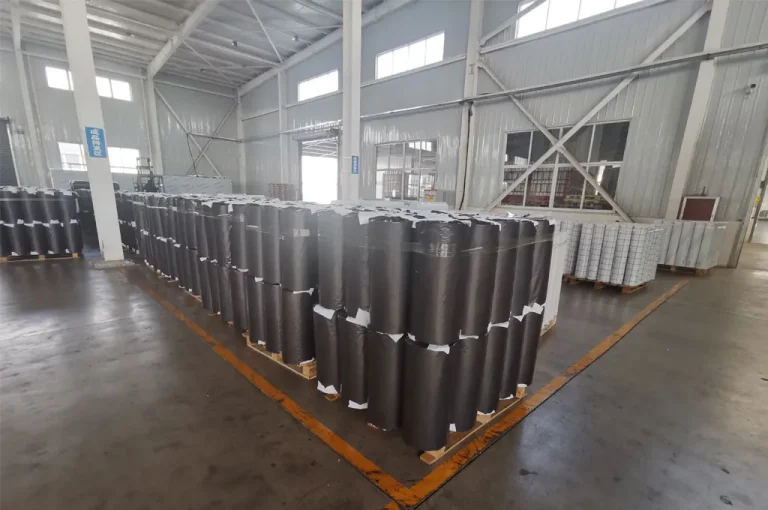
For commercial printing and brand supply chains, repeatability matters: the film you buy today should match the film you buy next month in thickness, appearance, adhesion, and print response. Manufacturers with integrated processes—calendering, printing, and slitting/packing—often provide better control over batch consistency, lead time, and overall cost.
What to ask your supplier:
QC checkpoints (raw materials to finished rolls), batch traceability, export-ready packaging, and customization options (width, roll length, color, surface finish, adhesive type).
If you want to explore additional product categories and specifications, you can browse:
Product
and check technical guidance in:
Knowledge.
If the job is expected to last, don’t optimize only for price. Upgrade stability and protect the print with lamination to reduce fading and abrasion.
Always test ink adhesion, curing, and cutting before mass production. Small differences in coating can change drying behavior or scratch resistance.
Dust, oil, and moisture cause edge lift and bubbles. Clean thoroughly and allow surfaces to dry. Use the correct squeegee pressure and method (especially for clear or frosted window graphics).
1) What’s the difference between monomeric and polymeric calendered PVC film?
Monomeric film is typically used for shorter-term applications on flat surfaces, while polymeric film offers better dimensional stability and is more suitable for longer-term signage and more demanding environments.
2) Do I need lamination for printable PVC film?
For outdoor graphics, frequently handled decals, or labels exposed to abrasion/chemicals, lamination is strongly recommended to improve scratch resistance and extend service life.
3) Which finish is better for signage: gloss or matte?
Gloss boosts color vibrancy for promotional graphics, while matte reduces glare and improves readability under strong lighting—often ideal for menus, instructional signs, and office interiors.
4) How can I prevent bubbles and edge lift on self-adhesive PVC graphics?
Use proper surface cleaning, choose the right adhesive type for the substrate, apply with consistent squeegee technique, and ensure correct curing time for printed ink before installation.
5) Can printable PVC film be customized for OEM projects?
Yes. Common OEM/ODM options include thickness, width, roll length, surface finish (gloss/matte/texture), functional coatings (anti-static/anti-fog), printing patterns, and packaging requirements.