Address
304 North Cardinal St.
Dorchester Center, MA 02124
Work Hours
Monday to Friday: 7AM - 7PM
Weekend: 10AM - 5PM
Address
304 North Cardinal St.
Dorchester Center, MA 02124
Work Hours
Monday to Friday: 7AM - 7PM
Weekend: 10AM - 5PM


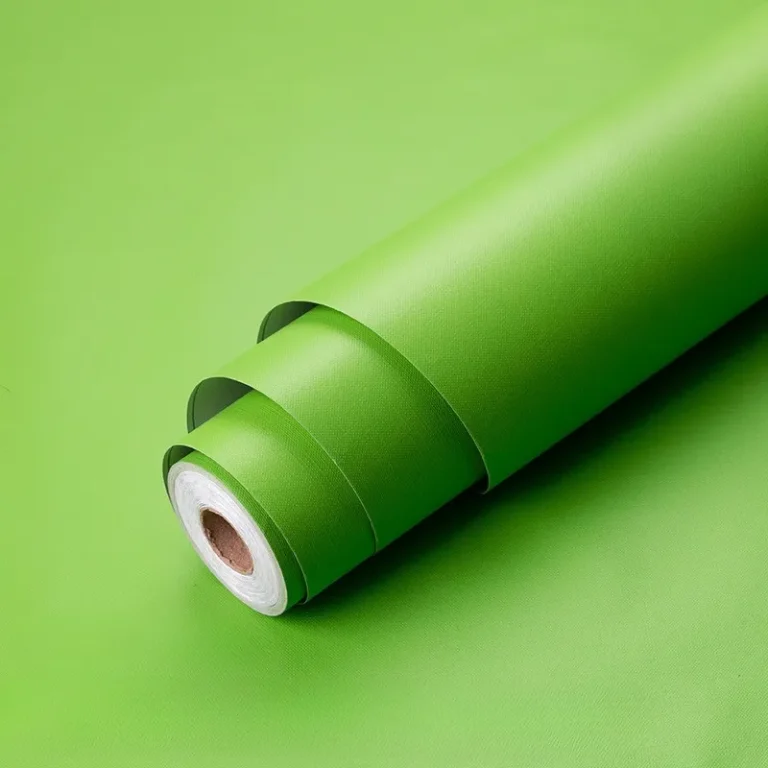
A protector PVC film lamination roll is a practical way to keep high-value surfaces looking new while they move through fabrication, handling, assembly, storage, and shipping. When your panels, metal sheets, glass, or plastic parts need a clean, high-clarity finish without scratches, scuffs, dust, fingerprints, or light chemical stains, a well-chosen protective PVC film becomes a simple “insurance layer” that saves rework and improves yield.
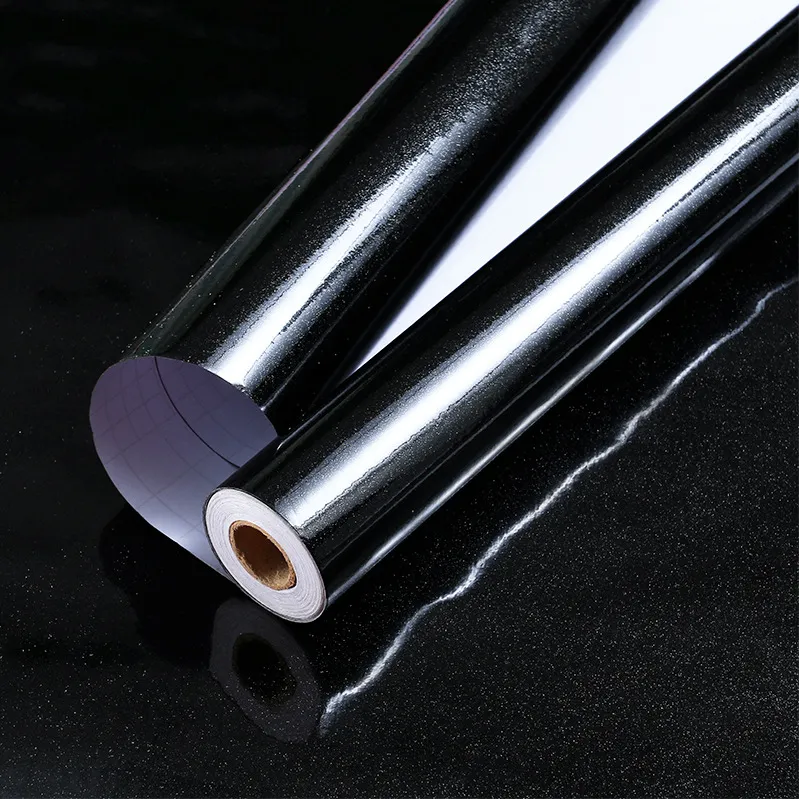
Key idea: protective lamination is not only about “covering” a surface—it’s about preserving optical clarity, preventing micro-scratches, keeping edges cleaner during cutting/drilling, and ensuring the final product looks premium at installation.
Protector PVC film is a thin, flexible polyvinyl chloride layer supplied in roll form, designed to be laminated onto a target surface as a temporary protective mask. Unlike decorative films that remain on the product, this film is typically removed after processing or at the jobsite, revealing a clean surface underneath.
In high-throughput manufacturing, small surface defects often create disproportionate costs: extra polishing, repainting, replacements, slower delivery, and customer complaints. A protective lamination roll reduces those risks by keeping the surface isolated from abrasion and contamination across multiple touchpoints—especially when parts are stacked, moved by forklift, or slid across worktables.
Laminated boards and decorative panels often travel through cutting, edge banding, drilling, and assembly. A clear protector film helps prevent tool marks and fine scratches that become visible under lighting. It also helps keep dust and adhesive overspray off the finished face, especially for glossy panels where defects are easy to spot.
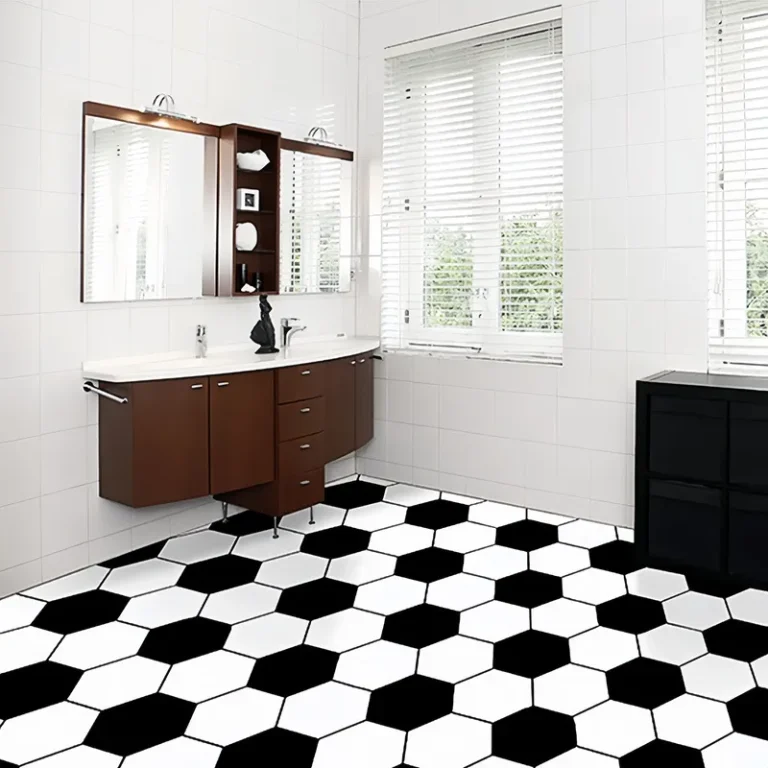
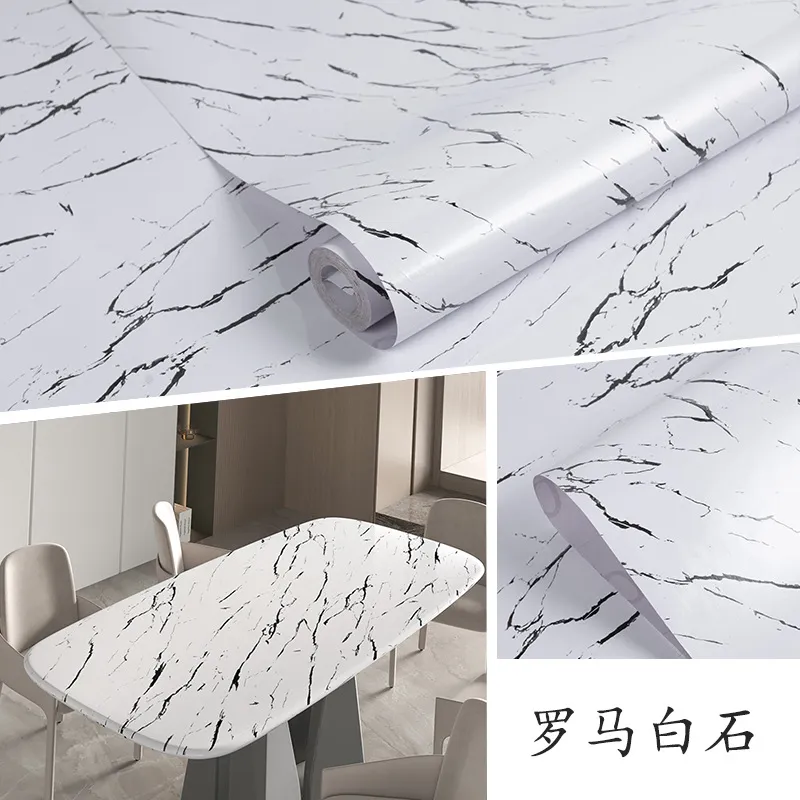
If your panels are already finished with decorative PVC surfaces (wood grain, marble, matte, glossy), pairing them with a protector layer can improve delivery quality. For example, wood-pattern solutions can be coordinated with Wood Grain Film, while premium interior boards often match stone looks like Marble Film.
Metal sheets are prone to scuffing during bending, stamping, and stacking. A protector PVC film lamination roll acts as a sacrificial layer that takes the wear instead of the metal finish. For brushed or mirror-like surfaces, even micro-scratches can ruin perceived quality—so maintaining a consistent protective film through the workflow is critical.
Glass protection is often about more than scratches: it helps reduce fingerprint buildup, light surface scuffs during installation, and marks from packaging materials. High-clarity protective film supports visual inspection without removing the mask, which improves efficiency for QC and jobsite checks.
Plastic surfaces scratch easily and can attract dust through static. Protector films with optional functional treatments can help reduce dust attraction and handling marks. For clear plastic sheets used in signage or protective covers, maintaining transparency is essential, so a clean-peel, stable-adhesion film is preferred.
If the goal is “high-clarity surface protection,” the film must remain visually clean, with minimal haze and consistent thickness. This matters for quality inspection, barcode/label readability, and ensuring the surface finish beneath is not visually distorted.
Protective films must stay attached during processing but remove easily without leaving residue. Adhesion selection depends on the surface energy and texture of your substrate (e.g., glossy metal vs. textured laminate vs. coated glass). For many applications, the best outcome is a stable, moderate tack that resists edge lifting while still peeling cleanly at the final stage.
Thickness impacts durability and handling feel. Thicker films usually resist puncture and abrasion better, while thinner films may conform more easily to curves and edges. Your lamination roll should match your process: slitting tolerances, press/roller pressure, and whether parts are thermoformed, bent, or die-cut after masking.
Depending on the environment, you may need anti-static, anti-fog, or other functional coatings. Anti-static is especially useful for plastic sheets and electronics-related surfaces where dust attraction is a recurring issue.
Many protective PVC solutions are based on calendered film production, which is valued for stable thickness control and efficient large-scale output. Consistency matters because variations in thickness can influence appearance, lamination behavior, and peel performance.
If you want to explore material options built on this production method, see Calendered Film for a reference point on industrial PVC film structures and supply formats.
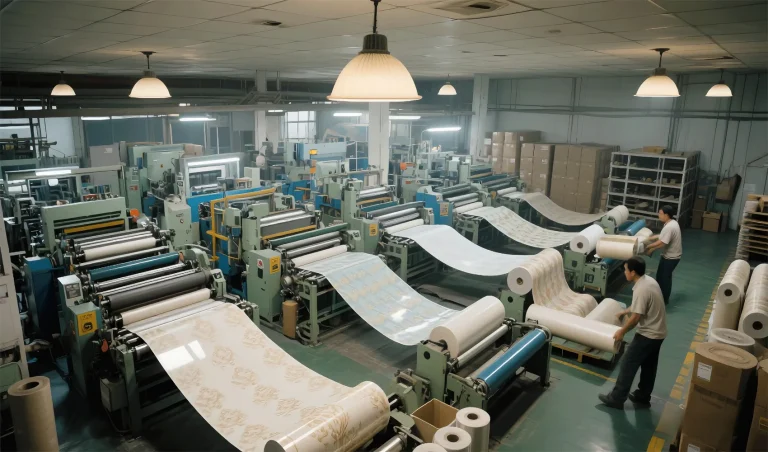
For protective lamination rolls, stable quality is not only a formula decision—it depends heavily on process control. Pulivk Film operates integrated lines for calendering, printing, slitting, and packaging, helping control key variables such as thickness uniformity, roll flatness, winding tension, and surface cleanliness.
This full-process approach also supports faster lead times: instead of coordinating multiple suppliers for base film, treatment, and slitting, production steps can be planned under one schedule to improve delivery reliability.
Protective film must arrive in perfect condition to protect your surfaces effectively. Rolls can be individually wrapped with dust-proof PE film or kraft paper and labeled by specification. This reduces contamination risk and makes warehouse picking and jobsite identification easier.
Many projects fail not because film is “bad,” but because it is mismatched to substrate, process, or climate. OEM/ODM customization can address this by tuning:
Ensure the substrate is clean and dry. Oils, powders, or moisture can cause bubbles, edge lift, or inconsistent adhesion. For metal and glass, remove processing oils and handling residue before lamination.
Use stable roller pressure to avoid trapped air and to keep clarity uniform. Misalignment can waste material and create exposed edges where scratches begin. For wide panels, consistent tension and careful tracking help prevent wrinkles.
Peel at a controlled angle to reduce residue risk, especially on freshly coated surfaces. If parts are stored for extended periods or exposed to heat, choose an adhesive system designed for that dwell time.
For many buyers, protective film is part of a broader quality system—especially in furniture, building materials, electronics, and healthcare-related packaging. Pulivk Film uses environmentally friendly, non-toxic inks and offers materials designed to meet demanding indoor and human-contact scenarios.
Compliance expectations frequently include ISO management systems and material regulations such as REACH and RoHS, along with product-specific requirements. For projects involving sensitive environments, request test reports and confirm that the film grade is suitable for the application (including any food-grade or low-odor constraints if applicable).
A smooth sourcing process usually follows a simple path: confirm substrate and process conditions, request samples, run a small pilot on your actual line, then lock the specification for mass orders. If you need support, provide details such as substrate type, surface finish, thickness/width, required clarity, and expected storage time before peel.
To explore more film options and related categories, you can browse the product directory at Product or learn more about capabilities via About Us. For technical articles and selection guidance, visit Knowledge.
Properly matched adhesion should peel cleanly. Residue risk increases when adhesion is too aggressive for the surface, when dwell time is too long, or when parts see heat/UV beyond the film’s design window. Testing on your real substrate is recommended.
Choose thicker film for higher abrasion risk, sharp edges, heavy stacking pressure, or long transport. Choose thinner film when you need easier conformability, easier slitting, or a lighter temporary mask for controlled environments.
Yes, if the film is specified for your process conditions. Key factors include adhesion stability, puncture resistance, and whether the film will tear cleanly at cut lines without lifting at edges.
Yes. Specifications such as thickness, width, roll size, surface finish, functional coatings (e.g., anti-static), and packaging/labeling can be customized for consistent performance and easier production use.
Share substrate type (panel/metal/glass/plastic), surface finish, required clarity, film thickness and roll width/length, expected storage time before peel, and any special requirements (anti-static, low odor, compliance needs).