Address
304 North Cardinal St.
Dorchester Center, MA 02124
Work Hours
Monday to Friday: 7AM - 7PM
Weekend: 10AM - 5PM
Address
304 North Cardinal St.
Dorchester Center, MA 02124
Work Hours
Monday to Friday: 7AM - 7PM
Weekend: 10AM - 5PM


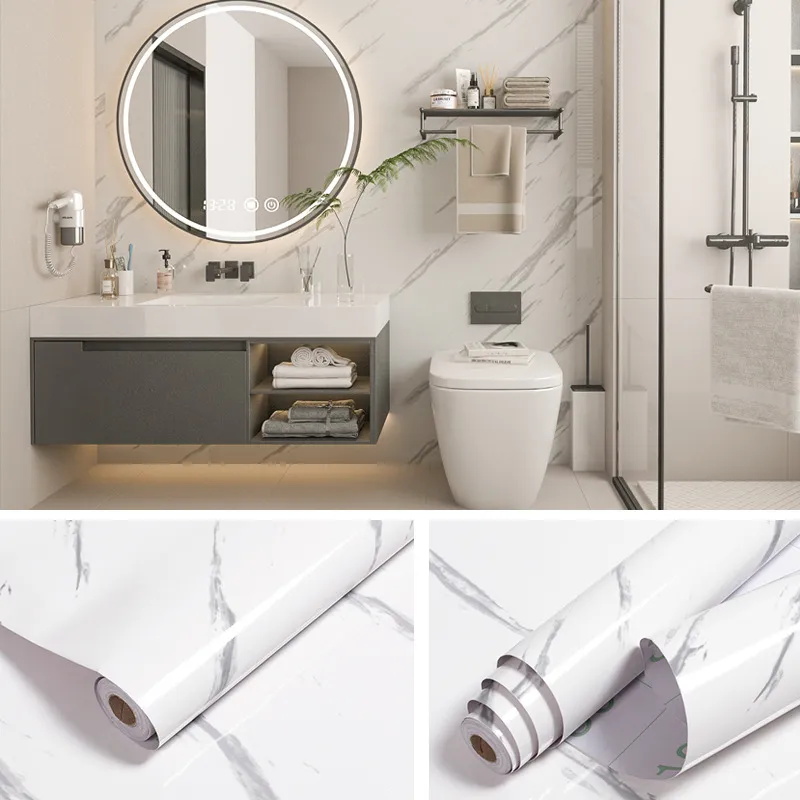
Exotic wood PVC film is a practical way to achieve premium, rare-wood aesthetics—think walnut burl, ebony, teak, rosewood-inspired grains—without the cost, maintenance, or supply limitations of natural veneer. Whether you’re producing cabinets, doors, wall panels, store fixtures, or furniture surfaces, choosing the right film finish, thickness, and roll size directly impacts both visual realism and long-term durability.
In modern interiors, people want wood warmth with consistent color, fast installation, and easy cleaning. Exotic wood patterns are especially popular because they deliver a high-end look that fits luxury retail, boutique hospitality, and contemporary residential spaces.
Key advantages of exotic wood PVC film (vs. real veneer):
Price is not only about “cheapest per roll.” For decorative films, the true cost is the balance of appearance, processing stability, and defect rate. A slightly higher-grade film that laminates smoothly and reduces rework often wins in total project cost.
Films used for furniture and decorative surfaces are commonly calendered for stable thickness and consistent performance. If you want a reliable base for printing exotic wood grains, start with a controlled calendering process.
For product overview and typical specs, you can refer to
Calendered Film.
Matte, super-matte, soft-touch, anti-scratch, anti-fingerprint, high-gloss, embossed-in-register (EIR), and 3D texture all add process steps and quality controls. In general: the more tactile and realistic the surface, the more demanding it is to manufacture consistently.
Custom color matching, private-label packaging, special coatings (anti-static, food-grade, anti-fog), and pattern exclusivity can change pricing. If you need a signature “exotic” look for a brand line, it’s worth asking for OEM/ODM options that lock in repeatable results.
Wider rolls and custom slit widths can optimize your lamination yield and reduce waste—often improving your effective cost per finished panel. Professional packaging (dust-proof PE wrap or kraft protection with labeled specs) reduces shipping damage and improves shop-floor efficiency.
✔ Buying tip:
Ask suppliers for batch traceability, QC checks (thickness, adhesion, gloss level), and realistic defect tolerance. “Best price” means stable production with fewer returns.
There is no single “standard” that fits every application. The right size depends on your substrate (MDF, plywood, SPC, WPC, metal panel), your process (flat lamination, vacuum membrane press, wrapping), and your end-use wear level.
Match film width to your panel workflow:
The finish is where exotic wood PVC film wins or loses. The same printed pattern can look “flat” in one finish and “premium” in another. Consider lighting, touch points, cleaning habits, and the design language of the space.
Gloss finishes amplify color depth and contrast—great for modern wardrobes, retail fixtures, and statement cabinetry. However, gloss also reflects fingerprints and micro-scratches more easily, so it’s best for areas with controlled use or with anti-scratch coatings.
If your project emphasizes a clean, reflective look, see
Glossy Wardrobe Film.
Matte finishes soften reflections and feel more “architectural,” often making exotic woods look more authentic. In homes and hospitality spaces, matte is frequently chosen for its calm visual tone and better day-to-day tolerance of fingerprints.
If you want the surface to feel like real wood—open-pore, brushed grain, or deep texture—choose embossed or 3D textured films. These finishes also help reduce the appearance of minor scratches by breaking up reflections.
For a texture-forward option, explore
3D Silk Texture Film.
Soft-touch surfaces create a velvety hand-feel and a boutique impression—ideal for drawer fronts, vanity units, and high-end commercial interiors. Ensure your chosen soft-touch layer is compatible with your cleaning chemicals and abrasion expectations.
⚠ Finish selection checklist (fast):
“Exotic wood” isn’t one style—it’s a family of looks. The most successful projects pick patterns that match the room scale, the substrate size, and the broader material palette (stone, metal, fabric).
On big wardrobe doors or wall cladding, small repeats can reveal obvious pattern loops. Ask for repeat length details and consider larger repeats for feature walls and luxury cabinetry.
Warm exotic tones (teak-like honey, red-brown rosewood) pair well with brass, beige stone, and warm lighting. Cool darker tones (ebony-like, smoked walnut) complement black hardware, gray stone, and minimalist styling.
For a wide range of decorative wood options, review
Wood Grain Film
and shortlist patterns by gloss level and emboss depth.
Exotic wood PVC film is widely used across furniture, construction, and interior finishing because it upgrades appearance while keeping production predictable.
Cabinet doors, wardrobe panels, drawer fronts, desks, and shelving benefit from consistent color matching and easier cleaning. Matte or textured finishes are often chosen for daily touch points.
Feature walls can achieve a luxury “wood veneer” impression at scale. When selecting patterns for walls, prioritize low-repeat visibility, stable color, and a finish that suits ambient lighting.
For skirting and edge trims, slitting accuracy and film flexibility matter. If you work on baseboards or finishing lines, you may also consider matching solutions like
PVC Skirting Film
to maintain a unified interior style from wall to floor.
Decorative films should be safe for indoor environments and stable during processing. When you purchase exotic wood PVC film for furniture or building interiors, verify compliance and request test documentation when needed.
🔎 Buyer’s QC request list:
Film is sensitive to dust, edge damage, and pressure marks. Professional export packaging—individual wrapping, moisture protection, and clear spec labels—reduces claims and keeps your lamination line running smoothly.
If you source internationally, also confirm production lead time, container loading method, and whether the supplier supports quick sample production for new patterns and finishes.
To avoid delays, prepare a short technical brief before requesting a quote. This allows the supplier to recommend the right finish system and roll format.
For purchasing workflows, product categories, and support resources, you can also navigate from
Home
or browse the full
Product
catalog to compare finishes and related decorative films.
It’s a decorative PVC film printed (and often embossed) to replicate premium, rare-wood visuals such as walnut burl, ebony, teak, or rosewood-like grains for furniture, doors, wall panels, and other interior surfaces.
Matte and embossed usually look more natural and hide fingerprints better; gloss delivers strong visual impact but shows wear more easily. The best choice depends on lighting, touch frequency, and cleaning habits.
Yes—OEM/ODM customization commonly includes thickness, width, roll length, surface treatments, pattern/color matching, and export-ready packaging with labeled specifications.
Request samples and test on your real substrate and process. Check thickness consistency, adhesion, gloss/texture uniformity, stain resistance, scratch visibility, and whether the pattern repeat looks natural on large panels.
Many manufacturers ship worldwide by sea or air with moisture/damage-protective packaging. Lead time depends on customization and order volume, so confirm schedules and sample timelines before finalizing.